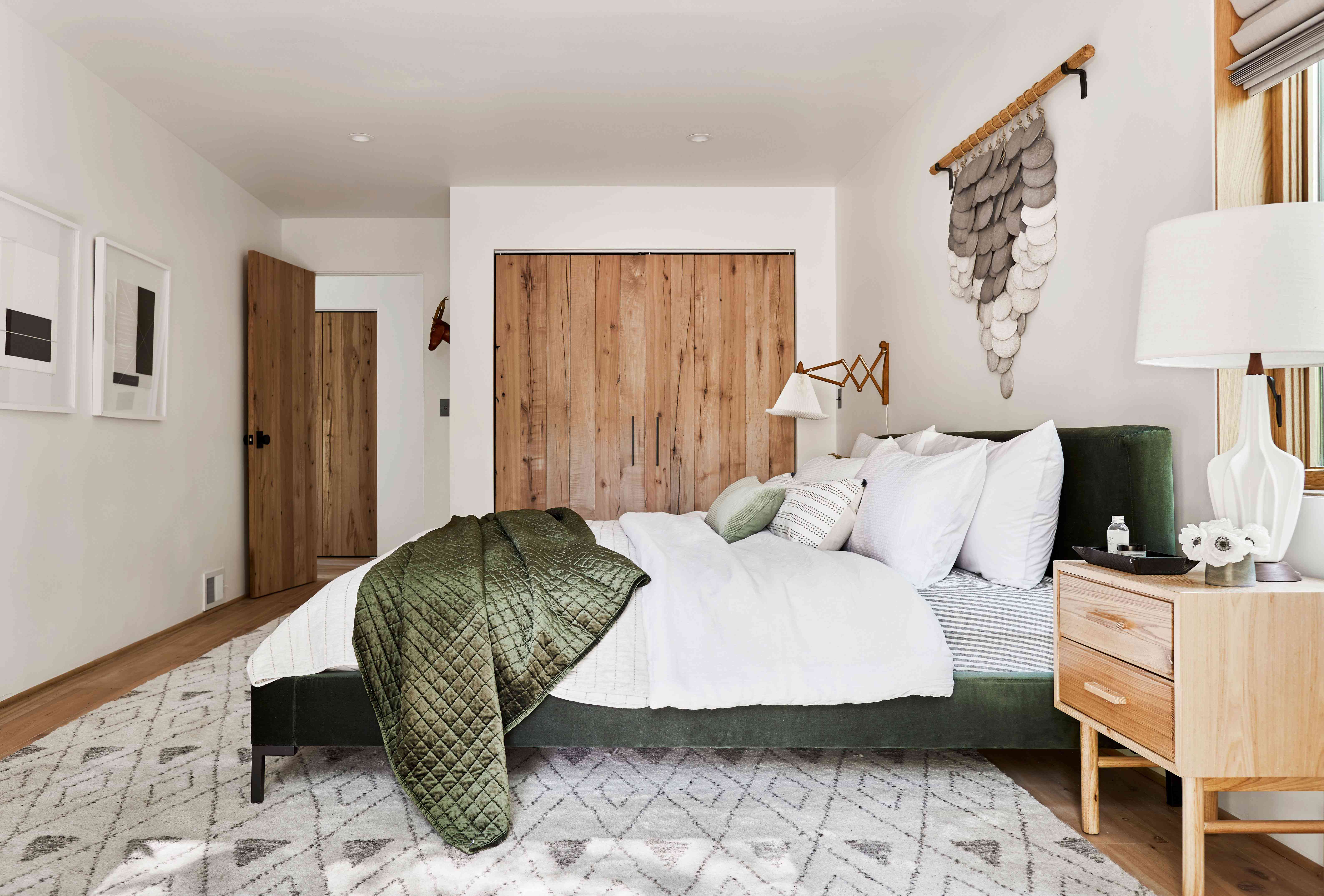
Your bedroom should feel like a recharge station, not a storage unit with a pillow on top. If you’ve ever walked into a room and thought, “Why does this space feel weird?”even though everything is technically cleanyou’re already asking a feng shui question.
Feng shui bedroom layout is all about how furniture placement affects comfort, flow, and the overall vibe of the room. The bed is the star of the show, and where you place it can influence how grounded, relaxed, and sleep-ready the room feels. Add in modern sleep design principles (light, noise, temperature, clutter), and you get a practical setup that works for both “energy flow” and “I just want to sleep through the night.”
In this guide, you’ll get 9 feng shui bedroom arrangement options you can actually usewhether your room is tiny, awkward, shared, or doubles as a home office. No mystical perfection required. Just smart furniture placement, realistic workarounds, and a little design common sense.
What a Feng Shui Bedroom Layout Actually Means
Feng shui is a traditional design philosophy focused on balance, harmony, and the flow of energy in a space. In bedrooms, that usually translates to a few core goals: feeling safe in bed, reducing visual stress, avoiding harsh layouts, and making the room feel calm instead of overstimulating.
The modern twist? Sleep experts say many of the same things in different words. A bedroom that is comfortable, darker at night, quieter, cooler, and less cluttered tends to support better sleep. So even if you’re not deeply into feng shui, the layout principles can still help you create a more restful room.
Before You Rearrange Anything: 8 Quick Feng Shui Bedroom Rules
1) Start with the bed, not the dresser
In feng shui, the bed is the most important piece in the room. If the bed placement is off, the rest of the furniture usually ends up compensating in weird ways (hello, sideways nightstand and lamp balanced on a stack of books).
2) Aim for the “commanding position”
The ideal bed position lets you see the bedroom door while lying in bed, but you are not directly in line with the door. Think “aware and comfortable,” not “feet pointed at the exit like you’re launching out of bed.”
3) Put the headboard against a solid wall
A solid wall behind the bed creates visual and psychological support. If possible, avoid placing the headboard under a window. If your room forces that setup, use a sturdy headboard and substantial curtains to make the space feel more protected.
4) Leave breathing room on both sides
A balanced layout usually includes space on both sides of the bed, even in a small bedroom. Symmetry is a classic feng shui move because it makes the room feel calmer and less lopsided. It also helps if two people share the bed and would both like to enter it like adults.
5) Keep mirrors from reflecting the bed
Mirrors can brighten a room, but in feng shui bedroom design, a mirror facing the bed is often considered too activating. If you want a mirror in the room, place it where it reflects light or a pleasant view instead of your sleeping face at 2:13 a.m.
6) Declutter the floor and under the bed
Clutter is one of the fastest ways to make a bedroom feel mentally noisy. If you can, avoid storing random items under the bedespecially work papers, old electronics, or things you forgot you owned in 2019.
7) Reduce electronics near the bed
Feng shui tends to discourage too much tech in the bedroom, and sleep-friendly design agrees. TVs, laptops, and phones can keep the room feeling “on” when your brain is trying to power down.
8) Make the room sleep-friendly, not just pretty
Good layout is not only about aesthetics. Think about light control, noise, airflow, and temperature. A beautiful bedroom that feels bright, hot, and loud at midnight is basically a showroom, not a sanctuary.
Feng Shui Bedroom Layout: 9 Arrangement Options
Below are nine practical bedroom arrangement options based on common room shapes and real-life constraints. Pick the one closest to your room and adapt from there.
Option 1: The Classic Command Position Layout (Best Overall)
Best for: Medium or large bedrooms with flexibility.
Place the bed diagonally or offset from the door so you can see the entrance without being directly in line with it. Anchor the headboard to a solid wall, and add matching nightstands (or at least similarly sized ones) on both sides.
This is the go-to feng shui bedroom layout because it checks the biggest boxes: support, visibility, balance, and easy circulation. If you only try one setup, start here.
- Do: Use a centered rug under the bed to reinforce symmetry.
- Avoid: A mirror directly facing the bed.
- Pro tip: If the room is large, add a bench at the foot of the bed to visually ground the layout.
Option 2: The Offset Door Layout (When the Door is in a Weird Spot)
Best for: Bedrooms where the door placement makes a centered bed awkward.
If the door is near a corner or opens into your ideal bed wall, shift the bed slightly off-center while keeping the headboard on a solid wall. The goal is still to maintain sight of the door and avoid direct alignment.
This arrangement works well when “perfect symmetry” is not possible. Use visual balance instead: a larger nightstand on one side can be offset by a floor lamp or chair on the other.
- Do: Keep the walking path clear from the door to the bed.
- Avoid: Letting the door swing into furniture corners.
- Pro tip: Use wall sconces to save nightstand space if the offset feels tight.
Option 3: The Small Bedroom Balance Layout (Tight Space, Better Flow)
Best for: Small bedrooms, apartments, and condo rooms.
In a small room, you may not get textbook feng shui. That is okay. Prioritize the essentials: a solid headboard wall, some visibility of the door, and enough clearance to move comfortably. Even a few inches of space on both sides of the bed can make the room feel less cramped.
Use slim nightstands, under-bed storage only for soft/seasonal items (if you must), and keep the visual palette calm. In a small bedroom, layout and clutter control matter more than buying more decor.
- Do: Choose furniture with rounded edges when possible.
- Avoid: Pushing one side of the bed hard against the wall unless there is truly no alternative.
- Pro tip: Mount lamps on the wall to free floor and table space.
Option 4: The Window-Challenge Layout (When the Bed Must Go Near a Window)
Best for: Rooms with limited wall space or lots of windows.
Feng shui usually prefers a solid wall behind the bed, but some rooms simply do not cooperate. If the only workable position puts the bed under or near a window, strengthen the setup: use a sturdy headboard, layered curtains, and a solid bed frame.
The goal here is to create a sense of support and reduce the feeling of exposure. Think “soft fortress,” not “hotel display bed floating in glass.”
- Do: Use blackout curtains if outside light disrupts sleep.
- Avoid: A flimsy frame or no headboard at all.
- Pro tip: Add heavier textiles (rug, curtains, bedding) to make the room feel grounded.
Option 5: The Long-and-Narrow Bedroom Layout (The Hallway Bedroom Fix)
Best for: Rectangular rooms that feel like a bowling lane.
Center the bed on the longer wall if possible, and use symmetry to visually widen the room. A rug placed horizontally under the bed can help “stretch” the room in the right direction. Keep tall furniture to a minimum near the foot of the bed so the space does not feel pinched.
If the door is at one end, make sure the line from the door to the bed is not visually cluttered. Too many pieces in a narrow room make the layout feel anxious fast.
- Do: Use vertical storage to reduce floor crowding.
- Avoid: Oversized dressers in the main walkway.
- Pro tip: One large piece of art can calm a narrow room better than five small frames.
Option 6: The Corner-Door Layout (Awkward Entry, Calm Bed Placement)
Best for: Bedrooms with a door in the corner and limited “good walls.”
With a corner door, the temptation is to shove the bed into the opposite corner. Try not to. Instead, place the bed on the strongest available wall that still gives you a view of the door and keeps at least partial access on both sides.
This arrangement often benefits from asymmetrical styling that still feels balanced: maybe a nightstand on one side and a compact chest or floor lamp on the other. The key is preventing the bed from looking trapped.
- Do: Test the door swing before final placement.
- Avoid: Sharp furniture corners pointing directly toward the bed.
- Pro tip: Use painter’s tape on the floor to map furniture before lifting anything heavy.
Option 7: The Shared Bedroom Harmony Layout (For Couples)
Best for: Primary bedrooms used by two people.
In feng shui, partnership-friendly layouts usually emphasize balance: equal access to the bed, paired lighting, and a sense that one person is not “borrowing” the room from the other. A centered bed with matching or coordinated nightstands is the classic move.
This does not mean the room has to look like a furniture catalog. It just means the layout should not force one person to climb over the other or live without a lamp, outlet, or nightstand while the other gets the whole VIP setup.
- Do: Leave usable pathways on both sides of the bed.
- Avoid: One giant nightstand and one tiny stool (unless you both truly love chaos).
- Pro tip: If the room is small, use matching wall-mounted shelves as nightstands.
Option 8: The Bedroom + Desk Layout (Work-From-Home Reality Check)
Best for: Bedrooms that also function as an office.
Feng shui generally prefers separating work and rest, but modern rent prices have entered the chat. If your desk must live in the bedroom, create clear zoning. Keep the desk out of direct sight from the bed when possible, or place a screen, curtain, or bookshelf divider between the zones.
The objective is to reduce “mental spillover” so your brain does not treat bedtime like a calendar invitation. Even simple routinesclosing the laptop, covering the desk, turning off task lightingsupport the layout.
- Do: Position the bed as the visual focal point, not the workstation.
- Avoid: Storing work files under the bed.
- Pro tip: Use warmer lighting near the bed and cooler task lighting at the desk.
Option 9: The Studio/Guest Room Hybrid Layout (Multi-Use but Restful)
Best for: Studio apartments, guest rooms, and flexible spaces.
In a hybrid space, the challenge is not just bed placementit is identity. The room can start to feel like “everything happens here,” which is rough for sleep quality. Define the sleeping zone with a rug, bed wall, lighting, and a consistent layout anchor.
If possible, place the bed where it is not the first thing visible from the entry. If that is impossible, make it intentional with a proper headboard, cohesive bedding, and fewer surrounding distractions.
- Do: Create visual separation with a console, curtain, or open shelving.
- Avoid: Letting workout gear, laundry baskets, and paperwork crowd the bed zone.
- Pro tip: A folding screen can be the MVP of a studio feng shui bedroom layout.
Common Feng Shui Bedroom Layout Mistakes (and Easy Fixes)
Bed directly facing the door
Fix: Shift the bed slightly, angle it if space allows, or use another wall. If a full move is impossible, focus on strengthening the headboard wall and reducing the direct visual line.
Mirror reflecting the bed
Fix: Move the mirror to a side wall, inside a closet door, or angle it to reflect light instead of the bed.
Cluttered under-bed storage
Fix: Clear it out when possible. If you must use the space, keep only soft, practical items (like extra linens) in neat containers.
Bedroom feels too “active”
Fix: Reduce screens, tone down bright lighting, and simplify decor. Soft, neutral, non-stimulating colors usually support a calmer room.
How to Choose the Best Arrangement Option for Your Room
If you are staring at your room thinking, “Cool, but which one do I pick?” use this fast decision process:
- Identify your strongest wall (solid, quiet, not blocked by windows if possible).
- Check door sightlines from the bed.
- Test walking paths on both sides of the bed.
- Place must-have furniture only (bed, nightstand(s), dresser).
- Add extras last (bench, chair, mirror, decor).
- Sleep on it for a week before changing everything again at midnight.
The best bedroom arrangement option is the one that feels stable, breathable, and easy to maintain. Feng shui is not about chasing a perfect Instagram diagram; it is about creating a room that supports your daily life.
500-Word Experience Section: Real-Life Bedroom Layout Lessons
Over time, one thing becomes obvious with feng shui bedroom layout decisions: the room does not need to be perfect to feel dramatically better. Most people do not live in ideal floor plans. They live in apartments with mystery corners, old houses with off-center windows, and bedrooms where the outlet is exactly where your headboard wants to be. The good news is that small layout shifts can create a surprisingly big difference.
One common experience is the “I moved the bed six inches and suddenly I sleep better” story. It sounds ridiculous until it happens. A slight shift can open a pathway, reduce the sense of crowding on one side, or stop the door from pointing straight at the bed. That tiny change often makes the room feel less tense, even if the person cannot explain why. The space just feels easier to be in.
Another frequent pattern shows up in shared bedrooms. Couples often discover that layout imbalance causes low-grade irritation. One person has a nightstand, lamp, and charger; the other has a wall and a prayer. Once both sides of the bed become equally usable, the room feels more cooperative. It is not magic, but it does remove a lot of friction from daily routinesespecially at bedtime, when nobody is in the mood to negotiate over outlet access.
People working from home also report a huge mental shift when they visually separate the desk from the bed. Even a simple curtain, screen, or “laptop goes in drawer at 6 p.m.” ritual helps. Before the change, the room feels like a place where unfinished tasks live. After the change, the bed area starts to feel like an actual resting zone again. This is one of the most practical feng shui ideas because it supports both focus and sleep.
Mirror placement is another big one. Many people love mirrors for brightness and style, then realize the mirror reflects the bed, laundry pile, or doorway traffic. Moving the mirror to reflect a window or a calmer wall often makes the room feel less busy. The mirror still works, but it stops “broadcasting” visual clutter back into the space.
The final lesson is about maintenance. A good layout is not just about furniture placement on day one; it is about whether the room stays usable in real life. If a setup looks great but makes it hard to open drawers, clean the floor, or make the bed, it usually fails over time. The strongest feng shui bedroom arrangement is the one that supports your habits, reduces stress, and still works on a Tuesday night when you are tired and carrying laundry in one hand and a phone charger in the other.
Conclusion
A better bedroom does not always require buying new furniture. Often, it starts with bed placement, clear pathways, less visual clutter, and a layout that helps the room feel safe and restful. These 9 feng shui bedroom layout options give you practical ways to improve flow in almost any room shapewhether you are working with a spacious primary bedroom or a tiny apartment setup.
Start with the option that matches your room, make one or two changes, and test how the space feels for a week. If your bedroom becomes easier to relax in, easier to maintain, and easier to sleep in, you are doing it right. Fancy philosophy aside, that is excellent design.