Note: This article is for educational purposes only and is based on synthesized information from reputable U.S. health, nutrition, medical, and regulatory sources. Sea moss is a food and supplement trend, not a magic wand with ocean Wi-Fi. People with thyroid disease, pregnancy, breastfeeding, medication use, or chronic health conditions should speak with a qualified healthcare professional before using it regularly.
What Is Musgo Marino?
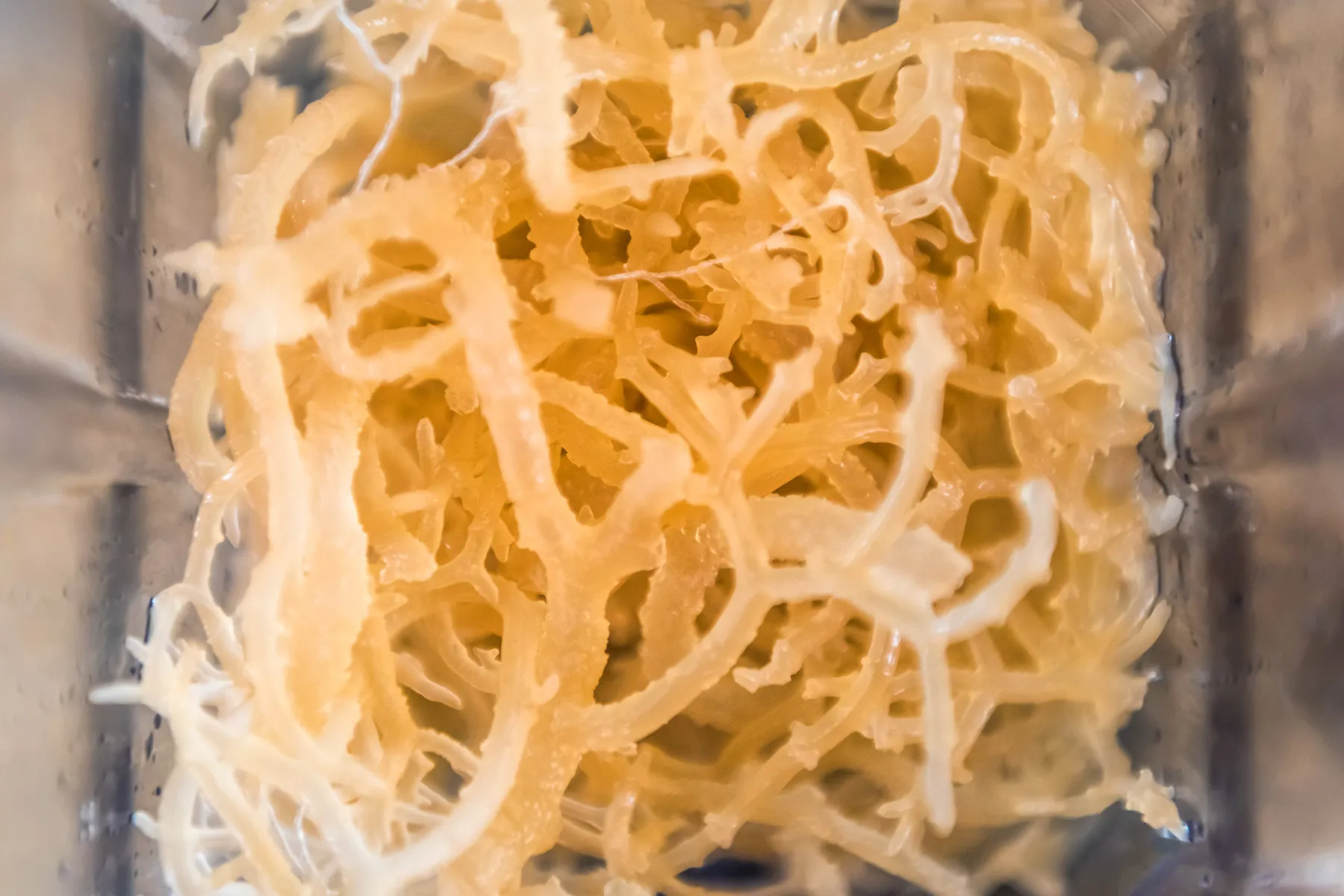
Musgo marino, better known in English as sea moss, is a type of edible red seaweed commonly linked with Chondrus crispus, also called Irish moss. It grows along rocky Atlantic coastlines and has been used for generations in Irish, Caribbean, and coastal food traditions. Long before social media turned it into a glowing jar of “superfood gel,” sea moss was used to thicken drinks, soups, stews, desserts, and plant-based foods because it naturally contains carrageenan, a gel-forming compound.
Today, sea moss appears as raw dried seaweed, gel, powder, capsules, gummies, drinks, skincare products, and smoothie add-ins. Influencers often describe it as a mineral powerhouse, gut helper, skin booster, thyroid supporter, and immune-friendly food. Some of those claims have a reasonable nutritional basis. Others are wearing a superhero cape they have not scientifically earned yet.
The truth sits somewhere in the middle. Sea moss contains fiber, iodine, iron, magnesium, potassium, calcium, and other trace minerals. It may support a healthy diet when used carefully. However, the evidence for many dramatic claims is limited, especially in humans. Sea moss can also cause side effects, particularly when consumed in large amounts or when the product contains too much iodine or contaminants such as arsenic, lead, mercury, or cadmium.
Sea Moss Nutrition: Why People Call It a Superfood
Sea moss earns attention because it is naturally rich in minerals from the ocean. Depending on where it is grown, harvested, dried, and processed, it may contain iodine, potassium, magnesium, calcium, iron, zinc, folate, vitamin K, and small amounts of plant compounds with antioxidant activity. It also contains soluble fiber, which gives sea moss gel its signature slippery texture. Yes, that texture is supposed to happen. No, your blender is not haunted.
However, “nutrient-rich” does not mean “nutritionally predictable.” Seaweed absorbs minerals from seawater, so its nutrient profile can vary widely. Two jars of sea moss gel may look nearly identical while containing very different iodine levels. That variability is one reason healthcare professionals recommend moderation and caution rather than treating sea moss like a daily cure-all.
Potential Health Benefits of Sea Moss
1. May Support Thyroid Function
Iodine is essential for producing thyroid hormones, which help regulate metabolism, body temperature, energy use, and growth. Sea moss may contain iodine, making it appealing to people who eat little seafood or follow a mostly plant-based diet. In cases of iodine deficiency, iodine-containing foods can help support normal thyroid function.
But this benefit has a big asterisk. The thyroid likes balance, not drama. Too little iodine can be a problem, but too much iodine can also trigger thyroid dysfunction. People with hypothyroidism, hyperthyroidism, Hashimoto’s disease, Graves’ disease, thyroid nodules, or a history of thyroid cancer should not use sea moss as a thyroid supplement without medical guidance.
2. May Help Digestive Health
Sea moss contains soluble fiber and gel-like polysaccharides that may support digestion by adding texture and bulk to foods. Some seaweed fibers may act as prebiotics, meaning they can help feed beneficial gut bacteria. A healthy gut microbiome is connected with digestion, immune function, and overall wellness.
Still, sea moss is not a guaranteed fix for bloating, constipation, acid reflux, or irritable digestion. Some people feel better when they add a small amount to smoothies or oatmeal. Others experience gas, nausea, loose stools, or stomach cramps. Your gut has opinions, and sometimes it writes them in bold.
3. May Support Immune Health
Sea moss provides minerals and plant compounds that may contribute to normal immune function as part of an overall balanced diet. Nutrients such as iron, zinc, magnesium, and antioxidants play roles in maintaining healthy cells and supporting the body’s natural defense systems.
However, sea moss should not be described as an immune cure or flu shield. It cannot replace vaccination, sleep, hydration, medical care, or a nutritious diet. Think of it as a possible supporting actor, not the entire superhero movie.
4. May Promote Skin Hydration and Texture
Sea moss has become popular in skincare because of its gel-like consistency and mineral content. Topical sea moss products may feel soothing and hydrating, especially in masks, creams, and gels. Some users enjoy the cooling texture and temporary plumping effect.
But topical sea moss can irritate sensitive skin. People with allergies, eczema, acne-prone skin, or sensitivity to iodine, sulfur, or seafood-related ingredients should patch-test first. Apply a small amount to the inner arm, wait 24 hours, and watch for redness, burning, itching, swelling, or stinging.
5. May Support Heart-Healthy Eating Patterns
Seaweed in general contains fiber and bioactive compounds that researchers are studying for possible effects on cholesterol, inflammation, and metabolic health. Sea moss may fit into a heart-conscious diet when used in small amounts with whole foods such as fruit, oats, nuts, vegetables, beans, and lean proteins.
That said, eating sea moss while living on fried food and three hours of sleep is like putting a tiny umbrella on a sinking boat. It may be cute, but it is not the main solution. Heart health depends on long-term patterns: movement, balanced meals, blood pressure control, healthy fats, limited added sugar, and regular medical checkups.
6. May Help With Fullness and Weight Management
Because sea moss contains fiber and forms a gel, some people use it to make smoothies or puddings more filling. Fiber-rich foods can support satiety, which may help reduce mindless snacking. Sea moss itself is not a fat burner, metabolism button, or secret celebrity waistline code.
For weight management, sea moss only matters if it helps you build a better routine. A tablespoon in a smoothie may be useful. A sugar-loaded “sea moss drink” with more syrup than seaweed is just dessert wearing a wellness hat.
Sea Moss Side Effects and Risks
Too Much Iodine
The most important sea moss side effect is excessive iodine intake. Adults generally need iodine in small amounts, and the safe range is not unlimited. Sea moss products can vary greatly in iodine content, and some may contain enough to push total intake too high, especially when combined with kelp, iodine drops, multivitamins, thyroid supplements, or a seafood-rich diet.
Too much iodine may cause goiter, thyroid inflammation, hypothyroidism, hyperthyroidism, palpitations, anxiety, fatigue, weight changes, heat intolerance, cold intolerance, or abnormal thyroid lab results. Anyone with thyroid disease should be especially careful.
Heavy Metal Contamination
Seaweed can absorb minerals and metals from seawater. This is one of the reasons it is nutrient-rich, but it is also why quality matters. Depending on the harvest location and processing standards, sea moss may contain unwanted contaminants such as arsenic, lead, mercury, or cadmium.
Choose products from reputable companies that provide independent third-party testing for heavy metals, iodine levels, microbial safety, and purity. Avoid mystery jars from sellers who provide more emojis than lab reports.
Digestive Upset
Sea moss may cause nausea, vomiting, bloating, gas, stomach cramps, or diarrhea, especially when taken in large amounts. Start small if you are trying it for the first time. A common practical serving is about one to two tablespoons of gel, but product concentration varies. Capsules and powders can be more concentrated, so label reading matters.
Possible Allergic Reactions
Although sea moss is not shellfish, people with seafood sensitivities or allergies should be cautious. Allergic reactions may include itching, rash, swelling, hives, throat tightness, wheezing, or stomach distress. Severe symptoms require urgent medical attention.
Pregnancy and Breastfeeding Concerns
Pregnant and breastfeeding people need iodine, but they also need consistent and safe intake. Because sea moss can vary in iodine and heavy metal content, regular use during pregnancy or breastfeeding should be discussed with a healthcare professional. Excess iodine exposure may affect infant thyroid function, and contaminated products may create unnecessary risk.
Medication and Condition Concerns
Sea moss may not be appropriate for people taking thyroid medication, blood thinners, blood pressure drugs, diabetes medications, iodine supplements, or other mineral-heavy supplements. It may also be unsuitable for people with kidney disease, autoimmune thyroid disease, or a history of abnormal iodine sensitivity.
How to Use Sea Moss Safely
Choose Tested Products
Look for brands that publish third-party testing results. Testing should ideally include iodine content, heavy metals, microbial contamination, and identity verification. In the United States, dietary supplements are not approved by the FDA for safety and effectiveness before they reach the market, so consumers need to be selective.
Start With Small Amounts
If you are new to sea moss, begin with a small serving a few times per week rather than jumping into daily use. Watch for digestive changes, skin reactions, headaches, fatigue, racing heartbeat, or unusual symptoms. More is not always better. Sometimes more is just more expensive diarrhea.
Avoid Stacking Iodine Sources
Do not combine sea moss with kelp pills, iodine drops, thyroid support supplements, or high-iodine products unless your clinician recommends it. Iodine stacking is one of the easiest ways to turn a wellness habit into a thyroid problem.
Use It as Food, Not Medicine
Sea moss can be stirred into smoothies, oatmeal, soups, sauces, chia pudding, tea, or plant-based desserts. It works best as a small nutritional add-in, not as a replacement for meals, medication, or medical care.
Who Should Avoid Sea Moss?
Sea moss may not be a good fit for everyone. People with thyroid disorders, pregnant or breastfeeding individuals, people with kidney disease, people on thyroid medication, and those with seafood-related allergies should be cautious. Children should not be given concentrated sea moss supplements unless a pediatric healthcare professional approves it.
Anyone scheduled for surgery, taking prescription medication, or managing a chronic condition should treat sea moss like any other supplement: disclose it to your healthcare provider. “Natural” does not automatically mean harmless. Poison ivy is natural too, and nobody is putting that in a smoothie on purpose.
Sea Moss Gel, Capsules, Powder, or Raw: Which Is Better?
Sea moss gel is popular because it blends easily into foods and drinks. It is usually made by soaking dried sea moss, rinsing it thoroughly, and blending it with clean water. Store-bought gels should be refrigerated and used before the expiration date.
Sea moss capsules are convenient but may be more concentrated. They are easy to overuse because swallowing a capsule feels less dramatic than spooning seaweed gel into breakfast.
Sea moss powder can be mixed into drinks or recipes, but quality varies. Check whether the powder is pure sea moss or blended with other algae, herbs, sweeteners, or “detox” ingredients.
Raw dried sea moss gives you more control over preparation, but it still needs to come from a reputable source. Rinse thoroughly, soak properly, and discard any product that smells rotten, looks moldy, or seems suspicious.
Common Myths About Sea Moss
Myth: Sea Moss Contains 92 Minerals the Body Needs
This claim is repeated everywhere, but it is often oversimplified and poorly sourced. Sea moss may contain many minerals, but the exact number and amount vary by product. Even if a mineral is present, that does not mean the body absorbs a meaningful amount from a typical serving.
Myth: Sea Moss Detoxes the Body
Your liver, kidneys, lungs, skin, and digestive system already handle detoxification. Sea moss does not “flush toxins” in the way many marketing claims suggest. A balanced diet, hydration, sleep, and reduced exposure to harmful substances are far more important.
Myth: Sea Moss Cures Disease
Sea moss is not a cure for cancer, infertility, diabetes, viral infections, thyroid disease, acne, arthritis, or chronic fatigue. Some compounds found in seaweed are being studied, but early research does not equal a proven treatment.
Practical Experiences With Sea Moss
Many people first try sea moss because a friend, influencer, or wellness store made it sound like the ocean personally bottled vitality. The first experience is often sensory: sea moss gel is smooth, slippery, and mildly ocean-like. Some flavored gels taste fruity and pleasant, while plain gel may taste faintly salty or mineral-like. In a smoothie with banana, berries, and almond milk, most people barely notice it. In plain water, however, it may feel like the sea sent you a text message.
A common positive experience is improved routine. Someone who adds sea moss gel to a morning smoothie may also start eating more fruit, drinking more water, and paying attention to breakfast. The benefit may come partly from the sea moss and partly from the healthier habit around it. That still counts as a win, as long as the product is safe and the expectations are realistic.
Some users report better digestion after adding small amounts of sea moss. This may be related to soluble fiber and the gel’s texture. For example, adding a teaspoon or tablespoon to oatmeal can make breakfast creamier and more filling. People who already tolerate fiber well may appreciate that. But those with sensitive digestion may have the opposite experience. Bloating, loose stools, or cramping can happen if the serving is too large or the person increases fiber too quickly.
Another frequent experience is skin curiosity. People use sea moss masks hoping for hydration and glow. A homemade mask may feel cooling, and some users like the temporary softness afterward. But sensitive skin can react. A safe approach is to patch-test first and avoid applying sea moss to broken, inflamed, or infected skin. If a product burns, stings, or causes redness, rinse it off. Beauty should not feel like a tiny kitchen fire.
Some people notice no major change at all. This is normal. A month of sea moss may not transform energy, hair, skin, digestion, or immunity. If someone is already eating well and meeting mineral needs, sea moss may simply be an extra ingredient. Not every supplement produces a noticeable “before and after.” Sometimes the honest review is: “It made my smoothie thicker.” That may not go viral, but it is still useful information.
The most concerning experiences usually involve overuse. A person may take sea moss gel daily, plus kelp capsules, plus a multivitamin, plus a thyroid support blend, then develop anxiety, palpitations, fatigue, or abnormal thyroid labs. This is why moderation matters. Sea moss can be part of a wellness routine, but it should not be stacked with multiple iodine sources casually.
Another real-world issue is product quality. Homemade jars sold online may vary in freshness, hygiene, and concentration. Some gels contain sweeteners, herbs, bladderwrack, burdock root, spirulina, chlorella, or other ingredients that change the risk profile. A pretty label does not equal lab testing. Before buying, look for transparent sourcing, testing certificates, clear serving directions, refrigeration instructions, and an expiration date.
The best user experience with sea moss is boring in the healthiest way: buy a tested product, use a small serving, add it to real food, monitor how you feel, and stop if side effects appear. Sea moss should support a balanced lifestyle, not become a personality trait with a spoon.
Conclusion
Musgo marino, or sea moss, is an interesting sea vegetable with real nutritional qualities and a long history in food traditions. It may support thyroid function, digestion, skin hydration, immune wellness, and fullness when used moderately as part of a balanced diet. Its soluble fiber, minerals, and natural gel texture make it useful in smoothies, soups, puddings, sauces, and skincare experiments.
At the same time, sea moss is not risk-free. The biggest concerns are excess iodine, thyroid disruption, heavy metal contamination, digestive upset, allergic reactions, and inconsistent supplement quality. People with thyroid disease, pregnancy, breastfeeding, kidney disease, medication use, or chronic conditions should seek medical guidance before using it regularly.
The smart approach is simple: treat sea moss as a food-based supplement, not a miracle cure. Choose third-party tested products, avoid excessive doses, do not combine it with multiple iodine supplements, and pay attention to your body’s response. The ocean can offer nutrition, but it does not come with a personalized medical degree.