Note: This article is written in a magazine-style voice and grounded in current product details and published review consensus as of April 2026.
If you spend enough time around thru-hikers, you start hearing the same footwear names repeated with the reverence usually reserved for trail magic, pizza in a tiny mountain town, and that one sock that somehow survives the whole trip. Altra Lone Peaks are on that short list. The Lone Peak line has built a cult following because it does something rare in the modern footwear world: it lets your feet feel like feet instead of trying to turn them into tightly wrapped burritos with laces.
The newest Altra Lone Peak 9 keeps that familiar identity intact. It still offers the roomy toe box, zero-drop platform, moderate cushioning, and trail feel that longtime fans expect. But it also brings updates where they actually matter, including a tougher upper, refreshed midsole feel, and better durability in the outsole package. In other words, this is not a dramatic reinvention. It is a thoughtful cleanup of a shoe that already had a loyal fan club and zero interest in becoming a moon boot.
That balance is exactly why the Lone Peak 9 makes so much sense as thru-hiking footwear. For long miles, changing weather, swollen feet, dusty trails, and the kind of daily movement that turns small design flaws into emotional events, the Lone Peak 9 hits a sweet spot. It is light enough to keep you moving efficiently, protective enough for most non-technical terrain, and breathable enough to avoid that slow-cooked-foot feeling that heavier boots can create.
So no, this is not a shoe for every person, every load, or every trail condition. But if your ideal hiking shoe is lightweight, natural-feeling, trail-savvy, and comfortable over the long haul, the Altra Lone Peak 9 makes a very persuasive case for becoming your favorite piece of gear below the ankles.
What Makes the Altra Lone Peak 9 So Appealing?
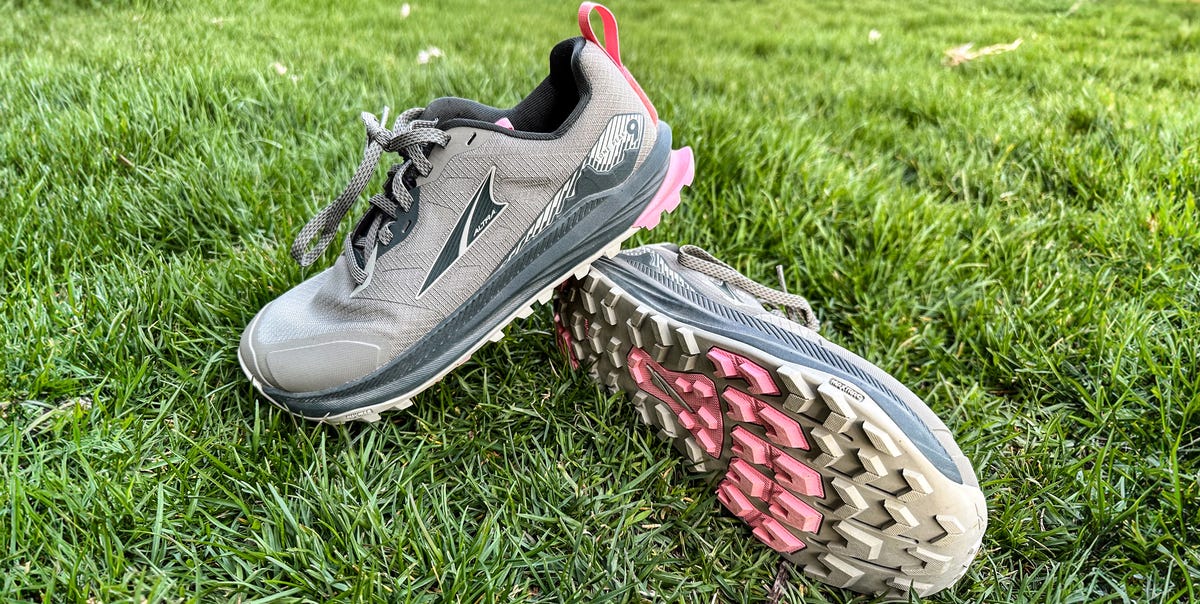
At a glance, the Lone Peak 9 looks like it understands its assignment. This shoe keeps Altra’s signature Original FootShape fit, a 0 mm heel-to-toe drop, and a 25 mm stack height. It uses an Altra EGO midsole, a MaxTrac outsole, and a ripstop-style upper built to hold up better than flimsier trail shoes. It also keeps small details that hikers love, including the built-in GaiterTrap and underfoot rock protection.
That spec sheet matters because it tells you exactly what kind of ride this shoe wants to deliver. The Lone Peak 9 is not trying to be a maximalist cushion monster. It is not trying to be a stiff backpacking boot disguised as a running shoe. It is aiming for a middle path: enough comfort for all-day wear, enough ground feel to stay connected to the trail, and enough flexibility to move naturally.
That “middle path” approach is part of the shoe’s magic. On paper, it sounds modest. On trail, modest often wins. A thru-hike is less about flashy features and more about whether a shoe remains comfortable when your feet swell, your stride gets sloppy, the terrain changes five times before lunch, and you still have 11 miles to go before camp.
Why Thru-Hikers Keep Coming Back to the Lone Peak Formula
A roomy toe box that actually helps on long days
One of the biggest reasons hikers swear by the Lone Peak line is the spacious forefoot. On a day hike, a cramped toe box is annoying. On a thru-hike, it can become a full-time villain. Feet swell. Toes slide forward on descents. Hot spots turn into blisters. Toenails start writing resignation letters.
The Lone Peak 9’s roomier shape helps reduce that squeezed, mashed, overheated feeling that many hikers get in narrower trail shoes or boots. It gives your toes space to splay, which can improve comfort and stability, especially when fatigue sets in. That is a huge advantage on multi-day or multi-month efforts, where comfort compounds just as quickly as misery does.
Zero-drop design for hikers who want a natural ride
Altra’s zero-drop platform is one of the line’s defining features. Your heel and forefoot sit at the same height, which encourages a flatter, more natural-feeling stance. For many hikers, that translates to better stability and a more grounded feel on uneven terrain. You are closer to the trail and less perched above it than you would be in taller, heavily rockered footwear.
That said, zero-drop shoes are not a magical universal solution. If you are coming from traditional hiking boots or higher-drop trail runners, you need an adaptation period. Your calves and Achilles may file a formal complaint if you go from “office shoes and weekend walks” to “20-mile trail days” overnight. The Lone Peak 9 rewards gradual transition, not sudden romance.
Lighter, cooler, and faster-drying than boots
There is a reason the trail-runner-versus-boot debate never dies: both categories have real strengths. Boots can offer more structure, more weather protection, and a sturdier feel under heavier loads. But trail runners shine when breathability, flexibility, and quick drying matter. That is a big reason so many long-distance hikers prefer them.
The Lone Peak 9 fits beautifully into that logic. It is far less bulky than a traditional boot, more breathable in warm conditions, and much less dramatic after creek crossings or rain. On a thru-hike, “dries faster” is not a small perk. It is a morale-saving feature. Few things ruin the magic of the backcountry faster than squishing around in wet shoes that feel like portable swamps.
Where the Lone Peak 9 Performs Best
The Altra Lone Peak 9 trail running shoes feel most at home on moderate to moderately technical terrain, especially where daily comfort matters more than aggressive, race-day speed. Dirt singletrack, sandy stretches, rolling hills, mixed rock, forest paths, and road-to-trail connections are all well within this shoe’s comfort zone.
This is also an excellent match for hikers who like to move efficiently. The Lone Peak 9 does not feel overbuilt. That helps it disappear on foot, which is one of the best compliments any hiking shoe can receive. You stop thinking about the shoe and start thinking about the trail, the weather, your snack strategy, and whether that distant ridge is closer than it looks. It probably is not, but the shoe still did its job.
Another strong point is stability. Because the platform sits relatively low and maintains that zero-drop geometry, many hikers find it less tippy than highly cushioned shoes. That matters when you are tired, carrying a pack, and stepping across roots, rocks, and awkward trail angles that seem specifically designed to test your dignity.
What the Lone Peak 9 Does Better Than Older Versions
The Lone Peak 9 is not a radical departure, and that is good news. Most reviewers agree that Altra wisely avoided overhauling the core experience. Instead, the updates focus on refinement. The upper appears more durable, the midsole feels a bit fresher, and the outsole package has improved enough to inspire more confidence than some previous versions.
That durability upgrade matters. Earlier Lone Peak models built their reputation on comfort but sometimes took heat for wearing down too quickly, especially in the upper or outsole. The Lone Peak 9 seems more prepared for rougher mileage. No trail runner is immortal, but this version looks more ready for the abuse that comes with constant hiking, dusty grit, and the occasional accidental toe-kick into a rock that definitely started it.
The ride also remains true to what fans want: moderate cushioning, flexible movement, and good trail connection. That continuity is a major win. Loyal Lone Peak wearers are not asking for the shoe to become a totally different animal. They just want the same trusted platform with fewer weak spots. Altra seems to have listened.
The Trade-Offs You Should Know Before Buying
No shoe earns “go-to” status without a few asterisks. The Lone Peak 9 absolutely has trade-offs, and pretending otherwise would be marketing fluff dressed as journalism.
First, the cushioning is moderate, not plush. If you prefer a super-soft underfoot experience or you tend to carry heavier loads over sharp, rocky terrain, you may want more protection. Some hikers love the Lone Peak 9 precisely because it keeps them closer to the trail. Others try it and immediately think, “My feet would like to speak to management.”
Second, the standard Lone Peak 9 uses Altra’s MaxTrac outsole, not Vibram Megagrip. For many trails, that is perfectly fine. But if you spend a lot of time on wet rock, slick roots, or steeper technical terrain, traction may be the area where you want more bite. That is why the Lone Peak 9+ exists, and why so many reviewers see it as the traction upgrade people had been asking for.
Third, durability still follows trail-runner rules, not boot rules. Even the best lightweight thru-hiking shoes wear down faster than traditional boots. That is not a defect so much as the reality of foam-based, flexible footwear. If you are planning a very long trail, expect replacement pairs. That is part of the thru-hiking equation, not a scandal worthy of a documentary series.
Altra Lone Peak 9 vs. Lone Peak 9+: Which One Makes More Sense?
If you are specifically deciding between the Lone Peak 9 and the Lone Peak 9+, the easiest way to think about it is this: the core platform is basically the same, but the outsole changes the personality. The standard Lone Peak 9 uses MaxTrac, while the 9+ upgrades to Vibram Megagrip.
For hikers who stick mostly to dry trails, smoother terrain, desert routes, and moderate conditions, the regular Lone Peak 9 is often the better value. It keeps the familiar fit and feel at a lower price, and it still performs well across a wide variety of everyday trail conditions.
But if your hikes regularly involve wet rock, slick ground, steep scrambles, or terrain where grip becomes a safety issue rather than a preference, the 9+ deserves serious consideration. It is not a different shoe so much as a smarter choice for people who want the Lone Peak experience with improved traction confidence.
Who the Lone Peak 9 Is Best For
The Lone Peak 9 is an especially good fit for hikers and trail runners who value natural foot movement, appreciate a wide forefoot, and want a stable, lightweight shoe for long miles. It is ideal for people who like trail runners as hiking shoes and do not need a rigid, heavily armored platform. It is also a strong candidate for hikers whose feet swell on long days and who are tired of narrow shoes treating their toes like unpaid interns in a crowded elevator.
On the other hand, this may not be your perfect match if you need max cushion, regularly carry very heavy backpacking loads, or want the locked-in structure of a traditional boot. It is also not the best first date with zero-drop footwear if you plan to skip the slow transition and go straight into a week-long sufferfest. The shoe is forgiving in some ways, but not in that one.
Why the Lone Peak 9 Still Feels Like the Smart Thru-Hiking Choice
The genius of the Lone Peak 9 is not that it dominates every category. It does not. The genius is that it understands the real priorities of a lot of hikers: comfort over bravado, efficiency over bulk, and trail feel over excessive foam. It embraces the idea that a shoe can be light without being flimsy, protective without feeling stiff, and stable without behaving like a brick.
For thru-hiking, those qualities matter more than flashy innovation. On day 1, almost any decent shoe can feel promising. On day 17, with sore feet, dirty socks, and a full resupply on your back, your footwear becomes brutally honest. The Lone Peak 9 keeps earning attention because it tends to remain comfortable when that honesty arrives.
That is why this shoe keeps showing up in conversations about the best trail running shoes for hiking, the best thru-hiking footwear, and the best lightweight alternatives to boots. It respects the simple truth that moving all day is easier when your shoes do not fight your feet.
Trail Experience: What Long Days in the Lone Peak 9 Are Really Like
To make this even more practical, let’s talk about the kind of experience hikers consistently describe with a shoe like the Lone Peak 9. Picture a long day on trail: cool morning, dry climb out of camp, a few dusty switchbacks, a lunch break on a sun-baked overlook, a creek crossing in the afternoon, and a rocky final descent into camp when your legs are tired and your patience is somewhere behind you on the ridge.
This is exactly the type of day where the Lone Peak 9 tends to make sense. In the morning, the shoe feels light and flexible rather than clunky. It does not ask for a long warm-up period. It just goes. The wide forefoot makes those first miles feel relaxed, especially if you are the kind of hiker who hates feeling squeezed before breakfast has even digested.
As the day heats up, the breathable upper becomes more valuable. Heavy boots can start to feel like insulated lunch coolers strapped to your feet in warm weather. The Lone Peak 9 is far less dramatic. Air moves better, feet stay cooler, and the lighter build helps you feel less bogged down mile after mile. When the trail turns dusty, the gaiter-friendly setup is another quiet win, because little pieces of grit have a special talent for turning a pleasant afternoon into an irritating one.
Then comes the terrain change. Maybe the path gets rocky. Maybe the descent gets steep. Maybe your stride gets a little sloppy because you are tired and thinking more about dinner than foot placement. This is where the Lone Peak 9’s stable geometry earns its keep. The lower-riding platform and moderate cushioning help many hikers feel more connected to the ground. You are not floating high above the trail. You are reading it.
Now imagine the creek crossing. In traditional waterproof boots, there is always that moment of dread: if water gets in, the rest of the day may turn into a soggy sequel nobody requested. With a shoe like the Lone Peak 9, getting wet is still annoying, but it is not the end of civilization. Non-waterproof trail shoes generally dry faster, breathe better, and let you get on with your day without the feeling that two aquarium filters are attached to your ankles.
By late afternoon, when feet are swollen and small annoyances become bigger ones, the roomy toe box matters again. That is one of the reasons so many hikers stick with this platform. The comfort story is not just about the first hour. It is about the seventh, when your feet want room, your downhill form is deteriorating, and the last thing you need is a shoe squeezing your toes like it is punishing them for enjoying the outdoors.
That does not mean the experience is perfect. On especially sharp, rocky trails, some hikers will want more cushioning underfoot. If the ground is wet and slick, some will wish for the 9+ outsole upgrade. And if you are brand-new to zero-drop footwear, your calves may spend the evening composing strongly worded feedback. But across the full arc of a realistic trail day, the Lone Peak 9 keeps showing why it works so well for so many long-distance hikers: it is comfortable, practical, adaptable, and refreshingly un-fussy.
Conclusion
The Altra Lone Peak 9 is not trying to be everything. It is trying to be a dependable, lightweight, foot-friendly trail shoe that can carry you through long days with less fuss and more comfort. For a lot of hikers, especially those who prefer trail runners over boots, that is exactly the right mission.
Its winning formula is simple: roomy fit, zero-drop stability, moderate cushioning, decent protection, and real trail versatility. Add in the updated upper and improved overall durability, and you have a shoe that feels purpose-built for the daily grind of long-distance hiking. It is not the most cushioned, most aggressive, or most structured option on the market. It is just one of the smartest.
And honestly, when you are choosing footwear for a thru-hike, “smart” beats “flashy” almost every single time.