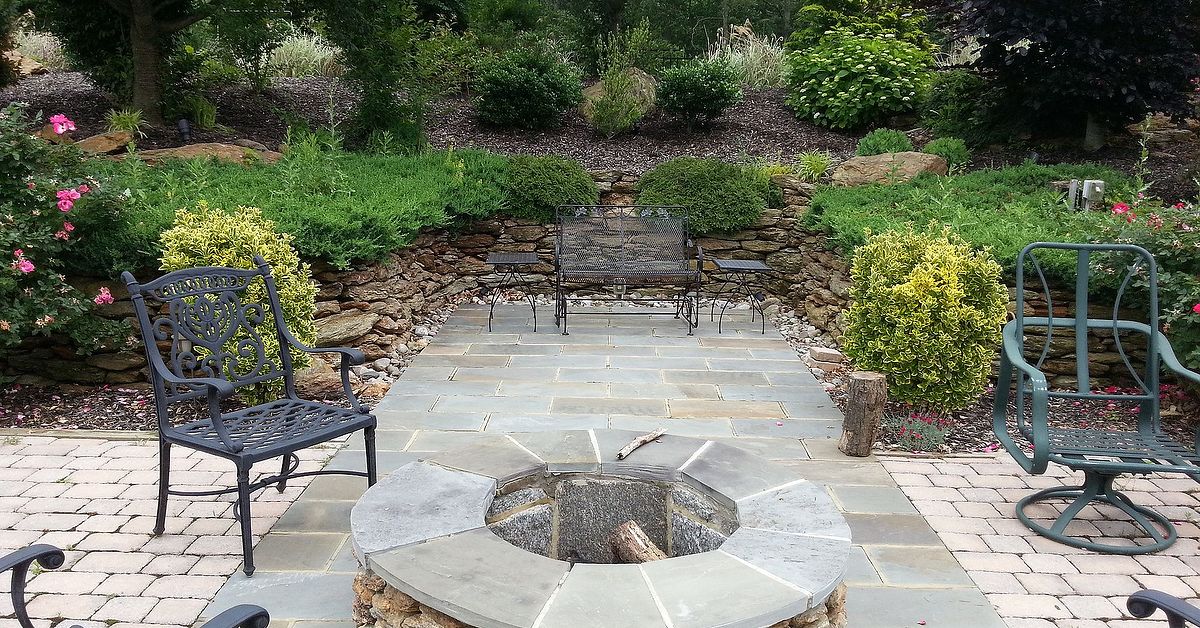
A stone wall, patio, and firepit can turn an ordinary backyard into the place where everyone mysteriously “just happens” to gather when the weather is nice. Done well, this trio creates structure, comfort, and atmosphere. Done poorly, it creates uneven chairs, smoky conversations, puddles, and at least one guest quietly wondering whether the patio was installed during an earthquake.
The good news? A beautiful outdoor living space does not have to feel complicated. With thoughtful planning, durable materials, safe spacing, proper drainage, and a design that fits the way people actually use the yard, a stone wall patio with a firepit can become the most loved “room” of the housejust without a ceiling, and with better marshmallows.
Why a Stone Wall, Patio and Firepit Work So Well Together
The reason this combination is so popular is simple: each feature solves a different problem. The patio creates a stable outdoor floor. The stone wall defines the space, manages grade changes, adds seating, or frames planting beds. The firepit becomes the emotional centerthe warm, glowing reason people stay outside for “five more minutes” until suddenly it is midnight.
Stone also has a timeless quality. It looks at home beside traditional brick houses, modern farmhouse exteriors, mountain cabins, suburban backyards, and even compact city gardens. Natural stone, manufactured wall block, concrete pavers, flagstone, bluestone, limestone, and fieldstone all offer different moods. Some are polished and symmetrical; others look like they were politely borrowed from a woodland trail.
When these materials are coordinated, the result feels intentional. A low sitting wall can echo the colors in the patio pavers. A firepit ring can repeat the texture of the retaining wall. A border course can separate the dining zone from the lounge area. Small design connections like these make the project feel less like three separate purchases and more like one outdoor living plan.
Start With the Layout, Not the Stone Catalog
It is tempting to begin with the fun stuff: stone colors, firepit shapes, patio furniture, and whether your future self is the kind of person who owns outdoor throw pillows. But the smartest place to start is the layout.
Ask how the space will be used. Is it for family dinners, weekend entertaining, quiet evenings, or large gatherings? A compact firepit patio for four people has different needs than a backyard destination designed for birthday parties, neighborhood cookouts, and a cousin who brings three extra chairs “just in case.”
Think About Flow
The patio should be easy to reach from the house, outdoor kitchen, driveway, garden path, or pool area. If guests have to cross wet grass, squeeze between shrubs, or perform a tiny obstacle course with a plate of food, the layout needs work. A clear path makes the patio feel like part of the home rather than a separate island in the yard.
Give the Firepit Breathing Room
A firepit needs open space around it for seating, movement, and safety. In many backyard designs, the firepit works best as the center of a circular, square, or slightly curved patio. Chairs should sit far enough back that people feel warm, not toasted. If you plan to include a built-in seating wall, leave enough room between the wall and firepit for people to move comfortably without doing the sideways shuffle.
Use the Stone Wall to Shape the Space
A stone wall can do more than hold soil. It can create a cozy edge, block wind, frame a view, define an outdoor room, or separate the patio from the lawn. On sloped yards, a retaining wall may be the feature that makes a level patio possible. On flat yards, a freestanding or sitting wall can add depth and character without needing a major grade change.
Choosing Materials for a Stone Wall Patio With Firepit
Material choice affects the look, cost, installation process, maintenance, and long-term durability of the project. The right material is not always the most expensive one; it is the one that fits the site, climate, budget, and design style.
Natural Stone
Natural stone brings texture and authenticity. Flagstone patios, fieldstone walls, granite steps, limestone caps, and bluestone borders all have a rich, organic look. No two pieces are exactly the same, which is part of the charm. Natural stone works beautifully in rustic, cottage, craftsman, and traditional landscapes.
The tradeoff is that natural stone can require more skill to install. Irregular shapes take patience, and thicker slabs may need a well-prepared base. If the goal is a perfectly smooth patio for dining chairs, select stones with flatter surfaces or use cut stone rather than wildly uneven pieces.
Concrete Pavers
Concrete pavers are popular because they are versatile, widely available, and easier to install in consistent patterns. They come in colors and finishes that mimic stone, brick, slate, and modern large-format slabs. For patios, pavers offer excellent design control, especially when combined with border courses, accent bands, and matching wall systems.
Segmental Wall Blocks
Segmental retaining wall blocks are designed to stack in stable systems. They are often used for retaining walls, seat walls, raised planters, steps, and firepit surrounds. Many manufacturers offer coordinated pavers, wall blocks, caps, and firepit kits, which makes it easier to create a cohesive design.
Fire-Rated Materials
The inside of a firepit should be built with materials intended to handle heat. Fire brick, steel liners, and fire-rated inserts help protect surrounding masonry. Regular concrete blocks or pavers can crack if exposed directly to repeated high heat, so the firepit should be planned as a heat-safe feature, not just a decorative circle of blocks.
Drainage: The Unseen Hero of a Great Patio
Drainage is not glamorous. Nobody walks into a backyard party and says, “Wow, the slope on this patio is emotionally moving.” But drainage is one of the biggest reasons a patio lasts. Poor drainage leads to puddles, shifting pavers, washed-out joints, frost movement in colder climates, erosion behind walls, and water traveling toward the house where it definitely was not invited.
A patio should generally move water away from the home and away from areas where it can collect. This often means a slight slope, planned before excavation begins. The base layers should follow the intended grade, not just the finished surface. Otherwise, water can sit underneath the patio like a hidden problem with a very expensive sense of humor.
Plan the Base Properly
A paver patio typically needs excavated soil, compacted subgrade, compacted aggregate base, bedding layer, pavers, joint material, and edge restraints. Each layer matters. Skipping compaction or using the wrong base depth may save time at first, but it often results in settling, uneven surfaces, and repairs later.
Do Not Ignore the Wall Drainage
If the stone wall is retaining soil, drainage becomes even more important. Water pressure behind a wall can create movement, bulging, or failure. A smart retaining wall design often includes clean crushed stone behind the wall, filter fabric where appropriate, and a drain pipe that moves water safely away. For taller walls, walls supporting heavy loads, or walls near structures, professional engineering may be necessary.
Consider Soil and Climate
Clay-heavy soil drains slowly. Sandy soil drains faster but may shift if not compacted correctly. Freeze-thaw climates place extra stress on patios and walls. Hot, dry climates may call for shade planning and lighter surface colors. A good design respects the local conditions instead of pretending every backyard is a showroom floor in perfect weather.
Firepit Design: Cozy, Safe, and Actually Usable
A firepit is not just a hole, bowl, or ring where flames appear. It is a gathering feature, and its design should make conversation easy. A common mistake is choosing a firepit that is too large for the patio. When people sit too far apart, the space loses its cozy feeling. When they sit too close, everyone spends the evening slowly roasting their knees.
Wood-Burning Firepits
Wood-burning firepits offer crackle, scent, and campfire atmosphere. They are wonderful for roasting marshmallows and pretending you are more outdoorsy than your streaming history suggests. However, they also produce smoke, ash, and sparks. They require dry, seasoned firewood, safe storage, regular cleanup, and awareness of local burn rules.
Gas Firepits
Gas firepits are convenient, cleaner to operate, and easier to turn on and off. They work well for patios where quick evening use matters. The flame may not feel exactly like a wood fire, but the convenience is hard to beat. Gas lines and propane systems should be installed and checked according to local codes and manufacturer instructions.
Built-In vs. Portable
A built-in firepit creates a permanent focal point and can match the stone wall and patio materials. A portable firepit offers flexibility and can be replaced or moved as needs change. Built-in designs look polished, while portable options are practical for renters, smaller budgets, or homeowners who are not ready to commit to one location forever.
Stone Seating Walls: Beauty With a Job
A low stone seating wall around a firepit is one of the most useful upgrades in outdoor living design. It frames the patio, provides extra seating, helps define the fire zone, and gives guests a place to perch when the chairs are full. Add a smooth capstone, and it becomes a bench, a drink ledge, or the unofficial home of someone’s forgotten sunglasses.
Seat walls are especially helpful for firepit patios because they make the area feel enclosed without blocking views. A curved wall can soften the layout and encourage conversation. A straight wall can support a modern design or edge a rectangular patio. Short wall sections can be used near steps, planters, or transitions to the lawn.
Comfort Matters
If the wall will be used for seating, pay attention to height and depth. A wall that is too high feels awkward; one that is too narrow is uncomfortable. A smooth cap is important because nobody wants to sit on a jagged stone edge and pretend everything is fine. Outdoor cushions can add comfort, but the wall should still be usable without them.
Lighting Makes It Better
Low-voltage lights built into or near the wall can improve safety and atmosphere. Wall lights, step lights, path lights, and subtle uplighting make the patio easier to use after dark. The goal is not to make the backyard look like a stadium. Soft, layered lighting is usually more inviting.
Design Styles for a Stone Wall, Patio and Firepit
The same three features can create very different moods depending on layout, materials, and furniture. Before buying anything, choose a design direction. This helps prevent the classic backyard identity crisis where rustic stone, glossy black furniture, red brick borders, tropical plants, and a farmhouse sign all try to become best friends.
Rustic Woodland Retreat
Use irregular flagstone, fieldstone walls, Adirondack chairs, native grasses, and warm path lighting. This style works beautifully with trees, natural slopes, and informal planting beds. The firepit can be round and wood-burning for a classic campfire feeling.
Modern Outdoor Lounge
Choose large-format pavers, clean wall blocks, linear seating, black or charcoal accents, and a gas firepit. Keep planting simple with ornamental grasses, evergreens, and sculptural shrubs. This style looks organized, calm, and ready for a magazine photoeven if someone left a juice box under the chair.
Classic Family Patio
Combine tumbled pavers, a low curved seating wall, a round firepit, and durable outdoor furniture. Add a dining area nearby if space allows. This style is flexible, friendly, and easy to live with.
Garden Courtyard
Use stone walls to create raised beds around the patio. Add flowering perennials, herbs, climbing plants, and a small firepit or fire bowl. The result feels intimate and lush, especially in smaller yards where every square foot matters.
Practical Planning Tips Before You Build
Every successful patio project starts with boring-but-important questions. Are underground utilities marked? Are permits required? Does the homeowners association allow firepits? Are there setback rules? Will the wall support a slope, driveway, fence, or structure? Where will rainwater go? How will furniture fit?
Calling utility marking services before digging is essential. Local codes and fire rules vary, so homeowners should check requirements before buying materials. In wildfire-prone regions or areas with air quality restrictions, outdoor burning may be limited or temporarily banned. Planning ahead avoids expensive changes and awkward conversations with inspectors, neighbors, or both.
Measure Furniture, Not Just the Patio
A patio that looks big on paper may feel cramped once chairs, tables, a firepit, side tables, planters, and people are added. Measure the actual furniture footprint. Leave room for chairs to slide back and for people to walk around the seating area. A firepit patio should feel relaxed, not like a stone version of musical chairs.
Budget for the Invisible Parts
Base material, drainage pipe, gravel, edge restraint, geotextile fabric, compaction equipment, lighting wire, and delivery fees may not be exciting, but they are part of the real project cost. The surface stone gets the compliments, but the hidden layers keep everything from becoming a lumpy disappointment.
Know When to Hire a Professional
Many small patios and firepit kits can be DIY-friendly for careful homeowners. However, retaining walls, drainage challenges, gas fire features, electrical lighting, steep slopes, and large patios may require professional help. A well-built project costs more upfront, but repairs to a failed wall or sinking patio can be far more painful.
Maintenance for Long-Term Beauty
A stone wall, patio, and firepit do not need constant attention, but they do benefit from seasonal care. Sweep the patio regularly, remove leaves from joints, rinse stains early, and keep drainage areas clear. If polymeric sand is used between pavers, inspect it occasionally and refresh it when needed.
For firepits, remove ashes after they are fully cool and dispose of them safely. Use dry, seasoned wood for cleaner burning. Avoid burning trash, treated lumber, painted wood, plastics, or yard waste. These materials can create heavy smoke and unpleasant fumes. Also, check metal fire rings, caps, and liners for wear.
Stone walls should be inspected for movement, leaning, loose caps, blocked drains, or soil washing through joints. Small issues are easier to fix early. If a retaining wall begins to bulge or shift, take it seriously and consult a qualified professional.
Common Mistakes to Avoid
The first mistake is building too close to the house, trees, fences, or anything combustible. The second is ignoring wind direction and then wondering why every fire sends smoke directly into the kitchen window. The third is underestimating drainage. Water is patient. It will find the weak spot.
Another common mistake is choosing materials separately. The patio, wall, and firepit should look related. They do not have to match perfectly, but they should share tones, textures, or shapes. Too many competing materials can make the space feel busy.
Finally, do not forget comfort. A gorgeous patio with no shade, no lighting, hard seating, and nowhere to place a drink will not get used as often. Outdoor design is not just about how the space photographs. It is about whether people want to stay there.
Experience Notes: What It Feels Like to Live With a Stone Wall, Patio and Firepit
The best thing about a stone wall patio with a firepit is that it changes the rhythm of a home. Before the project, the backyard may be something you mow, glance at, and occasionally apologize for when guests visit. Afterward, it becomes a destination. Morning coffee moves outside. Dinner stretches into twilight. Kids drift toward the firepit with blankets. Adults suddenly become very serious about the correct way to roast a marshmallow.
One of the most noticeable experiences is how the stone wall makes the patio feel grounded. Without a wall, a patio can feel like a flat pad dropped onto the lawn. With a wall, the area has edges, shape, and intention. A low wall gives people a natural place to sit, lean, set down a cup, or gather near the fire. It also creates a visual boundary that says, “This is the outdoor room.” That small psychological shift matters.
Another real-life lesson is that size matters more than people expect. A firepit area that looks spacious when empty can become tight once the chairs arrive. The most comfortable patios leave extra room for movement. People like to shift chairs closer, move back from smoke, walk around with snacks, and avoid stepping over each other. A little extra patio space may not look dramatic on a drawing, but it makes the difference between easy hosting and a backyard traffic jam.
Drainage is also something homeowners appreciate most after the first heavy rain. When the patio sheds water properly, the space dries faster and stays usable. When drainage is poor, puddles collect exactly where chair legs go, because apparently water has a sense of humor. A good base and slope are invisible when everything is working, which is exactly the point.
The firepit itself becomes a seasonal magnet. In spring, it takes the chill off cool evenings. In summer, it becomes a late-night gathering spot after the heat fades. In fall, it practically begs for hoodies, cider, and stories. Even in winter, some homeowners use the space on clear nights with blankets and warm drinks. A well-designed firepit patio extends the outdoor season without requiring a major addition to the house.
Maintenance becomes part of the routine, but not usually a burden. Sweeping leaves, checking joints, cleaning the firepit, and keeping the wall caps tidy are small tasks. The bigger payoff is that stone ages gracefully. Unlike some outdoor materials that look tired after a few seasons, stone and quality pavers often gain character. Moss in the right place, softened edges, and planted borders can make the patio feel even more settled over time.
The most satisfying experience is how flexible the space becomes. It can host a quiet evening for two, a family dinner, a birthday gathering, or a solo moment with coffee and no notifications. It is practical, beautiful, and social. And unlike many home upgrades, it invites people to slow down. That may be the real magic of a stone wall, patio, and firepit: it gives the backyard a reason to be used, not just viewed from the window.
Conclusion: Build the Backyard People Remember
A stone wall, patio, and firepit can transform a yard into a warm, functional, and memorable outdoor living space. The best designs balance beauty with practical details: safe firepit placement, durable materials, proper drainage, comfortable seating, thoughtful lighting, and a layout that matches real life.
Whether the style is rustic, modern, classic, or garden-inspired, the goal is the same: create a space where people naturally gather. A patio gives them a place to stand and sit. A stone wall gives the space shape and purpose. A firepit gives everyone a reason to stay a little longer. Put those elements together carefully, and the backyard becomes more than landscaping. It becomes the favorite room of the housestars included.