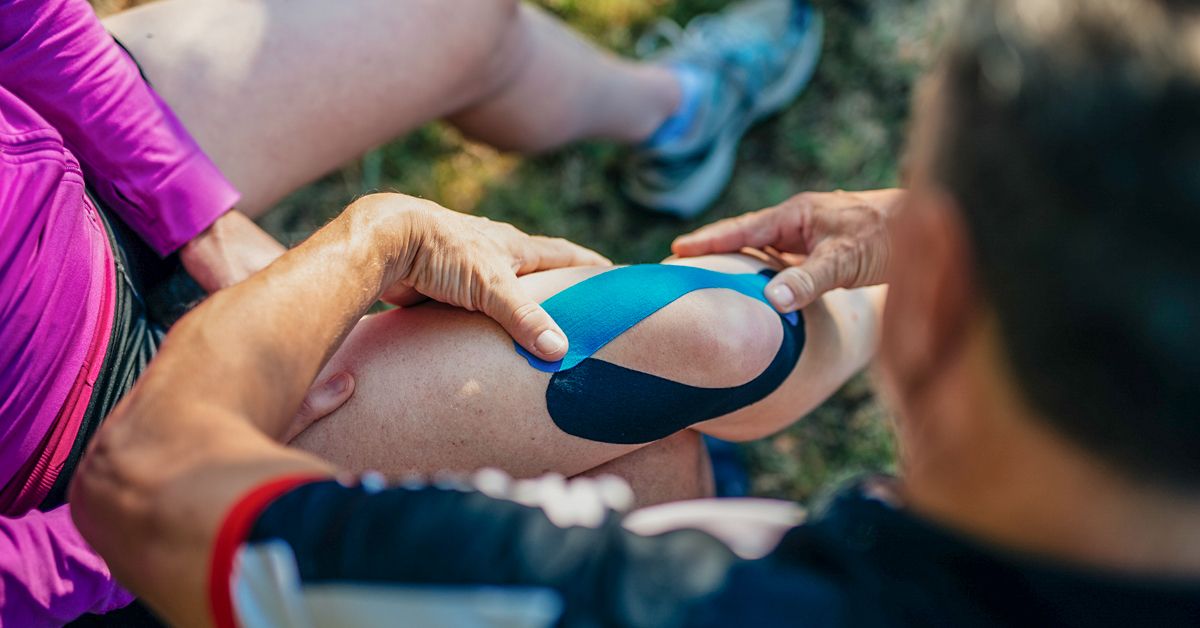
Kinesiology tape is the colorful, stretchy tape you see wrapped around knees, shoulders, calves, backs, and occasionally one very determined weekend pickleball player. It looks simplebasically athletic tape with better wardrobe confidencebut it has become a popular tool in physical therapy clinics, gyms, sports fields, dance studios, and home recovery routines.
So, what does kinesiology tape actually do? In plain English, kinesiology tape is designed to support muscles and joints while still allowing movement. Unlike traditional rigid athletic tape, which limits motion, kinesiology tape stretches with the body. That flexibility is the whole point: it may help reduce discomfort, improve body awareness, support injured or overworked areas, and assist with swelling when used correctly.
The important phrase here is “used correctly.” Kinesiology tape is not a magical sticker that turns a sore knee into a superhero knee. It works best as part of a bigger plan that may include rest, strengthening exercises, mobility work, proper footwear, physical therapy, and smart training habits. Think of it as a helpful sidekicknot the main character.
What Is Kinesiology Tape?
Kinesiology tape, also called K-tape or elastic therapeutic tape, is a flexible cotton or synthetic tape with an adhesive backing. It was popularized in sports medicine and rehabilitation because it can move with the skin instead of locking a joint into place. Most brands are water-resistant, breathable, and made to stay on for a few days, depending on skin type, activity level, sweat, shower habits, and how well it was applied.
The tape is usually cut into strips, fans, X-shapes, or Y-shapes, depending on the body area and goal. A physical therapist might apply it along a muscle, around a joint, or across a swollen area. The direction, stretch, anchor points, and shape all matter. In other words, randomly slapping a neon strip across your ankle may look athletic, but it may not do much besides announce, “I own athletic tape.”
How Kinesiology Tape May Work
Kinesiology tape is thought to work through several possible mechanisms. First, it gives the skin and nervous system extra sensory input. That light pulling sensation can remind your brain where a joint is in space, a concept called proprioception. Better body awareness may help some people move more confidently and avoid positions that aggravate pain.
Second, the tape may gently lift the skin and soft tissue, which may reduce pressure in the taped area. This is one reason it is often used for swelling, bruising, or post-exercise soreness. Third, it can provide mild mechanical support. It will not stabilize a major injury like a rigid brace, but it may offer a sense of support for minor aches, muscle fatigue, or movement retraining.
Finally, kinesiology tape may help with pain modulation. The skin has many sensory receptors, and gentle stimulation may influence how pain signals are perceived. This does not mean the tape “fixes” the root cause of pain. It may simply make movement feel more comfortable while the real workrehab, strength, mobility, and recoverycontinues.
Main Benefits of Kinesiology Tape
1. It May Help Reduce Pain
One of the most common reasons people use kinesiology tape is pain relief. Athletes may tape sore knees before a run. Office workers may use it for neck or shoulder tension. Physical therapists may apply it to help patients tolerate exercise during recovery.
The pain relief is usually not dramatic for everyone, and research is mixed. Some people feel noticeable short-term comfort, while others feel little difference. The best way to understand it is this: kinesiology tape may help reduce pain enough to move better, but it should not be used to ignore serious pain or push through an injury that needs medical attention.
2. It Can Support Muscles Without Freezing Movement
Traditional athletic tape is often used to restrict motion, especially after sprains or instability. Kinesiology tape is different. It provides light support while allowing a full or near-full range of motion. That makes it popular for sports and activities where movement matters, such as running, volleyball, soccer, swimming, cycling, tennis, dance, and weight training.
For example, a runner with mild knee discomfort may use tape to support tracking around the kneecap. A volleyball player may use tape around the shoulder to encourage better posture and movement awareness. A lifter may use it near the lower back as a reminder to brace properly. Again, the tape does not replace good technique, but it can act like a gentle tap on the shoulder from your body saying, “Hey, move smarter.”
3. It May Improve Proprioception
Proprioception is your body’s ability to know where it is in space. It is how you can walk upstairs without staring at every step like you are solving a mystery. After injury, surgery, or long periods of inactivity, proprioception can become less sharp. Kinesiology tape may help by increasing sensory feedback from the skin.
This is especially useful for areas like the ankle, knee, shoulder, or wrist. Someone recovering from an ankle sprain may feel more aware of foot position when tape is applied. That extra awareness may help during balance drills, walking, or a gradual return to sport.
4. It May Help Manage Swelling and Bruising
Kinesiology tape is sometimes applied in a fan pattern over swollen areas. The idea is to gently lift the skin and create space that may support lymphatic drainage. This technique is often used by trained clinicians after certain injuries, surgeries, or episodes of localized swelling.
However, swelling deserves respect. Sudden, severe, hot, painful, or unexplained swelling should not be covered up with tape and ignored. Swelling can happen for many reasons, and some require medical care. Tape may be useful for mild swelling as part of a treatment plan, but it is not a substitute for proper diagnosis.
5. It May Encourage Better Posture and Movement Habits
Kinesiology tape is sometimes used for posture, especially around the shoulders, upper back, neck, or lower back. The tape does not physically force you into perfect posture. Instead, it gives a gentle sensory cue when you slump, twist, or move in a way that irritates the area.
This can be helpful for people who sit for long periods, work at a computer, carry backpacks, or repeatedly fall into the same movement pattern. But posture tape should not become a permanent crutch. Stronger back muscles, better desk setup, regular movement breaks, and strength training usually matter more in the long run.
6. It Can Support Rehabilitation Exercises
Physical therapists often use kinesiology tape to help patients perform exercises with less discomfort or better control. For example, someone with patellofemoral pain may use tape during squats or step-downs. A person with shoulder irritation may use tape while practicing controlled arm movement. Someone recovering from Achilles or calf strain may use tape during walking drills.
The tape can make rehab feel less intimidating. That matters because many people avoid movement when something hurts. Carefully guided movement is often part of recovery, and kinesiology tape may make that process feel more manageable.
Common Uses of Kinesiology Tape
Knee Pain
Knee taping is one of the most popular uses. Kinesiology tape may be applied around the kneecap, along the quadriceps, or near the patellar tendon. It is commonly used for runner’s knee, general knee soreness, mild tracking issues, and exercise-related discomfort. The goal is often to improve comfort and movement awareness.
Ankle Sprains and Instability
For mild ankle instability or recovery after a sprain, kinesiology tape may provide sensory feedback and light support. However, more serious sprains often need bracing, strengthening, balance training, and sometimes medical evaluation. If the ankle is very swollen, bruised, unstable, or impossible to bear weight on, tape should not be the first plan.
Shoulder Discomfort
Kinesiology tape may be used around the shoulder blade, rotator cuff area, or upper arm to encourage better mechanics and reduce discomfort during movement. This can be useful for athletes, swimmers, lifters, or people who spend hours at a desk. Shoulder pain can be complicated, so persistent pain should be assessed by a professional.
Lower Back Pain
Some people use kinesiology tape on the lower back for short-term relief and posture awareness. It may help during daily activities or exercise by reminding the body to avoid certain irritating movements. However, back pain can come from many causes, including muscle strain, disc issues, nerve irritation, or lifestyle factors. Tape may help symptoms, but it should not replace a proper plan.
Plantar Fasciitis and Foot Pain
Kinesiology tape may be applied along the arch, heel, or calf to support the foot and reduce strain. It may help some people with plantar fascia irritation, especially when combined with calf stretching, foot strengthening, supportive shoes, and load management. Barefoot sprinting to the fridge at midnight probably does not count as foot rehab.
Muscle Strains
For mild muscle strains in the calf, hamstring, quad, forearm, or shoulder, kinesiology tape may provide support and comfort during the healing process. It should not be used to return too quickly to intense training. A strained muscle needs time, graded loading, and patiencethe least glamorous but most reliable recovery tool.
Swelling and Bruising
Fan-shaped taping techniques are sometimes used around bruised or swollen areas. This is usually best done by someone trained in the method. The tape should never be applied over broken skin, open wounds, infected areas, or unexplained swelling.
Does Kinesiology Tape Really Work?
The honest answer: sometimes, for some people, for certain goals, mostly in the short term.
Research on kinesiology tape is mixed. Some studies show small improvements in pain, range of motion, swelling, or function. Other studies find little meaningful difference compared with placebo taping or standard care. This does not mean kinesiology tape is useless. It means it is not a miracle treatment, and results depend on the condition, the person, the application method, and what else is included in the recovery plan.
For web readers looking for a practical answer, here it is: kinesiology tape may be worth trying for mild discomfort, movement support, or short-term symptom relief, especially if recommended by a physical therapist or athletic trainer. But it should not replace medical care, rehab exercises, bracing when needed, or common sense. If pain is sharp, worsening, or linked to trauma, tape is not your doctor.
How to Apply Kinesiology Tape Safely
Good application matters. Before applying kinesiology tape, clean and dry the skin. Remove lotions, oils, sweat, and dirt so the adhesive can stick properly. If there is a lot of hair, trimming may help. Do not apply tape to irritated skin, sunburn, cuts, rashes, or areas with infection.
Most applications begin with an anchor, which is the end of the tape placed on the skin with no stretch. The middle section may have light to moderate stretch depending on the goal. The final anchor should also be applied without stretch. Overstretching the tape can irritate the skin and make the application less comfortable.
After applying the tape, rub it gently to activate the adhesive. Wait a little before intense activity, especially if you plan to sweat. If the tape causes burning, itching, numbness, tingling, increased pain, or skin redness, remove it.
How Long Can You Wear Kinesiology Tape?
Many people wear kinesiology tape for one to three days. Some brands say it can last longer, but skin comfort should decide. If you sweat heavily, swim, shower often, or have sensitive skin, you may need to remove it sooner. Leaving tape on too long can increase the risk of irritation.
To remove it, go slowly. Pull the tape back over itself instead of ripping it upward. Removing it in the shower or using a little oil can make the process easier. Your skin is not a waxing strip, and it deserves better treatment.
Who Should Avoid Kinesiology Tape?
Kinesiology tape is generally low risk for many healthy people, but it is not right for everyone. Avoid using it over open wounds, fragile skin, active rashes, infections, deep vein thrombosis concerns, unexplained swelling, or areas with poor sensation. People with adhesive allergies should not use it. Anyone with cancer, diabetes-related skin issues, circulation problems, or complex medical conditions should ask a healthcare professional first.
Also, do not use tape to hide pain during sports. Pain is information. Sometimes it is annoying information, like a group text that will not stop buzzing, but it still deserves attention.
Kinesiology Tape vs. Athletic Tape vs. Braces
Kinesiology tape, rigid athletic tape, and braces are not the same thing. Kinesiology tape is stretchy and allows movement. Rigid athletic tape limits motion and is often used for stronger support, especially in sports. Braces provide more structured stability and may be better for injuries that require protection.
If you need serious joint stability, kinesiology tape may not be enough. For example, a badly sprained ankle may need a brace, not just a colorful tape design. A physical therapist, athletic trainer, or sports medicine clinician can help choose the right option.
Best Practices for Getting Real Benefits
To get the most from kinesiology tape, start with the right goal. Are you using it for pain relief, swelling, posture feedback, joint awareness, or exercise support? The answer changes the application. Next, use the right amount of stretch. More stretch is not always better. In fact, too much stretch can cause skin irritation and make the tape uncomfortable.
Combine tape with active recovery. That might include strengthening weak muscles, improving mobility, adjusting training volume, warming up properly, and sleeping enough. Tape can help you feel better, but your body still needs the boring-but-powerful basics.
Finally, learn from a professional when possible. A physical therapist can show you exactly where to place the tape, how much tension to use, and when not to use it. Once you learn the method, you may be able to apply it at home more confidently.
Real-Life Experiences With Kinesiology Tape Benefits and Uses
People often discover kinesiology tape in very human ways: a sore knee before a 5K, a cranky shoulder after moving furniture, a lower back that complains after gardening, or an ankle that still feels uncertain weeks after a sprain. The tape becomes attractive because it is simple, affordable, and easy to find. It also feels proactive. Instead of just saying, “Well, my knee is being dramatic today,” you can do something supportive while you figure out the bigger issue.
One common experience comes from recreational runners. A runner may feel mild discomfort around the kneecap during longer runs. After learning a basic knee taping technique from a physical therapist, the runner might notice that the knee feels more stable and less distracting. The tape does not magically increase endurance, fix weak hips, or replace strength training. But it may reduce enough irritation to allow a more comfortable run while the runner works on glute strength, cadence, shoes, and training load.
Another common example is desk-related neck and shoulder tension. Someone who spends eight hours at a computer may use kinesiology tape across the upper back or around the shoulder blade area. The tape gives a gentle tug when the shoulders round forward. That sensation can act like a posture reminder. It is not a substitute for breaks, stretching, better screen height, or strengthening the upper back. Still, many people like the feedback because it interrupts the “computer shrimp” position before it becomes an all-day habit.
A third experience involves ankle confidence. After a mild ankle sprain, some people feel nervous returning to walking, hiking, or sports. Kinesiology tape may provide a sense of awareness around the joint. That feeling can be helpful during balance exercises and gradual activity. However, if the ankle keeps giving way, swelling returns, or pain remains sharp, the answer is not more tape. The answer is proper evaluation and progressive rehab.
People also use kinesiology tape for swelling after minor bumps or overuse, often with a fan-cut pattern. In this case, the experience can be surprisingly visual: bruising or swelling may appear to change shape under the strips. Some users find this encouraging. Others see little difference. Results vary, and technique matters. The safest approach is to avoid taping over damaged skin and ask a professional if swelling is significant or unexplained.
Many users say the biggest benefit is not the tape itself but the confidence it provides. Feeling supported can make movement less scary. When movement feels safer, people are more likely to stay active, complete rehab exercises, and avoid guarding. That psychological effect is still meaningful, as long as it does not encourage risky behavior. Confidence is helpful. False confidence is how people end up saying, “I probably should not have played three hours of basketball on that ankle.”
There are also less successful experiences. Some people apply too much stretch and end up with itchy, irritated skin. Others put the tape in the wrong place and feel no benefit. Some expect it to cure chronic pain overnight and become disappointed when it does not. Kinesiology tape works best when expectations are realistic. It may help reduce symptoms, improve awareness, and support movement. It usually does not solve the root problem by itself.
The most practical experience-based advice is simple: test a small patch first, learn the correct technique, use the tape for a clear purpose, and pay attention to your skin and symptoms. If it helps you move more comfortably while you recover, great. If it does nothing, remove it and focus on other strategies. If it makes symptoms worse, stop using it. The tape is a tool, not a personality trait.
Conclusion: Should You Try Kinesiology Tape?
Kinesiology tape can be a useful tool for people dealing with mild pain, muscle soreness, swelling, posture awareness, joint support, or rehab-related movement challenges. Its biggest advantage is that it supports the body without completely limiting motion. That makes it popular among athletes, active adults, physical therapy patients, and anyone who wants a little extra help getting through daily movement.
Still, the evidence is mixed, and the benefits are usually modest. Kinesiology tape should be seen as part of a complete recovery or performance plan, not a cure-all. When used wisely, it may help you feel more comfortable, move with better awareness, and stay consistent with rehab. When used poorly, it may do nothingor irritate your skin and make you regret your life choices for the next shower.
The best approach is to use kinesiology tape with realistic expectations, safe application, and professional guidance when needed. If your pain is severe, persistent, or linked to a serious injury, get checked by a qualified healthcare provider. If your issue is mild and you want extra support, kinesiology tape may be worth trying. Just remember: the tape can help guide the movement, but your long-term results come from smart recovery, strength, patience, and listening to your body.
Note: This article is for educational purposes only and should not replace advice from a licensed medical professional, physical therapist, or athletic trainer.