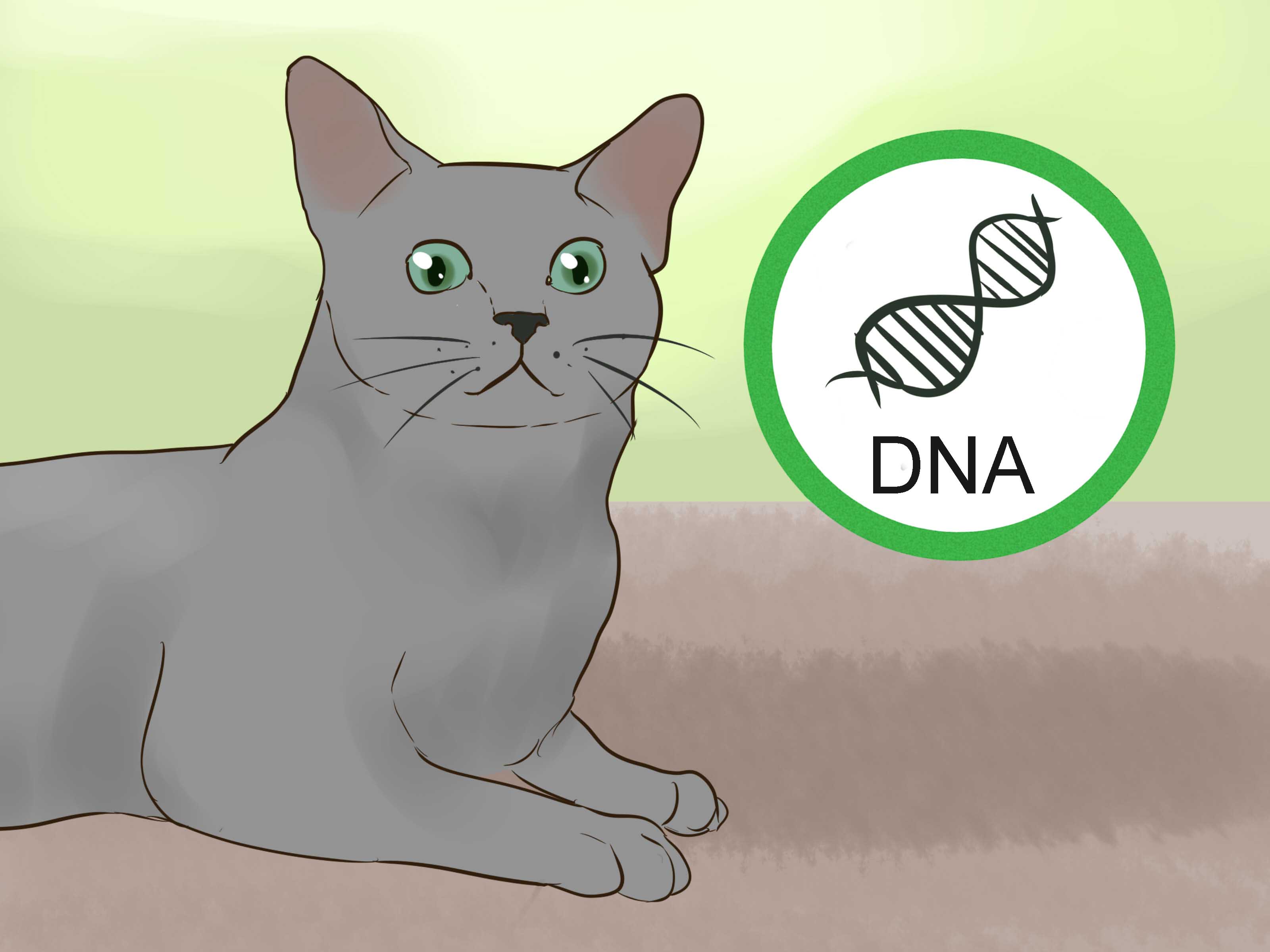
If you have ever looked at a silvery-blue cat and thought, “Are you a Russian Blue, a Chartreux, or a tiny moonbeam with whiskers?” you are not alone. The Korat cat is one of the most beautiful and easily confused blue-gray cat breeds. At first glance, this rare Thai breed may look like other shorthaired gray cats, but a true Korat has a set of features that make it stand out: a shimmering silver-blue coat, luminous green eyes, a heart-shaped face, and a surprisingly solid body that feels heavier than it looks.
Learning how to identify a Korat cat is not just a fun party trick for cat lovers. It can help prospective owners recognize the breed, ask smarter questions when speaking with breeders or rescues, and understand what makes this ancient good-luck cat so special. Korats are known for being affectionate, intelligent, playful, loyal, and, when they feel strongly about something, not exactly shy about sharing their opinions. In other words, they are elegant cats with the soul of a tiny household manager.
This guide breaks identification into three practical methods: examining physical features, studying coat and eye color, and observing personality and behavior. While only pedigree papers or genetic background can confirm a purebred Korat with certainty, these clues can help you make a well-informed guess.
What Is a Korat Cat?
The Korat is a natural cat breed from Thailand, where it has long been associated with good fortune. In Thai tradition, the breed is often connected with prosperity, happiness, and blessings, which is a lovely amount of responsibility for a cat that may still knock a pen off your desk at 2 p.m. just because gravity needed checking.
The breed is usually small to medium in size, but it is muscular, compact, and solid. Many people are surprised the first time they pick up a Korat because the cat often feels heavier than expected. This “surprising heft” is one of the breed’s classic qualities. A Korat should not look lanky, fluffy, or delicate in the way some fine-boned breeds do. Instead, it should appear smooth, powerful, balanced, and athletic.
Korats are also distinctive because they come in one recognized color pattern: silver-tipped blue. “Blue” in cat language does not mean bright sky blue, of course. It means a cool gray shade with bluish undertones. The silver tipping gives the coat a glowing effect, especially in natural light. When a Korat walks across a sunny room, it can look as if the cat has been lightly dusted with stardust.
1. Identify a Korat Cat by Its Body Shape and Head
The first way to identify a Korat cat is to look at its structure. A Korat’s body, head, ears, and face create a very specific appearance. The breed is not simply “a gray cat.” It is a compact, muscular cat with smooth lines and a famously heart-shaped head.
Look for a Heart-Shaped Face
One of the strongest Korat cat characteristics is the heart-shaped head. When viewed from the front, the shape begins with a broad forehead, curves gently around the sides of the face, and narrows toward the muzzle. This gives the face a soft heart outline rather than a sharply triangular or wedge-shaped look.
The heart shape is especially noticeable when the cat is facing forward with its ears alert. The eyebrow ridges, cheekbones, and muzzle all contribute to the expression. A Korat often looks thoughtful, intense, and slightly as if it knows the Wi-Fi password but refuses to share it.
This feature helps distinguish the Korat from several other blue-coated breeds. A Russian Blue often has a more wedge-shaped head and a refined, elegant profile. A Chartreux tends to have a rounded head and a smiling expression. The Korat’s head is neither exactly wedge-shaped nor fully round; it has that unique heart-like structure.
Check the Ears and Expression
A Korat’s ears are relatively large, with rounded tips and a wide base. They sit high on the head and help complete the breed’s alert, curious appearance. The ears should not look tiny or hidden in the coat. Since the Korat has short fur and a clean outline, the ears are easy to see.
The overall expression of a Korat is bright and watchful. This is not usually a sleepy-looking breed. Even at rest, many Korats look engaged with their surroundings. If your cat is watching you open a cabinet with the focus of a detective in a dramatic TV series, that level of attention is very Korat-like.
Notice the Muscular, Compact Body
Korats are often described as small to medium cats, but that does not mean fragile. Their bodies are muscular, firm, and surprisingly heavy for their size. The chest is well-developed, the back has a smooth curve, and the overall build should look balanced rather than long and tubular.
When identifying a Korat cat, gently observe how the cat moves. Korats tend to be graceful but powerful. They may jump, run, and play with impressive coordination. Their strength is not always obvious under the smooth coat, but you can see it in their posture and movement.
Male Korats are usually larger and more powerful-looking than females, while females may appear slightly more delicate. However, both should still have good muscle tone and substance. A cat that is very long, extremely slender, heavily fluffy, or round like a plush toy may be adorable, but it is less likely to match the classic Korat body type.
2. Identify a Korat Cat by Its Coat and Eye Color
The second way to identify a Korat cat is to study the coat and eyes. These are among the breed’s most recognizable features. A Korat should have a short, close-lying coat in a silver-blue color and large, luminous eyes that mature into green.
Look for a Silver-Blue Coat
A true Korat has a short, glossy, fine coat that lies close to the body. The color should be blue from root to tip, with silver tipping that creates a shimmering effect. This is one of the easiest features to notice, especially in good lighting.
The silver sheen is important. Many cats are gray, and many mixed-breed cats can have beautiful blue-gray coats. But the Korat’s coat often has a polished, luminous quality that makes it look different from a flat gray coat. The tips of the hairs catch the light, giving the cat a glowing outline.
Unlike some breeds, the Korat does not come in a rainbow of colors. If the cat has tabby stripes as an adult, white patches, long hair, cream markings, or another obvious color pattern, it is probably not a show-standard Korat. Kittens and young cats may show some temporary shading, and eye color can take time to mature, but the classic adult Korat look is solid silver-blue.
Feel the Short, Single Coat
The Korat coat is short and generally easy to care for. It should not feel plush like a dense double coat, nor should it be long, shaggy, or woolly. When you pet a Korat, the coat often feels smooth, sleek, and close. This low-maintenance coat is one reason Korats can look so refined without needing a beauty routine worthy of a celebrity stylist.
Because the coat is short, the body shape is visible. You can see the cat’s muscular build more clearly than you would on a longhaired breed. Grooming needs are usually modest, although regular brushing can help remove loose hair and keep the silver sheen looking its best.
Check for Large Green Eyes
The Korat’s eyes are another major clue. Adult Korats are known for large, luminous green eyes. The preferred shade is often described as rich, bright, and peridot-like. These eyes are expressive and can appear oversized in relation to the face, which adds to the breed’s memorable look.
However, eye color requires patience. Korat kittens are not born with their final green eye color. Young cats may have yellow, amber, or amber-green eyes while they mature. In many Korats, the full green color may not develop until two to four years of age. So, if you are looking at a young cat with the right body, coat, and face but not yet emerald eyes, do not dismiss the possibility too quickly.
For adults, though, eye color matters. A mature Korat should not have blue eyes, copper eyes, or dull, small eyes. The eyes should be large, bright, alert, and green. Combined with the silver-blue coat, they create the classic Korat “jewel” appearance.
3. Identify a Korat Cat by Personality and Behavior
The third way to identify a Korat cat is to observe temperament. Appearance is important, but Korats are also known for a distinct personality. While behavior alone cannot prove breed identity, it can support what you see physically.
Expect Intelligence and Curiosity
Korats are intelligent cats that often want to know what their humans are doing. They may follow family members from room to room, inspect new objects, supervise chores, and participate in household routines. If you are folding laundry, a Korat may appear as an unpaid quality-control expert. If you are working on a laptop, the cat may decide the keyboard needs a warm, furry paperweight.
This curiosity makes the breed fun but also means Korats need mental stimulation. Puzzle toys, interactive play, climbing spaces, and training games can help keep them engaged. A bored Korat may invent its own entertainment, and its ideas may not match your interior design goals.
Notice Strong Bonds With People
Korats are often deeply attached to their families. They tend to form strong relationships with their favorite people and may prefer being near them. Many enjoy attention, playtime, and companionship. This is not typically a breed that wants to be ignored all day and admired only from across the room.
Some Korats can be cautious with strangers at first. They may take a moment to decide whether a visitor is acceptable. Once comfortable, however, they can be affectionate and social. This combination of loyalty and selectiveness is part of their charm.
If a silver-blue cat constantly wants to be involved in your life, watches your movements, communicates with expressive sounds, and seems emotionally tuned in to the household, that behavior fits many Korat descriptions. Of course, many mixed-breed cats are also loving and clever. Personality should be considered alongside physical features, not instead of them.
Listen for a Communicative Voice
Korats are not always silent background decorations. Many are vocal and expressive, using sounds to communicate with their people. This does not necessarily mean constant meowing, but they may have opinions and expect those opinions to be taken seriously.
A Korat may announce dinner concerns, protest closed doors, comment on your late arrival, or remind you that playtime has been delayed by an unacceptable three minutes. Their voices can vary, but the tendency toward communication is common enough to be worth noting.
Watch for Playfulness and Confidence
Korats often remain playful into adulthood. They may enjoy chasing toys, learning tricks, playing fetch, or climbing to a high perch where they can observe their kingdom. They are usually active without being chaotic, affectionate without being limp, and confident without necessarily loving every new situation immediately.
Some Korats prefer being the main feline star of the household. They may get along with other pets when properly introduced, but they can also be territorial or bossy. This is a cat with presence. A Korat may not weigh much compared with a large dog, but emotionally, it may occupy the entire living room.
Korat Cat vs. Russian Blue vs. Chartreux: Key Differences
Because several breeds can have blue-gray coats, it is easy to confuse a Korat with a Russian Blue or Chartreux. Here are a few practical differences to consider.
Korat vs. Russian Blue
The Russian Blue usually has a more wedge-shaped head, a dense double coat, and a refined, elegant body. The Korat has a heart-shaped head, a short single coat, and a more compact muscular build. Both breeds can have green eyes, but the Korat’s face and body shape are major clues.
Korat vs. Chartreux
The Chartreux is typically sturdier and rounder, with a woolly blue coat and copper to gold eyes. The Korat should have a sleeker silver-blue coat and green eyes as an adult. If the cat has orange or copper eyes, it is much more likely to be a Chartreux-type cat than a Korat.
Korat vs. Blue Domestic Shorthair
A blue domestic shorthair can look very similar to a Korat, especially if it has a gray coat and greenish eyes. The difference is that mixed-breed cats may not have the full combination of Korat traits: silver-tipped coat, heart-shaped face, large green eyes, muscular compact body, and breed-specific ancestry. Without documentation, it may be more accurate to say a cat is “Korat-like” rather than definitely Korat.
How to Confirm Whether Your Cat Is a Korat
If you strongly suspect your cat is a Korat, the best confirmation comes from documentation. A reputable breeder should provide pedigree papers and health information. If the cat came from a rescue or shelter, breed identification may be an educated guess rather than a certainty.
You can also ask a veterinarian, experienced breeder, or cat show judge for an opinion. They may be able to evaluate structure, coat, and eye color more accurately. Some cat DNA tests may provide breed-related information, though results can vary depending on the database and should be interpreted carefully.
Most importantly, remember that a cat does not need official breed papers to be wonderful. A Korat-like cat with a silver coat and green eyes may not be a purebred Korat, but it can still be intelligent, affectionate, beautiful, and fully qualified to steal your chair.
Health Notes for Korat Cats
Korats are generally considered strong cats, but responsible identification should include basic health awareness. Like many purebred cats, Korats can be associated with inherited conditions. One health concern discussed in the breed is gangliosidosis, a rare genetic disorder. Reputable breeders should screen breeding cats and provide health information.
Because Korats can be active and food-motivated, owners should also pay attention to diet, exercise, and weight management. A muscular cat should feel solid, not overweight. Regular veterinary visits, dental care, parasite prevention, and appropriate nutrition all matter. Breed beauty is nice, but long-term wellness is the real prize.
Practical Checklist: Is This Cat a Korat?
Use this simple checklist when evaluating whether a cat may be a Korat:
- The cat has a short, fine, close-lying coat.
- The coat is solid silver-blue with a noticeable sheen.
- The head appears heart-shaped from the front.
- The ears are large, alert, and rounded at the tips.
- The eyes are large, luminous, and green in adulthood.
- The body is compact, muscular, and heavier than it looks.
- The cat is intelligent, affectionate, observant, and people-oriented.
- The cat may be vocal, opinionated, and playful.
- Pedigree papers or breeder records support the identification.
The more boxes a cat checks, the more Korat-like it may be. Still, appearance alone cannot guarantee purebred status. Documentation remains the gold standard.
Experiences: What It Feels Like to Live With and Identify a Korat Cat
Identifying a Korat cat in real life is often less like reading a textbook and more like solving a charming little mystery. The first clue is usually the coat. A person may see a gray cat and think, “Pretty.” Then the light hits the fur, and suddenly the cat looks silver, blue, and almost metallic. That shimmering effect is what makes people stop and stare. It is not flashy like a patterned Bengal coat or fluffy like a Persian coat. It is quiet elegance, the feline version of a perfectly tailored gray suit.
The next experience comes when you look at the face. Many gray cats have green eyes, but a Korat’s expression can feel especially intense. The heart-shaped head gives the cat a sweet but alert look, as if it is both affectionate and actively judging whether you opened the treat bag correctly. When the eyes are fully mature and bright green, the contrast with the silver-blue coat is unforgettable. It is the kind of face that makes people reach for a camera and then realize the cat has already moved because, naturally, the cat had other plans.
Handling a Korat-like cat can also surprise people. Because the breed is not huge, you may expect a light cat. Then you pick it up and discover a compact little athlete. The body feels firm and muscular, not soft or wispy. This is one of the most useful hands-on clues. A Korat is not supposed to feel like a floating scarf with paws. It should feel solid, balanced, and strong.
Personality is where the experience becomes even more memorable. Many Korats are deeply people-focused. They may follow you into the kitchen, the bedroom, the office, and yes, the bathroom, because privacy is apparently not part of the Korat lifestyle package. They often want to be near the action. If something new enters the house, they inspect it. If a cabinet opens, they investigate. If a laptop appears, they may decide your productivity requires direct feline supervision.
People who live with Korats often describe them as emotionally present cats. They are not just decorative pets. They interact, respond, and participate. Some will learn routines quickly: when meals happen, where toys are kept, which chair is yours, and how to claim that chair before you sit down. Their intelligence can be delightful, but it also means they need enrichment. A bored Korat may become a creative Korat, and “creative” can mean opening things, moving things, or turning ordinary household objects into dramatic performance art.
Another common experience is realizing that a Korat may have a strong sense of preference. This cat may choose favorite people, favorite toys, favorite sleeping spots, and favorite rules that nobody else agreed to. Some are friendly with guests; others need time to warm up. Some enjoy other pets; others prefer being the royal centerpiece. The key is to respect the cat’s confidence and give it patient introductions, predictable routines, and plenty of positive interaction.
For anyone trying to identify a Korat, the best real-world advice is to look for the complete picture. Do not rely on one feature. A gray coat alone is not enough. Green eyes alone are not enough. A loving personality alone is definitely not enough, because plenty of cats are affectionate little legends. Instead, look for the combination: silver-blue sheen, heart-shaped head, large green eyes, compact muscular body, and intelligent, devoted behavior. When those traits appear together, you may be looking at a Korator at least a cat doing an excellent impression of one.
Conclusion
The best way to identify a Korat cat is to combine three types of clues: physical structure, coat and eye color, and personality. A true Korat is not just any gray cat. It typically has a heart-shaped face, large alert ears, a compact muscular body, a short silver-blue coat, and luminous green eyes as an adult. Add in intelligence, loyalty, curiosity, playfulness, and a healthy amount of feline confidence, and the Korat becomes much easier to recognize.
Still, because many domestic shorthair cats can share similar features, visual identification has limits. If you need certainty, look for pedigree documentation, consult a breed expert, or ask a veterinarian for guidance. Whether your cat is a purebred Korat or simply Korat-like, one thing is clear: a silver-blue cat with bright eyes and a big personality has already won the most important titlebeloved ruler of the household.