Main keyword: The Parent Trap disturbing movie
On the surface, The Parent Trap is a sunny Disney classic full of summer camp chaos, secret handshakes, Napa Valley elegance, London charm, and one of the most impressive child performances of the 1990s. Lindsay Lohan plays both Hallie Parker and Annie James so convincingly that the movie still tricks new viewers into asking, “Wait, are there actually two girls?” That is movie magic. But underneath the lemony soundtrack and Nancy Meyers interiors is a plot that becomes more alarming the longer you think about it.
This is not a takedown of The Parent Trap. The 1998 remake is funny, stylish, warm, and deeply rewatchable. It is also, accidentally or not, one of the most emotionally chaotic family comedies ever handed to children with a cheerful PG rating. The movie asks viewers to accept that two adults divorced, split up their twin infants like matching luggage, erased each child’s sibling from family history, and then acted surprised when their daughters developed the strategic instincts of tiny international spies.
So, let’s revisit the beloved classic with affection, curiosity, and a slightly raised eyebrow. Here are 18 reasons The Parent Trap is a truly disturbing moviebrilliant beyond brilliant, yes, but also emotionally unhinged in a way only a glossy Disney comedy can be.
Why The Parent Trap Still Feels So Strange on a Rewatch
The genius of The Parent Trap is that it wraps a deeply uncomfortable premise in comfort-food filmmaking. The vineyards glow. The London townhouse looks like it smells faintly of expensive soap and old money. Chessy makes pancakes. Martin is delightful. Meredith Blake wears white linen like a woman who has never once eaten barbecue sauce near children. Everything looks safe, polished, and charming.
But the emotional foundation is wild. Hallie and Annie are not merely separated by divorce. They are separated from birth, denied knowledge of each other, and raised on different continents. The adults present this as a regrettable romantic misunderstanding, but from the twins’ perspective, it is a life-altering secret. That contrastcozy tone versus disturbing family logicis what makes the film so fascinating.
18 Reasons The Parent Trap Is A Truly Disturbing Movie
1. The parents split up actual twins like a divorce settlement bonus item
The central premise is the biggest red flag in the vineyard. Nick Parker and Elizabeth James each take one baby after their divorce and apparently agree to never mention the other child again. This is not co-parenting. This is emotional witness protection. The movie treats the arrangement as romantic backstory, but in real-world terms, it is a staggering parenting decision.
2. Hallie and Annie are denied half of their own identity
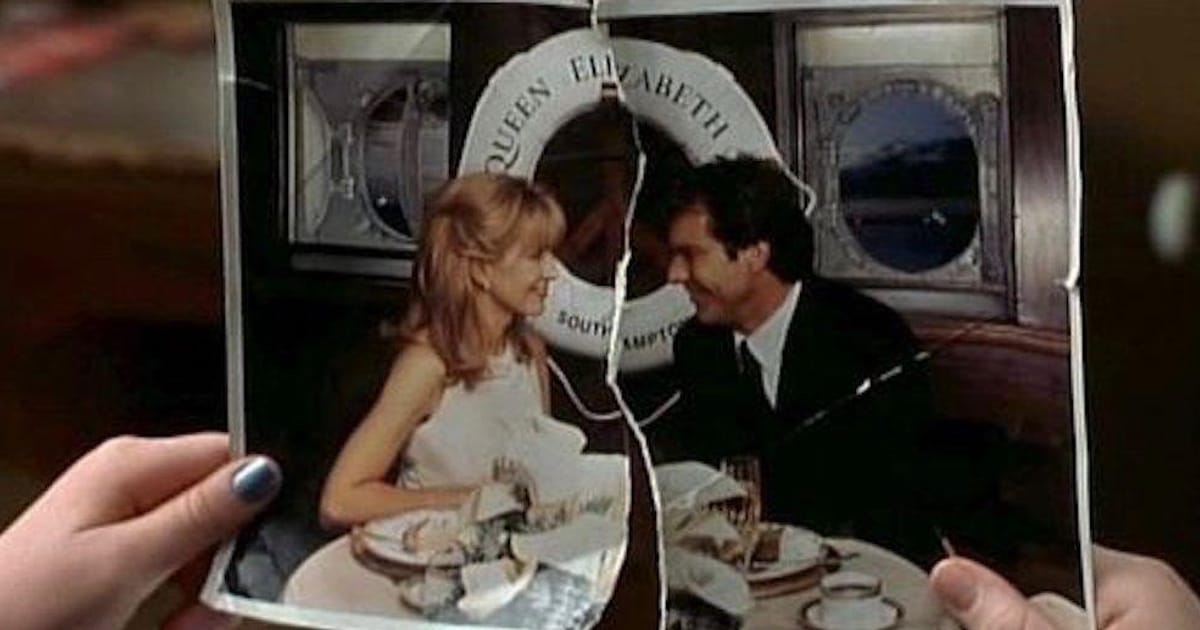
Being a twin is not a minor fun fact. It is a major part of a person’s origin story. Hallie grows up never knowing she has a mother in London. Annie grows up never knowing she has a father in California. Worse, neither knows she has a sister with the same face, birthday, and DNA. Imagine discovering at age 11 that your family history has a deleted scene.
3. The adults act like the lie was just awkward, not life-shaping
Once the truth comes out, nobody fully pauses to say, “What we did was morally bananas.” The adults are emotional, yes, but the movie moves quickly into reunion mode. The girls, meanwhile, respond with joy because they finally have answers. That happiness is understandable, but it also hides the deeper issue: the adults built two childhoods on silence.
4. The summer camp discovery is a statistical miracle with suspicious timing
Hallie and Annie meet at Camp Walden by pure coincidence. One lives in Napa Valley. The other lives in London. Somehow, they are sent to the same camp in Maine during the same summer, at the same age, in the same cabin orbit. Movie fate is adorable. Realistically, this is the universe grabbing the parents by the shoulders and yelling, “Fix this immediately.”
5. Their first instinct is not therapyit is identity fraud
After discovering they are twins, the girls do not call a lawyer, ask a trusted adult, or demand answers. They create an international impersonation plan. To be fair, they are 11. To be even fairer, they execute it with the discipline of CIA trainees. Haircuts, accents, handwriting, family details, posture, slangthe preparation is impressive and deeply concerning.
6. The identity swap puts both girls in emotionally risky situations
Hallie travels to London pretending to be Annie. Annie travels to California pretending to be Hallie. Each child enters a household where one wrong sentence could expose everything. That is a lot of pressure for preteens who should be worrying about friendship bracelets, not cross-continental deception. The movie makes it playful, but the anxiety underneath is intense.
7. The parents are easier to fool than anyone wants to admit
Nick and Elizabeth fail to notice that their daughters have been replaced by identical strangers who are also, technically, their daughters. The film gives us funny near-misses, but the situation raises a brutal question: how emotionally attentive were these parents? Chessy figures out the truth with her heart before Nick does with his eyes, which says plenty.
8. Chessy carries the emotional weight of the entire California household
Chessy is funny, warm, and observant, but she is also the adult who most immediately senses that something is wrong. Her reunion with Halliewhile believing she is Annie pretending to be Hallieis one of the film’s most heartfelt moments. It also suggests that the nanny has been doing a lot of emotional parenting while Nick has been busy being charming near grapes.
9. Meredith Blake is villainized partly for not wanting instant stepchildren chaos
Meredith is clearly not ready to be a loving stepmother, and her plan to send the twins to boarding school is ice-cold. Still, the movie stacks the deck against her. She is 26, stylish, ambitious, and engaged to a wealthy older man with a daughter. The twins see her as an obstacle, not a person. Her flaws are real, but so is the fact that she walks into a family system already built on secrets.
10. Nick’s engagement timeline is alarmingly casual
Nick is engaged to Meredith, yet his daughter seems only partly integrated into this enormous life change. Hallie, or rather Annie-as-Hallie, discovers the engagement almost like a plot twist. For a parent, introducing a future spouse should involve serious conversations, not a surprise appearance from a glamorous publicist who looks ready to alphabetize the family assets.
11. Elizabeth and Nick have unresolved romantic drama disguised as destiny
The movie frames their love story as unfinished business. They met, married, fought, separated, and then each raised one twin. Their reunion is swoony because Natasha Richardson and Dennis Quaid are charming, but the backstory is emotionally messy. The idea that a decades-long family rupture can be healed by a romantic dinner and a few meaningful glances is beautiful cinema and questionable conflict resolution.
12. The twins manipulate everyoneand the movie mostly rewards it
Hallie and Annie lie, scheme, impersonate each other, sabotage Meredith, and pressure their parents into confronting the past. Their plan works. That is satisfying, but it also teaches a hilariously chaotic lesson: if your family has problems, simply commit elaborate fraud until love wins. Please do not try this at home, at camp, or on an international flight.
13. The camp prank war is more intense than the soundtrack admits
Summer camp in The Parent Trap is not just canoeing and s’mores. It is psychological warfare with bunk beds. The girls’ rivalry escalates until they are isolated together, which becomes the turning point of the plot. In a children’s comedy, the punishment cabin is cozy. In real life, adults might have a few follow-up questions about supervision.
14. The movie’s world is powered by wealth, access, and convenience
Napa estates, London fashion houses, luxury hotels, private spaces, international travel, and last-minute grand gestures make the story feel magical. They also make it strangely privileged. The twins can pull off their plan because they live in a world where adults can cross oceans, rearrange lives, and solve logistical nightmares with money, staff, and a very forgiving screenplay.
15. Nobody seems worried enough about passports and travel documents
The identity swap requires two children to travel internationally while pretending to be each other. The film glides past the practical details because it is a family comedy, not a customs enforcement thriller. Still, modern viewers may find themselves wondering how the twins handle passports, signatures, accents, and adults at airports. The answer is simple: Disney magic, apparently laminated.
16. The Concorde ending is romanticand completely outrageous
Nick and Hallie racing to London on the Concorde is one of the movie’s grand romantic gestures. It is also a perfect symbol of the film’s emotional logic: if you made one catastrophic mistake years ago, just fly faster than regular people and fix it with dramatic timing. The scene works because it is cinematic, but the family problems underneath still deserve more than supersonic charm.
17. The remarriage ending arrives very quickly
By the end, Nick and Elizabeth reunite, the twins become bridesmaids, and the family appears whole again. It is heartwarming. It is also incredibly fast. These people have spent more than a decade apart while hiding children from each other. A joyful ending is emotionally satisfying, but the movie skips the long, difficult work of rebuilding trust. Apparently, all you need is love, timing, and flawless wedding attire.
18. The movie is disturbing because it is so good at making you forgive everything
The most unsettling thing about The Parent Trap is not that its premise is outrageous. It is that the film is charming enough to make viewers accept it. Lindsay Lohan’s performance is sharp and lovable. The supporting cast is delightful. The pacing is smooth. The tone is warm. The result is a movie that makes a deeply strange family arrangement feel like a cozy childhood fantasy. That is impressive filmmakingand emotional sorcery.
The Parent Trap Disturbing Movie Analysis: Why We Still Love It Anyway
Calling The Parent Trap disturbing does not mean the movie is bad. In fact, the discomfort is part of why it remains so interesting. Many family films ask children to imagine independence, adventure, and control. The Parent Trap takes that fantasy further: what if kids could repair the emotional failures of adults? What if two sisters could rewrite the family story that was written for them before they were old enough to speak?
That is why the film still connects with audiences. Beneath the jokes and disguises is a powerful wish-fulfillment story. Hallie and Annie are not passive children waiting for grown-ups to behave better. They become investigators, stylists, actors, negotiators, and tiny chaos consultants. They refuse to accept the broken version of the family they inherited. Their methods are questionable, but their emotional goal is clear: they want the truth, each other, and a chance to be loved by both parents.
The film also benefits from Nancy Meyers’ signature sense of place. Every room looks emotionally expensive. Every kitchen seems designed for healing conversations over pancakes. Every adult has good hair, nice lighting, and the sort of home that suggests throw pillows can solve generational pain. That polished visual world softens the story’s darker implications. If the movie looked less beautiful, the premise might feel much harsher.
Lindsay Lohan’s dual performance is another reason the movie gets away with its chaos. Hallie and Annie feel distinct without becoming cartoon opposites. Hallie is bold, restless, and California-cool. Annie is polished, thoughtful, and British-raised. But both are lonely in ways they do not fully understand until they meet. That emotional loneliness gives the comedy weight.
What The Parent Trap Says About Family Secrets
Family secrets are often presented in movies as dramatic devices, but in The Parent Trap, secrecy is the engine of the entire plot. Nick and Elizabeth’s silence shapes their daughters’ identities, relationships, and understanding of love. The twins’ deception mirrors the parents’ deception, almost like emotional inheritance. The adults hide the past; the children hide the present.
That symmetry is what makes the story surprisingly layered. Hallie and Annie lie because they were lied to first. Their scheme is not random misbehavior. It is a childlike attempt to correct an adult-created injustice. The movie never says this in heavy language, but it is right there under the comedy. The twins are not merely trying to reunite their parents; they are trying to reclaim the family history that was taken from them.
Why Meredith Blake Became a Modern Fan Favorite
One of the funniest cultural shifts around The Parent Trap is the reappraisal of Meredith Blake. As kids, many viewers saw her as the obvious villain: glamorous, icy, and allergic to wilderness. As adults, some viewers look at her and think, “She had boundaries, a career, and excellent hats.” That does not make her a perfect person. She still treats the twins as problems to be managed. But her villainy is more complicated than the movie’s childhood lens suggests.
Meredith enters a relationship with Nick without fully understanding the emotional minefield around him. She wants marriage, status, and control. The twins want their parents back together. Nick wants to avoid hard conversations until they push him into a lake of consequences. In that context, Meredith is not the source of the family dysfunction. She is the flashy symptom that finally forces everyone to look at it.
Experience Section: Rewatching The Parent Trap as an Adult Is a Completely Different Movie
Watching The Parent Trap as a child is pure delight. The camp scenes feel adventurous, the secret handshake feels like the height of sophistication, and the idea of discovering a twin seems like the ultimate sleepover fantasy. You focus on the fun parts: the matching faces, the peanut butter and Oreos, the elegant London house, the sunny Napa ranch, and the thrill of children outsmarting adults who clearly need supervision.
Rewatching it as an adult is a very different experience. Suddenly, the charming premise starts setting off emotional smoke alarms. You notice how quickly the adults explain away choices that would deeply affect a child. You notice how much Hallie wants a mother and how much Annie wants a father. You notice Chessy’s face when she realizes the truth, and the scene hits harder than any prank. What once felt like a clever switcheroo begins to feel like two girls trying to repair a wound they should never have been asked to carry.
The funniest part of the adult rewatch is realizing how many practical questions the movie politely ignores. How did the twins handle travel documents? How did neither household notice the swap faster? Why was Nick moving toward marriage without making sure his daughter felt safe and included? Why did Elizabeth and Nick think separating twins was a reasonable long-term plan? And why does everyone in a Nancy Meyers movie have a kitchen large enough to host a minor diplomatic summit?
Still, the emotional pull remains. The movie works because it understands a very common childhood wish: the hope that broken things can be fixed if you are brave, clever, and persistent enough. Many viewers who grew up with divorce, distance, blended families, or complicated parents can recognize the fantasy. Hallie and Annie do not just want romance for Nick and Elizabeth. They want a world where adults admit mistakes, where lost connections return, and where family can be reassembled without anyone needing years of awkward holiday scheduling.
That is why the movie remains comforting despite its disturbing setup. It gives viewers a fantasy of repair. Not realistic repair, necessarily. Real families require communication, accountability, boundaries, and sometimes professional helpnot just a camping trip and a well-timed flight. But emotionally, The Parent Trap offers something powerful. It imagines that the truth can come out, love can survive terrible decisions, and children can finally get the answers they deserved all along.
So the adult experience of watching The Parent Trap is a mix of nostalgia and disbelief. You laugh, then you gasp. You admire Lindsay Lohan’s performance, then question every custody choice. You root for the reunion, then wonder who is paying for family therapy. That combination is exactly why the film remains so rewatchable. It is sweet, stylish, funny, and secretly unsettlinga comfort movie with a suspiciously dark engine humming under the hood.
Conclusion: A Sweet Disney Classic With a Dark Little Heart
The Parent Trap is a beloved family comedy because it is charming, beautifully cast, and emotionally satisfying. It is a disturbing movie because its entire story depends on adults making astonishing choices and children cleaning up the mess. The film’s magic lies in how smoothly it balances those two truths. It lets viewers enjoy the fantasy while quietly revealing how strange that fantasy really is.
More than two decades later, the 1998 remake still inspires affection because it captures both childhood longing and adult regret. Hallie and Annie are not just mischievous twins. They are children demanding honesty. Nick and Elizabeth are not just romantic leads. They are parents who must face the consequences of avoidance. Meredith is not just a villain. She is a reminder that unresolved family history will eventually crash into the present, usually while wearing a fabulous outfit.
That is why The Parent Trap still works. It is funny enough for kids, stylish enough for adults, and strange enough to keep the internet debating it forever. Brilliant beyond brilliant? Absolutely. Emotionally disturbing? Also yes. And somehow, that combination makes it even better.
SEO Tags
Note: This article is an original commentary and entertainment analysis based on publicly known film details, critical reception, and the movie’s on-screen story. It is written for web publication in standard American English and does not include source-link placeholders or unnecessary citation markup.