The flick serve in badminton is the sneaky little cousin of the low serve. It starts with the same calm, innocent setup, thensurpriseit zips over your opponent’s head toward the back of the service court. Used well, it can stop an aggressive receiver from camping at the front line like they own the place. Used badly, it becomes a polite invitation for your opponent to smash the shuttle back at your shoelaces.
This step-by-step guide explains how to hit a legal, controlled, and deceptive badminton flick serve, especially the backhand flick serve commonly used in doubles. You’ll learn the correct grip, stance, shuttle position, swing action, target areas, practice drills, common mistakes, and real-court experience tips that make the serve useful instead of reckless.
What Is a Flick Serve in Badminton?
A flick serve is a fast, upward serve disguised as a low serve. Instead of dropping just over the net, the shuttle travels quickly toward the rear part of the receiver’s service court. The goal is not always to win the point immediately. More often, the flick serve forces your opponent backward, disrupts their timing, and makes them think twice before rushing your next low serve.
In doubles, receivers often stand close to the short service line, ready to pounce on anything loose. That is exactly why the badminton flick serve matters. If your opponent leans too far forward, a well-timed flick can make them twist, jump, or scramble backward. In singles, it can also be useful, but it must be placed carefully because singles players usually stand deeper and have more room to recover.
Is the Flick Serve Legal?
Yes, the flick serve is legal as long as it follows badminton service rules. The shuttle must be struck below the legal service height, the serve must travel upward over the net, and it must land in the correct diagonal service court if not intercepted. The server and receiver must keep some part of both feet on the court and remain within their service courts until the serve is delivered.
The key idea is simple: deception is allowed, but illegal stop-start motion is not. You cannot pause halfway through the service action to trick the receiver. Your racket movement must be smooth and continuous once the serve begins. Think “surprise,” not “magic trick with suspicious paperwork.”
Why Learn the Flick Serve?
The flick serve adds variety to your badminton serving strategy. If you only hit low serves, an alert opponent will creep forward and attack. If you flick too often, they will wait back and punish you. The magic is in the mix. A good server makes the receiver uncomfortable because both the low serve and flick serve look almost identical at the start.
Main Benefits of a Flick Serve
- It punishes aggressive receivers who stand too close to the front service line.
- It creates hesitation before your next low serve.
- It pushes opponents backward and can open space near the net.
- It helps set up the next shot, especially if the return is a weak clear or loose drop.
- It gives your service game variety without changing your whole technique.
Step-by-Step Guide: How to Hit a Flick Serve in Badminton
Step 1: Start With a Backhand Grip
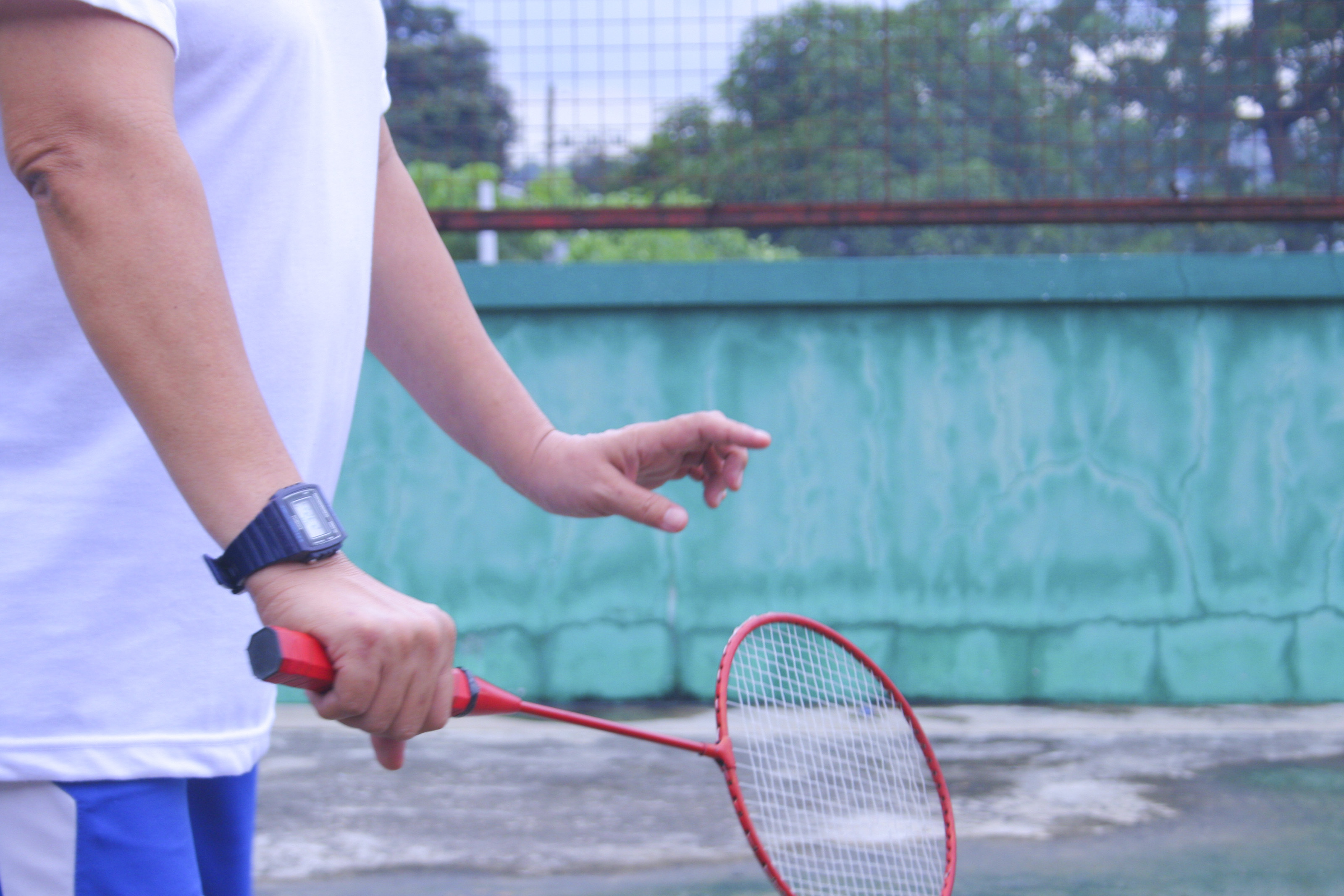
Most modern flick serves are hit with a backhand grip. Place your thumb along the wider bevel of the racket handle so it can press forward at the moment of contact. Hold the racket slightly higher on the grip for better control. You do not need a death grip. In fact, squeezing too early makes the serve stiff and obvious.
Your grip should feel relaxed before the hit, then tighten quickly at impact. That final thumb-and-finger squeeze is what creates the sudden “flick.” If your whole arm is doing all the work, the serve will look telegraphed and your opponent will start backing up before you even touch the shuttle.
Step 2: Use the Same Setup as Your Low Serve
The best flick serve looks like a low serve until the final split second. Stand in your normal serving position. Keep your body shape, racket position, and pre-serve rhythm consistent. If you lean backward, raise your elbow dramatically, or stare at the back line like you’re planning a secret mission, your opponent will know what is coming.
In doubles, many players serve from near the front and center of the service box. In singles, your position may vary depending on your style. Either way, the setup should look calm and repeatable. The receiver should not be able to read “flick” from your posture.
Step 3: Position Your Feet Correctly
Place your racket foot slightly forward or use a comfortable square stance, depending on your normal backhand serve. Both feet must stay inside the service court and remain in contact with the floor until you hit the shuttle. Avoid stepping on the boundary lines. In badminton, the line is not a friendly suggestion; during service, it can turn into a fault.
Your weight should be slightly forward, just as it would be for a low serve. This helps sell the deception. If your weight rocks backward before contact, the receiver gets an early warning.
Step 4: Hold the Shuttle by the Feathers
Hold the shuttle gently by the feathers with your thumb and index finger. Some players also use the middle finger for extra stability. Avoid gripping the cork tightly because it reduces control and can make the release awkward.
The cork should point slightly downward and toward the racket face, not straight at the floor and not sharply back toward your body. A poor shuttle angle can cause three common problems: hitting your fingers, sending the shuttle too flat, or popping it too high. None of those are fun, unless your opponent enjoys free snacks in the form of easy returns.
Step 5: Keep the Racket Close but Free
Set the racket behind the shuttle with enough room for a small backswing. Your racket face should be prepared to strike the cork cleanly. Keep your elbow relaxed and avoid lifting the shoulder. A flick serve is compact. It is not a golf swing, a baseball swing, or an emotional declaration of war.
A short, controlled racket preparation helps keep the serve deceptive. If your backswing is huge, the receiver will read it immediately. The goal is to make the flick serve look like your low serve, then create sudden speed with the thumb, fingers, and a crisp forearm action.
Step 6: Begin a Smooth Service Motion
Once the serve starts, the movement should continue forward. Do not pause between the backswing and forward swing. Keep the action clean, smooth, and legal. The racket should move through the shuttle in one continuous rhythm.
Many beginners try to “load up” for power by stopping the racket behind the shuttle, then exploding forward. That may feel powerful, but it risks a service fault and makes the serve easy to read. Instead, think of the motion as one compact wave: prepare, move, squeeze, recover.
Step 7: Use a Quick Thumb and Finger Squeeze
The power of the backhand flick serve comes from a sudden tightening of the fingers and thumb at impact. As the racket moves forward, squeeze sharply so the racket head accelerates through the shuttle. The action should feel short and snappy, not long and heavy.
Contact the base of the shuttle cleanly. The shuttle should rise quickly over the receiver and travel toward the back of the service court. You are not trying to send it into orbit. A flick serve that goes too high gives the opponent time to move back and attack. A flick serve that is too flat may get intercepted. The sweet spot is fast, high enough to pass over the receiver, and deep enough to pressure their rear court movement.
Step 8: Aim for Smart Targets
In doubles, the safest flick serve target is often deep and wide toward the back tramline of the receiver’s service court. This forces the receiver to move farther and can make their return weaker. Another useful target is deep toward the center line, especially if it challenges the receiver’s backhand side or creates confusion between partners.
In singles, you can flick toward the backhand rear corner or deep middle area, depending on your opponent’s stance. The key is not only depth but surprise. If the receiver is already standing far back, a flick serve becomes much less dangerous and may simply hand them an attacking opportunity.
Step 9: Recover Immediately
Your job is not finished when the shuttle leaves your racket. After the flick serve, recover into a ready position. Keep the racket up and prepare for three likely replies: a clear, a drop, or a smash. If the flick catches your opponent late, you may receive a weak clear and get a chance to attack. If the flick is too short, brace yourself, because the shuttle may come back with bad intentions.
In doubles, your partner should also be ready. Before using flick serves in a match, make sure your partner understands the plan. A surprise flick can confuse the receiver, but it should not also surprise your own teammate. Badminton partnerships already contain enough drama without accidental strategy bombs.
Common Flick Serve Mistakes and How to Fix Them
Mistake 1: Making the Serve Too Obvious
If you change your stance, raise your racket, or lean backward before flicking, the receiver will read the serve. Fix this by practicing your low serve and flick serve from the exact same starting position. Record yourself from the receiver’s angle if possible. The camera is brutally honest, but at least it does not smash your serve.
Mistake 2: Using Too Much Arm
A big arm swing reduces control and exposes your intention. Use a compact backswing and generate power with a quick grip squeeze. The flick should feel sharp and efficient.
Mistake 3: Hitting Too Flat
A flat flick serve is easy to intercept. Adjust the shuttle angle and racket face so the shuttle travels upward quickly. Remember, the serve must pass over the net and land in the correct service court if untouched.
Mistake 4: Flicking Too Often
The flick serve works because it is unexpected. If you use it every other point, it stops being clever and becomes a scheduled delivery. Use it sparingly, especially against fast receivers.
Mistake 5: Forgetting the Next Shot
A flick serve should set up the rally. Before serving, know what return you expect. If you flick wide, be ready for a straight drop or clear. If you flick down the middle, prepare for a rushed lift or flat reply.
Best Practice Drills for the Flick Serve
Drill 1: Low Serve and Flick Serve Pairing
Hit five low serves, then one flick serve, all from the same setup. Ask a partner to guess which serve is coming before contact. If they can guess correctly too often, your preparation is giving away clues.
Drill 2: Deep Target Challenge
Place targets near the rear corners of the service court. Try to land 20 flick serves within a racket length of the target. Track how many are legal, deep, and not too high. Quality matters more than raw power.
Drill 3: Serve Plus One
Serve a flick, then play the next shot. If your partner clears, attack with a drop or smash. If your partner drops, move forward and play a net shot. This teaches you to treat the flick serve as the start of a tactical pattern, not a lottery ticket.
When Should You Use a Flick Serve?
Use the flick serve when the receiver is leaning forward, crowding the short service line, or attacking your low serve early. It is also useful at key moments when you need to break the receiver’s rhythm. However, avoid using it when you are nervous and your technique feels shaky. Pressure has a funny way of turning “deceptive flick” into “shuttle lands somewhere near the snack table.”
Against tall, explosive players, your flick must be higher and deeper. Against slower players, you may not need as much speed, but you still need accuracy. Against experienced doubles players, use the flick as a tactical warning: “Respect my low serve, or I will make you run backward.”
Flick Serve Experience Notes: What Real Players Learn the Hard Way
The first experience most players have with the flick serve is humbling. You watch a skilled player do it, and it looks effortless: tiny motion, sudden pop, receiver scrambling backward like someone moved the floor. Then you try it yourself and either hit the net, hit your thumb, or launch the shuttle long enough to qualify for air traffic control. That is normal. The flick serve is simple in theory but surprisingly sensitive in practice.
One of the biggest lessons is that deception matters more than power. Many beginners think the flick serve should be blasted. In real games, the best flick often feels controlled rather than violent. The shuttle needs to travel fast enough to beat the receiver’s first step, but not so wildly that it sails out. A good practice habit is to start at 60 percent power and focus on clean contact. Once the direction and height are reliable, add speed gradually.
Another experience players quickly notice is that the flick serve changes the receiver’s attitude. Even one successful flick can make an aggressive opponent hesitate. Suddenly, they are not standing quite as close. They are not lunging quite as early. That tiny hesitation can make your low serve more effective. In this sense, the flick serve improves your entire service game, even when you are not using it.
It also teaches patience. In doubles, you may only use the flick serve a few times in a game. That can feel strange when you have practiced it for hours, but restraint is part of the skill. The serve is like hot sauce: fantastic in the right amount, questionable when poured over everything.
Players also learn that communication with a partner is essential. If you flick serve and your partner expects a low-serve exchange, both of you may be late for the next shot. Before matches, agree on basic patterns. For example, after a wide flick, the server may stay alert for the drop while the partner prepares for a lift or drive. Simple planning turns the flick serve from a surprise trick into a real doubles tactic.
Finally, the flick serve builds confidence because it gives you an answer to pressure. When a receiver keeps rushing your low serve, you no longer have to panic or serve higher and higher. You can stay calm, use the same setup, and flick deep at the right moment. Even if you do not win the point outright, you remind the opponent that the back court still exists. That reminder can be worth several points over a match.
Conclusion
Learning how to hit a flick serve in badminton is about more than adding a flashy shot. It is about building a smarter service game. Start with a reliable backhand grip, hold the shuttle cleanly, keep the same preparation as your low serve, use a compact motion, and create power with a quick thumb-and-finger squeeze. Aim deep, recover fast, and use the serve only when it has a tactical purpose.
The flick serve works best when it makes your opponent doubt themselves. If they rush forward, you can send the shuttle over them. If they wait back, your low serve becomes safer. That little mental tug-of-war is what makes badminton so beautifully annoyingand so much fun.