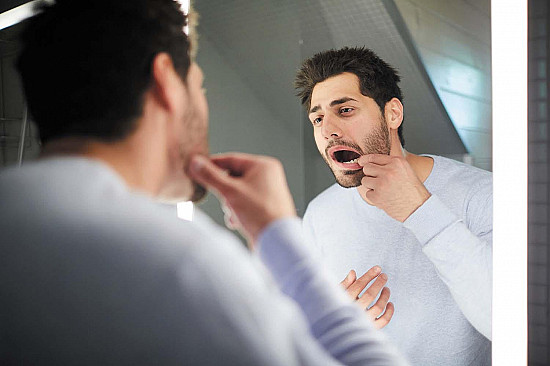
Bleeding gums have a sneaky way of turning an ordinary toothbrushing session into a tiny bathroom crime scene. It is tempting to blame an aggressive toothbrush, a sharp tortilla chip, or perhaps “sensitive gums” inherited from a distant relative. Often, however, redness, swelling, and bleeding are early warnings of gingivitisthe mildest form of gum disease.
The encouraging news is that plaque-related gingivitis can usually be reversed. At this stage, inflammation is limited mainly to the gums and has not yet destroyed the bone and connective tissues supporting the teeth. The less encouraging news is that ignoring it allows gingivitis to progress into periodontitis, a more serious condition that can cause permanent tissue damage, loose teeth, and tooth loss. In other words, your gums are sending a polite memo before they escalate the matter to upper management.
What Is Early Gum Disease?
Early gum disease is usually called gingivitis. It begins when dental plaque accumulates around the gumline. Plaque is a sticky film containing bacteria, food residue, and other substances. When it is not removed consistently, it irritates the gum tissue and triggers inflammation.
Fresh plaque can be removed with effective brushing and interdental cleaning. Plaque that remains in place may harden into calculus, commonly called tartar. Once tartar forms, a toothbrush cannot simply scrub it away, no matter how enthusiastically you attack it. A dentist or dental hygienist must remove it with professional instruments.
Gingivitis versus periodontitis
The difference between gingivitis and periodontitis is important. Gingivitis causes inflammation without the attachment loss and bone destruction associated with advanced periodontal disease. That is why early gingivitis is considered reversible.
Periodontitis develops when inflammation spreads beneath the gumline and damages the structures anchoring teeth in the jaw. Professional treatment can control periodontitis, slow its progression, and sometimes regenerate selected tissues, but lost bone and attachment do not simply grow back because someone bought a premium electric toothbrush on Tuesday.
How to Recognize Gingivitis Early
Gingivitis is frequently painless, which is one reason people overlook it. Healthy gums are generally firm, fit closely around the teeth, and do not bleed during gentle brushing or flossing.
Possible signs of early gum disease include:
- Red, darkened, or puffy gums
- Bleeding during brushing or interdental cleaning
- Gum tenderness or sensitivity
- Persistent bad breath or an unpleasant taste
- Visible plaque or hardened deposits near the gumline
- Mild soreness when chewing or brushing
Bleeding is common, but it should not be accepted as normal. Imagine if your elbow bled every morning when you put on a shirt. You probably would not shrug and say, “That is just what elbows do.” Gums deserve the same attention.
Signs that the problem may be more advanced
Receding gums, pus between the teeth and gums, deep periodontal pockets, loose teeth, new gaps, bite changes, or persistent pain may indicate periodontitis or another dental condition. A dentist may measure the spaces around the teeth and take X-rays to look for bone loss. These symptoms should not be managed solely with home remedies.
Can You Really Reverse Early Gum Disease?
Yeswhen inflammation is truly gingivitis and has not progressed into destructive periodontitis. Reversal usually requires two coordinated steps: removing existing plaque and tartar professionally when needed, and controlling new plaque every day at home.
A professional cleaning removes deposits from areas that toothbrush bristles and floss cannot adequately reach. The dental team may also identify defective fillings, crowded teeth, poorly fitting crowns, braces, or appliances that make plaque control difficult. Once these obstacles are addressed, consistent home care gives the gum tissue an opportunity to heal.
How long does healing take?
There is no universal countdown clock. Some people notice less bleeding and puffiness within several days of improved cleaning. More extensive inflammation may take a couple of weeks to settle after professional care. Mayo Clinic notes that healthy-looking gum tissue may return within days or weeks when patients follow their dentist’s recommendations. Harvard Health similarly reports that sensitive tissues may need up to two weeks to recover after treatment in more extensive cases.
Improvement does not mean the condition has received a lifetime eviction notice. Gingivitis can return whenever plaque control slips. Reversal is less like repairing a cracked windshield and more like keeping a kitchen counter clean: regular maintenance is the whole game.
A Practical Plan to Reverse Gingivitis
1. Schedule a dental examination and cleaning
If your gums bleed repeatedly, appear swollen, or have not improved despite careful cleaning, book a dental appointment. Your dentist can determine whether you have simple gingivitis, established periodontitis, tooth decay, an irritating restoration, a medication-related gum change, or another condition.
Professional treatment may involve ordinary scaling to remove tartar above the gumline. When deposits extend below the gums or deeper pockets are present, more thorough scaling and root planing may be recommended. The exact treatment depends on the diagnosis; not every pink spot requires a dramatic procedure with ominous background music.
2. Brush twice daily for two full minutes
Use a soft-bristled toothbrush and fluoride toothpaste. The American Dental Association recommends brushing twice a day for two minutes. Angle the bristles toward the gumline, apply gentle pressure, and use small circular motions rather than sawing aggressively from side to side.
Clean the outer, inner, and chewing surfaces of every tooth. Pay special attention to the back molars and the inside surfaces of the lower front teeth, where tartar often gathers. Brush the tongue as well, since it can harbor bacteria associated with unpleasant breath.
Hard brushing is not better brushing. Excessive force can irritate gums, wear tooth surfaces, and cause bristles to flatten before their time. A toothbrush is a cleaning tool, not a pressure washer.
3. Clean between the teeth every day
A toothbrush cannot thoroughly clean the contact areas between teeth. Daily interdental cleaning removes plaque from these hidden zones and along the gumline.
Traditional floss works well when used correctly. Ease it gently between the teeth, curve it into a C shape around one tooth, and slide it along the tooth surface slightly beneath the gumline. Repeat against the neighboring tooth. Avoid snapping floss directly into the gums.
People with braces, bridges, arthritis, limited dexterity, wide spaces, or a powerful dislike of string floss can consider:
- Interdental brushes
- Floss holders or pre-threaded flossers
- Water flossers
- Dental picks recommended by a dental professional
- Floss threaders for bridges or orthodontic appliances
The best tool is the one that safely fits your mouth and that you will actually use. A perfect device gathering dust in a drawer has approximately the same plaque-removing power as a decorative spoon.
4. Do not quit cleaning because the gums bleed
Inflamed gums may bleed when a previously neglected area is cleaned. Stopping altogether allows more plaque to accumulate and can prolong inflammation. Continue gently and consistently rather than scrubbing harder.
Bleeding that is heavy, spontaneous, persistent, or accompanied by bruising elsewhere should be discussed with a dentist or physician. Blood-thinning medicines, health conditions, and brushing injuries can also contribute, so bleeding should not automatically be self-diagnosed as gingivitis.
5. Use mouthwash as an assistant, not the team captain
An antimicrobial mouth rinse may help reduce plaque and gingivitis in people who need additional support. However, rinsing does not mechanically remove sticky deposits as effectively as brushing and interdental cleaning.
Some prescription rinses are intended for limited use because they may stain teeth, alter taste, or have other side effects. Ask your dentist which product is appropriate, especially if you have dry mouth, oral sensitivity, restorations, or ongoing periodontal treatment.
How to Prevent Early Gum Disease from Returning
Keep dental visits personalized
Regular examinations and professional cleanings help detect inflammation before obvious symptoms develop. The ideal interval is not identical for everyone. A person with excellent gum health may need a different schedule from someone who smokes, has diabetes, has a history of periodontitis, wears orthodontic appliances, or builds tartar quickly. The ADA recommends tailoring recall intervals to individual risk.
Avoid tobacco and nicotine exposure
Smoking is among the most important modifiable risk factors for periodontal disease. It can impair the body’s response to infection and make treatment less successful. Smoking may also reduce visible bleeding, which can disguise inflammation rather than prove that the gums are healthy.
Manage diabetes and dry mouth
Poorly controlled diabetes is associated with more frequent and severe gum disease. People with diabetes should maintain recommended blood glucose management, inform their dental team, and seek care when gums become red, swollen, or prone to bleeding.
Dry mouth can also make oral hygiene more difficult because saliva helps wash away debris and supports the mouth’s natural defenses. Medications, medical treatments, dehydration, and certain health conditions may reduce saliva. A dentist or physician can help identify the cause and recommend suitable products rather than relying on a parade of extra-strong mints.
Account for hormones, medicines, and dental appliances
Pregnancy, puberty, and other hormonal changes can make gums more reactive to plaque. Certain medicines may contribute to dry mouth or gum enlargement. Crooked teeth, braces, dentures, and poorly fitting dental work can create plaque traps. Tell your dentist about medications, pregnancy, medical diagnoses, and changes in your mouth so the prevention plan can be adjusted.
Support oral health with everyday food choices
A balanced diet supports normal immune function and tissue repair. Limit frequent sugary snacks and drinks, particularly products sipped slowly throughout the day. Drink water regularly and avoid assuming that “natural,” “organic,” or “made with real fruit” means invisible to oral bacteria. Bacteria are not impressed by marketing departments.
Common Mistakes That Keep Gingivitis Hanging Around
- Brushing only the visible front teeth: Plaque enjoys privacy and often accumulates behind lower teeth and around back molars.
- Flossing only before dental appointments: Gums can tell the difference between a daily habit and a 24-hour public-relations campaign.
- Using excessive pressure: Force does not compensate for poor angle, short brushing time, or missed surfaces.
- Depending entirely on mouthwash: Rinses are supplements, not substitutes for mechanical cleaning.
- Trying to scrape off tartar at home: Household tools can damage enamel and gum tissue. Hardened deposits require professional removal.
- Ignoring painless bleeding: Gingivitis may be quiet, but quiet does not mean harmless.
- Assuming all gum recession is reversible: Reduced swelling may make the gumline look different, but lost tissue requires professional evaluation.
When Should You See a Dentist?
Arrange a dental visit when bleeding continues for more than a week or two despite careful cleaning, or sooner if you have swelling, persistent bad breath, significant tenderness, gum recession, visible tartar, loose teeth, pus, or changes in your bite.
Seek prompt professional care for severe pain, facial swelling, fever, difficulty swallowing, or rapidly worsening symptoms. These signs may indicate an abscess or another infection rather than uncomplicated gingivitis.
Early evaluation is particularly important for people with diabetes, immune-system conditions, pregnancy, a history of periodontal disease, or medicines that affect bleeding, saliva, or gum tissue.
The Bottom Line
Early plaque-related gum disease can usually be reversed because gingivitis has not yet destroyed the bone and connective tissues supporting the teeth. Success depends on removing tartar professionally when necessary and controlling plaque every day with gentle two-minute brushing, interdental cleaning, appropriate dental visits, and management of personal risk factors.
Once gum disease advances to periodontitis, home care remains essential but is no longer enough by itself. The goal becomes controlling infection, protecting supporting tissues, and preventing further damage. Catching the problem while it is still gingivitis is therefore one of the best bargains in health care: a few minutes of daily cleaning can help prevent considerably more complicatedand expensivetreatment later.
A Realistic Experience: What Reversing Early Gum Disease May Feel Like
The following is an illustrative, composite experience based on common patterns described in clinical guidance. It is not a promise that every person will heal on the same schedule.
The wake-up call
A typical experience begins with a small clue: pink toothpaste foam, a metallic taste after flossing, or gums that look puffier than usual. The person may initially blame a new toothbrush and switch to an even softer one. The bleeding continues. They brush more cautiously, which unfortunately means they also brush less thoroughly. Plaque celebrates this strategic retreat by moving into the gumline rent-free.
After persistent bleeding and bad breath, the person schedules a dental examination. The hygienist identifies plaque, tartar, and generalized gingival inflammation but finds no major bone loss. That distinction brings relief: the condition appears to be gingivitis rather than advanced periodontitis, and there is a realistic opportunity to return the gums to health.
The professional cleaning
During the cleaning, tartar is removed from areas that felt rough or crowded. Some spots bleed because the tissue is inflamed. The procedure may feel uncomfortable, particularly around sensitive lower front teeth, but it should not be treated as punishment for failing an imaginary dental morality test. The purpose is simply to remove deposits that cannot be removed safely at home.
The hygienist demonstrates how to aim a soft toothbrush toward the gumline and how to guide floss against the side of each tooth. The person discovers that previous flossing consisted mostly of lowering string between two teeth and immediately pulling it back outtechnically an activity involving floss, but not particularly effective cleaning.
The first week at home
For the first few days, the gums may still bleed in neglected areas. The temptation to avoid those spots is strong. Instead, the person cleans them gently once a day, brushes for a timed two minutes morning and night, and resists the urge to apply more force.
Using a timer is unexpectedly revealing. What previously felt like a thorough brushing session turns out to have lasted approximately 43 seconds, including time spent staring at a phone notification. A full two minutes feels long at first, but dividing the mouth into four sections makes the routine manageable.
By the end of the week, bleeding may become less frequent. The gums feel less tender, and the toothbrush does not emerge looking as though it has participated in a low-budget horror film. Bad breath may also improve because plaque is being removed from between teeth and around the gumline rather than merely covered with mint flavor.
Weeks two through four
As the routine becomes consistent, swelling and redness may continue to decline. Flossing feels easier because the person has stopped snapping the floss and started curving it around each tooth. An interdental brush is used for a wider space near a back molar, while a water flosser helps around a fixed bridge.
The biggest challenge is no longer discomfortit is boredom. Gum health rarely provides dramatic daily applause. There are no fireworks when plaque is removed successfully. Progress appears through small changes: less bleeding, firmer tissue, fresher breath, and a cleaner feeling that lasts beyond breakfast.
The maintenance lesson
At a follow-up visit, the dental team may find healthier tissue and less bleeding. That does not mean the person is permanently immune to gingivitis. A stressful month, travel, illness, smoking, uncontrolled blood glucose, or a gradual return to rushed brushing can allow inflammation to reappear.
The lasting lesson is that reversing gingivitis is usually not about purchasing the fanciest device on the shelf. It is about correct technique, daily repetition, professional removal of tartar, and early attention to changes. The routine is not glamorous, but neither are swollen gums. Given the choice, two minutes with a toothbrush is an excellent trade.