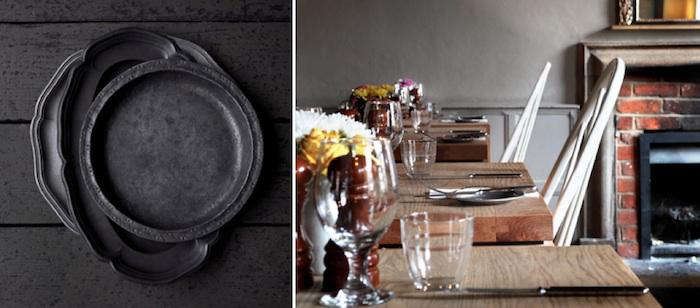
Rustic pewter dinner plates have a rare talent: they make even scrambled eggs look like they were served at a charming countryside inn where the bread is homemade, the beams are original, and someone named Nigel definitely knows how to polish a candlestick. Moody, weighty, silvery, and slightly imperfect, pewter-style tableware brings a sense of history to the table without shouting, “I bought a matching 64-piece set during a panic-scroll.”
The idea behind a High/Low rustic pewter dinner plates guide is simple: one version gives you the heirloom look with artisanal materials and a premium price tag; the other delivers the same atmospheric effect for far less money. Both can be beautiful. Both can make soup look important. The trick is knowing what you are actually buying: real pewter, pewter-finished metal, pewter-look stoneware, or a charger plate that should never meet a saucy meatball directly.
This guide breaks down the high-end and budget-friendly options, how to style them, what to watch out for with vintage pieces, and how to build a rustic table that looks collected rather than “accidentally inherited a medieval tavern.”
Why Rustic Pewter Dinner Plates Still Look So Good
Pewter has been associated with traditional dining for centuries, especially in European homes, inns, and taverns. Its appeal is not sparkle in the polished-silver sense. Pewter is softer, warmer, and more relaxed. It has a quiet gray glow that pairs beautifully with wood tables, linen napkins, candlelight, stoneware bowls, copper pans, and simple food.
That is the heart of the rustic pewter look: it feels useful, lived-in, and unpretentious. A glossy white porcelain plate says, “Welcome to dinner.” A rustic pewter plate says, “Welcome to dinner; the stew has opinions.”
The Color Advantage
Pewter sits between silver, charcoal, and warm gray. That neutral-but-interesting tone makes it easy to pair with many design styles:
- Farmhouse: Add wood boards, linen runners, iron candlesticks, and white ceramic bowls.
- French country: Pair pewter tones with toile, checked napkins, herbs, and weathered oak.
- Modern rustic: Use matte black flatware, sculptural glassware, and simple gray stoneware.
- Holiday tables: Layer pewter chargers under patterned plates with greenery, berries, and candlelight.
- Everyday casual: Combine pewter-look plates with oatmeal linen and clear bistro glasses.
Unlike bright silver, pewter does not need perfection. A little patina makes it better. This is wonderful news for anyone whose idea of polishing metal involves looking at it sternly and hoping for the best.
The “High” Option: Real Pewter and Artisan Tableware
The high-end version of rustic pewter dinner plates usually means genuine pewter or handmade pewter chargers. Premium examples are often crafted with a high tin content and a hand-finished surface. These pieces are not just tableware; they are atmosphere in object form. They feel heavy, look quietly luxurious, and instantly give a table that old-world inn quality.
In the high category, expect to pay significantly more per piece. Artisan pewter chargers and plates can cost many times more than mass-market ceramic plates. That price reflects material, craft, hand-finishing, imported production, and the fact that pewter is more niche than everyday stoneware. You are buying presence, not just a place to park chicken thighs.
Best For
Choose the high-end route if you love entertaining, collect heirloom-quality tabletop pieces, or want a few dramatic chargers rather than a full everyday dinnerware set. Pewter works especially well when used as a base layer under simpler plates. Four to eight pewter chargers can completely transform a table without requiring you to buy every bowl, mug, and cereal-adjacent vessel in the same finish.
What to Check Before Buying Real Pewter
Not all pewter is the same. Modern food-safe pewter is typically lead-free, but antique pewter may contain lead, especially older pieces made before modern safety expectations. That means vintage pewter plates are often better used decoratively unless a qualified source confirms they are food-safe.
Before buying, check for:
- Food-safe labeling: The seller should clearly state that the item is safe for serving food.
- Lead-free composition: This is especially important for modern pewter plates and chargers.
- Care instructions: Many pewter pieces should be hand washed and dried immediately.
- Use limitations: Some metal chargers are decorative and not intended for direct food contact.
- Acid sensitivity: Avoid leaving acidic foods on metal surfaces unless the manufacturer says it is safe.
In short: real pewter is gorgeous, but it deserves grown-up behavior. No dishwasher roulette. No microwave experiments. No tomato sauce sleepovers.
The “Low” Option: Pewter-Look Plates, Chargers, and Stoneware
The low option is where things get fun. You can create the rustic pewter dinner plate look without buying genuine pewter for every setting. The most practical budget choices include pewter-finish chargers, gray reactive-glaze stoneware, stainless-steel chargers with a pewter tone, or ceramic plates in smoky charcoal and warm gray finishes.
This is often the smarter route for real life. If your household includes children, clumsy adults, enthusiastic dishwashers, or that one guest who cuts salad like they are sawing lumber, pewter-look stoneware may be a better everyday choice.
Why Stoneware Is the Budget Hero
Stoneware has the tactile quality that rustic tables need. It is thicker and more relaxed than fine porcelain, and many modern stoneware plates are dishwasher- and microwave-safe. Reactive glazes can create the mottled, handmade look people love in rustic dinnerware. A gray, smoke, graphite, mushroom, or “stone” finish can mimic the mood of pewter while staying easier to maintain.
The key is to avoid anything too flat and plastic-looking. Rustic pewter style depends on movement: a slightly uneven rim, a satin glaze, a hand-applied patina, or a surface that changes under candlelight. If the plate looks like a gray office printer tray, keep walking.
Best Low-Cost Strategy
The easiest high/low formula is this: buy affordable pewter-look chargers and place everyday stoneware or white ceramic dinner plates on top. You get the visual depth of pewter without worrying about whether your lasagna is negotiating with a metal surface.
Another strong option is a gray stoneware dinner plate set. Use the plates every day, then dress them up with linen napkins, vintage flatware, and a centerpiece of herbs or branches when guests come over. It is budget-friendly, durable, and still looks intentional.
High vs. Low: Which Should You Choose?
| Feature | High: Real Pewter | Low: Pewter-Look Stoneware or Chargers |
|---|---|---|
| Look | Authentic, old-world, rich patina | Similar mood, more casual and flexible |
| Price | High per piece | Moderate to budget-friendly |
| Care | Usually hand wash; no microwave | Often dishwasher- and microwave-safe if ceramic |
| Food Safety | Must confirm lead-free and food-safe | Modern ceramic should still be purchased from reputable sellers |
| Best Use | Special dinners, chargers, heirloom collecting | Everyday meals, family use, casual entertaining |
If you want a few dramatic pieces for dinner parties, go high. If you want plates you can use on a Tuesday night while eating roasted vegetables and pretending not to check your phone, go low. If you want the best of both worlds, use real pewter or pewter-finish chargers under durable stoneware plates.
How to Style Rustic Pewter Dinner Plates
Rustic pewter dinner plates are not shy, but they are also not divas. They like company: texture, candlelight, natural materials, and a little contrast. The goal is a table that feels layered, not crowded. Think “country inn with excellent lighting,” not “prop room after an earthquake.”
1. Pair Pewter With Linen
Linen is pewter’s best friend. A flax, oatmeal, ivory, charcoal, or faded blue linen napkin softens the metal tone and keeps the table from feeling cold. For a casual look, knot the napkin and place it directly on the plate. For a formal look, fold it under the fork or thread it through a simple ring.
2. Add Warm Wood
Pewter can look chilly if everything around it is also gray. A wood table, bread board, walnut-handled flatware, or woven placemat adds warmth. Even a small wooden salt cellar helps. Rustic style works best when materials look like they came from the earth and then behaved nicely indoors.
3. Use White or Cream as a Break
White ceramic bowls, ivory candles, cream linen, or simple white serving platters prevent the table from becoming too dark. Pewter is dramatic; white gives it breathing room. This is especially helpful for holiday tables where greenery, red berries, and patterned linens already bring a lot of visual energy.
4. Mix Metals Carefully
Pewter looks beautiful with brass, iron, copper, and stainless steel, but moderation matters. Choose one accent metal and repeat it in small ways. Brass candlesticks, copper cookware on a sideboard, or blackened flatware can all work. Using every metal at once may make the table look like a hardware store got engaged.
5. Keep Centerpieces Low
Rustic pewter plates already create visual weight. Keep flowers, branches, or greenery low enough for conversation. Herbs in small jars, pears in a shallow bowl, eucalyptus down the center, or short taper candles all work beautifully. Nobody should have to move a decorative forest to ask for butter.
What Food Looks Best on Pewter-Style Plates?
Pewter-style dinnerware flatters hearty, colorful, unfussy food. Roast chicken, root vegetables, braised greens, crusty bread, mushroom pasta, grilled steak, lentils, winter salads, and apple tarts all look fantastic. The gray background makes warm food colors pop: golden potatoes, ruby beets, orange squash, green herbs, and creamy sauces.
If you are using real pewter, follow the manufacturer’s food-use guidance. If the pieces are chargers, place a food-safe plate on top. For antique pewter, use it as decor unless it has been verified safe for serving. For pewter-look stoneware, check whether the plates are microwave-safe, dishwasher-safe, oven-safe, and free of metallic decoration before using them casually.
Shopping Checklist for Rustic Pewter Dinner Plates
Before buying, ask a few practical questions. Pretty plates are wonderful. Pretty plates that fit in your cabinet and survive dinner are better.
- Size: A standard dinner plate is usually around 10 to 11 inches. Chargers are often larger, around 12 to 14 inches.
- Stackability: Thick handmade rims look beautiful but can hog cabinet space like tiny ceramic landlords.
- Weight: Real pewter and heavy stoneware can feel luxurious, but too much weight becomes annoying for daily use.
- Rim shape: A shallow rim helps contain sauces and grains.
- Finish: Satin, hammered, reactive, or hand-applied finishes look more rustic than flat gray.
- Care: Confirm dishwasher, microwave, and oven safety before buying.
- Replacement availability: If one plate breaks, can you buy another, or must you begin a dramatic estate-sale quest?
Care Tips: Keep the Rustic, Lose the Regret
For real pewter, hand wash with mild soap and warm water, then dry promptly with a soft cloth. Avoid abrasive pads, harsh detergents, and long soaking. Pewter is not a microwave material, and it generally should not be treated like stainless steel cookware.
For pewter-finish chargers, wipe clean unless the manufacturer says otherwise. Chargers are usually decorative base layers, not dinner plates. They protect the table visually and add dimension, but they may not be designed for direct contact with food.
For stoneware, follow the label. Many modern stoneware plates are dishwasher- and microwave-safe, but sudden temperature changes can still cause cracking. Do not take a plate from the fridge and put it into a hot oven unless the manufacturer specifically allows it. Thermal shock is real, and it has no respect for your tablescape.
High/Low Table Ideas You Can Copy
The Country Inn Dinner
Use pewter chargers, white stoneware plates, flax linen napkins, bistro glasses, and a centerpiece of rosemary, pears, and taper candles. Serve roast chicken, potatoes, and a green salad. This table says, “I cook with confidence,” even if the chicken came with very detailed instructions.
The Modern Rustic Supper
Choose charcoal stoneware plates, matte black flatware, clear ribbed glasses, and a simple linen runner. Add one sculptural branch arrangement and low candles. Keep the palette tight: gray, black, cream, and wood. The result feels modern, moody, and not at all like you tried too hard.
The Holiday Pewter Table
Layer pewter-look chargers beneath patterned dinner plates. Add evergreen sprigs, burgundy napkins, mercury glass votives, and simple cream candles. The pewter tone grounds the sparkle so the table feels festive rather than glitter-bombed by elves.
Common Mistakes to Avoid
First mistake: assuming all vintage pewter is food-safe. It is not. Older pewter may contain lead, so decorative use is the safest choice unless you have reliable testing or documentation.
Second mistake: buying chargers and using them as plates. A charger is a decorative underplate. Unless it is explicitly labeled food-safe, keep food on an actual dinner plate.
Third mistake: choosing a full pewter-gray table with no warmth. Gray plates, gray napkins, gray runner, gray walls, gray soupcongratulations, you have invented dinner inside a cloud. Add wood, cream, greenery, copper, or warm candlelight.
Fourth mistake: ignoring storage. Heavy plates with irregular rims may not stack neatly. Measure cabinet height before buying a large set.
500-Word Experience Section: Living With the Rustic Pewter Look
The first thing you notice about rustic pewter dinner platesor even convincing pewter-look platesis how quickly they change the mood of a meal. A plain white plate is useful and friendly, but a pewter-toned plate has a little theater. Put toast on it and suddenly breakfast has a backstory. Add a poached egg and you may start speaking softly about “the estate.” This is the magic of darker, patinated tableware: it frames food instead of disappearing behind it.
In real-life use, however, the best approach is usually not a full table of genuine pewter dinner plates. Real pewter is beautiful, but it asks for careful handling. It is better suited to special dinners, collected pieces, chargers, or serving moments where its character can shine. For everyday meals, pewter-look stoneware is more forgiving. It can usually handle the dishwasher, it is easier to replace, and it does not require every guest to receive a safety briefing before the salad course.
One of the most successful ways to use the look is to create layers. Start with a natural table surface if you have one. If not, use a linen tablecloth in oatmeal, ivory, or washed charcoal. Add a pewter charger or gray stoneware dinner plate, then soften it with a napkin in linen, cotton, or a subtle stripe. The softness matters. Pewter tones can look stern on their own, like they are about to judge your knife skills. Linen relaxes them.
The next layer is warmth. Rustic pewter loves candlelight because the finish catches a glow rather than a glare. It also pairs beautifully with food that looks abundant and earthy: roasted carrots, herbed potatoes, browned butter pasta, charred bread, braised short ribs, lentils, figs, pears, and anything with rosemary. A pewter-style plate makes humble food look intentional. This is useful when dinner is simple and extremely useful when dinner is late.
The look also works across seasons. In fall, add amber glasses, plaid napkins, gourds, and dark greenery. In winter, use evergreen, cream candles, cranberry tones, and maybe a little brass. In spring, lighten the table with pale blue napkins, white tulips, and clear glassware. In summer, pewter-style plates look surprisingly good with tomatoes, grilled corn, basil, and striped linens. The gray base makes bright produce look even brighter.
The biggest lesson from using rustic pewter dinner plates is that they do not need a perfect matching set. In fact, they often look better when mixed. Four pewter chargers, six white plates, a stack of gray bowls, inherited forks, and mismatched glassware can feel more personal than a box-fresh set where every piece is identical. The charm comes from the collected effect. Let the table look like it has lived a little. After all, the best dinner tables are not showrooms. They are places where bread gets torn, candles burn low, and someone always reaches for the last potato while pretending to be polite.
Final Verdict: The Smartest High/Low Choice
Rustic pewter dinner plates are worth considering if you want a table that feels warm, storied, and quietly dramatic. The high-end optionreal, lead-free, food-safe pewter or artisan pewter chargersdelivers unmatched character and heirloom appeal. The low optionpewter-look stoneware, gray reactive-glaze plates, or pewter-finish chargersdelivers most of the visual romance with far less maintenance.
For most homes, the best choice is a mix: invest in a few beautiful pewter or pewter-finish chargers, then pair them with durable everyday stoneware. You will get the rustic charm, the layered look, and the dinner-party compliments without needing to hand-polish your way through a nervous breakdown.
In the end, rustic pewter is not just a color or material. It is a mood: candlelit, relaxed, a little historic, and very good at making even weeknight dinner feel like an occasion.