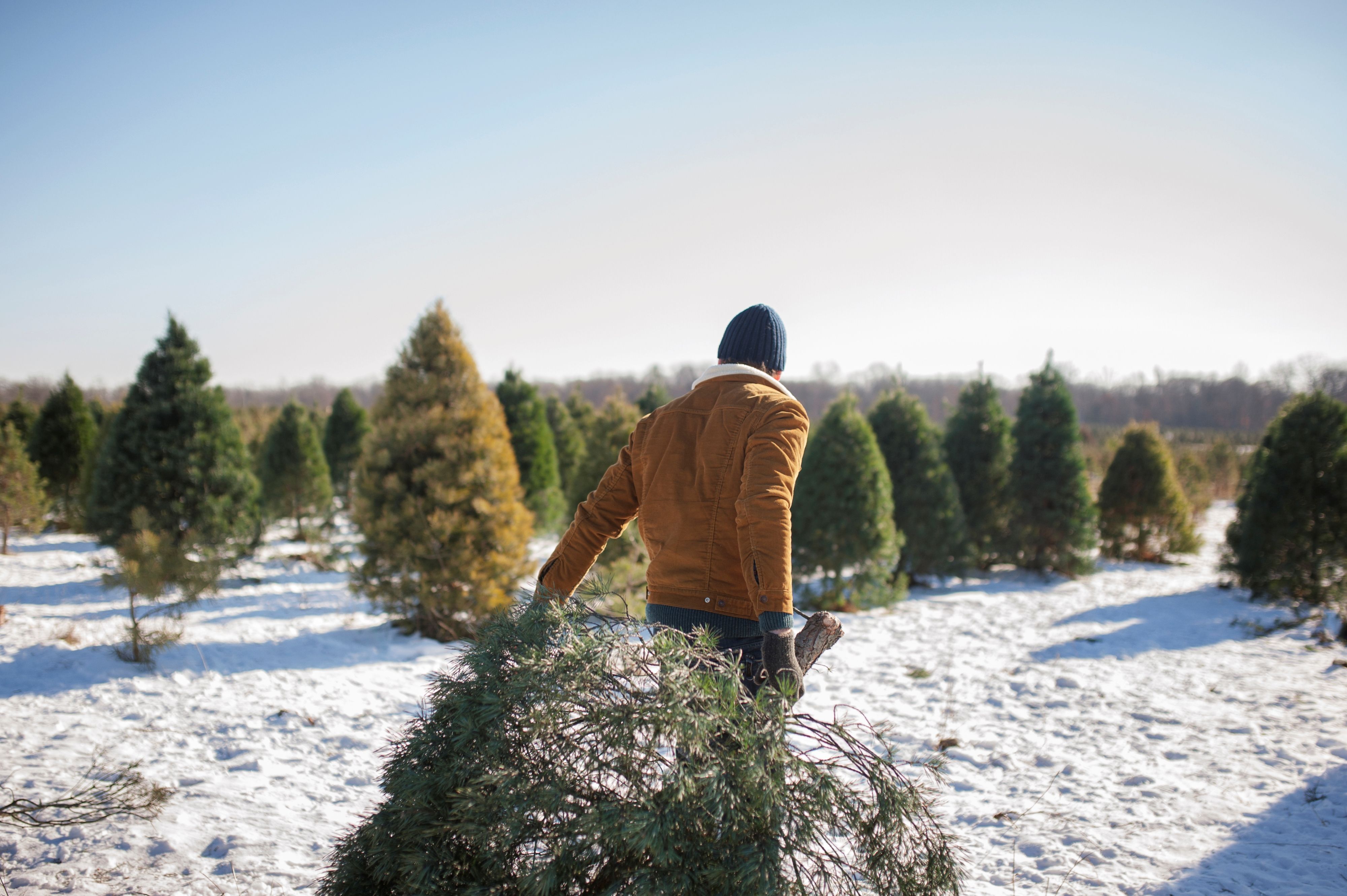
Nothing says “holiday spirit” quite like a fresh-cut Christmas tree standing proudly in the living room, smelling like a forest and making your storage closet wonder why it still exists. But there’s one annual question that sparks as much debate as pineapple on pizza: when should you actually set up a real Christmas tree so it still looks good all season?
The answer is not “whenever your holiday playlist first reaches Mariah Carey.” Timing matters. A fresh-cut Christmas tree is beautiful, fragrant, and gloriously festive, but it is also, in very technical terms, a cut tree in your house. It has a shelf life. Put it up too early and it may be crispy by Christmas. Put it up too late and you miss weeks of peak twinkle-time. The sweet spot depends on the tree species, how fresh it is when you buy it, and whether you treat it like a holiday centerpiece or a decorative houseguest with water needs.
If you want the short practical takeaway, here it is: for most households, the best time to set up a fresh-cut Christmas tree is around Thanksgiving weekend through the first week of December. That window gives most healthy, well-watered trees an excellent shot at staying green and attractive through Christmas Day. If you want it to look good into New Year’s, waiting until early December is usually the safer move. And if you’re the type who starts decorating before the mashed potatoes are even served, you’ll want a long-lasting variety and very consistent care.
Why Timing Matters More Than People Think
A fresh-cut Christmas tree does not suddenly become sad because the calendar flipped. It dries out gradually. How fast that happens depends on a few big factors: how recently it was cut, how much water it gets, what kind of tree it is, and where you place it indoors. In other words, the tree’s fate is part botany, part home setup, and part whether you remembered to fill the stand instead of just admiring the ornaments.
Most fresh-cut Christmas trees last about four to five weeks with proper care. Some stretch a bit longer. Some tap out earlier. If the tree was freshly harvested, got a fresh cut at the trunk, and never ran dry in the stand, it has a much better chance of staying soft, fragrant, and Instagram-friendly. If it sat on a hot retail lot for too long and then spent two days in your garage without water, well, that tree has already started filing complaints.
This is why setup timing should match your holiday goals. Ask yourself one question: Do I want my tree to look great through Christmas, or do I want it to last all the way into New Year’s? That answer tells you when to bring it inside.
The Best Time to Set Up a Fresh-Cut Christmas Tree
If you want it beautiful through Christmas Day
The safest and smartest window is Thanksgiving weekend through the first few days of December. This timing works well for most households because it lines up with the average lifespan of a properly cared-for real tree. You get several weeks of holiday magic without pushing the tree too far into the danger zone of brittle needles and heavy shedding.
For many families, the Friday after Thanksgiving or the first weekend of December is the Goldilocks zone: not too early, not too late, and just right for both the tree and your decorating enthusiasm.
If you want it to stay up through New Year’s
Wait until the first week of December, especially if your home runs warm, gets a lot of direct sun, or has a fireplace nearby. This gives you a better chance of keeping the tree fresh and hydrated through the full season. Real trees are festive, but they are not miracle workers. Asking one to look perfect from mid-November through January 2 is a lot like asking leftover stuffing to still taste restaurant-quality on day nine.
If you decorate very early
Yes, it can be done. But it takes strategy. If you like to put up your Christmas tree the week before Thanksgiving, choose a species known for strong needle retention and be diligent about care from day one. In this case, tree selection matters almost as much as timing. A longer-lasting fir or pine can handle early decorating far better than a species that dries more quickly.
Which Tree Varieties Last the Longest?
If your goal is to make a fresh-cut Christmas tree last all season, the type of tree matters. Not all evergreens age the same way. Some are marathon runners. Some are more like sprinters with pretty branches.
In general, Fraser fir is one of the best choices for long-lasting indoor display. It has excellent needle retention, a classic Christmas shape, and sturdy branches that can handle heavier ornaments without looking personally offended. Noble fir, Nordmann fir, Canaan fir, and Turkish fir are also often recommended for longer indoor life. White pine and Scotch pine are also solid picks if freshness and care are on your side.
On the other hand, some spruces can be gorgeous but may not hold needles as long indoors. That does not make them a bad choice. It just means they are better for people who decorate later or who don’t expect their tree to survive a six-week starring role in a heated living room.
If you are buying from a local lot and the species list sounds like a botanical spelling bee, ask a simple question: “Which trees here tend to last the longest indoors?” A good seller will know.
How to Pick a Fresh Tree That Will Go the Distance
The best setup date in the world cannot save a tree that was already half-dry when you bought it. Freshness starts at selection. Whether you buy from a tree farm, choose-and-cut operation, garden center, or neighborhood lot, look for signs that the tree is still well-hydrated.
Run your hand along a branch. The needles should feel pliable, not brittle. Gently tug on the needles. A fresh tree should keep most of them attached. Bounce the trunk lightly if the seller allows it; a few interior needles are normal, but a shower of outer needles is not a holiday blessing. Branches should bend and spring back rather than snap like dry breadsticks.
If possible, buy from a choose-and-cut farm or from a seller who can tell you when the tree was harvested. The fresher the tree when it comes home with you, the more flexibility you have on setup timing.
What to Do the Moment You Get It Home
This is where many people accidentally shorten the life of a real Christmas tree. They buy a beautiful tree, drive home feeling victorious, then leave it leaning in the yard while they “deal with it tomorrow.” The tree, meanwhile, begins plotting revenge through needle drop.
Here’s the smarter plan:
- Get the trunk into water as soon as possible. If the tree was not freshly cut within the last several hours, have the seller slice a bit off the bottom or make a fresh cut yourself before placing it in water.
- If you are not bringing it inside right away, store it in a cool, shaded place. A garage or sheltered outdoor area works well in many climates.
- Keep the cut end submerged. Even temporary storage should include a bucket of water.
That fresh cut matters because sap can seal the base and reduce water uptake. Once that happens, the tree’s drinking problem becomes the exact opposite of what you want.
How Much Water Does a Fresh-Cut Christmas Tree Need?
More than most people expect. A good rule of thumb is to use a stand that holds about 1 quart of water for every inch of trunk diameter. A seven-foot tree may drink surprisingly heavily during the first several days, especially right after setup. Think of it as the post-travel rehydration phase.
The most important rule is simple: never let the water level drop below the base of the trunk. If the cut end is exposed to air and dries out, the tree may form a seal that reduces water uptake. At that point, you’ve made life harder for yourself and for the tree.
Check the stand daily. Not “whenever I happen to walk by with coffee.” Daily. Some fresh trees can take in a lot of water at first, and the small decorative stand that looked cute in the store may turn out to have the hydration capacity of a teacup.
Do Christmas Tree Water Additives Actually Help?
This is where holiday folklore gets loud. Every year, somebody swears by sugar, aspirin, soda, bleach, floral food, or some family recipe that sounds like a chemistry fair project. But the best advice is wonderfully boring: plain water is enough.
You do not need to add fancy potions to make a tree last longer. In fact, many experts advise skipping additives altogether. Your tree is not a cocktail. It just needs a steady supply of fresh water and a stand large enough to hold it.
Also skip the old myths about drilling holes in the trunk, carving the base into a dramatic angle, or inventing a V-shaped cut like you’re auditioning for lumberjack theater. A clean, flat fresh cut and plenty of water are the real winners.
Where You Put the Tree Can Make or Break Its Lifespan
You could buy the freshest Fraser fir on Earth and still dry it out fast if you place it next to a fireplace, radiator, heating vent, or sunny window that turns your living room into a greenhouse with ornaments. Location matters.
Keep your tree at least 3 feet away from heat sources. That includes fireplaces, candles, radiators, space heaters, heat vents, and hot lamps. Warm, dry air speeds moisture loss, which means more needle drop, less fragrance, and a shorter display life. It also increases safety concerns as the tree dries.
LED lights are a smart choice because they give off less heat than old incandescent strands. And yes, turn the lights off when you go to bed or leave the house. The tree is festive, not a 24-hour performance installation.
One more practical tip: do not block an exit with the tree. Holiday décor should say “welcome,” not “fire code plot twist.”
A Simple Timeline That Actually Works
If you love examples more than vague advice, here’s a practical cheat sheet for when to set up a fresh-cut Christmas tree:
- Set up November 22 to November 28: Best only if the tree is very fresh, the species is long-lasting, and you plan to take it down shortly after Christmas.
- Set up Thanksgiving weekend: Ideal for most families who want a real tree that looks good through December 25.
- Set up December 1 to December 7: Best for people who want the tree to still feel lively through New Year’s.
- Set up after December 10: Totally fine if you decorate late, but you’ll lose some prime candle-cookie-photo-op time.
So, when should you set up a real Christmas tree? For most homes, late November to early December is the sweet spot. That’s the answer that balances freshness, beauty, safety, and maximum holiday enjoyment.
Signs Your Fresh-Cut Christmas Tree Is Drying Out
Even with the best care, every fresh-cut tree eventually starts waving the white flag. Watch for these signs:
- Needles become dry or brittle to the touch
- Branches droop and lose flexibility
- The tree stops taking up water
- Heavy needle drop appears on outer branches
- The usual fresh scent fades dramatically
Once your tree is clearly drying out, it is time to take it down. That’s not holiday defeat. That’s responsible tree management.
Conclusion: The Best Setup Window for a Fresh-Cut Christmas Tree
If your goal is a gorgeous, fragrant Christmas tree that lasts all season, the smartest move is to set it up around Thanksgiving weekend or during the first week of December. That timing gives most fresh-cut trees the best chance of looking beautiful through the holidays without turning into a brittle ornament rack.
If you decorate early, choose a long-lasting species like Fraser fir or noble fir and stay serious about watering. If you want the tree through New Year’s, wait a bit longer before bringing it inside. And no matter when you set it up, the rules that matter most are the same: start with a fresh tree, make a fresh cut, keep the stand full of plain water, and place the tree away from heat.
In other words, the secret is not some magical date hidden deep in holiday folklore. It is good timing plus good care. Which, frankly, is also the secret to surviving December in general.
Extra Experiences: What Real Life Teaches You About Making a Fresh-Cut Christmas Tree Last
Here’s the thing no one tells you when you first start buying a real Christmas tree: the tree becomes a tiny seasonal roommate. It needs water, attention, and a reasonable place to live. Ignore it for too long, and it starts dropping hints all over the floor. Literally.
People who swear they “always get a real tree” usually have a system, even if they don’t call it that. They know the stand has to be ready before the tree comes through the door. They know the tree should not sit in the driveway while everyone debates where the star topper went. They know the first few days are the hydration Olympics, when the tree drinks like it just finished a marathon.
One of the most common experiences people share is that the tree they cut themselves or buy directly from a farm tends to last better than the mystery tree that has been tied to a lot pole for who knows how long. That makes sense. Freshness at the beginning gives you breathing room later. A fresher tree forgives minor mistakes. A drier tree does not. A dry tree is basically the holiday equivalent of a phone battery stuck at 8 percent.
Another real-life lesson is that warm homes shorten the season fast. You may think your living room is “cozy.” Your tree may think it has been placed inside a stylish dehydration chamber. Homes with fireplaces, strong afternoon sun, or aggressive heat vents can turn a healthy tree into a shedding machine much faster than expected. People often discover this the hard way when one side of the tree looks perfectly fine and the other side looks like it has been emotionally through a lot.
Families with pets and kids also learn that placement matters for more than appearance. A tree tucked into a corner away from direct heat usually fares better than one parked in the main traffic lane where it gets bumped, brushed, climbed on, or investigated by a cat who thinks the lower branches were installed specifically for chaos.
Then there’s the watering reality. Almost everyone underestimates it the first year. They assume a little water in the stand is enough. Then they check the next day and the reservoir is practically empty. Veteran real-tree households tend to build watering into a routine: first coffee, then tree water; dinner cleanup, then tree water check. It sounds dramatic until you’ve had one tree dry out early and realized that five seconds of attention would have saved you two weeks of needle vacuuming.
There is also a surprisingly emotional part of the experience. A fresh-cut Christmas tree changes the feel of a home. The scent, the shape, the ritual of decorating it, the slightly crooked top branch everyone pretends is “charming” instead of crookedit all becomes part of the season. That is why people care so much about timing. They are not just asking how long a tree lasts. They are asking how to stretch that feeling of Christmas without turning the tree into a safety hazard by December 26.
And maybe that is the biggest real-world takeaway: the best tree setups are rarely about perfection. They are about matching expectations to reality. Buy fresh. Set it up at the right time. Water it faithfully. Keep it cool. Then enjoy it while it is at its best. Because a fresh-cut Christmas tree is not supposed to last forever. It is supposed to make the season feel a little brighter while it is here.