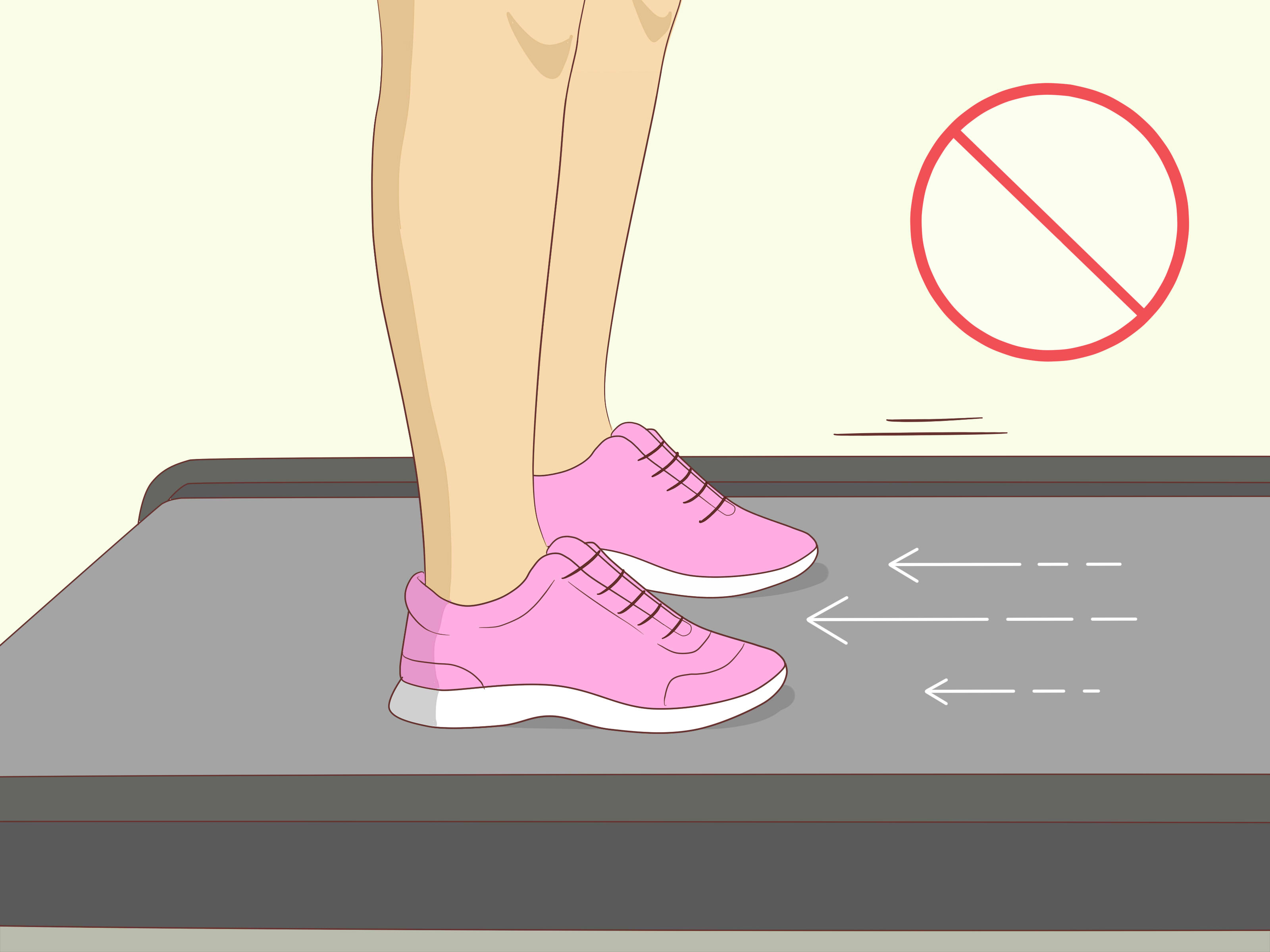
A treadmill is supposed to help you burn calories, not your skin. But one awkward stumble, one curious child touching a moving belt, or one “I can totally sprint at level 12” decision can turn a workout machine into a very rude sandpaper dragon. Treadmill burns are usually friction burns, which means the skin is damaged by fast rubbing against the moving belt. They can look like scrapes, road rash, raw patches, blisters, or shiny red areas that sting like they have a personal grudge.
The good news? Many minor treadmill burns can be treated at home with calm, clean, sensible care. The bad news? Some treadmill burns, especially on children’s hands, deep wounds, burns with embedded debris, or injuries that cross joints, need medical attention. This guide explains three practical ways to treat treadmill burns: immediate first aid, proper wound care, and smart recovery habits that help prevent infection and scarring.
Important note: This article is for general education only and is not a substitute for professional medical care. If the burn is deep, large, very painful, infected, on the face/genitals/hands/feet, caused in a young child, or not improving, contact a healthcare professional.
What Is a Treadmill Burn?
A treadmill burn is a type of friction burn. Instead of heat from fire or boiling water, the injury comes from skin rubbing quickly against the treadmill belt. That belt may look harmless while you are walking, but when skin meets it at speed, it can remove the top layer of skin in seconds. Think of it as road rash’s indoor cousin: same painful attitude, fewer motorcycles.
Treadmill burns often happen on the knees, elbows, palms, fingers, forearms, shins, or shoulders. Children are especially vulnerable because they may place their hands on or near a moving belt. Adults usually get treadmill burns after losing balance, stepping off awkwardly, trying to catch themselves, or exercising too close to the back of the machine.
Common Signs of a Minor Treadmill Burn
A minor treadmill burn may cause redness, stinging, tenderness, mild swelling, scraped skin, or a raw shiny surface. Some burns form small blisters. Others look like a scrape with tiny specks of bleeding. The area may feel hot or tight for the first day, then gradually become dry, itchy, or scabbed as it heals.
When a Treadmill Burn Is More Serious
Get medical care if the burn is deep, white, leathery, numb, larger than the palm of the injured person’s hand, heavily bleeding, filled with dirt that will not rinse out, or located over a joint where movement is difficult. You should also seek care for burns on the hands, feet, face, genitals, or for any treadmill burn in a baby or young child. Signs of infectionspreading redness, warmth, swelling, pus, worsening pain, red streaks, fever, or a bad smellalso deserve prompt attention.
Way 1: Cool and Clean the Burn Right Away
The first minutes matter. The goal is to stop the friction injury from getting worse, reduce pain, and lower the risk of infection. Resist the urge to panic. Also resist the urge to put butter, toothpaste, essential oils, or ice on the burn. Your skin is injured, not asking to become a baked potato.
Step 1: Stop the Treadmill and Move Safely
Turn off the treadmill immediately. If clothing, shoelaces, jewelry, or a towel is caught, avoid pulling forcefully against the injured skin. Move the person away from the belt and sit them down. If the injured person is a child, keep them calm and check both hands, because treadmill injuries often affect fingers and palms.
Step 2: Rinse With Cool Running Water
Hold the treadmill burn under cool running water for about 10 to 20 minutes. Cool water helps reduce pain and may limit further skin damage. Use coolnot icywater. Ice can damage already-injured tissue and may make the burn worse. If running water is not available, use a clean, cool, wet cloth and refresh it often.
Do not scrub the burn. Friction already did enough scrubbing for one day. Let the water gently rinse away sweat, belt dust, and loose debris. If visible dirt remains embedded in the wound after rinsing, medical care is a safer choice than aggressive at-home digging.
Step 3: Remove Tight Items Near the Burn
If the burn is near a ring, bracelet, watch, tight sleeve, sock, or shoe strap, remove the item before swelling begins. Do not remove anything stuck to the burn itself. If fabric has adhered to the wound, leave it in place and seek medical help.
Step 4: Gently Pat Dry
After cooling and rinsing, pat the area dry with clean gauze or a clean towel. Avoid rubbing. The skin may be tender and open, so treat it like something that has recently been insulted by gym equipmentwhich, technically, it has.
Way 2: Protect the Wound With Proper At-Home Care
Once the treadmill burn is cool and clean, the next goal is protection. A friction burn needs a clean, moist healing environmentnot air-drying until it cracks like desert clay. Proper dressing helps reduce pain, keeps germs out, and prevents clothing from sticking to the wound.
Apply a Thin Layer of Ointment
For a minor treadmill burn, apply a thin layer of petroleum jelly or an over-the-counter antibiotic ointment if appropriate for your skin. Petroleum jelly can help keep the wound moist and reduce sticking. If you use an antibiotic ointment, stop using it and contact a healthcare provider if you develop a rash, itching, or irritation, since some people are sensitive to topical antibiotics.
Aloe vera gel may soothe mild superficial burns, but choose a simple product without fragrance, alcohol, or glittery “spa magic.” Fragrance can sting, and glitter belongs on greeting cards, not open skin.
Cover With a Sterile Nonstick Dressing
Cover the burn loosely with sterile gauze or a nonstick bandage. Nonstick pads are especially helpful because regular gauze can attach to the wound and make dressing changes feel like a tiny medieval event. Secure the dressing with medical tape or a wrap, but do not make it tight. Swelling needs room.
Change the dressing daily or whenever it becomes wet, dirty, or loose. Wash your hands before and after touching the burn. If the bandage sticks, soak it with clean water or saline before removing it. Never rip it off like a dramatic movie scene.
Manage Pain and Swelling
Over-the-counter pain relievers such as acetaminophen or ibuprofen may help reduce discomfort. Follow the package directions and avoid medications that are unsafe for your age, health conditions, or other medicines. Elevating the injured area can also help reduce swelling, especially if the burn is on a hand, arm, foot, or leg.
Do Not Pop Blisters
If blisters form, leave them alone. A blister is the body’s natural protective bubble wrap. Popping it increases the risk of infection. If a blister breaks on its own, gently clean the area with mild soap and water, apply a thin layer of ointment, and cover it with a fresh nonstick dressing.
Watch for Infection
Check the treadmill burn every day. Some redness and tenderness are normal early on, but the wound should gradually improve. Call a healthcare professional if redness spreads, pain worsens, swelling increases, pus appears, the skin feels hot, a fever develops, or red streaks move away from the burn. These can be signs of infection.
Way 3: Support Healing and Prevent Scarring
Treating a treadmill burn does not end after the first bandage. The recovery stage matters, especially if the burn is on a joint, hand, knee, elbow, or foot. Good aftercare can help the skin heal more comfortably and may reduce long-term tightness, discoloration, and scarring.
Keep the Area Moist and Covered While It Heals
Minor treadmill burns often heal better when they are kept lightly moist and protected. Continue using clean dressings until the wound is closed and no longer draining. Once new skin forms, it may look pink, shiny, or darker than the surrounding skin. That fresh skin is delicate, so do not rush back to friction-heavy activity.
Move Carefully, Especially Around Joints
If the burn is near a finger, wrist, elbow, knee, or ankle, gentle movement may help prevent stiffness. Do not force painful stretches, but do not keep the area completely frozen either unless a clinician tells you to. Children with treadmill burns on the hands should be evaluated because deeper friction burns may affect movement and healing.
Protect New Skin From Sun
Newly healed skin can darken more easily in the sun. Once the wound is fully closed, protect the area with clothing or broad-spectrum sunscreen. Do not apply sunscreen to an open wound. Sun protection is especially important for several months after healing if you want the mark to fade more evenly.
Do Not Pick Scabs
Picking scabs slows healing and increases the chance of scarring. It is tempting, especially when the wound starts itching, but leave the scab alone. If itching is bothersome after the skin has closed, a fragrance-free moisturizer may help. For open or draining areas, stick with wound care guidance from a healthcare professional.
Know When Healing Is Taking Too Long
A small superficial treadmill burn may improve within a few days and heal within one to two weeks. Deeper burns can take longer. If the wound is not improving after several days, is still open after two weeks, or seems to be getting worse instead of better, get medical advice. Delayed healing can increase the risk of infection and scarring.
What Not to Put on a Treadmill Burn
Some home remedies are famous because they are old, not because they are good. Avoid putting butter, cooking oil, toothpaste, hydrogen peroxide, alcohol, baking soda paste, or undiluted essential oils on a treadmill burn. These can irritate tissue, trap heat, delay healing, or increase infection risk.
Also avoid adhesive bandages directly over a raw open burn if the sticky part might touch the wound. Use a nonstick pad under the dressing. Your future self will thank you during bandage changes.
How to Prevent Treadmill Burns in the Future
The best treadmill burn is the one that never gets a chance to audition. Use the safety clip every time you run or walk. Keep children and pets away from the treadmill, especially when it is moving or plugged in. Leave space behind the machine so a stumble does not pin you against a wall. Wear proper shoes, tie laces securely, and start at a manageable speed.
If you are tired, distracted, or testing a dramatic sprint you saw online, lower the speed. Fitness confidence is great. Flying backward into a laundry basket is less great.
Special Concern: Treadmill Burns in Children
Children can suffer serious treadmill friction burns, especially to the hands and fingers. These injuries may look small at first but can be deeper than expected. Because children’s hands are still growing and because scars can limit motion, pediatric treadmill burns should be taken seriously. If a child’s hand touches a moving treadmill belt, it is wise to contact a pediatrician, urgent care center, or burn specialist for guidance.
Prevention is critical. Unplug the treadmill when not in use, store the safety key separately, fold or lock the machine if possible, and never allow children to play near it. A treadmill is exercise equipment, not a ride, toy, fort, or conveyor belt for stuffed animalsno matter how strongly the stuffed animals lobby for it.
of Real-Life Experience: What Treating a Treadmill Burn Feels Like
Anyone who has had a treadmill burn knows the first reaction is usually a mix of pain, surprise, and wounded pride. One second you are exercising like a responsible adult, and the next you are negotiating with gravity while the treadmill belt continues its villain origin story. The injury may look like “just a scrape,” but the sting can be impressive. Friction burns have a sharp, hot, raw feeling that seems to announce itself every time clothing brushes the skin.
A common experience is underestimating the burn at first. Many people rinse quickly, slap on a bandage, and assume everything is fine. Then, a few hours later, the wound starts throbbing or sticking to fabric. That is usually the moment when proper wound care becomes less optional. Cooling the area long enough, using a nonstick dressing, and keeping the wound moist with a thin protective layer can make a huge difference in comfort.
Another lesson people learn quickly: location matters. A treadmill burn on the knee can crack every time you bend your leg. A burn on the palm can make ordinary tasksopening a jar, typing, washing dishesfeel like tiny obstacle courses. If the burn is near a joint, gentle movement and thoughtful bandaging are important. Too tight a wrap can make movement uncomfortable, while no protection at all can lead to repeated rubbing and delayed healing.
Bandage changes are often the most dreaded part. The best trick is patience. Wash your hands, moisten any stuck dressing, and remove it slowly. A nonstick pad is worth every penny because it prevents the “why did I do this to myself?” moment. Keeping supplies togethergauze, nonstick pads, medical tape, ointment, and clean scissorsalso makes daily care easier. Nobody wants to search for bandages while holding one elbow in the air like a confused flamingo.
Itching is another normal but annoying stage. As the skin heals, it may feel tight, dry, or tickly. This is where people get tempted to pick scabs. Do not. Picking may reopen the wound and increase scarring. Once the skin has closed, fragrance-free moisturizer can help soften the area. Before it closes, stick to clean wound care and dressings.
The emotional side is real too. Treadmill burns can make people nervous about getting back on the machine. That is understandable. When you return, start slowly. Use the safety clip. Keep both hands free. Avoid distractions like texting, turning around, or watching a show so dramatic that you forget your feet are moving. A treadmill should support your health, not become a recurring episode of “Fitness Equipment Fights Back.”
The biggest takeaway from real-world experience is simple: treat the burn early, keep it clean, protect it from friction, and do not ignore warning signs. Most minor treadmill burns heal well with steady care. But if pain, redness, swelling, or drainage gets worse, it is better to ask a healthcare professional than to hope your skin magically solves everything overnight.
Conclusion
Treadmill burns are painful, inconvenient, and occasionally embarrassing, but many minor cases can be managed with three smart steps: cool and clean the injury, protect it with proper wound care, and support healing while watching for infection. The key is to treat the burn like a real wound, not a workout souvenir. Use cool water, avoid ice and strange kitchen remedies, cover the area with a clean nonstick dressing, and get medical care when the burn is deep, infected, slow to heal, or involves a child’s hand.
With the right care, most minor treadmill burns improve steadily. And next time you step on the treadmill, clip on the safety key, start at a reasonable speed, and remember: the goal is to outrun stress, not donate skin to the belt.