Note: This article is written as original, publish-ready web content based on widely accepted American cooking and food-safety guidance, including safe internal temperatures for ground meat, common meatloaf baking methods, glaze techniques, and practical kitchen-tested tips.
Meatloaf is supposed to be cozy, juicy, and dependablethe dinner equivalent of a sweater that has survived three decades and still gets compliments. But when the top comes out pale, wet, or mushy instead of firm, browned, and slightly caramelized, the whole loaf feels like it gave up halfway through the assignment.
The good news? You do not need fancy equipment or culinary-school wizardry to harden the top of meatloaf. You need surface exposure, the right glaze timing, smart moisture control, and a little heat strategy. In other words, you need to help your meatloaf stop steaming like a spa towel and start browning like dinner.
This guide explains how to create a firmer, tastier meatloaf top without drying out the inside. We will cover why the top stays soft, how to bake meatloaf uncovered, when to apply glaze, how to use the broiler safely, and what toppings create the best crust. Whether you like classic ketchup glaze, barbecue-style topping, or a savory breadcrumb crust, these methods will help you get a meatloaf top that slices cleanly and tastes like comfort food with a little confidence.
Why the Top of Meatloaf Stays Soft
Before fixing the problem, it helps to understand why meatloaf tops turn soggy in the first place. Most of the time, the issue is not the recipe itself. It is moisture management.
Too Much Steam Is Trapped Around the Loaf
Meatloaf releases juices as it cooks. If it is baked in a tight loaf pan, those juices collect around the sides and bottom. The top may still cook, but the environment around the loaf becomes steamy. Steam softens the surface and prevents browning. A covered meatloaf has the same problem. Foil can be useful if the top is browning too quickly, but if you keep the loaf covered for most of the cook time, do not expect a firm crust.
The Glaze Goes On Too Early or Too Thick
A sweet ketchup glaze is classic, but too much sauce applied at the beginning can stay wet instead of turning sticky. Sugar needs heat and time to caramelize, but a thick layer of sauce can act like a blanket. The result is a shiny, soft top rather than a tacky, firm finish.
The Meat Mixture Is Too Wet
Milk, eggs, ketchup, Worcestershire sauce, sautéed vegetables, and soaked breadcrumbs can all improve texture. But too much liquid makes the loaf loose. When excess moisture rises during baking, it can keep the top from setting properly.
The Oven Temperature Is Too Low for Browning
Meatloaf is often baked at 350°F, which works well for cooking the center gently. However, if you want a hardened top, you may need a hotter finish. A short blast at 425°F or a careful broil at the end can help tighten and caramelize the surface.
The Best Way to Harden the Top of Meatloaf
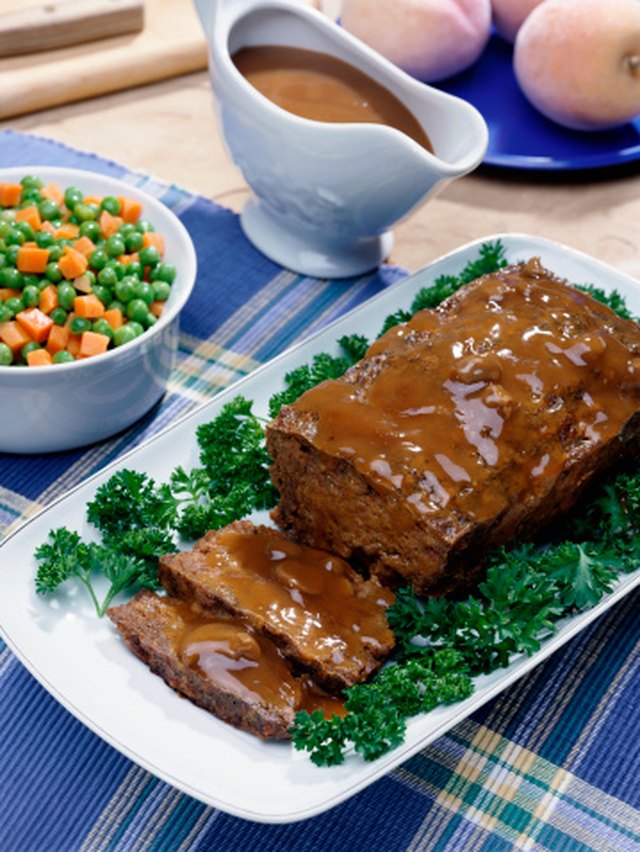
The best method is simple: bake the meatloaf uncovered, shape it free-form on a baking sheet, apply glaze in layers, and finish with higher heat. This gives the top direct exposure to dry oven heat, allowing the surface to firm, brown, and develop flavor.
Use a Baking Sheet Instead of a Loaf Pan
If your goal is a firmer top and better crust, a free-form meatloaf is your friend. Shape the meat mixture into a loaf and place it on a rimmed baking sheet lined with foil or parchment. This exposes more surface area to heat, which encourages browning on the top and sides.
A loaf pan creates a neat shape, but it also traps juices. If you love the tidy look of pan-baked meatloaf, you can still get a better top by draining excess liquid halfway through cooking and finishing uncovered. But for the firmest, most flavorful crust, the sheet-pan method wins.
Bake Uncovered
To harden the top of meatloaf, bake it uncovered for most or all of the cooking time. Covering traps steam. Steam is wonderful for dumplings and sad for crust. If the top gets too dark before the center reaches a safe temperature, loosely tent it with foil only near the end.
Apply Glaze in Thin Layers
Instead of dumping all the glaze on at once, brush on a thin layer during the first part of baking, then add another layer near the end. Thin layers set faster and become sticky instead of soupy. For a firmer glaze, use ingredients that caramelize well, such as ketchup, brown sugar, tomato paste, barbecue sauce, honey, or a small amount of mustard.
Finish With High Heat
Once the meatloaf is nearly done, raise the oven temperature to 425°F for 5 to 10 minutes. You can also use the broiler for 1 to 3 minutes, but watch closely. A sugar-based glaze can go from beautifully lacquered to “call the smoke alarm by its first name” very quickly.
Step-by-Step: How to Get a Firm Meatloaf Top
Step 1: Choose the Right Meat Blend
For classic beef meatloaf, 80/20 or 85/15 ground beef works well. Meat that is too lean can become dry, while meat that is too fatty can release too much grease. A blend of beef and pork can create a tender loaf with good browning. Ground turkey can also work, but because poultry is leaner, it benefits from a flavorful glaze and careful temperature monitoring.
Step 2: Balance the Binder
Breadcrumbs, crushed crackers, oats, or panko help hold meatloaf together. Eggs bind the mixture, while milk or broth adds moisture. The key is balance. If the mixture looks wet enough to slump flat, add a small handful of breadcrumbs. If it looks dry and crumbly, add a tablespoon or two of milk. The goal is a loaf that holds its shape without feeling packed like a brick.
Step 3: Shape the Loaf by Hand
Shape the meatloaf into a mound about 8 to 9 inches long and 4 to 5 inches wide. Avoid pressing too hard. Overpacked meatloaf can become dense, and dense meatloaf does not release steam as evenly. A gently shaped loaf cooks better and gives the top a chance to firm naturally.
Step 4: Bake on a Rack or Sheet Pan
For an even firmer exterior, place the loaf on a wire rack set inside a rimmed baking sheet. The rack allows fat and juices to drip away instead of pooling around the meat. If you do not have a rack, use a foil-lined baking sheet and shape the loaf free-form.
Step 5: Start Baking at 350°F
Bake the meatloaf at 350°F until it is mostly cooked through. For a 2-pound meatloaf, this usually takes about 45 to 60 minutes, depending on shape and oven accuracy. Use a food thermometer instead of guessing. Ground beef, pork, veal, and lamb should reach 160°F. Ground poultry should reach 165°F.
Step 6: Add a Second Glaze Layer Near the End
When the meatloaf is about 10 to 15 minutes from done, brush on a fresh, thin layer of glaze. This final coating gives the top that glossy, sticky, slightly firm finish. If you want an even harder top, use less ketchup and add tomato paste or brown sugar to thicken the glaze.
Step 7: Increase Heat or Broil Briefly
Raise the oven to 425°F for the final 5 to 10 minutes, or broil the meatloaf for 1 to 3 minutes. Keep the oven door cracked slightly if your broiler requires it, and do not walk away. This is the moment when the top hardens, the sugars caramelize, and your meatloaf starts looking like it belongs on a dinner table instead of hiding under mashed potatoes.
Step 8: Rest Before Slicing
Let the meatloaf rest for 10 minutes before slicing. Resting helps juices redistribute and allows the top to settle. Cutting too soon can release steam and liquid, softening the crust you just worked so hard to create.
Best Glazes for a Hardened Meatloaf Top
A good meatloaf glaze should be flavorful, spreadable, and able to set under heat. Here are a few reliable options.
Classic Ketchup Brown Sugar Glaze
Mix 1/2 cup ketchup, 2 tablespoons brown sugar, 1 tablespoon mustard, and 1 teaspoon Worcestershire sauce. This glaze is sweet, tangy, and traditional. For a firmer top, simmer it for 2 to 3 minutes before brushing it onto the loaf.
Tomato Paste Glaze
Combine 3 tablespoons tomato paste, 2 tablespoons ketchup, 1 tablespoon brown sugar, and 1 teaspoon vinegar. Tomato paste makes the glaze thicker, which helps it set faster and create a more concentrated topping.
Barbecue Meatloaf Glaze
Use 1/2 cup barbecue sauce mixed with 1 tablespoon brown sugar and 1 teaspoon mustard. This creates a smoky, sticky crust. Choose a thicker barbecue sauce if you want the top to harden well.
Breadcrumb Crust
If you prefer a savory crust instead of a glossy glaze, sprinkle the top with panko breadcrumbs mixed with melted butter, grated Parmesan, garlic powder, and parsley. Add this topping during the last 15 minutes of baking so it browns without burning.
Common Mistakes That Prevent a Firm Meatloaf Top
Using Too Much Liquid
A splash of milk is helpful. A small pond is not. If your recipe includes milk, ketchup, eggs, sautéed vegetables, and broth, reduce one of the liquids or add more breadcrumbs. The meat mixture should feel moist but not loose.
Covering the Meatloaf Too Long
Foil traps steam. If you want a firm top, leave the loaf uncovered. Only use foil if the top is browning too quickly while the center still needs more time.
Applying a Watery Sauce
Thin sauce slides off the loaf and stays wet. Thicken glaze by simmering it briefly or adding tomato paste, brown sugar, or a spoonful of barbecue sauce.
Skipping the Resting Time
Resting is not optional unless you enjoy watching your meatloaf collapse like a tiny beef landslide. Give it 10 minutes. The top firms, the juices settle, and the slices look cleaner.
Quick Troubleshooting Guide
| Problem | Likely Cause | Best Fix |
|---|---|---|
| Top is pale | Not enough direct heat | Finish at 425°F or broil briefly |
| Top is wet | Too much glaze or steam | Use thinner glaze layers and bake uncovered |
| Top burns before center cooks | Heat too high too early | Bake at 350°F first, then glaze and brown at the end |
| Loaf falls apart | Not enough binder or no rest time | Add breadcrumbs and eggs; rest before slicing |
| Top is greasy | Meat too fatty or pan traps grease | Use 80/20 or 85/15 beef and bake on a rack or sheet pan |
How to Make the Top Hard Without Drying the Meatloaf
The secret is to harden only the surface. You do not want to bake the entire loaf until it becomes firm all the way through. That is how you get dinner that tastes like a damp newspaper wrapped in beef.
Keep the inside juicy by using enough binder, avoiding overmixing, and cooking to the correct internal temperature. Then focus the browning at the end. A higher-heat finish creates surface texture while protecting the center from overcooking.
Also, do not confuse “hard” with “burnt.” The goal is a set, browned, caramelized top that has some resistance when sliced. It should not be blackened, bitter, or so tough that your knife files a complaint.
Can You Harden the Top After Meatloaf Is Already Cooked?
Yes. If your meatloaf is fully cooked but the top is still soft, brush it with a thin layer of thick glaze and place it under the broiler for 1 to 3 minutes. You can also put it in a 425°F oven for 5 to 8 minutes. This works best if the meatloaf has rested and excess moisture has been drained from the pan.
If the top is very wet, blot it gently with a paper towel before adding glaze. Then use high heat to set the surface. Do not keep baking for too long, or the inside may dry out.
Flavor Ideas for a Better Meatloaf Crust
Sweet and Tangy
Use ketchup, brown sugar, mustard, and apple cider vinegar. This is the classic diner-style meatloaf topping: nostalgic, sticky, and always welcome.
Smoky and Bold
Use barbecue sauce, smoked paprika, Worcestershire sauce, and a little hot sauce. This version works especially well with beef and pork meatloaf.
Italian-Style
Use tomato paste, marinara, Parmesan, Italian seasoning, and panko. Add the panko near the end for crunch.
Spicy Glaze
Mix ketchup with chili sauce, sriracha, or chipotle powder. A little heat balances the richness of the meat and makes the crust more exciting.
Food Safety Matters
A browned top does not automatically mean the meatloaf is safe to eat. Always check the center with an instant-read thermometer. Ground beef, pork, lamb, and veal should reach 160°F, while ground chicken or turkey should reach 165°F. Insert the thermometer into the thickest part of the loaf, avoiding the pan or baking sheet.
Color is not reliable. A meatloaf can look brown and still be undercooked inside, especially if it is thick. A thermometer is the difference between confident cooking and dinner roulette.
Kitchen Experience: What Actually Works When You Want a Firmer Meatloaf Top
After making meatloaf in different pans, with different toppings, and for different kinds of eaterssome who love crispy edges and some who believe ketchup is a personality traitthe most reliable lesson is this: the top hardens when moisture has somewhere else to go. That sounds obvious, but it changes everything.
The first time I moved meatloaf from a loaf pan to a rimmed baking sheet, the difference was almost rude. The same basic recipe suddenly had browned edges, a firmer top, and better flavor. Nothing magical had happened. The loaf simply stopped sitting in its own juices. More surface area touched hot air, and the glaze had space to thicken instead of steam.
Another useful experience is learning not to glaze too aggressively at the beginning. A thick layer of sauce looks promising when it goes into the oven, but it often stays soft. The better approach is patience. Brush on a modest layer early, let it bake, then add a second layer near the end. That final layer is the one that turns shiny and sticky. It is like painting a fence: one giant sloppy coat rarely beats two controlled coats.
The broiler is also helpful, but it demands respect. A broiled meatloaf top can become beautifully caramelized in less than two minutes. It can also burn while you are checking one text message. When using the broiler, keep your eyes on the loaf. Move the pan lower if the glaze darkens too fast. If the glaze contains a lot of sugar, expect rapid browning.
One of the most underrated tricks is thickening the glaze before it touches the meatloaf. Simmering ketchup, brown sugar, mustard, and Worcestershire sauce for just a few minutes gives it a better texture. It clings instead of running. A spoonful of tomato paste helps even more. This is especially useful if your family likes a bold, tomato-rich top that slices cleanly.
For people who dislike sweet glaze, a breadcrumb topping is a great alternative. Panko mixed with a little melted butter and Parmesan gives the loaf a crisp, savory cap. The key is timing. Add it too early, and it may overbrown. Add it in the last 15 minutes, and it turns golden while the meatloaf finishes cooking. This topping is excellent for leftover meatloaf sandwiches because it adds texture even after refrigeration.
Resting the loaf is another lesson learned the messy way. If you slice immediately, steam escapes, juices run, and the top softens. Ten minutes on the counter makes a noticeable difference. The loaf becomes easier to cut, the glaze settles, and the top holds its shape. It may feel like waiting forever when everyone is hungry, but it is worth it.
The biggest practical takeaway is that a firm meatloaf top is not about cooking the loaf longer. It is about cooking smarter. Shape it free-form, avoid excess moisture, glaze in layers, finish hot, and rest before slicing. Do that, and your meatloaf will have the kind of top people noticethe sticky, browned, slightly crisp part that mysteriously disappears from the serving platter first.
Conclusion
To harden the top of meatloaf, focus on dry heat, smart glaze timing, and moisture control. Bake the loaf uncovered, use a sheet pan or rack when possible, apply glaze in thin layers, and finish with high heat or a quick broil. Keep the inside juicy by avoiding overmixing and checking the internal temperature with a thermometer. The result is a meatloaf with a firm, flavorful top and a tender centerthe comfort-food jackpot.