Light bulbs have gotten smarter, brighter, and far less likely to burn out while you are trying to find matching socks in a dark closet. But every bulb eventually reaches its dramatic final flicker. The tricky part is that “light bulb” is not one disposal category. A burned-out incandescent, a spiral CFL, an LED, and a long fluorescent tube may all look like members of the same lighting family, but they need very different exits.
The safest rule is simple: identify the bulb before tossing it. Some bulbs can go into household trash when wrapped safely. Others contain mercury or electronic components and should be recycled through a household hazardous waste program, participating retailer, or specialty recycler. Sending the wrong bulb to the wrong bin can create a mess, damage recycling equipment, or release materials that should have stayed contained.
Note: Disposal rules vary by state, county, and waste provider. This guide explains common U.S. practices, but always confirm local requirements before making a special trip or putting bulbs in the trash.
Start by Identifying the Type of Light Bulb
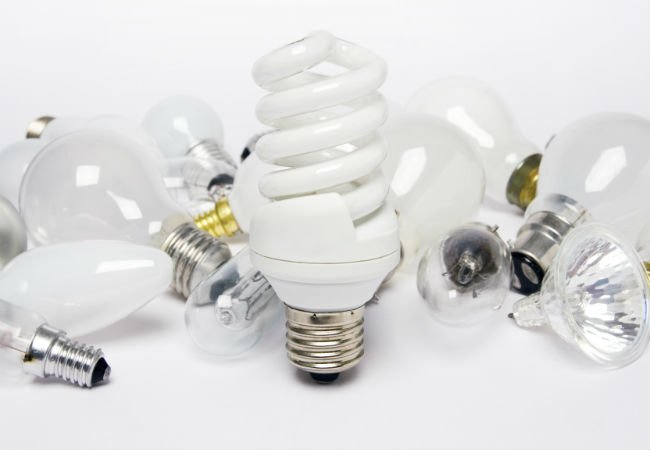
Before you decide where a bulb belongs, give it a quick visual inspection. Do not rely only on its shape: modern bulbs can be sneaky little actors. A CFL may look like a twisty spiral, but it can also resemble a standard pear-shaped bulb. An LED may look almost identical to an incandescent bulb until you notice its plastic dome and heat sink.
| Bulb Type | Common Appearance | Best Disposal Route |
|---|---|---|
| Incandescent | Glass bulb with visible filament | Wrapped household trash |
| Halogen | Small capsule, reflector, floodlight, or work-light bulb | Wrapped household trash unless local rules require recycling |
| LED | Plastic dome, metal heat sink, circuitry inside | Electronics or specialty recycling when available |
| CFL | Spiral, tube, globe, or covered energy-saving bulb | Household hazardous waste or bulb recycling |
| Fluorescent Tube | Long glass tube used in garages, offices, and workshops | Bulb recycler or household hazardous waste program |
| HID / Mercury Vapor / Metal Halide / High-Pressure Sodium | Specialty outdoor, garage, grow-light, or commercial lamp | Specialty lamp recycler or hazardous waste collection |
| Smart Bulb or String Lights | Wi-Fi bulb, holiday lights, decorative light strands | Electronics recycling or specialty collection program |
How to Dispose of Incandescent Light Bulbs
Traditional incandescent bulbs are generally the simplest bulbs to dispose of. They do not contain mercury, and most communities allow residents to place burned-out incandescent bulbs in regular household trash.
That does not mean you should toss one loose into the garbage like a miniature glass grenade. Let the bulb cool completely, then wrap it in newspaper, a paper bag, old packing material, or a small box. This helps prevent shards from escaping if the bulb breaks inside the trash bag.
Do Not Put Incandescent Bulbs in Your Curbside Recycling Bin
Even though incandescent bulbs are mostly glass, they do not belong with bottles and jars. Bulb glass has a different composition and melting point than container glass. The metal base and tiny wire pieces are also unwelcome guests at a standard recycling facility. In other words, the recycling bin is not a magical portal where every glass object becomes a new pickle jar.
How to Dispose of Halogen Bulbs
Halogen bulbs are often found in recessed fixtures, automotive lighting, work lights, outdoor floodlights, and under-cabinet fixtures. In many areas, household halogen bulbs can be disposed of in regular trash after being wrapped securely.
Still, do not place halogen bulbs in curbside recycling. Like incandescent bulbs, they are not usually accepted with container glass. If you have a large batch from a renovation project, check whether a local recycling center or construction waste facility accepts them separately.
Handle Halogen Bulbs Carefully
Halogen bulbs can run extremely hot, so make sure they are cool before removal. Wear gloves when changing small capsule-style bulbs, especially if you are installing a replacement. Oils from bare fingers can shorten the life of some halogen bulbs, which is a very rude way for a bulb to respond to being touched.
How to Dispose of LED Light Bulbs
LED bulbs are the marathon runners of household lighting. They use far less energy than older incandescent bulbs and can last dramatically longer, but they are not immortal. Eventually, even the most dependable LED will begin flickering like it is auditioning for a haunted-house role.
LED bulbs do not contain mercury, but they do contain electronic components, circuit boards, metals, and sometimes solder. Because of that, the best option is to recycle LEDs through an electronics recycling program, household hazardous waste site, or a local facility that specifically accepts light bulbs or small electronics. Some local programs allow LEDs in household trash, while others treat them as electronic waste or require special handling.
What About Smart Bulbs?
Smart bulbs should be treated as small electronics. They may contain wireless chips, sensors, circuit boards, and software-controlled components. Do not put them in a curbside recycling bin. Look for an e-waste collection event, electronics recycler, or municipal drop-off program instead.
How to Dispose of CFL Bulbs
Compact fluorescent lamps, commonly called CFLs, often have a spiral shape or a covered tube design. They were once a popular energy-saving upgrade before LEDs became more affordable and widely available.
CFLs contain a small amount of mercury. That mercury is contained safely while the bulb is intact, but it can be released if the bulb breaks or is crushed. For that reason, do not throw CFLs into ordinary household trash unless your local waste authority specifically instructs you to do so. The preferred route is recycling through a household hazardous waste program, approved bulb recycler, participating retailer, or mail-back service.
How to Store Used CFLs Until Recycling Day
Do not collect old CFLs in a random grocery bag under the sink, where they can collide with a skillet, a potato, and the mysterious lid that belongs to nothing. Instead, place each bulb in its original package if you still have it. If not, use a small cardboard box or sturdy container.
Keep the container dry, upright, and away from children, pets, heavy tools, and overenthusiastic garage organizing sessions. When you have several bulbs, take them to an approved collection location in one trip.
How to Dispose of Fluorescent Light Tubes
Long fluorescent tubes are common in garages, workshops, basements, utility rooms, schools, offices, and older kitchens. They are fragile, awkward to carry, and strangely skilled at rolling off every flat surface at the exact wrong moment.
Because fluorescent tubes contain mercury, they should be recycled through a household hazardous waste facility, lamp recycling program, participating retailer, or approved collection site. Never place fluorescent tubes in curbside recycling bins. They can break during collection and sorting, creating hazards for workers and contaminating recyclable materials.
How to Transport Fluorescent Tubes Safely
Use the original cardboard tube box whenever possible. If that is gone, place the tubes in a rigid cardboard box that is long enough to support them. Add soft packing material so the tubes cannot bang together during transport.
Avoid taping directly around fluorescent tubes unless the receiving facility specifically recommends it. Some recycling programs prefer tubes wrapped in a bag, towel, or protective packaging rather than adhesive tape. The goal is to prevent breakage while making the bulbs easy for staff to handle.
How to Dispose of HID, Mercury Vapor, Metal Halide, and Sodium Bulbs
High-intensity discharge lamps, often called HID bulbs, include mercury vapor, metal halide, high-pressure sodium, and some specialty outdoor or commercial lighting products. You may find them in warehouses, gymnasiums, parking lots, grow-light systems, street fixtures, older security lights, and certain automotive applications.
Many HID lamps contain mercury and should be recycled through a facility that accepts mercury-containing lamps. Treat them like fluorescent bulbs: keep them intact, package them carefully, and take them to a designated recycling or hazardous waste program. Look for markings such as “Hg” on the bulb or packaging, but do not assume that an unmarked specialty bulb is automatically safe for curbside trash.
How to Dispose of Neon Tubes and Specialty Decorative Lighting
Neon signs, decorative tubes, UV lamps, black lights, aquarium lights, and vintage specialty bulbs are not ordinary household waste. Some may contain mercury, gases, phosphor coatings, delicate glass tubing, or electrical components that require specialized recycling.
For these items, contact a lighting supplier, sign company, household hazardous waste program, or specialty lamp recycler. Do not break the tube to “make it fit.” Breaking it does not make disposal easier; it merely turns a disposal project into a cleanup project with bonus glass fragments.
How to Dispose of Holiday Lights and String Lights
Holiday light strings are not usually accepted in curbside recycling because they contain copper wire, plastic insulation, bulbs, and electrical components. Many electronics recyclers, scrap-metal recyclers, and seasonal retailer collection programs accept them instead.
Before recycling string lights, remove ornaments, hooks, fabric bows, batteries, and non-electronic decorations. Coil the strands loosely so they do not turn into a festive knot sculpture. If one bulb on an old string has failed, replacing the entire strand with LED holiday lights may be more practical and energy-efficient than repeatedly repairing an aging set.
What to Do if a CFL or Fluorescent Bulb Breaks
A broken mercury-containing bulb is unpleasant, but it does not require panic. It does require patience. The biggest mistake is rushing in with a vacuum cleaner immediately. Vacuuming can spread mercury-containing powder or vapor into the room, especially before larger debris has been removed.
Follow These Cleanup Steps
- Move people and pets away from the area.
- Open a window or exterior door and air out the room for at least 5 to 10 minutes.
- Turn off central heating or air conditioning if possible, so air is not circulated through the home.
- Wear disposable gloves.
- Use stiff cardboard or paper to scoop up glass fragments and powder.
- Use sticky tape to pick up tiny shards and dust.
- Wipe the area with damp paper towels or disposable wipes.
- Place all cleanup materials, gloves, tape, towels, and bulb fragments into a sealed container or plastic bag.
- Take the bagged debris to a local household hazardous waste collection point if required by your community.
- Wash your hands thoroughly after cleanup.
If the bulb breaks on carpet, carefully remove visible debris first. Vacuum only after the initial cleanup is complete and only if tiny fragments remain. Then empty the vacuum canister or remove the bag outdoors, seal the waste, and follow local disposal instructions.
Where to Recycle Light Bulbs
The best recycling option depends on the bulb type and your location. Start with your city, county, or solid waste authority. Search for terms such as “household hazardous waste,” “lamp recycling,” “fluorescent bulb disposal,” or “electronics recycling.”
Common options include:
- Municipal household hazardous waste facilities
- County recycling centers
- Participating home improvement and hardware retailers
- Electronics recycling events
- Mail-back lamp recycling services
- Commercial lighting or electrical supply companies
- Specialty recycling programs for fluorescent and HID lamps
Call ahead before loading your car. Some locations accept only intact CFLs, some accept fluorescent tubes but not LEDs, and some have quantity limits. Retailer programs can also change without much warning, so a two-minute confirmation call can save a very annoying round trip.
Common Light Bulb Disposal Mistakes to Avoid
Putting Every Bulb in the Recycling Bin
Glass does not automatically equal recyclable glass. Household recycling programs generally do not accept bulbs because of their glass composition, metal bases, and risk of breakage.
Throwing CFLs and Fluorescent Tubes Into Household Trash
Mercury-containing bulbs should be recycled whenever local collection is available. Many states and local governments have stricter rules for fluorescent lamps, and some specifically prohibit them from ordinary trash.
Breaking Bulbs Before Disposal
Never intentionally crush or break bulbs to save space. You increase the risk of cuts, release hazardous material from mercury-containing lamps, and make the item harder for recyclers to process safely.
Leaving Used Bulbs Loose in a Garage
Loose bulbs become broken bulbs. Store them in a labeled box or original packaging until you can recycle them. One sturdy box is far better than a cluttered shelf full of potential drama.
Practical Experiences: What Light Bulb Disposal Teaches You
The most useful lesson from real-life bulb disposal is that the job is rarely difficult, but it becomes difficult when it is postponed. A single burned-out CFL is easy to store safely. Six months later, that same CFL has joined a pile of batteries, mystery cords, old paint samples, and a cracked phone charger in the garage. At that point, the “small errand” has evolved into a hazardous-waste scavenger hunt.
A smart approach is to create a small disposal station at home. A labeled cardboard box in a dry utility closet works well for intact CFLs and fluorescent bulbs. A separate container can hold dead batteries, while a bag or tote can collect old string lights and small electronics. This setup prevents the classic problem of finding a burned-out bulb balanced on top of a washing machine because nobody knew where else to put it.
Another common experience is discovering that a local retailer accepts only certain bulb types. A store may take household CFLs but decline long fluorescent tubes, broken lamps, HID bulbs, or smart bulbs. That is not the employee being difficult; those materials often require different handling systems. Calling before you go is a small step that makes the entire errand smoother.
People also learn quickly that fluorescent tubes need better transportation than “carefully leaning them in the back seat.” A tube can roll, shift, and crack with one sharp turn. Original packaging is ideal, but a long cardboard box with padding works almost as well. Keeping tubes protected also means you are less likely to create an accidental mercury cleanup situation in your car, which is a terrible way to spend a Saturday.
Broken bulbs offer another useful reminder: slow down. The instinct is to grab a broom, vacuum, or bare hand and deal with the mess immediately. A better response is to keep people and pets away, ventilate the room, use gloves, and collect debris methodically. The extra few minutes matter, especially with CFLs and fluorescent lamps.
Finally, the best disposal experience is the one you avoid repeating too often. Choosing durable LED bulbs for suitable fixtures can reduce the number of bulbs you buy, replace, store, and dispose of over time. That does not mean LEDs belong in every fixture without thought, but they are often the practical default for general household lighting. Less frequent bulb replacement means fewer disposal decisions, fewer broken-glass surprises, and fewer late-night trips to the hardware store because the bathroom light chose chaos.
Conclusion
Proper light bulb disposal is less about memorizing complicated rules and more about recognizing what you have. Incandescent and many halogen bulbs can usually be wrapped and placed in household trash. LEDs are best sent to electronics recycling when local programs accept them. CFLs, fluorescent tubes, HID lamps, mercury vapor bulbs, and other mercury-containing lights should be recycled through approved collection programs.
When in doubt, do not guess. Check your local household hazardous waste program, protect bulbs from breakage, and keep mercury-containing lamps out of ordinary recycling bins. A little care at the end of a bulb’s life keeps your home safer, helps recycling systems work better, and prevents a tiny burned-out bulb from causing an outsized mess.