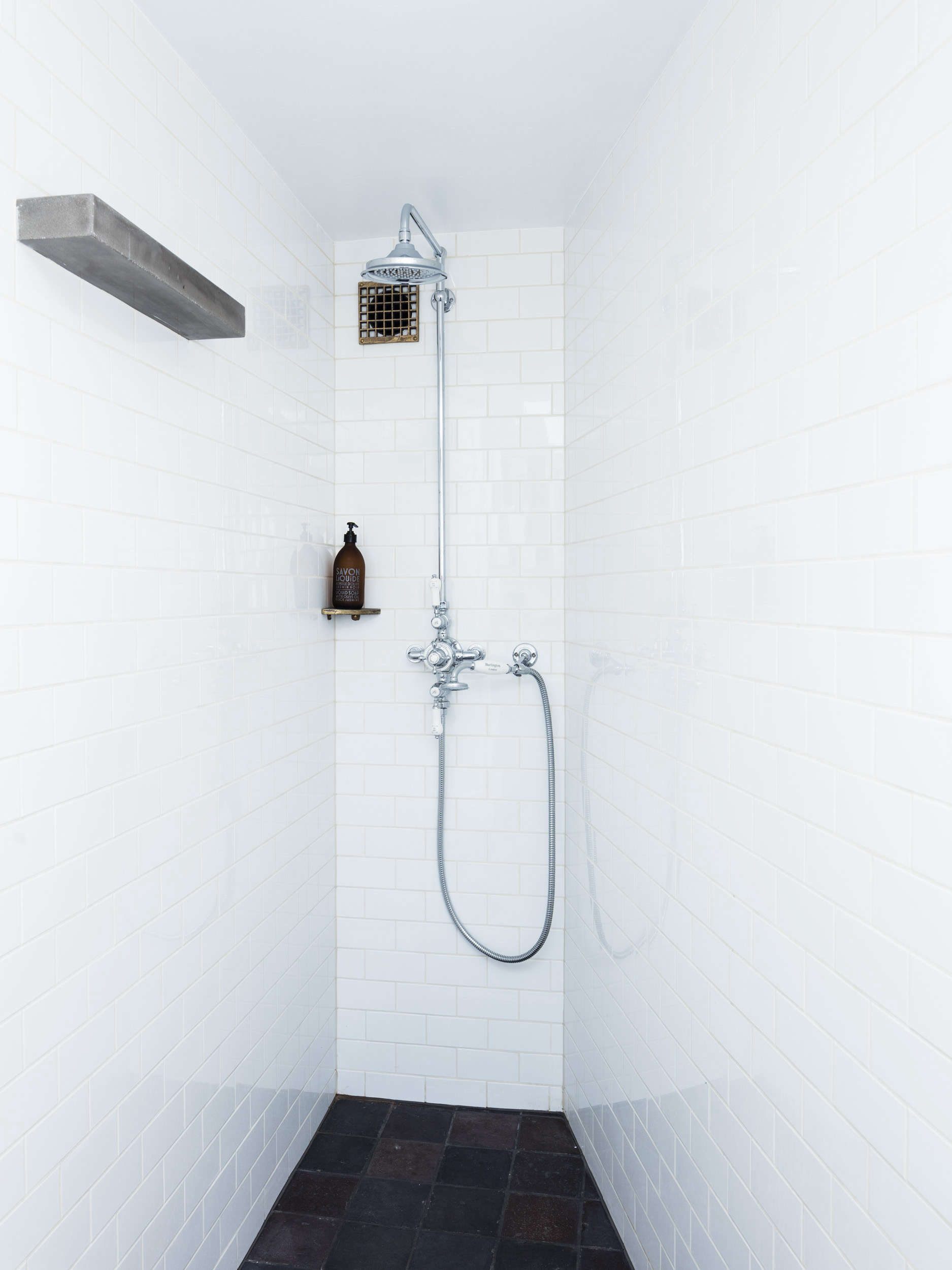
A cast bronze air vent may sound like a tiny detail hiding in the floor, wall, or ceiling, but do not let its modest square footage fool you. In a well-designed room, the vent cover is where comfort, airflow, architecture, and craftsmanship shake hands. Choose a flimsy vent, and it quietly apologizes from the corner. Choose a cast bronze air vent, and suddenly the HVAC opening looks like it was invited to the design meeting.
Bronze has long been associated with architectural hardware, historic storefronts, luxury homes, custom registers, and restoration projects because it offers a rare mix of strength, warmth, durability, and character. Unlike a basic stamped steel register with a bronze-colored finish, a true cast bronze vent is made from a copper-based alloy poured into a mold, then finished, machined, and often patinated by hand. The result is a functional air outlet that can feel more like jewelry for the house than an afterthought from aisle seven.
This guide explains what a cast bronze air vent is, why it matters, where it works best, how to size one correctly, and what homeowners, designers, builders, and preservation-minded renovators should know before buying.
What Is a Cast Bronze Air Vent?
A cast bronze air vent is a decorative and functional cover used over an HVAC duct opening. Depending on its design, it may serve as a supply register, return air grille, floor vent, wall grille, toe-kick vent, foundation vent, or custom architectural grille. The key word is “cast.” Instead of being stamped from a thin sheet of metal, the vent is formed by pouring molten bronze into a mold. Once cooled, the piece is cleaned, finished, drilled if needed, and prepared for installation.
In everyday language, people often use “vent,” “register,” and “grille” as if they are the same thing. Technically, they are cousins, not identical triplets. A grille usually has fixed openings and is often used for return air. A register typically includes an adjustable damper that allows the user to control airflow. A diffuser spreads conditioned air in a designed pattern, commonly from ceilings. A cast bronze air vent may fall into any of these categories depending on whether it includes louvers, a damper, mounting holes, or a filter frame.
Why Bronze Works So Well for Air Vents
Bronze is not just popular because it looks expensive, although, to be fair, it often does. As a copper alloy, bronze is valued for corrosion resistance, density, strength, and its ability to develop a rich patina over time. That makes it especially attractive in homes where finishes are expected to age gracefully rather than peel, chip, or scream for attention after one season of foot traffic.
Cast bronze is also heavier than many common vent materials. This weight can help the vent sit securely in a floor opening and reduce rattling when the HVAC system cycles on. Nobody wants a vent that buzzes like an angry insect every time the air conditioner starts. A properly fitted bronze vent feels stable, grounded, and intentional.
Bronze vs. Oil-Rubbed Bronze Finish
One important distinction: “bronze finish” does not always mean bronze material. Many affordable registers sold in home improvement stores are steel, aluminum, resin, or cast iron with an oil-rubbed bronze coating. These can look attractive and work perfectly well in many homes, but they are not the same as solid cast bronze.
A true cast bronze vent is metal through and through. If the surface wears, it does not reveal a completely different base material underneath. Instead, it tends to gain depth and character. A bronze-colored coating, on the other hand, may scratch or wear differently depending on the quality of the finish.
Best Places to Use a Cast Bronze Air Vent
Cast bronze vents are most often chosen when the vent will be visible and the surrounding space deserves something better than a basic plastic or builder-grade cover. They are especially popular in custom homes, historic renovations, boutique hotels, libraries, churches, high-end retail spaces, wine rooms, formal dining rooms, and Craftsman, Mediterranean, Tudor, Victorian, and traditional interiors.
Floor applications are one of the strongest uses for cast bronze because the material is durable enough to handle occasional foot traffic when properly designed. Bronze also pairs beautifully with hardwood, stone, terracotta tile, marble, slate, brick, and hand-finished plaster. In a room with aged oak floors and dark hardware, a cast bronze floor register can look like it has been there for 100 years, even if it arrived last Tuesday in a box.
Wall and ceiling uses are also possible, but weight must be considered. A heavy cast bronze wall grille needs suitable fasteners and framing support. For ceiling installations, designers sometimes choose lighter metals or custom mounting systems unless the bronze piece is specifically engineered for overhead use.
Airflow Still Comes First
A gorgeous vent that blocks airflow is not a design upgrade; it is a decorative traffic jam. HVAC registers and grilles are the final contact point between the duct system and the room. Their free area, opening pattern, face velocity, placement, and damper design affect comfort, noise, and system performance.
When choosing a cast bronze air vent, look beyond the pattern. A dense decorative grille may appear elegant but can restrict airflow if the openings are too small for the duct and room load. For supply vents, restricted airflow may increase noise, reduce comfort, and place extra pressure on the HVAC system. For return grilles, undersized openings can make the system work harder to pull air back.
The safest approach is simple: match the vent to the duct opening and the HVAC system’s airflow requirements. In new construction or major remodeling, the HVAC contractor should size ducts, registers, and grilles as part of the air distribution design. In a replacement project, homeowners should avoid choosing a vent based only on the outside dimensions of the old cover.
How to Measure for a Cast Bronze Vent
Measuring sounds easy until you realize the old vent has been hiding a crooked duct opening since the Reagan administration. The most common mistake is measuring the existing cover instead of the duct opening. For most standard floor registers, the listed size refers to the duct opening, not the overall faceplate size.
Basic measuring steps
- Remove the old vent cover carefully.
- Measure the width and length of the duct opening.
- Confirm whether the opening is square, rectangular, round, or irregular.
- Measure the available surface around the opening for the outside flange.
- Check depth if the vent includes a damper, boot, filter, or underside lip.
- Decide whether the vent will be surface-mounted or flush-mounted.
Flush-mounted bronze vents require more planning because the flooring or surrounding material must be cut to receive the vent face. This is easiest during new construction or floor replacement. For existing floors, surface-mounted vents are usually simpler and less invasive.
Design Styles: From Mission to Modern
Cast bronze air vents can be made in many patterns. Traditional designs include scrollwork, lattice, egg-and-dart, basketweave, Victorian floral patterns, Art Deco geometry, and Mission-style square grids. Modern versions often use linear slots, minimal bars, clean rectangles, or custom logo patterns.
The best design depends on the room. A Mission grid looks right at home in a Craftsman bungalow with quarter-sawn oak and exposed joinery. A bronze scroll grille suits a formal entry, library, or restored storefront. A simple linear bronze vent works beautifully in contemporary homes that want warmth without visual fuss. In other words, the vent should join the room’s conversation, not start shouting over the sofa.
Finishes and Patina Options
Bronze can be finished in several ways, from bright satin bronze to dark oil-rubbed bronze, antique bronze, blackened bronze, medium brown patina, aged bronze, or living finish. A living finish changes naturally with touch, air, moisture, cleaning habits, and time. Areas handled frequently may become brighter, while recessed areas stay darker.
For homeowners who like perfection, a sealed finish may be better. For those who appreciate character, a living patina is part of the charm. Bronze does not need to look frozen in time. It can age like a leather chair, a stone threshold, or a well-loved cast iron skillet. Just avoid treating it like a stainless-steel appliance. Harsh cleaners, abrasive pads, and acidic solutions can damage the surface.
Installation Considerations
Most surface-mounted floor vents are easy to install: remove the old cover, clean the opening, place the new vent, and make sure it sits flat. If the bronze vent includes mounting holes, use appropriate screws that match the finish and suit the floor or wall material. If the piece is heavy, never rely on wishful thinking and two tiny screws from the junk drawer.
Wall and ceiling installations deserve extra attention. Bronze is dense, and the vent should be secured to framing, blocking, anchors, or another suitable support system. For return air grilles with filters, confirm there is enough clearance to open the frame and replace the filter. For supply registers, check that the damper is accessible and operates freely.
In older homes, duct openings may not be standard sizes. Custom fabrication may be the right solution, especially for historic properties where cutting the original floor or plaster would be more painful than ordering a custom vent.
Maintenance: Keep It Handsome, Not High-Maintenance
Cast bronze vents are durable, but they are not magic. Dust still exists. Pet hair still believes it owns the return grille. Regular maintenance keeps both the vent and HVAC system happier.
Simple care tips
- Vacuum dust from the openings regularly.
- Wipe with a soft, dry or slightly damp cloth.
- Use mild soap only when needed.
- Avoid bleach, ammonia, vinegar, abrasive pads, and strong metal polishes unless recommended by the manufacturer.
- Keep floor vents clear of rugs, furniture, curtains, and pet beds.
- Check dampers occasionally to make sure they move smoothly.
If the vent has a waxed or lacquered finish, follow the maker’s instructions. Some bronze hardware benefits from occasional wax; other finishes should simply be left alone. When in doubt, test any cleaning method on a hidden area first.
Cost and Value
A cast bronze air vent generally costs more than a standard steel, aluminum, or plastic register. That is not surprising. The material is more expensive, the casting process is more involved, and finishing may require handwork. Custom sizes, decorative patterns, flush-mount details, and specialty patinas can raise the price further.
Still, value is not only about the cheapest way to cover a hole. In rooms where every finish has been carefully chosen, the vent cover can either support the design or quietly undermine it. A cast bronze vent makes the most sense in visible areas, historic interiors, high-traffic floors, and spaces where long-term durability matters. You do not need solid bronze in every closet. The laundry room probably will not write a thank-you note.
Common Mistakes to Avoid
The first mistake is buying by finish name alone. Oil-rubbed bronze may describe a color, not the metal. The second mistake is ignoring airflow. A beautiful grille with too little free area can reduce comfort. The third mistake is measuring the old cover instead of the opening. The fourth mistake is assuming every vent can be used in every location. Floor, wall, ceiling, supply, return, and exterior applications may require different construction.
Another mistake is mixing finishes without intention. Bronze does not need to match every knob and hinge exactly, but it should relate to the room. If the space has black hardware, warm wood, and aged brass lighting, bronze may bridge them beautifully. If the room is icy white with chrome everything, bronze can still work, but it needs a design reasonotherwise it may look like it wandered in from a different house.
Real-World Experience With Cast Bronze Air Vents
In practical renovation work, a cast bronze air vent tends to reveal whether the project was planned carefully or rushed at the last minute. The vent opening is often one of the final details addressed, but it should not be treated as a leftover decision. I have seen beautifully refinished hardwood floors interrupted by thin, rattling registers that looked like temporary placeholders. Swapping them for heavier bronze vents changed the room in a surprisingly immediate way. The floor looked calmer, the finish palette felt more complete, and the vent stopped announcing itself every time someone walked by.
The biggest lesson from real installations is to measure twice, then measure again when you are feeling suspicious. Older homes rarely offer perfect rectangles. A duct opening may be slightly out of square, framed too tight, or enlarged by a previous owner with more enthusiasm than accuracy. A cast bronze vent, especially a flush-mount style, is less forgiving than a cheap flexible cover. It rewards preparation. For custom pieces, sending exact opening measurements, overall desired face size, depth restrictions, and photos can prevent expensive surprises.
Another experience worth sharing involves sound. Many homeowners assume vent noise comes only from the HVAC equipment, but the cover itself can contribute. Lightweight registers may vibrate when airflow changes. A heavier cast bronze cover can sit more securely, especially when the fit is snug and the floor is level. That said, bronze is not a cure for a poorly designed duct system. If air is blasting through an undersized opening, even the fanciest vent will not turn the room into a whisper-quiet spa. It may look like one, though, and that is a start.
Finish selection is also more emotional than people expect. A sample that looks dark in a showroom may appear warmer beside oak flooring or lighter next to black slate. Bronze responds to context. In sunny rooms, a medium bronze can glow. In low-light rooms, a very dark patina may nearly disappear, which can be perfect if the goal is quiet elegance. The safest move is to compare finish samples beside the actual flooring, wall color, and nearby hardware.
Finally, maintenance expectations should be honest. A living bronze finish will change. That is not failure; that is the material doing what natural materials do. If a homeowner wants every vent to remain identical forever, a sealed finish or powder-coated alternative may be better. But for people who enjoy materials that age with the home, cast bronze is deeply satisfying. It turns an air opening into a small architectural momentand yes, that is a fancy way of saying the vent finally looks like it belongs.
Conclusion
A cast bronze air vent is more than a decorative cover. It is a durable architectural detail that can improve the look, feel, and finish quality of a room while still serving the practical job of moving air. The best choice balances beauty with airflow, proper sizing, secure installation, and realistic maintenance. Whether used in a historic restoration, a custom home, a luxury remodel, or a single high-impact room, bronze brings warmth and permanence that cheaper materials often imitate but rarely match.
Note: This article is original publication-ready content synthesized from reputable U.S. references on HVAC air distribution, architectural hardware, copper alloy properties, historic preservation practices, and decorative register manufacturing.