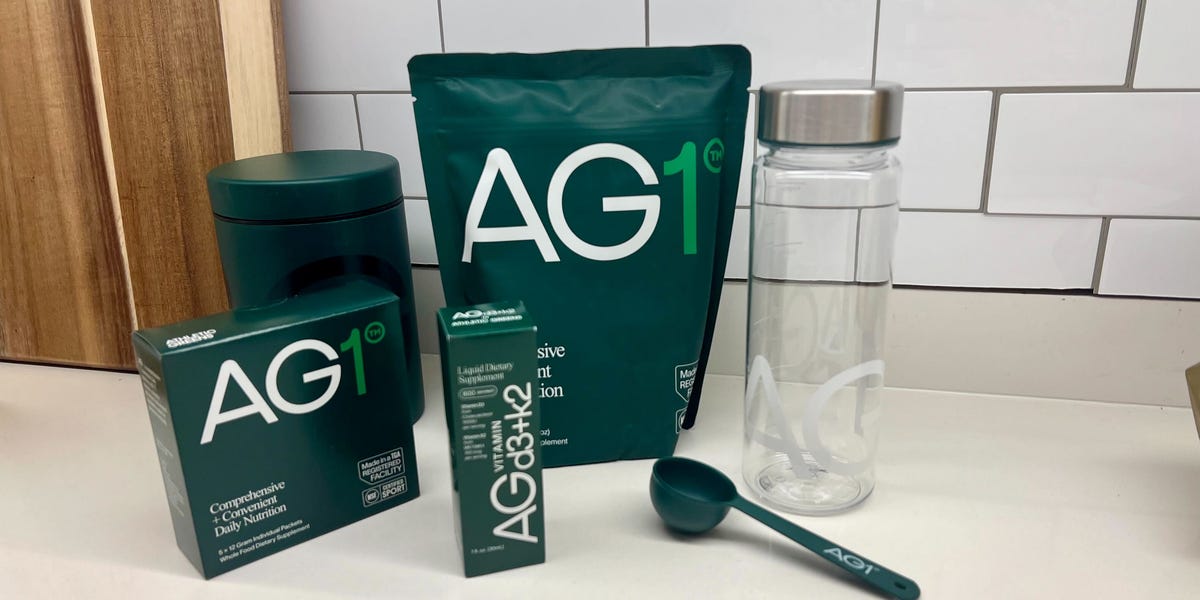
Reviewer note: This Athletic Greens review is for informational purposes only and is not medical advice. Always talk with a qualified healthcare professional before starting any supplement, especially if you are pregnant, breastfeeding, under 18, managing a medical condition, or taking medication.
If wellness marketing had a prom king in 2024, AG1 would walk in wearing a perfectly steamed blazer, holding a shaker bottle, and casually mentioning that half your favorite podcasts are sponsored by it. Formerly known as Athletic Greens, AG1 has become one of the most talked-about greens powders in the United States. It promises daily nutritional support in one scoop: vitamins, minerals, probiotics, prebiotics, plant compounds, adaptogens, and enough green mystique to make your fridge feel underdressed.
But here is the real question: is AG1 worth the hype, or is it just a very expensive way to drink something that looks like pond water after a yoga retreat? The honest answer is: it depends. AG1 can be convenient, well-tested, and useful for people who want a broad daily supplement. It can also be overkill for people who already eat a balanced diet, take a basic multivitamin, and do not need a $79-to-$99 monthly wellness habit.
This in-depth Athletic Greens Review 2024 breaks down what AG1 is, what is inside it, how it tastes, how much it costs, who may benefit, who should skip it, and whether it deserves a permanent spot next to your coffee maker.
What Is AG1 by Athletic Greens?
AG1 is a powdered daily nutrition supplement designed to be mixed with cold water, smoothies, or another non-acidic drink. The brand describes it as a foundational nutrition product rather than a simple greens powder. That distinction matters because AG1 is not just dehydrated kale wearing a fancy label. It combines a multivitamin-style nutrient profile with probiotics, prebiotics, mushrooms, digestive enzymes, botanical extracts, and plant-based compounds.
One serving is typically one scoop or one travel packet mixed into water. The company recommends taking it daily, often in the morning, although consistency matters more than the exact clock time. Once opened, the pouch should be refrigerated because the formula contains probiotics and whole-food-derived ingredients.
AG1 is marketed toward busy adults, athletes, frequent travelers, wellness enthusiasts, and people who want a simplified supplement routine. Instead of taking a multivitamin, probiotic, greens powder, and several “just in case” capsules, AG1 aims to bundle many of those categories into one drink. Convenience is the core appeal. In other words, it is the supplement version of putting your entire junk drawer into one very organized container.
What Is in AG1?
AG1 contains more than 70 ingredients, including vitamins, minerals, probiotics, prebiotics, phytonutrients, enzymes, and plant extracts. The exact formula has evolved over time, but the general idea remains the same: one scoop provides nutritional coverage across several categories.
Vitamins and Minerals
AG1 includes many essential nutrients commonly found in multivitamins, such as B vitamins, vitamin C, vitamin E, zinc, selenium, copper, manganese, and other micronutrients. These nutrients support normal body functions, including energy metabolism, immune function, antioxidant activity, and cellular processes. That does not mean AG1 gives you superhero energy. It means it may help cover gaps if your diet is occasionally less “rainbow plate” and more “drive-thru archaeology.”
Probiotics, Prebiotics, and Digestive Support
AG1 includes probiotic strains and prebiotic ingredients designed to support gut health. Probiotics are live microorganisms, while prebiotics help feed beneficial gut bacteria. The formula also includes digestive enzymes, which are commonly added to supplements marketed for digestion. Some users report improved regularity or less bloating, while others notice little change. Gut health is personal, and your digestive system has its own personalitysometimes charming, sometimes dramatic.
Greens, Superfoods, and Plant Compounds
The “greens” side of AG1 includes plant-based ingredients such as leafy greens, algae, fruit extracts, herbs, and botanicals. These ingredients may contribute phytonutrients and antioxidants, but AG1 should not be viewed as a replacement for whole fruits and vegetables. Whole foods provide fiber, water, chewing satisfaction, and complex nutrient interactions that a powder cannot fully copy. A scoop of AG1 is helpful convenience, not a magical salad teleportation device.
Adaptogens and Botanical Ingredients
AG1 also includes adaptogen-style ingredients and herbal extracts. Adaptogens are commonly marketed for stress support, though evidence varies by ingredient, dose, and study quality. This is where AG1 becomes harder to evaluate because many ingredients are grouped into proprietary blends. Proprietary blends list total blend amounts but often do not reveal the exact dose of each ingredient. That makes it difficult to compare individual ingredients with research-backed dosages.
How Does AG1 Taste?
Flavor is subjective, but AG1 is generally described as mildly sweet, earthy, and slightly fruity, with pineapple and vanilla notes. It is not candy. It is also not lawn clippings in a blender, which is an important victory in the greens powder world.
Mixed with cold water, AG1 has a smooth but slightly powdery texture. A shaker bottle helps. Stirring with a spoon works if you enjoy chasing clumps around the glass like tiny green submarines. Many users prefer it with ice-cold water, coconut water, or blended into a smoothie with banana or berries. Avoid mixing it with hot liquids because heat may affect some sensitive ingredients, including probiotics.
Compared with cheaper greens powders, AG1 tastes more polished and less aggressively grassy. Compared with a fruit smoothie, it still tastes like a health product. The flavor is pleasant enough for daily use if you like earthy wellness drinks, but it may not win over someone whose ideal breakfast beverage is chocolate milk with a side of skepticism.
AG1 Price: How Much Does Athletic Greens Cost in 2024?
AG1 is one of the more expensive greens powders on the market. In 2024, common pricing included about $99 for a one-time 30-serving pouch and about $79 for a monthly single-pouch subscription. Travel packs generally cost more. Double subscriptions reduced the per-serving cost, but the total monthly spend was still high.
| Purchase Option | Typical 2024 Price | Best For |
|---|---|---|
| One-time pouch | About $99 for 30 servings | People testing AG1 without a subscription |
| Single subscription | About $79 for 30 servings | Daily users who want the lowest single-pouch price |
| Travel packs | Usually more than pouch format | Frequent travelers, gym bags, office drawers |
| Double subscription | Lower cost per serving | Couples, families, or committed daily users |
At around $2.60 to $3.30 per serving depending on the plan, AG1 costs more than many multivitamins, basic probiotics, or budget greens powders. Whether that is reasonable depends on what you are replacing. If AG1 replaces three or four separate supplements you already buy, the value argument becomes stronger. If it is simply being added on top of a good diet and an already crowded supplement shelf, the price may feel like your wallet joined a boutique gym without asking.
Is AG1 Third-Party Tested?
One of AG1’s strongest selling points is third-party testing. AG1 has been listed under NSF Certified for Sport, a respected certification program often used by athletes who want products tested for banned substances and quality standards. This does not prove that AG1 will deliver every marketed benefit for every person, but it does matter for safety-conscious buyers.
Third-party testing is important because dietary supplements in the United States are not approved by the FDA for safety and effectiveness before they are sold. Supplement companies are responsible for ensuring their products meet legal requirements. For consumers, certifications from reputable organizations can add confidence that a product has gone through additional quality checks.
Still, third-party testing does not answer every question. It does not guarantee that every ingredient is included at a clinically meaningful dose. It also does not mean the supplement is necessary for everyone. Think of it as a seatbelt, not a chauffeur.
Potential Benefits of AG1
1. Convenient Nutritional Coverage
The biggest benefit of AG1 is convenience. Many adults do not consistently eat enough fruits, vegetables, fiber-rich foods, or varied plant foods. AG1 can help fill some micronutrient gaps in a quick daily format. It is especially appealing for people who travel, skip breakfast, work long hours, or want fewer bottles in the cabinet.
2. May Replace Multiple Supplements
If you already take a multivitamin, greens powder, probiotic, and digestive support product, AG1 may simplify your routine. Simplicity matters because the best supplement routine is usually the one you can actually follow. A single scoop is easier than opening six bottles while half-awake and wondering whether magnesium is the blue capsule or the suspiciously large tablet.
3. Gut Health Support
AG1 includes probiotics, prebiotics, and digestive enzymes, which may support digestive wellness for some users. People who respond well may notice better regularity, less digestive sluggishness, or a smoother morning routine. However, digestive effects vary. Some people may feel bloated when starting a greens powder, especially if they are sensitive to certain fibers, probiotics, or plant extracts.
4. Athlete-Friendly Testing
For competitive athletes, NSF Certified for Sport testing is a meaningful advantage. Athletes must be careful with supplements because contamination can cause serious career consequences. AG1’s testing gives it an edge over many greens powders that do not carry the same level of certification.
5. No Added Sugar
AG1 is formulated without added sugar, which makes it attractive for people who want a lightly sweet drink without turning breakfast into dessert. It uses flavoring and sweetening approaches designed to keep sugar low while making the drink more approachable.
Possible Downsides of AG1
1. It Is Expensive
The price is the elephant in the shaker bottle. AG1 is premium-priced, and for many people, the monthly cost may be hard to justify. A basic multivitamin, a probiotic if needed, and a grocery cart full of real vegetables may cost less and provide more total dietary value. If your budget is tight, AG1 is not a must-have.
2. Proprietary Blends Make Doses Hard to Judge
AG1 lists many ingredients, but not every individual ingredient amount is fully transparent. This makes it difficult to know whether certain botanicals, adaptogens, or plant compounds are present at research-supported levels. A long ingredient list looks impressive, but “more ingredients” does not automatically mean “better results.” Sometimes it just means the label needed a longer lunch break.
3. It Does Not Replace Whole Foods
AG1 can supplement a diet, but it cannot replace whole fruits, vegetables, legumes, whole grains, nuts, seeds, and quality proteins. Whole foods provide fiber, texture, satiety, and a complex nutrient matrix. If your diet is low in produce, AG1 may help, but it should not become your vegetable strategy. Your broccoli deserves better than being ghosted by a powder.
4. Some People Should Be Cautious
Because AG1 contains many ingredients, it may not be appropriate for everyone. People taking medications, managing thyroid issues, using blood thinners, preparing for surgery, pregnant or breastfeeding, or dealing with immune conditions should speak with a healthcare professional first. Teens and children should not use adult supplements unless a clinician specifically recommends them.
5. Results Are Not Guaranteed
Some users feel more energized, more regular, or more consistent with their wellness routine. Others feel nothing except financially lighter. If someone is already eating well, sleeping enough, exercising, and meeting nutrient needs, AG1 may not produce a dramatic “before and after” moment. Wellness products often work best when they support basicsnot when they are asked to perform miracles while you sleep four hours and call cold pizza “meal prep.”
AG1 vs. a Multivitamin: Which Is Better?
AG1 overlaps with a multivitamin but is not exactly the same thing. A multivitamin typically focuses on essential vitamins and minerals in a pill, capsule, gummy, or liquid. AG1 includes vitamins and minerals plus probiotics, prebiotics, plant extracts, digestive enzymes, and greens-style ingredients.
If your main goal is basic nutrient insurance, a high-quality multivitamin may be cheaper and more straightforward. If you want an all-in-one drink with a broader ingredient profile and you value convenience, AG1 may be more appealing. The trade-off is cost and transparency. Multivitamins often show exact nutrient amounts clearly. AG1 provides many nutrients but also includes proprietary blends that make some details harder to evaluate.
AG1 vs. Other Greens Powders
Compared with cheaper greens powders, AG1 stands out for brand recognition, third-party testing, a polished taste, and a more comprehensive formula. Many budget greens powders focus mainly on dehydrated greens, spirulina, chlorella, wheatgrass, or fruit and vegetable blends. Some are affordable but less complete. Others are transparent and simple, which can be a good thing.
AG1 is best viewed as a premium greens-plus-multivitamin hybrid. It is not the cheapest option, and it is not the simplest. It is designed for people who want one high-end product to cover multiple wellness categories. For some, that is brilliant. For others, it is like buying a luxury suitcase to carry one pair of socks.
Who Is AG1 Best For?
- Busy adults who want a simple daily supplement routine
- Frequent travelers who struggle to eat consistently balanced meals
- Athletes who value NSF Certified for Sport testing
- People who currently take several supplements and want to simplify
- Those who like greens drinks and can afford the monthly cost
Who Should Skip AG1?
- Anyone looking for the cheapest way to improve nutrition
- People who already eat a highly varied, nutrient-dense diet
- Those who dislike earthy or green-tasting drinks
- Anyone taking medications without first checking with a clinician
- Children, teens, pregnant people, or breastfeeding people unless medically advised
- People expecting one supplement to fix sleep, stress, diet, and energy all at once
How to Use AG1 for Best Results
AG1 is usually mixed with cold water. Use a shaker bottle, add the powder, shake well, and drink it soon after mixing. Many users prefer it first thing in the morning before breakfast. If the taste is too strong, try more water, ice, or blending it into a smoothie with banana, berries, or nut butter.
Start slowly if you have a sensitive stomach. Some people do better with half a serving for the first few days. Also, avoid stacking AG1 with a multivitamin unless your healthcare provider says it is appropriate. Doubling up on nutrients may sound ambitious, but your body is not a storage unit for unnecessary supplements.
Real-World Experience: What Taking AG1 Can Feel Like
The first thing many people notice about AG1 is the ritual. You wake up, scoop the powder, add cold water, shake it like you are auditioning for a very niche percussion band, and drink something green before the day has a chance to become chaotic. That ritual can be surprisingly powerful. Even before any nutrient effect kicks in, the habit itself may make people feel more organized and health-focused.
In the first few days, the taste is usually the main event. AG1 does not taste like a milkshake, and anyone promising that may also be selling beachfront property in Nebraska. It tastes green, lightly sweet, and somewhat tropical. The pineapple-vanilla profile helps, but there is still an earthy finish. People who already enjoy matcha, green juice, kombucha, or unsweetened smoothies may adapt quickly. People who think iceberg lettuce is spicy may need more time.
Texture can also affect the experience. With a proper shaker and cold water, AG1 mixes fairly well, though a faint powdery feel can remain. In a smoothie, it becomes much easier to enjoy. Banana softens the grassy edge, berries add brightness, and almond milk makes the drink feel more like breakfast and less like a dare from a fitness influencer.
After one to two weeks, the biggest realistic benefit may be consistency. People who normally skip breakfast or forget supplements may appreciate having a single daily habit. Some users report smoother digestion, fewer afternoon slumps, or a sense that they are covering nutritional bases. However, these effects are subtle for many people. AG1 is not caffeine, and it should not feel like flipping an energy switch. If someone suddenly feels like they can wrestle a refrigerator, that is probably not the greens powder talking.
By the end of a month, the value question becomes clearer. If AG1 helps you stay consistent, replace several supplements, and feel better about your daily routine, the cost may feel reasonable. If you miss servings, dislike the taste, or already eat well, the subscription may start looking like a very expensive jar of good intentions. This is why the best test is practical: try it for a month, track how often you use it, note digestion and energy changes, and decide whether the benefits justify the cost.
The most balanced experience is this: AG1 can be a convenient, high-quality supplement that supports a healthy lifestyle, but it is not the lifestyle itself. It works best beside good meals, hydration, sleep, movement, and medical guidance when needed. It is a helpful tool, not a personality upgrade in powder form.
Final Verdict: Is AG1 Worth the Hype?
AG1 is worth considering if you want a premium, convenient, third-party-tested daily supplement and can comfortably afford it. It offers broad nutritional coverage, includes probiotics and plant compounds, tastes better than many greens powders, and may help simplify a complicated supplement routine.
However, AG1 is not essential for everyone. It is expensive, uses proprietary blends, and cannot replace whole foods. If your diet is already strong and your nutrient needs are met, AG1 may be more luxury than necessity. If your routine is inconsistent and you want one easy daily drink to help cover common gaps, it may be a smart investment.
The honest 2024 verdict: AG1 is good, polished, convenient, and impressively marketedbut not magic. It is worth the hype for some people, overpriced for others, and best approached with realistic expectations. Drink it if it fits your life. Do not drink it because a podcast host made it sound like your mitochondria are personally waiting for a sponsorship code.