September is when many gardens start acting a little dramatic. The summer annuals look tired, the hottest borders lose their sparkle, and the whole yard can feel like it is quietly packing up for the season. But that is exactly when smart gardeners make their comeback. Instead of letting the landscape fade into a beige farewell tour, you can fill beds, borders, and containers with flowers and shrubs that hit their stride in early fall.
The secret to a stunning fall garden is not planting more of everything. It is planting the right things. September bloomers earn their keep because they add color when the garden needs it most, they extend nectar and pollen for late-season pollinators, and they make the whole space feel intentional rather than accidental. In other words, they save your garden from looking like it forgot its own finale.
Below are seven standout flowers and shrubs that bloom in September and keep the show going beautifully into fall. Some are native powerhouses. Some are elegant classics. All of them can help create a richer, more layered fall garden with color, texture, and just enough swagger to make October jealous.
Why September Bloomers Matter in a Fall Garden
A great autumn landscape is not just about pumpkins on the porch and one lonely mum by the mailbox. A truly memorable September garden combines bloom timing, foliage contrast, plant structure, and pollinator value. Late-blooming plants are especially useful because they bridge the gap between the abundance of summer and the seed heads, berries, and foliage color of deeper fall.
They also solve a design problem. By September, many perennials are finished or fading. When you add plants that flower now, you restore rhythm to the border. You get fresh focal points, better color repetition, and new movement. Plume flowers, daisy flowers, airy panicles, and arching shrub forms all help a garden feel lively again.
Even better, many of these plants are relatively low-maintenance. Give them the right site, water them while they establish, and avoid the universal gardener mistake of “loving them to death” with too much fuss. Fall bloomers are often happiest when you stop hovering and let them do their thing.
1. New England Aster
Why it shines in September
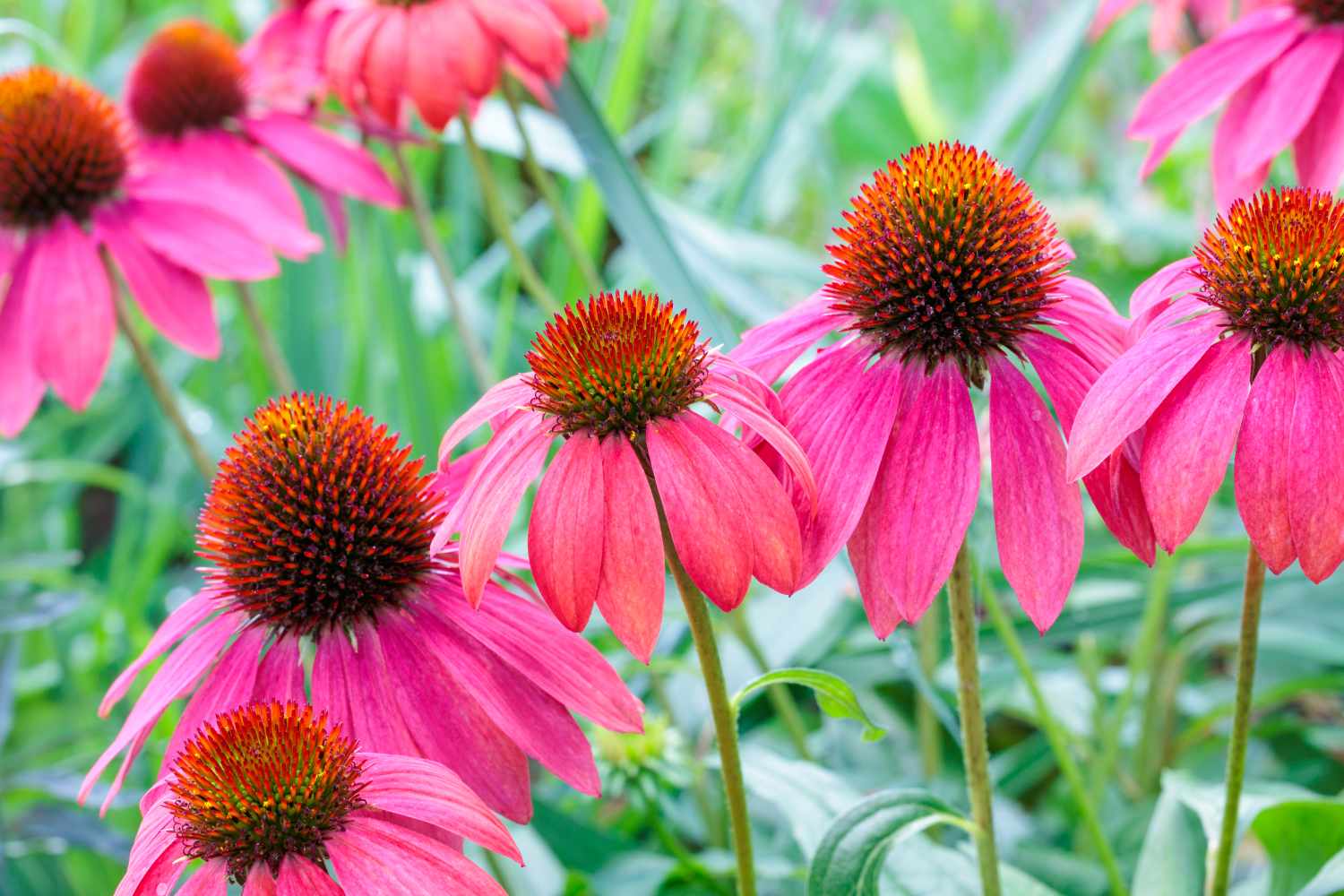
If fall had an official flower crown, New England aster would be wearing it. This perennial bursts into bloom just when many borders begin to fade, producing masses of purple, violet, pink, or rose-toned daisy-like flowers with warm yellow centers. In September light, those colors look electric.
New England asters are excellent for adding a punch of color near ornamental grasses, seed heads, and shrubs with changing foliage. They also bring a looser, more naturalistic look to the garden, which is especially useful if you want a fall border that feels abundant rather than stiff.
How to use it well
Plant asters where they can catch plenty of sun and where their late-season color can be seen from a distance. They look especially good in mixed borders with goldenrod, sedum, and panicle hydrangeas. If you want a tidier habit, pinch plants back in early summer to encourage bushier growth and more flowers. Cultivars such as Purple Dome are favorites when you want strong color in a more compact form.
One honest note: asters can get a little leggy if they are crowded or shaded. They are gorgeous, but they are not here to be humble. Give them room and sunlight, and they will return the favor with a full-scale September performance.
2. Japanese Anemone
Why it shines in September
Japanese anemones bring a softer kind of fall beauty. Their flowers seem to hover above the foliage on wiry stems, creating a light, airy effect that contrasts beautifully with chunkier plants like hydrangeas or stonecrop. The blooms are usually white or pink, sometimes with a pearly glow that makes them especially elegant in morning or evening light.
What makes them so useful in a stunning fall garden is their grace. Not every September plant has to shout in orange and gold. Japanese anemones whisper, and sometimes that is even better. They help a border breathe.
How to use it well
Use Japanese anemones near pathways, in woodland-edge beds, or in mixed borders where their tall stems can rise through neighboring foliage. They generally prefer a spot with rich, moisture-retentive soil and protection from intense afternoon heat. A cultivar like Honorine Jobert is beloved for crisp white blooms that brighten shady corners just when the season starts to dim.
Patience helps here. These plants can be slow to settle in, but once established, they become reliable late-season stars. Think of them as the gardener’s version of a friend who is always a little late but somehow still arrives looking fabulous.
3. ‘Autumn Joy’ Stonecrop
Why it shines in September
If your garden runs hot, dry, or slightly neglectful, ‘Autumn Joy’ stonecrop may be your soulmate. This sturdy perennial starts with fleshy leaves and broccoli-like buds, then opens into broad flower heads that move from soft pink to deeper rosy-red and finally to bronzed tones as fall advances.
That color shift is part of the charm. It means the plant changes through the season instead of offering a one-note bloom. In September, it lands right in the sweet spot, giving you flower color, succulent foliage, and strong upright structure at once.
How to use it well
Stonecrop works beautifully in sunny borders, gravel gardens, and foundation beds. Pair it with asters for a classic fall combination or use it near shrubs with dark foliage to make the flower heads pop. Because it tolerates dry conditions once established, it is also useful in lower-maintenance landscapes.
Do not baby it with rich soil or constant water. Too much pampering can lead to floppy growth. ‘Autumn Joy’ is one of those plants that prefers a gardener with a calm attitude and a short to-do list.
4. Goldenrod
Why it shines in September
Goldenrod is one of the most unfairly blamed plants in the garden world. It gets accused of causing allergies when ragweed is usually the real culprit, yet goldenrod is out here providing late-season nectar and carrying the whole September color palette on its back. Its feathery yellow plumes bring warmth, movement, and an unmistakably autumnal glow.
For pollinator-friendly planting, goldenrod is a star. Bees, butterflies, and other beneficial insects rely on those late flowers when fewer nectar sources remain. That makes goldenrod not just pretty, but ecologically useful.
How to use it well
Use goldenrod in naturalistic borders, pollinator gardens, meadow-style plantings, or at the back of mixed beds. It pairs especially well with asters because the yellow-and-purple contrast looks like fall itself decided to do color theory. Choose clump-forming varieties if you want a more controlled look, especially in smaller gardens.
Goldenrod can spread enthusiastically, so give it a spot where its energy makes sense. In the right place, it looks bold and intentional. In the wrong place, it auditions for world domination.
5. Panicle Hydrangea
Why it shines in September
Panicle hydrangea is one of the best shrubs that bloom in September because it delivers size, structure, and flower power all at once. Its conical flower heads begin creamy white or greenish-white, then often age into blush, dusty pink, or tan as fall approaches. That transition makes the shrub useful over a long stretch of the season.
Unlike some hydrangeas that feel fussy about bloom timing, panicle hydrangeas flower on current-season growth, which takes some of the anxiety out of pruning. Gardeners everywhere can exhale.
How to use it well
These shrubs are ideal as anchors in mixed borders, specimen plants near patios, or repeated elements in larger landscapes. Varieties such as Limelight, Quick Fire, and Tardiva offer different sizes and bloom timing, so there is flexibility depending on your space.
Plant them where they will receive plenty of sun for the best flowering. Their large flower heads also look fantastic with ornamental grasses, asters, and sedum. In September, a panicle hydrangea can make a garden look expensive even when the gardener is out there wearing old sneakers and negotiating with a broken hose.
6. Glossy Abelia
Why it shines in September
Glossy abelia is a shrub that deserves more love. It has lustrous foliage, a graceful habit, and small tubular flowers that continue from the warm season into autumn. In September, it earns its place by adding a softer flowering effect when larger shrubs may already be winding down.
The blooms are usually pale pink to white, and they are attractive to butterflies and bees. That means abelia works especially well in landscapes where you want continuous interest rather than one dramatic bloom burst followed by months of silence.
How to use it well
Use glossy abelia as a hedge, a foundation shrub, or a filler in mixed borders where its arching habit can soften harder lines. It performs best in full sun to part shade, and once established, it handles heat and periodic drought better than many gardeners expect. If you like a little extra foliage flair, look for cultivars with variegated or colorful new growth, or try selections such as Lavender Mist for a bloom-heavy look.
In design terms, abelia is the supporting actor that quietly steals scenes. It may not always be the loudest plant in the border, but it keeps the composition polished.
7. Rose of Sharon
Why it shines in September
Rose of Sharon keeps flowering when many shrubs are already calling it a season. Its hibiscus-like blooms appear in white, pink, lavender, blue, and bicolors, and they bring a tropical-looking flourish to late summer and early fall gardens. In September, that is a welcome surprise.
This shrub is especially useful if you want vertical presence and reliable late color. It is also a nice bridge between cottage gardens and more formal designs because it can fit comfortably into both styles.
How to use it well
Plant rose of Sharon in full sun for the best floral display. It works well as a specimen, informal hedge, or backdrop for lower perennials. Cultivars such as Sugar Tip add variegated foliage to the mix, which means you get extra visual interest even when you are between flushes of bloom.
Because it blooms on new growth, it responds well to pruning in late winter or early spring. Just do not panic if it leafs out later than some other shrubs. Rose of Sharon likes to keep gardeners slightly nervous before proving it was fine all along.
How to Combine These Plants for a Stunning Fall Garden
The easiest way to make these September bloomers look intentional is to layer them by height and texture. Start with shrubs like panicle hydrangea, glossy abelia, or rose of Sharon as the backbone. Then add medium-height perennials such as asters and stonecrop in front or between them. Finish with airy accents like Japanese anemones and the loose plumes of goldenrod for movement.
Color repetition matters too. Purple asters and yellow goldenrod are a classic pairing because they create natural contrast without looking forced. Soft pink stonecrop can echo the aging tones of hydrangea panicles, while white anemones bring a break in the palette that keeps the border from feeling too heavy.
And do not forget foliage. By September, texture is doing a lot of the visual work. Glossy leaves, succulent leaves, fine stems, broad hydrangea foliage, and plume-like flowers all help the garden look richer, even before fall leaf color fully arrives.
Experience: What Growing September Bloomers Actually Feels Like
There is something deeply satisfying about a garden that peaks again in September. Spring is easy to love because everything is waking up. Early summer gets plenty of applause because it is lush and full of promise. But September beauty feels earned. It shows up after heat, storms, insects, patchy watering, and at least one moment when you stood in the yard thinking, “Well, I guess this border has given up.” Then suddenly the asters open, the hydrangeas blush, the goldenrod catches the sun, and the whole space feels alive again.
That is one of the best experiences of planting for fall bloom. You stop thinking of autumn as the garden’s ending and start seeing it as a second act. The light changes. The air softens. Pollinators seem more noticeable because the garden is quieter, and every bloom feels more important. A bee on goldenrod in September somehow looks busier than a bee in June. Maybe it is the season. Maybe it is the gardener projecting. Either way, it feels meaningful.
September bloomers also change how you move through the garden. In midsummer, you might rush outside to deadhead, weed, water, and retreat indoors before the heat turns you into a wilted annual. In early fall, you linger. You notice the color shift on stonecrop. You see Japanese anemones glowing in slanted afternoon light. You realize glossy abelia has been quietly flowering for weeks while you were distracted by louder plants. The garden becomes less about maintenance and more about observation.
There is also a design lesson hidden in these plants. A truly memorable fall garden is not built on one giant burst of color. It is built on overlap. The best September borders have some flowers opening, some deepening in color, some drying into beautiful seed heads, and some simply offering strong foliage or structure. That overlap makes the garden feel mature and layered. It looks less like a collection and more like a composition.
Many gardeners also discover that fall-blooming plants make them more optimistic about the next year. Once you have seen how much beauty a September garden can hold, you start planning differently. You stop buying only spring-flowering favorites. You start asking smarter questions at the nursery. What blooms late? What feeds pollinators in fall? What will look good next to grass plumes or turning leaves? That is how a good garden becomes a better one.
And yes, there is a small emotional reward too. When neighbors assume the garden must be winding down and then see a border full of asters, hydrangeas, rose of Sharon, and glowing goldenrod, you get to act casual about it. You can nod modestly, as though this late-season spectacle just happened by accident. But deep down, you know the truth. September bloom does not happen by luck. It happens because you planned for beauty after summer, and that is a very satisfying kind of gardening confidence.
Conclusion
If your landscape tends to lose momentum after August, the solution is not more random color. It is better timing. By choosing flowers and shrubs that bloom in September, you can keep the garden bright, textured, and pollinator-friendly right when many beds begin to fade. New England aster, Japanese anemone, ‘Autumn Joy’ stonecrop, goldenrod, panicle hydrangea, glossy abelia, and rose of Sharon each bring something different to the table, from strong vertical structure to airy movement to rich seasonal color.
Together, they create the kind of stunning fall garden that feels deliberate, layered, and very much alive. And honestly, that is a lovely thing to see in a season that too often gets treated like the credits are already rolling.