There are farms where visitors admire the scenery from a polite distance, and then there is the Philo Apple Farm, where the scenery may cluck at you, drop fruit near your feet, or quietly remind you that breakfast came from somewhere other than a grocery-store aisle.
Located in California’s Anderson Valley, a few miles north of the tiny town of Philo, this working orchard combines heirloom apples, family history, rustic design, farm-to-table cooking, and the sort of Northern California landscape that makes city dwellers reconsider every decision that led them to owning three streaming subscriptions and no rubber boots.
“Down on the Farm in Philo” is more than a story about a photogenic country retreat. It is a look at how agriculture, hospitality, food, and thoughtful design can coexist without turning a real farm into a rural theme park.
Where Exactly Is Philo?
Philo sits in Mendocino County’s Anderson Valley, along the winding Highway 128 corridor between inland Northern California and the Mendocino Coast. The community is small, but its surroundings are unusually rich: vineyards cover sunny slopes, apple orchards occupy fertile ground, the Navarro River winds through the valley, and ancient redwoods rise nearby.
The drive from the northern end of the Golden Gate Bridge takes roughly two hours under favorable conditions. “Favorable conditions” is California-road-trip language for no construction, no unexpected fog, and no driver stopping every nine minutes to photograph a barn.
Anderson Valley is widely known for cool-climate wines, especially Pinot Noir, Chardonnay, and sparkling wine. Yet grapes are only part of the agricultural story. Apples, pears, quince, vegetables, flowers, sheep, goats, and other small-farm products give the region a broader identity than the familiar wine-country postcard.
A landscape shaped by contrast
The valley’s appeal comes from its dramatic transitions. Sunlit vineyards can give way to shaded riverbanks and redwood groves within minutes. Coastal air influences the climate, while warmer inland conditions help create a long growing season. It is a setting where an orchard stay, a forest hike, and a wine tasting can all fit into the same day without requiring a helicopter or a highly ambitious travel agent.
The Story Behind Philo Apple Farm
The farm’s modern history began in the early 1980s, when Don and Sally Schmitt acquired a neglected property in Anderson Valley. At the time, the couple was closely connected to the restaurant that would become one of America’s most famous dining destinations: The French Laundry in Yountville.
The Schmitt family’s influence helped establish the farm’s enduring philosophy. Food was not treated as a decorative accessory placed beside a guest cottage. Growing, harvesting, cooking, preserving, and sharing food became central to the experience.
Karen and Tim Bates took on major roles in operating and developing the property, and multiple generations of the family have since participated in farm life. That continuity matters. Plenty of destinations can purchase antique furniture and install weathered wood. It is considerably harder to manufacture decades of family knowledge about soil, fruit, kitchens, seasons, and hospitality.
Today, official farm information describes more than 1,300 heirloom fruit trees and over 80 apple varieties, along with pears and quince. Guests may also encounter goats, chickens, gardens, farm buildings, and the constant evidence that this is an agricultural operation rather than a hotel that happens to own one decorative tractor.
Heirloom Apples Take Center Stage
The phrase “an apple is an apple” does not survive long in an heirloom orchard. Varieties can differ dramatically in sweetness, acidity, aroma, texture, color, storage ability, and cooking performance.
A mellow, sweet apple may work beautifully for eating fresh, while a sharply acidic variety can become the hero of a pie, sauce, chutney, or savory dish. Historically documented farm favorites have included the tart Bramley, the locally associated Philo Gold, and varieties such as Macoun. Some are crisp and refreshing; others are aromatic, dense, soft, spicy, floral, or delightfully odd.
Why apple diversity matters
Modern supermarkets tend to favor fruit that travels well, stores predictably, looks consistent, and survives being stacked beneath a watermelon by an overly confident shopper. Heirloom orchards preserve a wider range of flavors and agricultural traits.
Maintaining many varieties can also spread harvest activity across the season. Earlier apples may begin ripening in midsummer, while the main abundance arrives during late summer and fall. Different trees have different needs, and the orchard’s calendar is dictated by weather and ripeness rather than by a marketing department that would prefer every apple to be ready for Labor Day weekend.
The farm has historically sold fruit and apple products through regional markets, restaurants, and its own farmstand. Apples may become juice, cider, preserves, syrups, vinegar, chutney, or sauce. This nose-to-tail approach to fruitminus the tail, obviouslyhelps transform a seasonal harvest into products that can be enjoyed beyond picking day.
A Working Farm That Understands Design
One reason Philo Apple Farm has attracted attention from food and design publications is its ability to make practical spaces feel welcoming without sanding away their agricultural character.
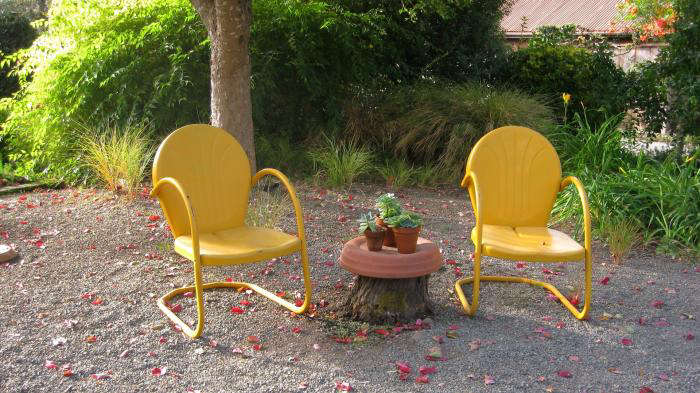
Earlier descriptions of the property highlighted pea-gravel terraces, terra-cotta pots, trailing jasmine, succulents, outdoor gathering areas, apple crates repurposed as seating, pottery collections, open dining spaces, and cottages tucked among orchard trees. The result was neither polished luxury nor theatrical “country chic.” It was a layered environment where useful objects also happened to be beautiful.
Lessons from the farm’s rustic style
The design offers several ideas that work far beyond Philo:
- Use honest materials. Gravel, wood, iron, clay, canvas, and stone generally improve with age instead of demanding an emotional support warranty.
- Let utility create atmosphere. Aprons on hooks, bowls of fruit, shelves of pottery, baskets, tools, and garden clippings can feel more personal than expensive accessories selected by committee.
- Create small gathering places. A bench under a tree or a table beside the garden can be more inviting than a giant patio designed primarily to impress satellites.
- Accept imperfection. Working landscapes change. Leaves fall, wood weathers, fruit ripens, and chickens decline to coordinate with the color palette.
The farm demonstrates that rustic design works best when it develops from daily life. The goal is not to make everything look old. The goal is to allow practical objects, natural materials, and personal history to become part of the visual story.
Farm-to-Table Food Without the Buzzword Fog
“Farm-to-table” has become such a common phrase that it occasionally appears on menus where the nearest farm is a stock photograph. In Philo, the connection is more direct. Apples grow outside. Herbs and vegetables come from gardens. Seasonal availability influences what can reasonably be cooked.
The farm has offered stays, suppers, private gatherings, and cooking experiences built around its agricultural setting. Depending on the program and season, visitors may participate in meal preparation, learn about ingredients, or sit down to food that reflects what is available rather than what an algorithm predicts will photograph well.
This approach changes the relationship between guest and meal. An apple is no longer an anonymous red object delivered in a cardboard box. It belongs to a particular tree, variety, harvest window, and culinary purpose. Its flavor may be better suited to sauce than salad, or to cider than pie.
Simple food becomes memorable food
Farm cooking does not need twelve decorative sauces and a waiter explaining the emotional journey of the carrot. A warm biscuit with house-made preserves, fresh apple juice, roasted vegetables, a savory fruit sauce, or a rustic soup can be memorable because the ingredients taste unmistakably alive.
The real luxury is proximity: breakfast near the orchard, herbs cut shortly before dinner, and fruit selected because it is ripe rather than because it meets a national shipping specification.
Farm Stays and the Rise of Agritourism
Agritourism allows farms to welcome visitors through lodging, tours, workshops, meals, tastings, events, and direct sales. For travelers, it offers a closer connection to food and rural life. For farmers, hospitality can diversify income and create a direct relationship with customers.
Philo Apple Farm represents a particularly intimate version of the idea. Guests are not merely sleeping near farmland; they are staying among fruit trees on a property where cultivation continues around them.
That distinction is important. A real farm has rhythms and inconveniences. Animals make noise. Harvest work may start early. Dirt remains stubbornly committed to being dirt. Weather changes plans without submitting a request through the front desk.
For many visitors, those realities are the attraction. A farm stay offers an antidote to vacations organized around elevators, buffet stations, and the aggressive folding of bath towels into swans.
What to Explore Around the Farm
The Apple Farm works well as a base for discovering Anderson Valley, although “discovering” should not be confused with racing through a checklist.
Hendy Woods State Park
Hendy Woods State Park lies just across the Navarro River from the farm area. Its Big Hendy and Little Hendy groves protect old-growth redwoods, and the park includes gentle trails, riverside scenery, picnic areas, campgrounds, and accessible facilities.
Walking beneath redwoods after breakfast in an orchard is an efficient way to feel very small and very well fed. The trails are generally more relaxing than strenuous, making the park suitable for travelers who prefer forest wonder without turning the day into an audition for a survival program.
Anderson Valley wineries
Philo is surrounded by wineries and vineyards offering still and sparkling wines. The region’s cool climate has helped build its reputation for Pinot Noir and Chardonnay, while individual producers also experiment with aromatic whites, rosé, and other varieties.
Visitors should pace tastings, make appointments where required, and select a designated driver. Orchard tranquility loses some of its charm when someone attempts to debate a fence post.
Local markets and restaurants
Philo and nearby Boonville offer markets, farm products, casual meals, artisan goods, and restaurants that draw from regional ingredients. The valley’s food culture feels connected rather than oversized: farmers, cooks, winemakers, merchants, and lodging owners often participate in the same local ecosystem.
The Best Time to Visit Philo
Every season brings a different version of the valley. Spring offers green hills, new growth, wildflowers, and a farm visibly waking from winter. Summer brings longer days, outdoor meals, and the beginning of the apple season. Fall is the showstopper, with orchard harvests, golden vineyards, cool evenings, and an almost unreasonable quantity of photogenic produce.
Winter is quieter and can feel especially restorative, although rain and changing road conditions may affect plans. Travelers should check forecasts, farm availability, event schedules, and current park information before leaving.
Those hoping to see abundant apples should generally focus on late summer and fall. Those seeking solitude may prefer a less celebrated season, when the valley feels slower and a restaurant reservation does not require the strategic planning of a minor military campaign.
What Philo Teaches Us About Sustainable Rural Travel
The strongest rural destinations are not successful because they disguise themselves as cities with more trees. They succeed by protecting what makes the place distinct.
At Philo Apple Farm, that distinctiveness comes from orchard diversity, family stewardship, seasonal cooking, direct sales, practical design, and a guest experience built around the land. The farm does not need a giant attraction attached to it. The orchard is the attraction.
Travelers contribute to this model when they buy farm products, attend meals or workshops, respect private and working areas, follow property rules, and spend money with nearby independent businesses.
Good agritourism also requires restraint. Farms are workplaces, ecosystems, and homes. Visitors should not climb fences for photographs, feed animals without permission, pick fruit unless invited, or assume that every picturesque doorway is public. A scenic barn remains a barn, not an influencer studio with complimentary lighting.
An Experiential Journey: A Day Down on the Farm in Philo
Picture arriving in Anderson Valley in the late afternoon. Highway 128 has narrowed into a road that curves past vineyards, wooded hills, and occasional buildings that seem pleasantly unconcerned about attracting attention. Your phone signal becomes uncertain. This is either deeply peaceful or mildly alarming, depending on how often you refresh your email.
You turn toward the farm and begin noticing the orchard before any formal sense of arrival. Fruit trees stand in rows, but the landscape does not feel rigid. Leaves shift in the breeze, branches bend beneath the season’s crop, and the ground carries the evidence of agricultural life: grass, dust, fallen fruit, feathers, tools, and tracks.
Settling into the orchard
Your lodging feels connected to the surroundings rather than sealed away from them. A porch or outdoor chair invites you to sit for a moment. The air carries a mixture of dry grass, leaves, wood, fruit, and distant cooking smoke. Somewhere nearby, a chicken issues a statement on local affairs.
Instead of immediately unpacking, you wander. You examine apples that look nothing like the uniform fruit at a supermarket. Some are tiny. Others are irregular, russeted, striped, pale, or deeply colored. Their names suggest old nurseries, family histories, distant countries, and generations of growers who valued flavor more than cosmetic perfection.
At the farmstand, shelves and containers may hold seasonal fruit or products made from it. Juice, cider, jam, syrup, vinegar, chutney, or preserves offer a practical lesson in extending the harvest. The experience feels personal because the distance between tree and bottle is measured in footsteps rather than interstate highways.
An evening shaped by the season
If your visit includes a supper or cooking experience, the kitchen becomes the center of activity. Guests may wash produce, chop herbs, discuss apple varieties, assemble a dish, or simply observe how a meal takes shape from available ingredients.
The atmosphere is collaborative rather than theatrical. Nobody needs to perform a dramatic television-chef countdown. The pleasure comes from handling ingredients, asking questions, and noticing small differences: the aroma released when an apple is sliced, the sharpness of a particular variety, or the way fresh herbs change a simple dish.
Dinner unfolds slowly. The table encourages conversation among people who may have arrived as strangers. Plates reflect the farm and the season instead of a menu designed to remain unchanged throughout the year. Outside, the light fades across the orchard. The air cools quickly, and an extra sweater suddenly seems like the wisest item you packed.
Morning without an alarm soundtrack
The next morning begins with natural farm sounds. Birds, leaves, animals, footsteps, and distant work replace traffic and hotel hallway conversations. You step outside before breakfast and discover that an orchard in early light looks entirely different from the same orchard at sunset.
A simple breakfast may include baked goods, preserves, fruit, coffee, or apple juice. The ingredients do not need elaborate presentation. Eating jam within sight of the trees that produced its fruit supplies all the storytelling required.
Afterward, you might cross into Hendy Woods for a walk beneath old-growth redwoods. The transition from cultivated orchard to ancient forest is striking. On the farm, human beings carefully prune, harvest, cook, and preserve. In the redwood grove, nature demonstrates that it was managing large-scale architecture long before anyone invented open-concept living.
Leaving with more than a bag of apples
Before departing, you may buy fruit or farm-made products to take home. The apples will eventually be eaten. The preserves will disappear. The cider bottle will become empty with suspicious speed.
What remains is a revised understanding of farm life. The beauty of Philo does not come from escaping labor; it comes from seeing how labor, creativity, food, family, and landscape can fit together. The orchard is peaceful because people continuously care for it, not because nothing happens there.
Back in the city, an ordinary apple may suddenly deserve more attention. You might smell it before biting, wonder about its variety, or use it in a dish instead of forgetting it in the refrigerator drawer. That small shift is one of the most meaningful souvenirs a farm can provide.
Conclusion: The Real Luxury of Philo
Down on the farm in Philo, luxury is not measured by marble acreage or the number of buttons beside the bed. It is measured by access to quiet, ripe fruit, good soil, old trees, seasonal meals, family knowledge, and enough time to notice them.
Philo Apple Farm succeeds because it remains both beautiful and useful. The cottages, gardens, kitchen, orchard, animals, and gathering spaces belong to one connected story. Nothing needs to shout for attention. Even the apples are content to let flavor handle the marketing.
For travelers interested in Northern California farm stays, Mendocino County food, heirloom orchards, Anderson Valley wine country, or rustic design, Philo offers a memorable reminder: sometimes the most sophisticated experience is simply knowing where dinner came from.
Note: Farm accommodations, suppers, cooking programs, product availability, and visitor policies can change with the season. Confirm current details directly with the farm and nearby attractions before traveling.