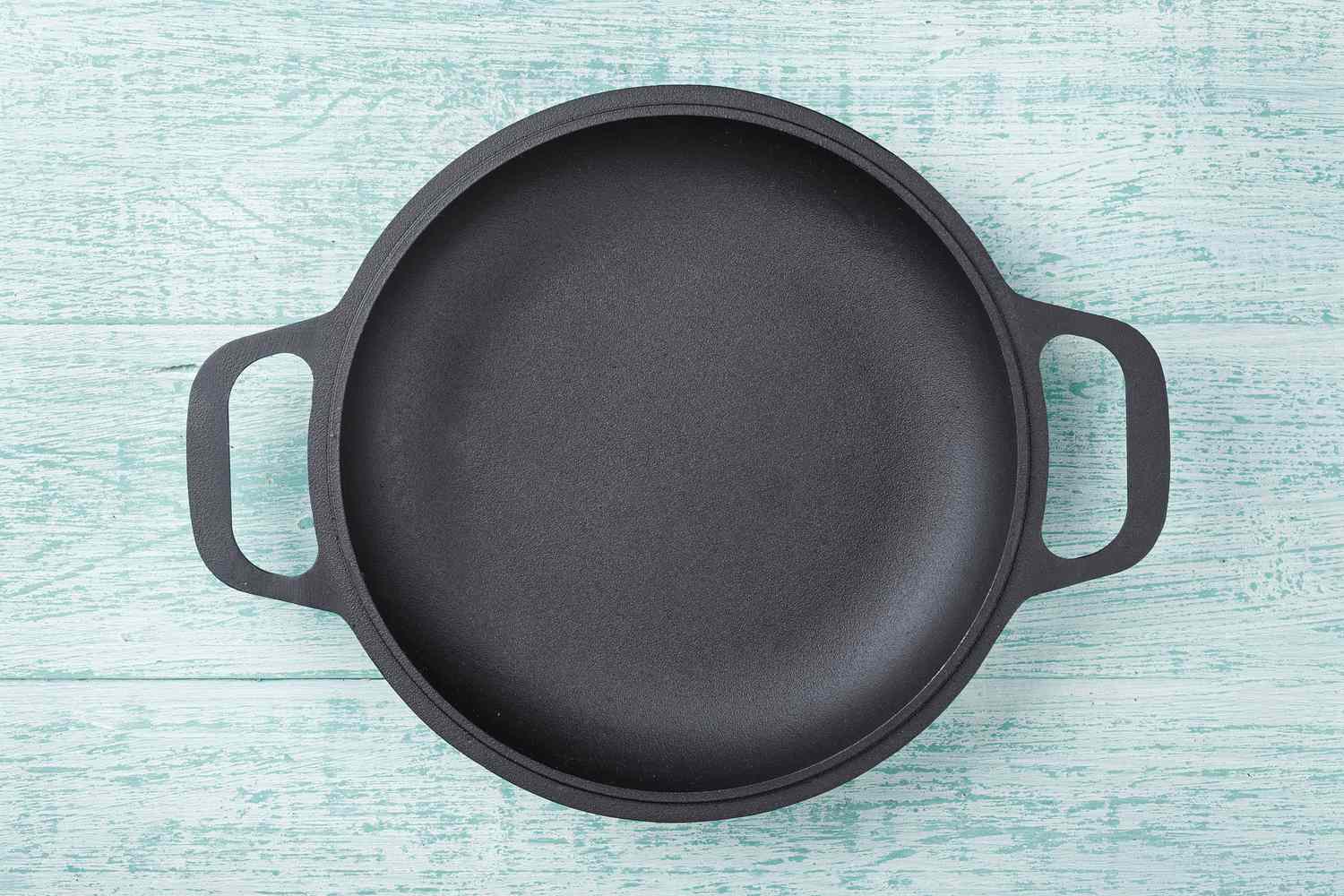
Cast iron owners tend to talk about their pans the way other people talk about family heirlooms, vintage cars, or very dramatic houseplants. Everyone has rules. Everyone swears their method is the only sane one. And somewhere in the middle of all that kitchen folklore sits one stubborn question: Can you wash a cast iron pan with soap?
The modern expert answer is refreshingly practical: yes, you usually can. A little mild dish soap is generally fine for a well-seasoned cast iron skillet. That does not mean you should treat it like a stainless steel saucepan, leave it soaking in the sink, or send it spinning into the dishwasher like a greasy amusement park ride. But the old “soap will instantly ruin your pan” warning is, for most home cooks, more myth than law.
That’s good news for anyone who has ever stared at a bacon-greased skillet and thought, “So I’m supposed to clean this with hope?” The real trick is knowing how to wash cast iron correctly, when soap makes sense, and which habits actually damage seasoning. Once you understand that, cast iron care gets a lot less intimidating and a lot more manageable.
The Real Answer: Yes, You Can Use Soap on Cast Iron
If you own a bare cast iron skillet, a few drops of mild dish soap are not the enemy many people think they are. In fact, several cookware makers and kitchen experts now say that modern dish soap is gentle enough to use when your pan truly needs it. The key phrase there is “when it needs it.”
Most cast iron cleaning sessions do not require a foamy bubble bath. If you just fried an egg in a well-seasoned pan and there is almost nothing stuck to the surface, hot water and a brush may be all you need. But if the skillet is greasy, smells like last night’s salmon, or has sticky residue clinging to the cooking surface, a little soap can help remove buildup without destroying the pan’s seasoning.
That is the part many people miss. Seasoning is not a loose layer of oil sitting on top of the pan like salad dressing. Proper cast iron seasoning is oil that has bonded to the metal through heat, creating a hard, protective surface. Mild soap can cut grease, but it does not normally rip off well-built seasoning in one dramatic swipe.
So yes, you can wash a cast iron pan with soap. The better question is this: Are you using just enough soap, cleaning it quickly, drying it completely, and re-oiling lightly when needed? That is where the experts sound most united.
Why People Still Think Soap Is Forbidden
The no-soap rule did not appear out of nowhere. It comes from older cleaning products, including harsher soaps made with ingredients that were far more aggressive than the dish liquids most people use today. Back then, soap really could be rough on seasoning, especially if the pan was not particularly well seasoned to begin with.
Kitchen wisdom has a funny habit of surviving long after the original conditions disappear. Once a warning gets passed from one generation to the next, it sticks. So now many cooks repeat, “Never use soap on cast iron,” even though modern experts often give a more flexible answer.
That does not mean the old-school crowd is completely wrong. Their caution points to a real truth: cast iron does better with gentle, minimal cleaning than with heavy-handed scrubbing. In other words, the myth grew from a useful instinct, even if the absolute rule no longer fits modern kitchens.
What Experts Agree on Most
1. Mild soap is usually okay
Today’s experts are far more likely to say “use a little mild dish soap if you need it” than “soap must never touch cast iron.” This is especially true for greasy messes, sticky residue, or strong cooking odors.
2. Soaking is a bigger problem than soap
Leaving a cast iron pan sitting in water is one of the fastest ways to invite rust. Even a well-seasoned skillet can start to complain if it spends too long in a damp sink.
3. The dishwasher is a definite no
If you want a sad-looking pan with stripped seasoning and a fresh new coat of rust, the dishwasher is a very efficient villain. Bare cast iron should be washed by hand.
4. Drying matters more than people think
Plenty of cast iron “soap problems” are really moisture problems. The pan gets washed, then left damp, then develops rust spots, and soap gets blamed like an innocent bystander in a detective show. Thorough drying is non-negotiable.
5. A light coat of oil helps maintain the finish
After cleaning and drying, many experts recommend wiping the pan with a very thin layer of oil. Not a puddle. Not a glossy swimming pool. Just enough to leave the surface protected.
How to Wash a Cast Iron Pan With Soap the Right Way
If you want a practical method that keeps both your skillet and your sanity intact, this is the approach most consistent with modern expert advice.
Step 1: Let the pan cool slightly
Do not take a ripping-hot pan and shove it under cold water. That sudden temperature change is not doing your cookware any favors. Let it cool until it is warm, not blazing.
Step 2: Rinse with warm water
Run warm water over the pan and loosen food bits with a soft brush, sponge, or pan scraper. For many everyday messes, this may solve the whole problem before soap even enters the chat.
Step 3: Add a tiny amount of mild dish soap if needed
If the pan still feels greasy or grimy, use a few drops of mild dish soap. Scrub gently with a non-abrasive sponge, nylon brush, or chainmail scrubber designed for cast iron. The goal is to remove food and grease, not sandblast the surface into a new identity.
Step 4: Rinse well
Make sure the soap is fully rinsed away. A clean pan should feel clean, not slippery.
Step 5: Dry immediately and thoroughly
Wipe the skillet dry with a towel, then place it on a burner over low heat for a minute or two to evaporate any lingering moisture. This step is small, but it earns a gold star.
Step 6: Apply a whisper-thin coat of oil
Once the pan is dry, rub in a tiny bit of neutral cooking oil with a paper towel or clean cloth. Wipe off the excess so the pan does not feel greasy. If it looks oily, keep wiping. Cast iron likes restraint.
When Soap Helps Most
There are specific situations where a little soap is not just acceptable, but genuinely useful.
After cooking fatty foods: Bacon, sausage, burgers, and skin-on chicken can leave behind greasy residue that plain water may not fully remove.
When odors linger: If your skillet smells like fish tacos from two nights ago and you are trying to make cornbread today, mild soap can help reset the flavor mood.
When buildup gets sticky: Sometimes what people think is “seasoning” is really a gunky layer of half-burned oil. Soap can help prevent that residue from building into a tacky mess.
When you bought a used or dusty pan: A secondhand skillet or a brand-new pan fresh from the box may benefit from an initial soapy wash before normal use.
When You Might Skip Soap
Soap is allowed, but it is not mandatory for every single cleanup. Many experienced cast iron cooks still prefer to skip it for light daily cleaning, especially when the pan is well seasoned and barely dirty.
If you cooked something dry and low-mess, a quick wipe, rinse, or scrub with hot water may be enough. Some cooks also like using coarse kosher salt as a gentle abrasive for stuck bits. That method can work well, especially when you want to avoid over-washing the pan.
In other words, the smartest cast iron routine is not rigid. It is responsive. Use the least aggressive method that actually gets the pan clean.
What Actually Hurts Cast Iron
If you are trying to protect your skillet, these are the habits worth worrying about more than a few drops of dish soap.
Soaking the pan
Water sitting on cast iron for long periods can lead to rust and weaken the protective surface.
Putting it in the dishwasher
This is the fastest way to turn a beloved pan into a rusty chemistry lesson. Bare cast iron and dishwashers do not belong together.
Using harsh abrasive tools every day
Steel wool and aggressive scouring pads have their place for rust removal or restoration, but they are too rough for routine cleaning.
Storing it wet
Moisture is sneaky. Even a few leftover droplets can leave rust freckles if the pan is put away damp.
Letting oil build up into sticky residue
More oil does not always mean better seasoning. Too much oil can bake into a tacky layer that feels gummy and attracts grime.
Bare Cast Iron vs. Enameled Cast Iron
This is where a lot of people get mixed up. Bare cast iron and enameled cast iron are related, but they are not cleaned the same way.
Bare cast iron has a seasoned surface built from oil and heat. It needs careful drying and occasional oiling after washing. Mild soap is generally fine, but soaking and dishwashers are out.
Enameled cast iron has a glass-like enamel coating over the iron. That means it does not rely on seasoning in the same way bare cast iron does. Mild soap is standard here, and many experts recommend soft sponges or nylon brushes for cleaning it. You still want to avoid thermal shock, metal tools that scratch, and harsh abrasives, but you do not need to baby enamel like bare iron.
So if your Dutch oven is enameled, congratulations: the soap debate is much less dramatic for you.
What to Do If Soap Seems to Dull the Pan
Sometimes people wash a pan with soap and then panic because the surface looks duller or drier. Usually, that does not mean the skillet is ruined. It often just means the pan could use a quick maintenance touch-up.
Dry it thoroughly, rub on a very thin layer of oil, and heat it gently. If the pan looks patchy, cooks stick more than usual, or rust appears, do a full re-seasoning cycle. Cast iron is resilient. It is not a crystal goblet. It can usually bounce back from ordinary mistakes with a little patience.
Common Cast Iron Cleaning Mistakes
Using too much soap
A few drops are plenty. You are cleaning a skillet, not directing a bubble parade.
Confusing grime with seasoning
Good seasoning is hard, smooth, and bonded to the pan. Sticky black flakes and gummy residue are not badges of honor.
Oiling too heavily after washing
If the skillet feels slick or sticky after storage, you probably used too much oil. Wipe more than you think you need to.
Ignoring rust because “cast iron is supposed to look rustic”
Rugged? Sure. Rusty? No. A little surface rust can be fixed, but it should not be treated as decorative character.
So, Should You Wash Cast Iron With Soap?
For most home cooks, the sensible answer is yes. Use soap when the pan is genuinely dirty, greasy, or smelly. Skip it when hot water and a brush do the job. Focus less on old kitchen superstition and more on the habits that truly matter: no long soaking, no dishwasher, dry it well, and maintain the seasoning over time.
The experts do not all phrase it the same way, but their advice points in a similar direction. Cast iron does not need fear. It needs basic care. Once you stop treating the skillet like a haunted artifact and start treating it like durable cookware, it becomes much easier to live with.
And honestly, that is part of cast iron’s charm. It is sturdy, forgiving, and built to last for decades. You do not need a secret handshake to own one. You just need warm water, common sense, and the confidence to use a little soap without feeling like you’ve betrayed your ancestors.
Experience Section: What This Looks Like in Real Kitchens
If you spend enough time around home cooks, you will notice that cast iron cleaning advice often changes the moment dinner is over. In theory, everyone has a perfect method. In reality, life looks more like this: someone sears chicken thighs, gets distracted by a phone call, leaves the skillet on the stove, remembers it later, rinses it with hot water, sees a greasy film, and reaches for the dish soap while glancing around the kitchen like they are about to break a sacred oath.
That is where real-life experience becomes helpful. Many people who were raised under the “never use soap” rule eventually try a little mild soap out of necessity and discover that the pan does not burst into flames, lose all seasoning, or file for emotional damages. It just gets clean. That experience is often what changes cast iron from intimidating cookware into everyday cookware.
There is also the bacon test, which is basically a universal cast iron rite of passage. After cooking a few strips, the pan often looks glossy, smells intense, and leaves behind a layer of grease that hot water alone may not fully remove. People who use a few drops of soap, dry the pan well, and wipe on a tiny bit of oil afterward usually find the skillet looks normal the next day. In fact, many say it looks better because the surface is clean instead of tacky.
Then there are the times when soap is clearly not the villain at all. The pan gets rusty because it sat wet overnight. Or it gets sticky because too much oil was left on after seasoning. Or it develops rough spots because someone attacked it with an aggressive scrubber every evening like they were cleaning a grill at a state fair. In these cases, the lesson is not “soap ruined cast iron.” The lesson is that cast iron responds to moisture, residue, and abrasion more than to a modest amount of dish liquid.
Experienced cast iron users also tend to become less dramatic over time. Early on, every cleanup feels like a moral decision. Later, it becomes routine. They know when to use only hot water, when to add soap, when to scrape with salt, and when a pan simply needs a quick re-seasoning. That confidence is probably the biggest difference between people who love cast iron and people who fear it.
So if your own experience with cast iron has been confusing, messy, or full of conflicting advice, welcome to the club. The good news is that modern expert guidance lines up pretty well with what seasoned home cooks eventually learn through trial and error: clean the pan properly, dry it like you mean it, oil it lightly, and do not panic over a few drops of soap. The skillet is tougher than the internet makes it sound.
Conclusion
Yes, you can wash a cast iron pan with soap, and for many messy meals, that is the most practical move. The trick is using a small amount of mild dish soap, washing by hand, drying the pan thoroughly, and giving it a light coat of oil if needed. That approach keeps the skillet clean without sacrificing the seasoning you worked hard to build.
The bigger threats are not modern dish soap. They are standing water, dishwashers, rough daily scrubbing, and putting the pan away damp. Once you separate cast iron facts from cast iron folklore, care gets a whole lot easier. And that means you can spend less time worrying about cleanup and more time making the kind of crispy potatoes, golden cornbread, and deeply seared steaks that made you buy the pan in the first place.