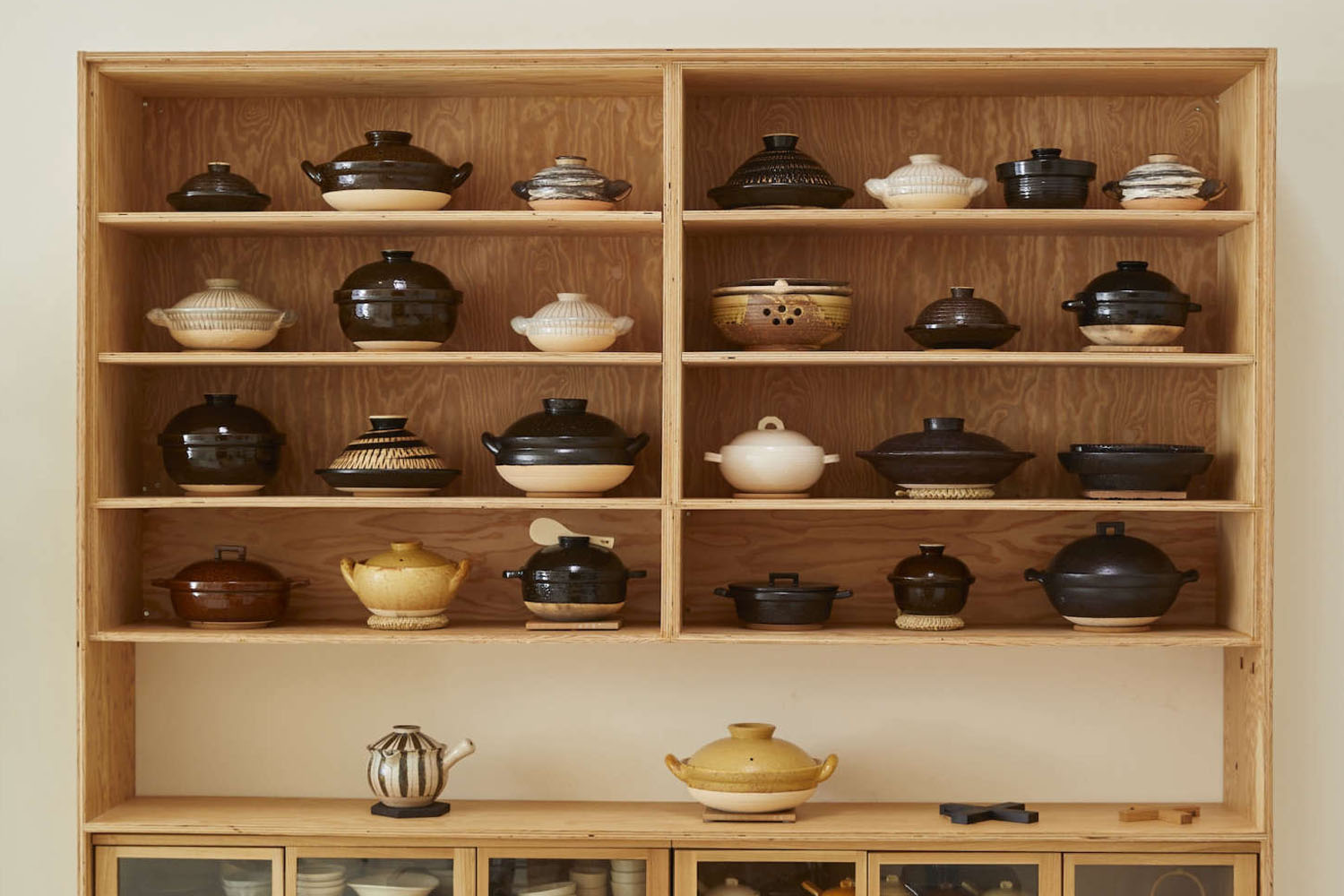
A donabe does not beep, connect to Wi-Fi, or send a notification when dinner is ready. It simply sits over a flame, quietly turning rice, broth, vegetables, seafood, and modest cuts of meat into food that tastes as though somebody paid very close attention.
Pronounced doh-NAH-bay, the name combines the Japanese words for clay and pot. Traditional donabe cookware is valued for its thick earthenware body, steady heat distribution, moisture retention, and ability to travel from stove to dining table without changing outfits. Depending on its shape, a donabe can cook rice, simmer hot pot, steam vegetables, braise meat, prepare soup, or even smoke food.
The catch is that “donabe” describes a broad family of cookware rather than one universal pot. Some models are versatile everyday workhorses. Others are specialists engineered for fluffy rice, quick steaming, slow simmering, or indoor smoking. The best donabe clay pot is therefore not necessarily the most expensive or dramatic one. It is the pot that matches how you actually cookTuesday-night habits included.
What Makes Donabe Cooking Special?
Metal cookware responds quickly when a burner is raised or lowered. Clay behaves more slowly. It absorbs heat, distributes it gently, and continues radiating warmth after the flame is turned off. That thermal momentum is useful for finishing rice, keeping soup hot at the table, and cooking fragile ingredients without bullying them into mush.
A donabe also changes the rhythm of dinner. Instead of hiding in the kitchen, the cooking vessel becomes part of the meal. A bubbling hot pot can sit in the center of the table while diners add sliced meat, mushrooms, tofu, noodles, or greens in stages. It is communal cooking with excellent broth and only a moderate risk that someone will steal the last shiitake.
For first-time buyers, an all-purpose pot between roughly 8.5 and 11 inches wide generally suits two or three diners, while a pot around 12 inches is more appropriate for four to six. Smaller individual pots excel at nabeyaki udon, porridge, and solo meals. Heat-source compatibility matters just as much: many traditional clay pots are designed for gas flames and are not automatically safe for induction or electric coil burners.
10 Easy Pieces: The Best Donabe Clay Pots to Consider
1. Nagatani-en Ame-Yu Classic-Style Donabe
Best for: First-time buyers and traditional Japanese hot pot.
Ame-Yu is the sensible starting point for anyone who wants one authentic donabe to handle many jobs. Its familiar round shape and warm amber glaze look equally comfortable holding yosenabe, chicken soup, braised vegetables, or a Western-style stew. It can be used on a gas stovetop or in the oven, making it much more than a single-purpose hot-pot vessel.
This is the pot to choose when your cooking personality is “I would like options.” Use it for shabu-shabu on Saturday, leftover-based soup on Sunday, and a slow braise whenever the weather begins making unreasonable demands. Its rustic Iga-yaki construction is durable enough for regular cooking, while the broad opening makes ingredients easy to arrange and serve.
2. Nagatani-en Kamado-san Double-Lid Rice Cooker
Best for: Rice enthusiasts who notice the difference between “cooked” and “beautifully cooked.”
Kamado-san is a purpose-built donabe rice cooker with a substantial body and double-lid design. The inner and outer lids help manage pressure and steam, producing moist, glossy grains with a pleasantly fluffy texture. The pot is made in Japan’s Iga region, where porous clay contributes to strong heat retention.
Although rice is the headline act, Kamado-san can also handle mixed rice dishes, porridge, soups, stews, braises, and certain oven preparations. The three-rice-cup version is especially practical for households that regularly cook several servings. It requires more storage space than a slim saucepan, but it may permanently raise your standards for plain white ricewhich is both a benefit and a grocery-budget hazard.
3. Nagatani-en Mushi Nabe Donabe Steamer
Best for: Vegetables, dumplings, fish, tofu, and interactive tabletop meals.
The Mushi Nabe adds a removable ceramic steaming grate to the traditional clay-pot format. Water boils beneath the grate, sending steam through openings to cook food above it. Bring the pot to the table on a suitable portable burner, and diners can enjoy successive batches of vegetables, seafood, sliced meat, or dumplings while everything is still hot.
Remove the grate and the lower vessel becomes a conventional donabe for soup, stew, rice, and hot pot. That dual function makes the Mushi Nabe a smart choice for cooks who want specialized performance without buying a cabinet full of ceramic equipment. It is particularly good for ingredients whose natural flavor deserves attention rather than a heavy sauce and an identity crisis.
4. Nagatani-en Miso-Shiru Nabe
Best for: Everyday soups, beans, braises, and slow-cooked comfort food.
Miso-Shiru Nabe has an extra-thick body designed to build and retain heat gradually. Despite its name, it is not limited to miso soup. It works well for chowders, lentils, curries, oven-baked beans, braised meat, and small-batch stews. Unlike many traditional donabe pots, this model can be heated without liquid, allowing ingredients to be sautéed or roasted before broth is added.
That ability makes it one of the most flexible pieces in this collection. Onions can soften in the pot, mushrooms can brown, and meat can develop a flavorful surface before the dish moves into its slow-simmering phase. The pot also continues cooking after the burner is switched off, so restraint is useful. Clay cookware has momentum; it does not slam on the brakes merely because you have.
5. Nagatani-en Ibushi Gin Donabe Smoker
Best for: Adventurous cooks who want compact stovetop smoking.
Ibushi Gin is the theatrical member of the donabe family. Designed as a stovetop smoker, it uses a small quantity of wood chips and tiered grates to smoke meat, fish, eggs, cheese, tofu, nuts, and vegetables. A water-filled rim helps seal the lid, limiting the amount of smoke that escapes during cooking.
Unlike many porous donabe pots, Ibushi Gin does not require rice-porridge seasoning before its first use. It should simply be rinsed and dried according to the maker’s instructions. This is not the most practical first donabe for a household that mainly wants soup or rice, but it is a memorable second or third piece for anyone who believes dinner should occasionally arrive with stage fog.
6. KINTO KAKOMI Ceramic Pot 2.5L
Best for: Modern kitchens and cooks who prefer a cleaner, minimalist design.
KINTO’s KAKOMI Ceramic Pot interprets traditional clay-pot cooking through a streamlined contemporary shape. The 2.5-liter version is sized for approximately three to four people and suits Japanese hot pot, vegetable soup, pot-au-feu, and other table-friendly dishes.
The heat-resistant ceramic body can be used over a direct gas flame, in a microwave, or in an oven, and its glass-like glaze helps resist stains and lingering odors. A separately available steaming plate expands its usefulness. This particular ceramic model is not intended for induction cooking, so shoppers should not confuse it with older or differently constructed KAKOMI products.
7. Hario GohanGama Glass-Lid Rice Cooker
Best for: Visual cooks who want to monitor rice without lifting the lid.
Hario combines a Japanese-made Banko ware ceramic base with its signature heat-resistant glass lid. The transparent cover allows cooks to observe the rice as it heats, while a whistle in the lid knob provides an audible cue during cooking. Small and large versions accommodate different quantities of rice.
This model is an approachable bridge between traditional clay cookware and familiar modern kitchen equipment. The visible condensation and gentle bubbling make the process easier to understand, especially for cooks who become nervous when a recipe says, “Do not open the lid.” The pot can also prepare seasoned rice and scorched-bottom rice dishes when technique and appetite align.
8. Hario Donabe Ceramic Cooking Pot
Best for: Multipurpose cooking with a modern glass lid.
Hario’s general-purpose Donabe Ceramic Cooking Pot uses a Banko ware body and heatproof glass lid in a broad, practical format. The two-liter small model can cook rice, stews, vegetables, and shared one-pot meals. Wide side handles make it easier to move than pots with tiny decorative gripsalthough oven mitts remain mandatory because optimism is not heat protection.
The neutral black-and-glass design works with both Japanese and Western table settings. Choose it when you want the thermal character of ceramic cookware but prefer to see what is happening inside the pot. It is less rustic than a handmade Iga-yaki donabe, yet highly adaptable for everyday meals.
9. MUJI Banko Ware Ceramic Pot
Best for: Affordable entry into Japanese clay-pot cooking.
MUJI’s transparent-glaze Banko ware pots offer straightforward shapes, restrained styling, and several household-friendly sizes. The 1.6-quart medium version is intended for roughly two to three people, while the 2.5-quart large pot better suits three to four. Both are promoted for soup, rice, and hot-pot cooking.
This is an appealing option for beginners who are curious about donabe cooking but are not ready to invest in a highly specialized artisan model. The simple appearance also lets the food provide the color. A pile of napa cabbage, mushrooms, tofu, and sliced beef looks especially inviting against the subdued ceramic surface.
10. Ginpo Sumikannyu Donabe
Best for: Traditional style, multiple size choices, and value.
The Ginpo Sumikannyu is a classic handled donabe available in several diameters. Its crackled glaze and rounded form create the familiar Japanese hot-pot presentation, while the range of sizes makes it useful for everything from individual noodles to group meals.
It is suited to nourishing soups, stews, shabu-shabu, and other brothy preparations. Smaller models are convenient for a single diner, while larger versions become a centerpiece for shared meals. For cooks who want a recognizable traditional design without immediately entering premium artisan territory, this Ginpo pot is a practical and attractive candidate.
How to Choose the Right Donabe
Start With the Dish You Cook Most
Choose Kamado-san or GohanGama when rice is the priority. Select Mushi Nabe for steaming, Ibushi Gin for smoking, or a classic pot such as Ame-Yu, KAKOMI, MUJI Banko Ware, or Ginpo Sumikannyu for hot pot and general cooking. A specialized pot can produce exceptional results, but an all-purpose model usually provides better value for a first purchase.
Check Your Stove Before Falling in Love
Traditional donabe cookware is commonly intended for direct gas flame. Some products work with ovens, microwaves, electric heating elements, or induction, but compatibility varies by model. Never assume that a metal-looking base or modern design guarantees induction support. Follow the manufacturer’s instructions rather than conducting a costly experiment with your favorite new pot.
Buy for Your Real Household Size
An enormous donabe may look magnificent in photographs, but it requires more broth, more ingredients, more burner space, and more storage. Couples and small households often get more use from medium pots. Frequent hosts may benefit from a larger vessel or two medium donabe pots, which also allow separate broths for diners with different preferences.
Essential Donabe Care Tips
Many traditional porous donabe pots require seasoning, called medome, before their first use. A common method involves gently simmering rice porridge so starch can help seal tiny pores. However, some modern glazed ceramics and specialized models do not need this process. The product manual always outranks generic internet advice.
Avoid thermal shock. Do not place a hot pot on a cold or wet surface, add icy liquid to heated clay, or raise the burner aggressively unless the manufacturer specifically permits it. Make sure the exterior is dry before heating, and never heat an empty traditional donabe unless its instructions explicitly say that dry heating is safe.
After cooking, allow the pot to cool naturally. Wash it gently, avoid long soaking, and dry it completely before storage. Porous clay can retain moisture, odors, and traces of detergent. Fine lines in the glaze may develop over time; in many traditional pieces, this crackled patina is considered part of the pot’s evolving character rather than an automatic sign of failure.
Experience Notes: What Living With a Donabe Is Really Like
The first practical surprise of donabe cooking is how little drama occurs on the stove. A stainless-steel saucepan can leap from a polite simmer to a foamy rebellion while you chop scallions. A thick clay pot warms more deliberately. That slower response initially feels unfamiliar, but it encourages better habits: ingredients are prepared before the burner is lit, heat adjustments are smaller, and the cook pays attention to scent, steam, and sound.
Rice provides the clearest demonstration. The process begins with rinsing and soaking, which can feel unnecessarily ceremonial when an electric cooker is sitting three feet away. Then the flame is lit, steam appears, the heat is adjusted, and eventually the burner is turned off while the sealed pot rests. Lifting the lid reveals separate, glossy grains and a clean, sweet aroma. Suddenly, plain rice stops behaving like background scenery.
Hot pot offers a different experience. The preparation happens before dinner: mushrooms are trimmed, cabbage is cut, tofu is drained, meat is sliced, and dipping sauces are mixed. Once everyone sits down, the cook is no longer trapped in the kitchen finishing six separate components. The meal unfolds around one simmering vessel. Delicate greens go in late, noodles arrive near the end, and the broth becomes deeper as each ingredient contributes flavor.
There are lessons. A donabe remains hot much longer than its quiet appearance suggests. Touching the handles without protection is a mistake generally made once. Overfilling the pot is another beginner classic. Clay cookware needs breathing room, particularly when starchy noodles or rice are involved. The lid may rattle, broth may rise, and the stovetop may receive an unscheduled soup treatment.
Cleanup is easier when handled promptly but patiently. The pot must cool before washing, so it cannot be rushed directly from dinner to the sink. Stubborn residue usually responds better to warm water, soaking only as directed, and gentle cleaning than to furious scrubbing. A donabe rewards calm behavior and seems personally offended by steel wool.
The most lasting experience, however, is visual. A donabe makes an ordinary meal feel complete before anyone takes a bite. Rice can be served from the vessel in which it cooked. Soup stays warm through second helpings. A humble arrangement of tofu, carrots, mushrooms, and greens looks intentional rather than improvised. The cookware becomes part of the table, not something that must be hidden before guests arrive.
Over time, a well-used donabe may develop fine glaze lines, subtle stains, and other signs of regular cooking. Instead of looking ruined, it begins to look established. That aging process is one reason clay pots often inspire more attachment than anonymous metal cookware. They record meals in small visual changes: winter hot pots, Sunday rice, experimental curries, and the evening somebody added far too many noodles.
For a first meal, simplicity is the best strategy. Try kombu broth with napa cabbage, mushrooms, tofu, green onion, and thinly sliced chicken or pork. Serve it with ponzu or sesame sauce, then add cooked rice or noodles to the concentrated broth at the end. This sequence demonstrates what donabe cooking does particularly well: gentle heat, layered flavor, attractive presentation, and a dinner that improves as it progresses.
Conclusion: A Clay Pot Worth Keeping on Display
The best donabe clay pots combine practical cooking performance with the pleasure of serving food directly from a beautiful vessel. An all-purpose model such as Ame-Yu, KAKOMI, MUJI Banko Ware, or Ginpo Sumikannyu suits cooks who want soups, stews, and shared hot pots. Kamado-san and GohanGama serve rice devotees, while Mushi Nabe and Ibushi Gin turn steaming and smoking into memorable tabletop experiences.
Whichever piece you choose, match it to your stove, household size, and favorite meals. Treat the clay gently, follow the maker’s care instructions, and resist the temptation to apply maximum heat simply because dinner is running late. A good donabe is not fast-food technology. It is patient cookwareand patience, inconveniently enough, tastes excellent.
Note: Product availability, specifications, sizing, and cooktop compatibility may change. Review the manufacturer’s latest instructions before purchasing, seasoning, heating, or cleaning any donabe.