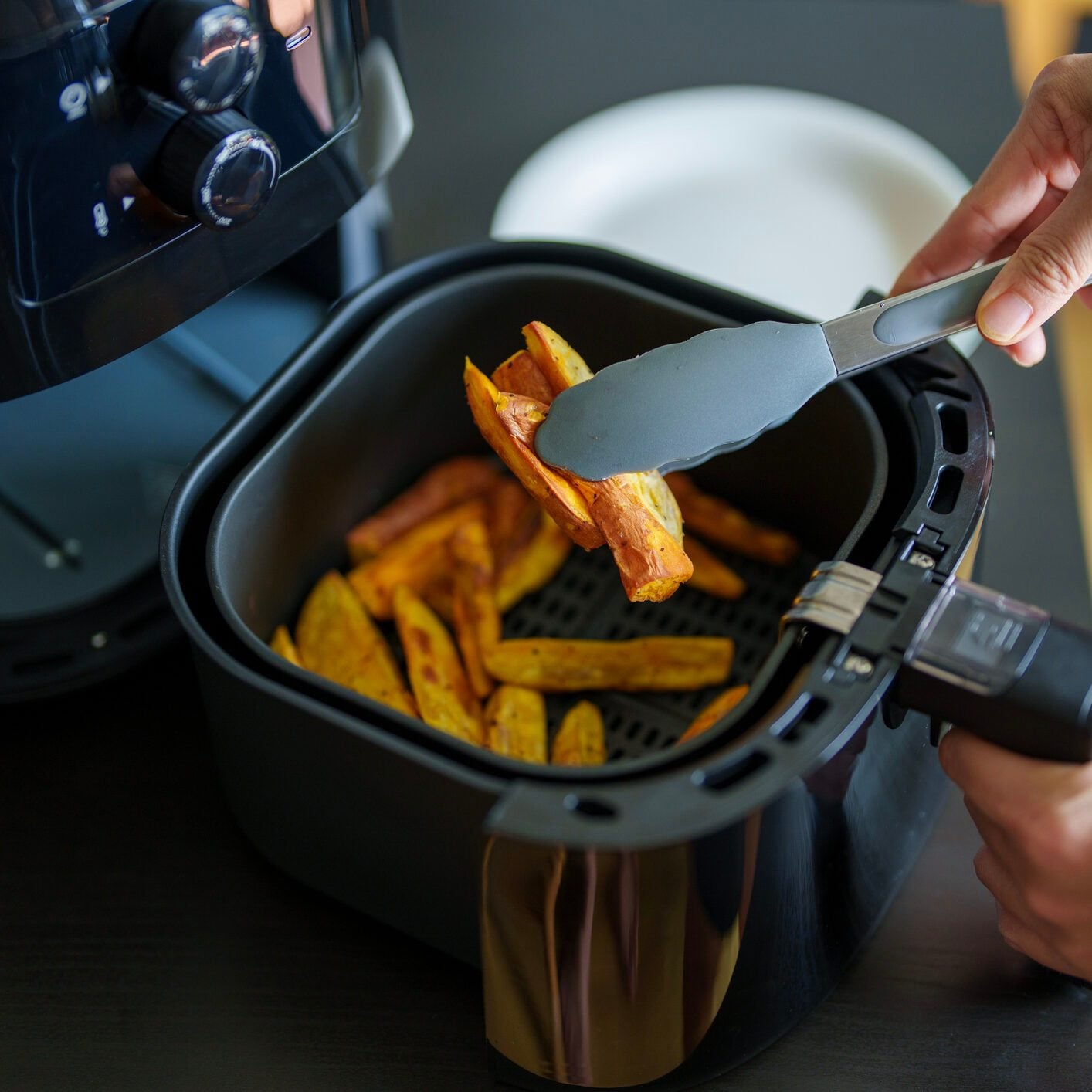
An air fryer is the kitchen appliance that somehow convinced millions of people that “frying” could happen without a bubbling pot of oil and a small emotional support towel for splatter. But what does an air fryer actually do to your food? In simple terms, it blasts food with fast, hot air so the outside dries, browns, and crisps while the inside cooks through. It is not magic, although the first time leftover pizza comes out with a crackly bottom and melty cheese, it may feel like a tiny countertop wizard has joined the household.
The real story is part food science, part convenience, and part “please stop overcrowding the basket.” Air frying changes the texture, moisture, color, fat content, and cooking speed of food. It can make frozen fries taste less like cardboard sadness, turn vegetables into crispy little snack nuggets, and reheat leftovers better than many microwaves. But it can also dry out chicken, burn delicate coatings, and make battered foods look like they had a rough morning if you do not use it correctly.
This guide breaks down what happens inside the air fryer, how it affects nutrition and flavor, what foods work best, and how to get better results without turning dinner into a crunchy science experiment.
How an Air Fryer Works: Hot Air With a Mission
An air fryer is basically a compact convection oven with attitude. Inside the appliance, a heating element creates high heat, while a powerful fan circulates that heat around the food. Most models use a perforated basket or tray so air can move around the top, sides, and bottom of the food. That airflow is the reason air fryer food can brown more evenly than food sitting flat on a regular baking sheet.
Deep frying cooks food by surrounding it with hot oil. Air frying cooks food by surrounding it with fast-moving hot air. That difference matters. Oil transfers heat extremely efficiently and gives deep-fried food its rich, crunchy crust. Air cannot do everything oil can do, but rapid air circulation can remove surface moisture quickly, encourage browning, and create a crisp exterior with far less added fat.
The Air Fryer Is Not Really Frying
The name “air fryer” is catchy, but technically it is not frying in the traditional sense. Frying means cooking food in hot fat. Air frying is closer to roasting, baking, and convection cooking. However, because the machine is small and the air moves quickly, it can mimic some of the best parts of frying: crisp edges, golden color, and a satisfying crunch.
Think of it this way: a regular oven is like a warm breeze. An air fryer is like a tiny food tornado with a heating element. That speed is why air fryers can cook many foods faster than a standard oven and why they often do such a good job with frozen snacks, potatoes, wings, tofu, and roasted vegetables.
What Air Frying Does to Texture
Texture is where the air fryer earns its countertop real estate. The fast-moving hot air pulls moisture away from the surface of food. Once the surface becomes dry enough, browning can happen. This is why fries, chicken tenders, Brussels sprouts, and breaded foods can develop a crisp outer layer.
The inside of the food behaves differently. While the outside dries and browns, the inside heats more slowly. If the timing is right, you get a crisp shell and a tender center. If the timing is wrong, you get dry chicken, leathery fish, or sweet potato fries that are somehow burnt and floppy at the same time. The air fryer gives great texture, but it is not forgiving when food is too thin, too wet, or cooked too long.
Why Food Gets Crispy
Crispiness depends on moisture control. Wet surfaces steam instead of brown. That is why patting food dry before air frying can make a big difference. A dry potato wedge browns. A wet potato wedge sulks in the corner and becomes soft.
A small amount of oil also helps. Even though air fryers are famous for using little oil, “little” does not always mean “none.” A teaspoon or two of oil can help seasonings stick, encourage even browning, and create a more satisfying crust. Oil also helps carry flavor. Without it, vegetables may taste flat, and breaded foods may turn dry or powdery.
What Air Frying Does to Flavor
Air frying boosts flavor mainly through browning. When proteins and natural sugars in food are exposed to high heat, they create new flavors, aromas, and colors. This browning reaction is the reason roasted potatoes smell amazing, toasted bread tastes better than plain bread, and a golden chicken wing looks more inviting than a pale one.
Air fryers are especially good at creating roasted, toasted, savory notes. Broccoli becomes nutty at the edges. Chickpeas turn snackable. Carrots get sweeter. Chicken skin crisps. Leftover pizza tastes like it remembered its purpose in life.
However, air frying does not create the exact same flavor as deep frying. Deep-fried food absorbs some oil, and that oil contributes richness. Air-fried food is lighter and less greasy, which many people prefer. But if you expect air-fried fries to taste exactly like restaurant fries pulled from a deep fryer, your taste buds may raise an eyebrow.
What Air Frying Does to Moisture
Air fryers are excellent at drying the surface of food, but that same power can dry out the inside if you are not careful. Foods with natural fat or moisture usually perform well. Chicken thighs, salmon, meatballs, tofu, potatoes, and many frozen foods can handle the heat. Very lean foods, thin fish fillets, and small chicken breasts need more attention.
The key is balance. You want enough heat to brown the outside without cooking the inside into a sad little chew toy. For lean proteins, a marinade, light oil coating, or shorter cooking time can help. For vegetables, cutting pieces evenly prevents some pieces from burning while others remain undercooked.
Why Some Foods Turn Dry
Dryness usually comes from three mistakes: cooking too long, using too high a temperature, or putting food in pieces that are too small. Air fryers cook quickly because the chamber is compact and the fan is strong. That means a few extra minutes can matter. A chicken breast that is juicy at 12 minutes may be dry at 17 minutes.
Another common issue is skipping the flip or shake. Air moves well in the basket, but food still benefits from being turned halfway through cooking. Fries, nuggets, vegetables, and wings all brown better when they get a mid-cook shake. It is the air fryer version of “turn around, you are getting crispy on only one side.”
Does an Air Fryer Make Food Healthier?
An air fryer can make certain foods lighter than deep-fried versions because it uses much less oil. Less oil usually means fewer calories and less total fat. For example, homemade air-fried potato wedges made with a small amount of oil will typically be less greasy than potatoes deep fried in a vat of oil. Air-fried chicken tenders can also be a lighter option than traditional fried chicken if the coating and portion size are reasonable.
But an air fryer does not automatically make food healthy. A frozen mozzarella stick is still a frozen mozzarella stick, even if it took a scenic trip through hot air. Air frying can improve the cooking method, but it does not transform ultra-processed foods into vegetables wearing tiny halos.
The biggest nutrition benefit comes when the air fryer helps you cook more whole foods. If it makes you more likely to prepare salmon, chicken, green beans, cauliflower, sweet potatoes, tofu, or chickpeas at home, that is a real win. If it only becomes a machine for reheating frozen snacks, it is still useful, but the health upgrade is smaller.
Air Frying and Acrylamide: What to Know
Acrylamide is a chemical that can form in some starchy foods during high-temperature cooking, including frying, roasting, and baking. It is most associated with foods like French fries, potato chips, toast, and other browned grain or potato products. Air frying may reduce oil exposure compared with deep frying, but high heat can still create browning compounds, including some acrylamide in certain foods.
The practical advice is simple: aim for golden, not burned. Dark brown or charred potatoes may look dramatic, but dinner does not need a smoky villain arc. Soaking or rinsing cut potatoes, drying them well, cooking at moderate temperatures, and avoiding excessive browning can help reduce acrylamide formation. A varied diet also matters. No single appliance should be responsible for your entire personality or your entire meal plan.
What Foods Work Best in an Air Fryer?
The best air fryer foods are usually foods that benefit from dry heat and surface browning. Potatoes are the obvious superstar. Fries, wedges, hash browns, and baby potatoes can become crisp outside and fluffy inside. Chicken wings and thighs also do well because they contain enough fat to stay juicy while the skin or coating crisps.
Vegetables are another air fryer success story. Brussels sprouts, cauliflower, broccoli, carrots, zucchini, green beans, and asparagus can become browned and flavorful quickly. The trick is to cut them evenly, use a little oil, season generously, and avoid piling them into a vegetable mountain. Air needs space to move. If the basket is packed too tightly, the food steams instead of crisps.
Great Air Fryer Foods
- Potato wedges, fries, tater tots, and hash browns
- Chicken wings, chicken thighs, and breaded chicken cutlets
- Salmon, shrimp, and firm fish fillets
- Tofu cubes, chickpeas, and veggie patties
- Brussels sprouts, broccoli, cauliflower, carrots, and green beans
- Frozen snacks, dumplings, egg rolls, and reheated pizza
What Foods Do Not Work Well?
Not every food belongs in the air fryer. Wet battered foods are the classic disappointment. A loose batter needs hot oil to set quickly. In an air fryer, it may drip through the basket and create something that looks less like dinner and more like a kitchen crime scene.
Leafy greens can also be tricky because the fan may blow them around. Spinach chips sound cute until they fly into the heating element like tiny green confetti. Very light foods need to be weighed down or cooked another way. Large roasts may cook unevenly unless your air fryer is designed for bigger items. Foods with lots of cheese can melt before the outside crisps, unless they are breaded, contained, or cooked carefully.
Air Fryer Food Safety: Crispy Is Not the Same as Cooked
One of the biggest myths about air fryers is that browning means doneness. It does not. Food can look crispy outside and still be undercooked inside, especially poultry, meat, seafood, and leftovers. A food thermometer is the most reliable way to know whether food is safe.
Poultry should reach 165°F. Ground meats should reach 160°F. Whole cuts of beef, pork, veal, and lamb should reach 145°F followed by a rest time. Fish should be cooked until it reaches a safe internal temperature and flakes easily. These numbers matter because the air fryer is fast, and fast cooking can sometimes brown the outside before the center is fully done.
Also, do not leave cooked food sitting out for hours. The air fryer may be modern, but bacteria remain deeply old-fashioned. Refrigerate leftovers promptly and reheat them thoroughly.
How Air Frying Changes Different Foods
Potatoes
Air frying pulls moisture from the surface of potatoes, helping them brown and crisp. A little oil improves the crust. Soaking cut potatoes in water before cooking can remove surface starch, which may improve texture. Dry them thoroughly before air frying, because wet potatoes steam.
Chicken
Chicken can become beautifully browned in an air fryer, especially wings, thighs, and breaded pieces. Lean chicken breast needs careful timing. A light coating of oil, a marinade, or a breadcrumb crust can help protect the meat from drying out.
Vegetables
Air frying concentrates flavor by driving off moisture and browning the edges. Broccoli becomes crisp-tipped, carrots taste sweeter, and cauliflower gets a roasted flavor quickly. Dense vegetables should be cut smaller than watery vegetables so everything finishes around the same time.
Fish and Seafood
Salmon and shrimp can cook quickly in an air fryer. The benefit is speed; the risk is overcooking. Use moderate heat, check early, and avoid walking away as if the salmon signed a contract to stay moist forever.
How to Get Better Air Fryer Results
The first rule is do not overcrowd the basket. Air fryers need airflow. When food is stacked too tightly, hot air cannot reach every surface, and the food steams. Cook in batches when necessary. Yes, batches require patience. No, your fries do not care about your schedule.
The second rule is to use a little oil when it helps. A light coating can improve browning and flavor. Use oils suited for higher-heat cooking, and avoid soaking the food. The goal is shimmer, not swimming lessons.
The third rule is to shake or flip food halfway through. This helps expose more surfaces to heat. It is especially useful for fries, nuggets, vegetables, wings, and tofu. For delicate foods like fish, flip gently or use parchment designed for air fryers.
Finally, clean the basket. Old crumbs and oil can smoke, smell, and affect flavor. Nobody wants today’s green beans haunted by last week’s onion rings.
Is Air-Fried Food Better Than Oven-Baked Food?
Air frying and oven baking are cousins. Both use hot air, but the air fryer is smaller and usually circulates air more aggressively. That often means faster cooking and crispier surfaces. A regular oven is better for large batches, sheet-pan meals, cakes, casseroles, and anything that needs gentle, even space. An air fryer is better for quick portions, reheating, crisping, and foods that benefit from concentrated airflow.
For one or two people, an air fryer can be more convenient than heating a full oven. For a family dinner with multiple trays, the oven may still win. The smartest kitchen is not air fryer versus oven. It is air fryer plus oven, each doing what it does best.
Personal Experience: What Using an Air Fryer Teaches You Over Time
The first thing an air fryer teaches you is humility. You may begin with confidence, toss in a mountain of fries, press a button, and expect restaurant-level glory. What comes out may be a mix of crispy tips, pale middles, and a few pieces that look personally offended. That is when you learn the sacred air fryer truth: space matters. Once food is arranged in a single layer, the results improve immediately. The machine was not failing. It was simply trying to breathe.
After a few weeks, you start noticing patterns. Frozen foods are usually easy. They are often designed to crisp, and the air fryer handles them well. Frozen fries, nuggets, fish sticks, and dumplings can come out better than they do in a microwave and faster than they do in an oven. Leftovers are another surprise. Pizza reheats with a crisp crust. Fried chicken regains some crunch. Roasted vegetables come back to life instead of turning soggy and defeated.
Fresh foods take more judgment. Chicken thighs are forgiving because they have enough fat to stay juicy. Chicken breast is less forgiving and needs shorter cooking, even thickness, or a protective coating. Salmon cooks quickly, which is wonderful until you forget about it for three extra minutes. Vegetables become more exciting, especially when you use enough seasoning. A little olive oil, garlic powder, smoked paprika, salt, and pepper can turn cauliflower into something people pick at before dinner like it is popcorn.
You also learn that “no oil” is not always the best goal. The air fryer can reduce oil, but food often tastes better with a small amount. A teaspoon of oil spread over vegetables or potatoes can create better browning and a more satisfying bite. The difference between dry and delicious can be surprisingly small.
Another real-life lesson: preheating can help, but it depends on the food and the model. Some air fryers heat quickly enough that preheating feels unnecessary. Others perform better when they get a few minutes to warm up. For foods that need an immediate crisp surface, like fries or breaded chicken, preheating often improves texture. For reheating leftovers, it may not matter as much.
Cleaning habits matter too. If you clean the basket after each use, the air fryer stays pleasant. If you do not, crumbs collect, oil residue builds up, and eventually the machine smells like a mystery diner at midnight. A quick wash prevents smoke, off-flavors, and the awkward moment when your toast tastes faintly like garlic shrimp.
The best experience comes when you stop treating the air fryer as a miracle machine and start treating it as a tool. It is excellent for crisping, browning, reheating, and making small meals quickly. It is not perfect for wet batters, huge portions, or foods that need gentle cooking. Once you understand that, the air fryer becomes less of a gadget and more of a reliable kitchen helper. It will not make every meal healthy, but it can make home cooking easier, faster, and a lot more fun. And on a busy night, crispy potatoes in fifteen minutes can feel like a personal victory.
Conclusion: So, What Does an Air Fryer Do to Your Food?
An air fryer changes food by surrounding it with fast, hot air. That airflow dries the surface, encourages browning, creates crisp texture, and cooks food quickly. Compared with deep frying, it usually uses much less oil, which can reduce fat and calories in many dishes. Compared with a microwave, it is far better at restoring crunch. Compared with a standard oven, it is often faster and more efficient for smaller portions.
But the air fryer is not a nutrition fairy godmother. It does not make every food healthy, and it does not replace basic cooking skills. Food still needs space, seasoning, proper timing, and safe internal temperatures. Use it well, and it can help you make crispy vegetables, juicy proteins, better leftovers, and lighter versions of fried favorites. Use it poorly, and you may end up with dry chicken and fries that taste like they gave up on their dreams.
The air fryer’s real power is not that it fries without oil. It is that it makes crispy, flavorful, home-cooked food easier to pull off on a normal day. That is a pretty good trick for a countertop box with a fan.