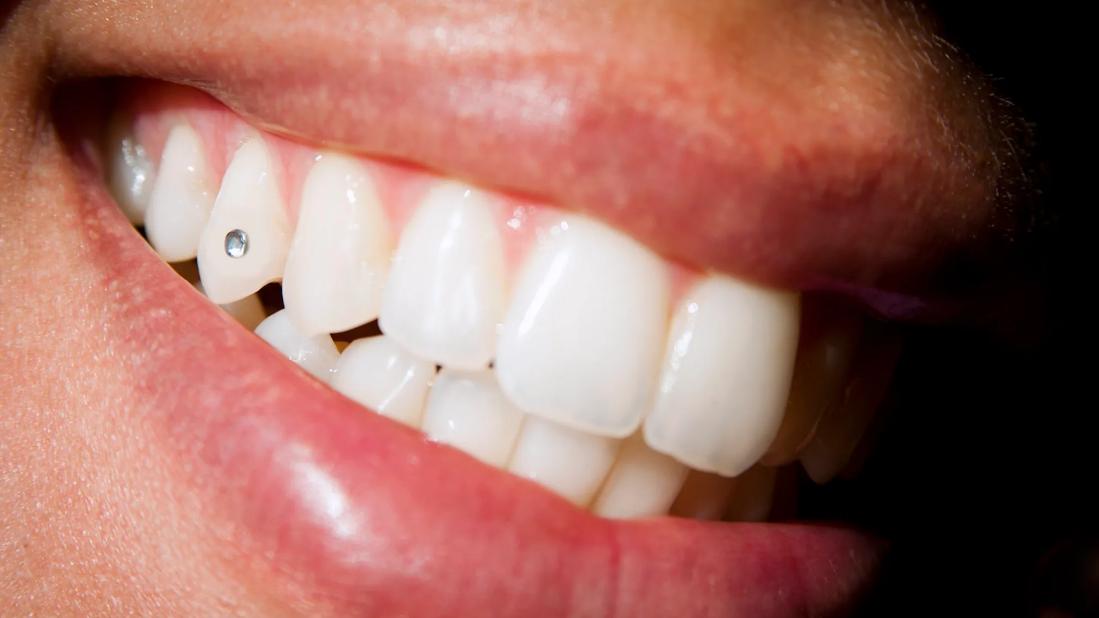
Tooth gems are tiny, sparkly accessories bonded to the front of a tooth. They can look subtle, playful, glamorous, or delightfully extradepending on whether you choose one small crystal or turn your smile into a miniature disco ball. But before you book an appointment, it is worth understanding how tooth gems work, what can go wrong, and how to protect the teeth underneath the sparkle.
A tooth gem may be small, but it lives in one of the busiest places in your body. Your mouth deals with chewing, temperature changes, bacteria, coffee, crunchy snacks, and the occasional attempt to open a package with your teeth. In other words, it is not exactly a peaceful spa environment.
This guide explains what to know before getting tooth gems, including safety, placement, dental risks, aftercare, removal, and the questions to ask before letting anyone put a rhinestone near your enamel.
What Are Tooth Gems?
Tooth gems are small decorative crystals, gold charms, diamonds, or metal designs attached to the visible surface of a tooth. They are usually placed on upper front teeth, especially the incisors or canines, because those teeth are easy to see when you smile.
Most modern tooth gems are considered semi-permanent. A trained dental professional typically prepares the tooth surface, applies dental-grade bonding material, positions the gem, and uses a curing light to harden the adhesive. The process is often similar to bonding an orthodontic bracket, although the cosmetic goal is much more “sparkle” than “straight teeth.”
Properly applied tooth gems should not require drilling into healthy enamel. That is an important distinction. A non-invasive tooth gem sits on the tooth surface. A permanent jewel that requires drilling or cutting into the tooth is a much bigger commitment and may require a filling or restoration if you later remove it.
Tooth Gems Are Cosmetic, Not Dental Treatment
Tooth gems do not strengthen teeth, whiten enamel, fix chips, or improve oral health. They are purely decorative. Think of them as jewelry for your smile, not a treatment plan. That does not make them automatically unsafe, but it does mean the benefits are aesthetic while the risks are still real.
Are Tooth Gems Safe?
Tooth gems can be relatively low-risk when they are placed and removed by a qualified dental professional, on a healthy tooth, using dental-safe materials. The safety part matters because the gem itself is only one piece of the equation. The adhesive, placement, polish, bite pattern, hygiene habits, and removal technique all matter too.
The biggest concern is not usually the little crystal. It is what happens around it. A gem can create tiny edges where plaque, food particles, and bacteria collect. If that area is not cleaned carefully, the risk of tooth decay, discoloration, gum irritation, or enamel damage can increase.
Dental professionals also worry about poorly placed gems that rub against the lip, interfere with the bite, or create a rough surface that traps plaque. A gem that looks cute in a mirror can become much less charming when it feels like a tiny pebble scraping the inside of your lip every time you talk.
Who Should Think Twice Before Getting a Tooth Gem?
A tooth gem is not a great idea when you have untreated cavities, active gum disease, inflamed gums, weak enamel, tooth sensitivity, cracked teeth, or poor oral hygiene. It may also be a poor fit for people who grind or clench their teeth, because repeated force can loosen the gem or damage the tooth it hits.
People with braces, aligners, crowns, veneers, bonding, implants, or other dental work should ask their dentist before getting a gem. Some surfaces may not bond predictably, and some dental appliances can make cleaning or placement more complicated.
If you are prone to metal allergies, ask exactly what the gem and adhesive contain. A crystal, gold charm, metal design, and inexpensive mystery charm from a random online kit are not interchangeable products.
Do Not Treat Tooth Gems Like a DIY Craft Project
There is a major difference between dental bonding material and whatever glue is currently holding together your broken sunglasses. Tooth gems should never be attached with nail glue, super glue, lash glue, craft adhesive, or any other product not designed for use inside the mouth.
DIY tooth gem kits may look inexpensive and easy, especially when a five-second social media video makes the process seem as simple as applying a sticker. The problem is that your tooth is not a phone case. Improper adhesive can irritate soft tissue, leave residue, damage enamel, trap bacteria, or make removal difficult.
At-home kits also create sanitation concerns. Your mouth contains bacteria, and a poorly cleaned or poorly placed gem can create an ideal little apartment complex for plaque. The tenants will not pay rent, but they may contribute to cavities.
Why Professional Placement Matters
A dental professional can evaluate whether the tooth is healthy enough for a gem, choose a location that does not interfere with your bite, use appropriate materials, and polish the edges of the bonding material. They can also tell you when a tooth gem is not a good idea.
That last part is underrated. A trustworthy provider is not someone who says yes to every request. It is someone who can explain why your chosen tooth, design, or placement might create unnecessary risk.
Questions To Ask Before Getting Tooth Gems
Before you commit to a little dental sparkle, ask the provider a few practical questions. You are not being difficult. You are being the CEO of your own enamel.
- Are you a licensed dentist, or are you working under the supervision of one?
- What materials will you use for the gem and adhesive?
- Will this placement require drilling or permanent alteration of the tooth?
- Can you check my teeth and gums first for cavities, weak enamel, or gum inflammation?
- Will the gem interfere with my bite, lips, or nearby teeth?
- How long should I expect it to last?
- How should I clean around it?
- What happens if the gem falls off, chips, feels sharp, or becomes loose?
- Can you remove it safely later without damaging my enamel?
Also ask to see examples of healed or long-term work, not only fresh placement photos taken under flattering ring-light conditions. A tooth gem can look perfect for ten minutes. The more important question is whether it stays comfortable, clean, and secure after months of normal life.
What Happens During a Professional Tooth Gem Appointment?
A professional appointment usually begins with an oral health check and a discussion about your goals. The provider may recommend a particular tooth or position based on your smile, bite, and the shape of your teeth.
The tooth is cleaned and isolated to keep it dry. The surface may be lightly conditioned with a dental etching material so the bonding resin can hold. Then the provider applies dental adhesive, places the gem, and uses a curing light to harden the material.
The appointment is generally quick and should not hurt when it is performed on a healthy tooth. You may feel a little strange afterward because your tongue and lips are excellent detectives. They will immediately notice that something new exists in the neighborhood.
Choose a Design That Works With Your Mouth
Smaller, smoother designs are generally easier to tolerate and clean than large, sharp, bulky, or heavily textured charms. A giant metal lightning bolt may look amazing in a close-up photo, but it can be less amazing if it rubs your lip or changes the way your teeth come together.
Placement matters too. A gem should not sit where it repeatedly strikes another tooth when you bite down. Your provider should check your bite before you leave, not simply hand you a mirror and a compliment.
The Main Risks of Tooth Gems
Plaque Buildup and Cavities
Tooth gems can create a surface where plaque and food debris collect. That does not mean every gem causes a cavity, but it does mean brushing becomes more important. If plaque stays around the edges of the gem, it can contribute to enamel demineralization and tooth decay.
Gum Irritation
A poorly positioned gem can irritate the lip, cheek, or gumline. Repeated rubbing can make soft tissue sore, and rough bonding material may create an annoying scratchy feeling. If a gem hurts, feels sharp, or causes swelling, do not wait for your mouth to “get used to it.” Contact a dentist.
Chipping or Damage to Teeth
Tooth gems may loosen or crack if you bite hard foods, grind your teeth, or accidentally hit the gem against another tooth. A gem placed too close to a biting edge can also increase the chance of chipping an opposing tooth.
Staining or Discoloration
The adhesive around a tooth gem may collect stains over time, especially if you regularly drink coffee, tea, red wine, cola, or deeply pigmented foods. Smoking and tobacco use can also contribute to discoloration and gum problems.
Enamel Damage During Removal
The gem itself is not the only concern. Improper removal can be worse than placement. Pulling, scraping, prying, or biting off a gem can damage the enamel surface. Once enamel is lost, your body does not grow it back like a fresh coat of paint.
How To Care for Tooth Gems
Good aftercare is what separates a cute smile accessory from an unexpected dental bill. Brush twice daily with fluoride toothpaste and a soft-bristled toothbrush. Brush carefully around the edges of the gem, where plaque is most likely to settle.
Floss normally between your teeth, and keep regular dental checkups. A tooth gem on the front surface of a tooth should not prevent flossing, but it can make you more aware of your oral hygiene habits. That is not a bad thing, unless your usual dental routine is “I remembered this morning, probably.”
Avoid picking at the gem with your fingernails, teeth, utensils, or whatever object happens to be nearby during a boring meeting. Do not chew ice, pens, hard candy, or other non-food items. Your teeth have enough jobs already.
Call your dentist if you notice persistent sensitivity, gum swelling, bleeding, a bad taste, a loose gem, a sharp edge, visible discoloration around the gem, or a change in your bite.
How Long Do Tooth Gems Last?
Tooth gems are not permanent, but their lifespan varies widely. Some last a few months, while others remain in place for a year or longer. How long a tooth gem stays attached can depend on your bite, oral hygiene, eating habits, grinding, the tooth surface, the bonding method, and plain old mouth chemistry.
If a gem falls off on its own, do not try to glue it back on. Save it if possible and contact the provider or a dentist. The tooth may need to be cleaned and checked before anything is rebonded.
Can Tooth Gems Be Removed Safely?
Yes, a dentist can usually remove a professionally applied tooth gem by carefully taking off the jewel and polishing away the remaining bonding material. The goal is to restore a smooth tooth surface without removing healthy enamel.
Do not attempt home removal with tweezers, pliers, fingernails, metal tools, or a determined stare in the bathroom mirror. The phrase “I will just pop it off” has launched many avoidable dental problems.
Experience: What It Is Really Like To Have Tooth Gems
Getting a tooth gem is often more emotional than people expect. It may seem like a tiny cosmetic choice, but it changes a feature you see every day. For many people, the experience begins with excitement mixed with a small amount of nervousness. You may spend far too long deciding between one crystal, two crystals, a tiny gold star, or a design that would make your future self ask, “What was the vision here?”
At the appointment, the actual placement process is usually the easy part. The tooth is cleaned, dried, prepared, and decorated. Most people describe the procedure as painless, though the sensation of having someone work carefully on a front tooth can feel a little strange. The curing light is bright, the tools look more serious than the procedure feels, and suddenly you are holding a mirror while your smile has acquired a new personality.
The first few hours can feel unusual because your tongue, lips, and brain are all trying to register the new surface. You may find yourself running your tongue over the gem repeatedly. This is normal, but it is better to resist the urge. Picking, pressing, or testing the gem with your teeth can loosen it before the bonding has had time to settle into normal use.
Many people also become surprisingly aware of how they eat. Biting into an apple, chewing a crunchy sandwich, or casually grabbing a fork can suddenly feel like a risk-management exercise. A smaller, well-placed tooth gem usually becomes easy to ignore after a few days. A bulky or poorly positioned gem, however, can feel annoying every time you speak, smile, or close your teeth.
The long-term experience depends heavily on oral hygiene. People who brush carefully and keep routine dental appointments are more likely to enjoy the cosmetic effect without drama. People who treat the gem like an indestructible accessory may eventually deal with staining, plaque buildup, looseness, or sensitivity.
There is also a confidence factor. Some people love the way a tooth gem catches light in photos. Others realize they prefer a quieter smile and have it removed after a few months. Both reactions are completely valid. A tooth gem should feel like a fun option, not a personality contract.
The best experience is usually the least dramatic one: a healthy tooth, a trained provider, a smooth design, careful cleaning, and professional removal when you are ready for a new look. The goal is to enjoy the sparkle without turning your dental chart into a cautionary tale.
Final Thoughts: A Little Sparkle Should Not Cost You Your Smile
Tooth gems can be a fun form of self-expression, especially when they are placed thoughtfully and maintained well. The key is to treat them like a dental accessory, not a shortcut beauty trend. Choose a qualified provider, use dental-safe materials, avoid DIY glue, keep your teeth clean, and never remove a gem by force.
Your smile can absolutely have a little extra shine. Just make sure the sparkle stays on the surfacenot in your future dental repair estimate.