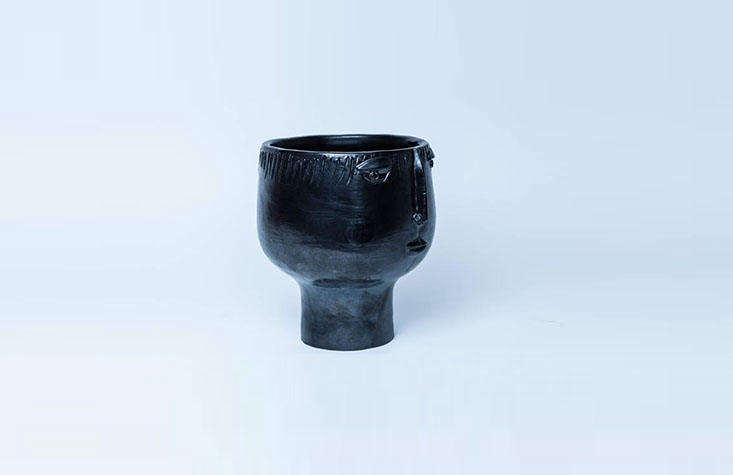
Some home decor trends whisper. Others stand silently on a mantel, stare directly into your soul, and make guests ask, “Is that vase judging me?” Welcome to the strange, stylish world of sculptural visage vessels: face vases, head pots, bust planters, and eerie ceramic objects that blur the line between decor, sculpture, folk art, and slightly haunted roommate.
The “eerie edition” of this trend is not about cheap Halloween props or plastic skulls that smell faintly of a discount aisle. It is about atmospheric objects with personality: a ceramic head with hollow eyes, a hand-built vase with a crooked grin, a stoneware face jug with exaggerated teeth, or a matte black vessel that looks as if it wandered out of an old portrait. These pieces are weird, yes, but in the best design sense. They create tension. They interrupt bland rooms. They make a coffee table feel curated rather than copy-pasted.
And surprisingly, this trend is not new. Face vessels have appeared across cultures for centuries, from ancient portrait vessels to Southern folk pottery to contemporary ceramic studios. What feels fresh now is the way homeowners, stylists, and collectors are using them: not as dusty curiosities, but as bold, sculptural home accents that add mood, humor, texture, and story.
What Are Sculptural Visage Vessels?
A sculptural visage vessel is any vase, jug, planter, urn, or decorative container that incorporates a human face, head, mask, or facial features. The face can be realistic, abstract, elegant, grotesque, cartoonish, classical, surreal, or wonderfully unsettling. Some are functional flower holders. Others are purely decorative. The best ones do both jobs while looking like they know your secrets.
Think of them as small-scale sculpture disguised as home decor. A regular vase holds flowers. A sculptural face vase holds flowers and a personality crisis. It can sit empty on a shelf and still feel complete because the object itself is the focal point.
Common Types of Face Vessels
The trend includes several recognizable styles. Classical bust vases borrow from Greek and Roman sculpture, often showing serene faces, curly hair, and museum-inspired silhouettes. Abstract face vases reduce features to lines, ridges, dots, or asymmetrical shapes. Face jugs are earthier and more expressive, often linked to Southern pottery traditions. Surreal head planters turn hair into greenery, which is basically botanical cosplay. Then there are the moodier pieces: cracked glazes, dark clay, hollow eyes, strange smiles, elongated noses, and textures that look ancient, charred, or dreamlike.
Why the Eerie Version Is Trending Now
For years, interiors were dominated by safe neutrals, clean lines, and objects that politely refused to have opinions. But design has been moving toward personality again. Homes are becoming more layered, tactile, collected, and story-driven. A sculptural visage vessel fits perfectly into that shift because it adds instant character without requiring you to repaint the room, reupholster the sofa, or explain to your partner why the living room needs “one more statement chair.”
Part of the appeal is the broader comeback of handmade ceramics. Clay feels human because it records touch: fingerprints, uneven edges, glaze drips, hand-carved marks, and tiny imperfections that machines tend to erase. In a room filled with screens and smooth surfaces, a weird ceramic face feels refreshingly physical. It says, “Someone made me,” and sometimes, “Someone made me during an emotionally complicated week.”
The eerie direction also connects with the rise of whimsical, surreal, and maximalist accents. Younger shoppers in particular have shown strong interest in playful ceramics, unexpected shapes, and decor with humor. Instead of choosing objects that disappear into a beige background, people are choosing pieces that spark conversation. A face vessel does that immediately. It is hard to ignore a vase that appears to be quietly forming an opinion about your throw pillows.
The Historical Roots: This Trend Has Ancestors
Although social media may make face vases feel like a new discovery, the idea of putting a face on a vessel is ancient. Museums hold head-shaped and portrait-style vessels from multiple cultures. In ancient contexts, these objects could be ritual, funerary, symbolic, commemorative, or decorative. The human face has always been powerful because we are wired to notice it. Put eyes and a mouth on a pot, and suddenly the pot is not just an object. It is a presence.
Ancient Head Vases and Portrait Vessels
Ancient terracotta head vases from the Mediterranean world show how the vessel form could become sculptural, even when it moved away from everyday function. In other traditions, such as Moche portrait vessels, ceramic artists created striking head-shaped bottles that appear to represent specific individuals. These historical examples remind us that the face vessel is not merely cute decor. It belongs to a long artistic conversation about identity, memory, ritual, and the uncanny feeling of being looked at by an object.
American Face Jugs and Southern Folk Pottery
In the United States, one of the most meaningful branches of the tradition is the African American face jug, especially associated with 19th-century stoneware from the Edgefield District of South Carolina. These small vessels often featured wide eyes and bared teeth made with kaolin clay. Their exact meanings have been discussed by historians and scholars, with interpretations involving spiritual protection, identity, ritual, utility, and cultural memory.
Later, the form was taken up by other Southern potters and became part of American folk pottery, sometimes shifting from a deeply symbolic object into a collectible or tourist-facing novelty. That history matters. When styling eerie visage vessels today, it is worth recognizing that some forms carry cultural weight. Buying from knowledgeable makers, reading provenance, and avoiding lazy “primitive” language helps keep the trend respectful rather than merely spooky-for-spooky’s-sake.
Why These Vessels Work So Well in Modern Interiors
The magic of sculptural visage vessels is that they are small but emotionally loud. They give a room a point of view. A sofa can be comfortable, a rug can be beautiful, and a lamp can be expensive enough to make you whisper, but a face vessel gives the room a character.
They Add Human Energy
Faces naturally draw attention. Even a simple line-drawn face on a ceramic vase can become the first thing a visitor notices. In design, this is useful. A visage vessel can guide the eye toward a mantel, bookshelf, console, or dining table. It becomes a visual anchor.
They Balance Beauty With Weirdness
The eerie edition succeeds because it is not perfectly pretty. A slightly distorted face, uneven glaze, or shadowy hollow can make a room feel more layered and less showroom-perfect. The effect is similar to hanging an antique portrait, displaying a surrealist print, or placing a weathered bust in a modern entryway. The room gains tension, which is designer-speak for “now it has a pulse.”
They Are Easier Than Big Statement Furniture
A sculptural sofa is a commitment. A face vase is a flirtation. You can test the trend on a side table, bookshelf, or nightstand before turning your entire home into a beautiful ceramic séance. Because vessels are portable, they are easy to rotate seasonally. A pale plaster face vase may feel fresh in spring with branches, while a black stoneware head looks moody and cinematic in fall.
How to Style Sculptural Visage Vessels Without Making Your Home Look Possessed
The key is balance. One eerie face vessel is intriguing. Twelve lined up in a hallway may cause guests to pretend they forgot something in the car. Unless you are intentionally building a cabinet of curiosities, let one or two pieces lead the scene.
1. Pair Eerie With Elegant
A strange face vessel becomes more sophisticated when placed near refined materials. Try it beside a marble tray, linen lampshade, brass candlestick, carved wood box, or stack of art books. The contrast keeps the piece from feeling gimmicky. It says “collected object,” not “seasonal decoration that escaped the garage.”
2. Use Flowers Carefully
Flowers can soften or intensify the eerie effect. For a graceful look, use simple stems: ranunculus, tulips, anemones, olive branches, or dried grasses. For a darker mood, try burgundy dahlias, black calla lilies, deep red roses, smoke bush, or twisting branches. Avoid overstuffing the vessel. When the vase has a face, the arrangement should not look like it is wearing a floral wig after losing a bet.
3. Let Empty Vessels Breathe
Not every vase needs flowers. Sculptural vessels often look stronger when empty, especially if the silhouette is dramatic. Place one on a shelf with negative space around it. Give it room to stare. A crowded shelf can make the object feel like clutter; a little breathing room makes it feel intentional.
4. Mix Old and New
Visage vessels are excellent bridge pieces between vintage and contemporary decor. A weathered face jug can look incredible beside a modern lamp. A sleek white bust vase can calm down a dark antique table. A surreal ceramic head can make a minimalist room feel less sterile. The trick is to repeat at least one element elsewhere: a color, texture, material, or shape.
5. Watch the Eye Line
Because faces feel alive, placement matters. A face vessel at eye level can be dramatic. A face vessel staring at your bed from a shadowy corner at 2:00 a.m. may be too dramatic, unless you enjoy waking up and negotiating with your decor. For bedrooms, choose softer features or turn the face slightly away. For entryways and living rooms, feel free to be bolder.
Best Rooms for the Trend
Living Room
The living room is the safest place to experiment. Place a sculptural visage vessel on a coffee table, media console, sideboard, or built-in shelf. Pair it with books and one organic element, such as branches or moss. This keeps the styling grounded and prevents the face from feeling random.
Entryway
An entry table is perfect for a dramatic vessel because it sets the tone immediately. A moody face vase near a mirror creates a theatrical first impression. Add a small lamp, a tray for keys, and a framed print, and suddenly your entryway has more charisma than most hotel lobbies.
Dining Room
For a dining table, use a low or medium-height vessel so guests can see one another. Nobody wants to discuss appetizers through a ceramic forehead. A pair of smaller face vessels can work beautifully with taper candles and seasonal fruit.
Bathroom
A powder room is the ideal place to be mischievous. Guests expect a mirror and hand soap. Give them a strange little face planter with ferns for hair. It is memorable, compact, and just weird enough to make your home feel personal.
Materials, Finishes, and Colors to Look For
For the eerie edition, material matters. Glazed ceramic is classic and versatile. Matte stoneware feels earthy and serious. Terracotta adds warmth and age. Porcelain can make a face look ghostly and refined. Metal vessels introduce a colder, more gothic tone. Glass face vases can feel surreal, especially in smoky gray, amber, or milky white.
Color also changes the mood. White and cream feel classical, ghostlike, or gallery-inspired. Black, charcoal, and oxblood create drama. Moss green, clay brown, and burnt orange connect with vintage and 1970s-inspired palettes. Pale blue or blush can make the piece feel softer and more dreamlike. If the face is already intense, a restrained color can keep it livable.
Shopping Tips: How to Choose the Right Piece
Start with expression. Do you want serene, strange, funny, sad, angry, mysterious, or full goblin energy? The expression determines the emotional tone of the room. A calm bust vase works in a sophisticated space. A toothy face jug belongs where personality is welcome. A surreal vessel with mismatched eyes is best for someone who has already accepted that normal decor is not their destiny.
Next, check scale. Small face vessels are easy to style on shelves and nightstands. Medium pieces work well on coffee tables and consoles. Oversized head planters need space and confidence. Measure before buying, especially online, because “statement piece” can quickly become “where do I put this ceramic uncle?”
Finally, pay attention to function. If you plan to use fresh flowers, confirm the vessel is watertight or has a glazed interior. Some sculptural ceramics are decorative only. Unglazed or porous pieces may stain, leak, or absorb moisture. For those, use dried stems, faux botanicals, or a hidden glass insert.
Design Mistakes to Avoid
The first mistake is over-theming. Eerie visage vessels should not automatically be paired with skulls, black lace, fake cobwebs, and candles named “Midnight Crypt.” That can be fun in October, but for year-round design, restraint is stronger. Let the object be odd inside an otherwise beautiful composition.
The second mistake is buying the cheapest imitation without considering quality. A poorly made face vase can look more novelty than artful. Look for strong silhouette, interesting surface, thoughtful proportions, and a finish that does not scream “I was painted five minutes before shipping.” Handmade pieces, vintage finds, and artist-made ceramics often have more presence.
The third mistake is ignoring cultural context. Face jugs, in particular, have histories tied to African American pottery, Southern craft, and complex questions of meaning and appropriation. If a piece references that tradition, learn about the maker and the form. Good design is not just about how objects look; it is also about what they carry.
Experience Notes: Living With an Eerie Face Vessel
The first time you bring a sculptural visage vessel into a room, you notice something funny: the room starts to behave differently. Not literally, of course. The lamp does not flicker, the books do not whisper, and the vase does not demand rent. But the atmosphere changes. A shelf that once looked like a polite arrangement of books, candles, and a small plant suddenly has a focal point. The room feels more edited, more curious, and slightly more alive.
One of the best experiences with this trend is watching how people react to it. A beautiful bowl may get a compliment. A face vessel gets a conversation. Guests lean closer. They ask where it came from. They debate whether it is charming or creepy. Someone will inevitably say, “I feel like it’s looking at me,” which is exactly the point. Decor that creates a response is doing more than filling space.
Styling the piece also becomes a creative ritual. You might try dried branches one week, then remove them because the vessel looks stronger alone. You may place it near a mirror and realize the reflection doubles the drama. You may move it from the mantel to the bathroom and discover it becomes funnier there, like a tiny ceramic guardian of guest towels. The vessel teaches you about placement because it has presence. It is not passive decor.
The eerie edition is especially satisfying during seasonal transitions. In autumn, a dark face vase with branches feels moody and literary, like something from a gothic novel that also subscribes to design magazines. In winter, a pale bust with evergreens can look calm and almost ceremonial. In spring, a strange head planter with fresh greenery becomes witty rather than spooky. In summer, a sunbaked terracotta face vessel can feel Mediterranean, rustic, and relaxed.
There is also a collecting pleasure. Once you own one visage vessel, you begin noticing faces everywhere: antique shops, museum stores, ceramic markets, independent studios, estate sales, and online vintage listings. The trick is to resist buying every odd little face you meet. A collection works best when it has variety and breathing room. Mix heights, expressions, materials, and eras. A serene classical face beside a wild folk-inspired jug creates tension. A glossy contemporary head next to rough clay adds contrast. The collection should feel like a dinner party of interesting strangers, not a crowded waiting room of haunted mugs.
Most importantly, living with eerie sculptural vessels reminds you that a home does not need to be perfectly tasteful to be beautiful. It can be elegant and funny. It can be calm and strange. It can hold objects that make no practical sense but bring daily delight. A face vase may never be as necessary as a chair, a table, or a working coffee maker, but it can make a room feel more like yours. And honestly, in a world full of identical decor, a vase with a suspicious little face might be exactly the kind of company a home needs.
Conclusion: The Face Vase Has Entered the Room
Sculptural visage vessels are trending because they offer what many interiors have been missing: personality, history, texture, humor, and a little beautifully controlled weirdness. The eerie edition is especially compelling because it adds atmosphere without turning a home into a theme park. A single face vase can make a room feel collected. A hand-built head planter can soften a minimalist corner. A dramatic face jug can honor craft while giving your shelf the confidence of a character actor stealing the scene.
The best way to use the trend is thoughtfully. Choose pieces with strong form, meaningful material, and an expression you actually want to live with. Style them with restraint. Respect the history behind face vessels and folk pottery. Then let the object do what it does best: stare, charm, unsettle, and transform an ordinary surface into a small stage.
Editor’s note: This article synthesizes current decor reporting, ceramic trend coverage, marketplace trend data, and museum scholarship on face vessels, sculptural vases, handmade ceramics, Southern face jugs, ancient head vases, and portrait vessels. Key references include reporting and collection notes from Remodelista, House Beautiful, Domino, The Spruce, Architectural Digest, ELLE Decor, Better Homes & Gardens, Etsy, the Smithsonian, the Metropolitan Museum of Art, Milwaukee Art Museum, Ogden Museum of Southern Art, and Southern Living.