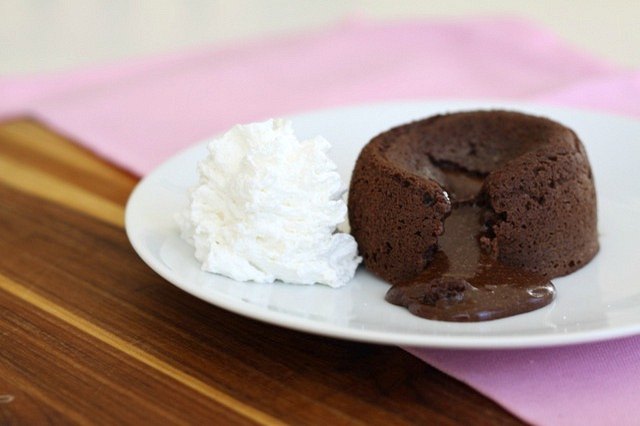
There are desserts you “serve,” and desserts you reveal. Molten chocolate lava cake is firmly in the reveal category: you slide a spoon in, the top gives way, and suddenly you’re hosting a tiny chocolate eruption that makes people say, “Wait… you made this?”
This is the lava cake recipe that gets requested for birthdays, dinner parties, “just because it’s Tuesday,” and the kind of date nights where the dress code is “sweatpants, but with ambition.” It’s rich, dramatic, and surprisingly simpleno culinary gymnastics, no mysterious ingredients, no need to sell a kidney for fancy equipment.
Why This Lava Cake Works (So You Don’t Have to Guess)
A great molten chocolate lava cake has two jobs: bake a tender cake on the outside while keeping the center gooey and molten. That magic comes from a few practical tricks:
- High oven heat: The exterior sets quickly while the center stays softer.
- Small baking vessels: Individual ramekins bake evenly and predictably.
- Minimal flour + plenty of chocolate and butter: That’s how you get fudgy, not bready.
- The “don’t overbake” rule: Lava cake is basically a delicious timer test you can win.
- Optional “insurance” center: A chilled ganache spoonful (or a chocolate square) melts into a guaranteed lava core, even if your oven runs hot.
Molten Chocolate Lava Cake Ingredients
Makes: 4 lava cakes (6-ounce ramekins) | Total time: about 25 minutes (plus optional chilling)
Main Ingredients
- 6 ounces bittersweet or dark chocolate (60–70%), chopped
- 1/2 cup (1 stick) unsalted butter, plus more for greasing
- 2 large eggs
- 2 large egg yolks
- 2/3 cup powdered sugar
- 3 tablespoons all-purpose flour (spooned and leveled)
- 1 teaspoon vanilla extract
- 1/4 teaspoon fine salt
- Optional: 1/2 teaspoon espresso powder (makes the chocolate taste more “chocolatey”)
For the Ramekins (Pick Your Favorite Finish)
- Butter + cocoa powder (classic, no white streaks)
- Butter + granulated sugar or demerara/raw sugar (adds a subtle crunch on the outside)
Optional “Insurance Policy” Molten Center (Ganache Plug)
This is the secret weapon: even if you bake a minute too long, you still get a molten center. If you prefer the classic “underbaked batter” lava cake, skip it.
- 2 ounces chocolate, chopped
- 2 tablespoons heavy cream
Equipment You’ll Need
- 4 (6-ounce) ramekins or oven-safe custard cups
- Baking sheet
- Mixing bowls
- Whisk (hand mixer optional, but not required)
- Rubber spatula
- Small saucepan or microwave-safe bowl for melting chocolate
Step-by-Step: How to Make Lava Cake
1) Prep the Oven and Ramekins
- Place an oven rack in the middle position.
- Preheat oven to 425°F.
- Generously butter the ramekins (bottom and sides). Dust with cocoa powder or sugar. Tap out the excess. Place ramekins on a baking sheet.
2) Optional: Make the Ganache “Lava Core” (5 minutes)
- Warm the cream until steaming (microwave is fine).
- Pour over chopped chocolate, let sit 1 minute, then stir until smooth.
- Spoon 4 small dollops (about 2 teaspoons each) onto a plate lined with parchment. Chill in the freezer for 10–15 minutes until firm.
No time for ganache? Another shortcut: use one square of good chocolate (or a truffle) per cake and press it into the center later.
3) Melt Chocolate and Butter
- Melt the 6 ounces chocolate and 1/2 cup butter together until smooth (microwave in short bursts, stirring often, or use a bowl over simmering water).
- Let it cool for 2–3 minutes so it doesn’t scramble the eggs (we’re making dessert, not chocolate egg-drop soup).
4) Whisk Eggs and Sugar Until Thick
- In a bowl, whisk 2 eggs, 2 yolks, and powdered sugar until thicker and lighter in colorabout 1–2 minutes by hand.
- Whisk in vanilla, salt, and optional espresso powder.
5) Combine and Add Flour (Gently)
- Pour the melted chocolate-butter mixture into the egg mixture and whisk until smooth.
- Sprinkle in the flour and fold/whisk just until you don’t see dry streaks. Stop there. Overmixing is how lava cake becomes “regular cake,” and nobody asked for that.
6) Fill Ramekins and Add the Molten Center
- Divide batter evenly among ramekins (about 2/3 full).
- If using ganache (or a chocolate square), press it gently into the center of each ramekin. Spoon a little batter over the top so it’s covered.
7) Bake
- Bake at 425°F for 10–12 minutes (typical for 6-ounce ramekins).
- Remove when the edges look set and slightly puffed, but the center still looks softer and may jiggle slightly when you nudge the pan. A few small cracks on top are normal and welcome.
- Rest 1 minute. Lava cake needs a moment to collect itself before the big reveal.
How to Know Lava Cake Is Done (Without Psychic Powers)
Lava cake timing depends on ramekin size, material, and oven personality. Here’s what to look for:
- Edges: set and firm when lightly touched (or they spring back slightly).
- Center: softer than the edges; may jiggle a little.
- Top: no longer shiny-wet across the entire surface; it should look “set” with a soft spot in the middle.
If you’re the type who sleeps better with numbers, you can aim for an internal temperature around 160°F for a gooey center (insert a thermometer toward the center, but don’t stab all the way through like you’re hunting for treasure).
Unmolding Like a Pro (Or Just Eat It in the RamekinNo One Will Arrest You)
To flip the cakes onto plates:
- Run a thin knife around the edge while the cake is still warm.
- Place a dessert plate on top of the ramekin.
- Flip confidently, pause for 5–10 seconds, then lift the ramekin.
If one cracks a little, congratulations: you have a “chef’s treat.” Add ice cream and call it rustic.
Common Lava Cake Problems (And How to Fix Them)
“Mine didn’t ooze. It’s just… cake.”
- Likely cause: baked too long or ramekins were small/metal and baked faster.
- Fix next time: reduce bake time by 1–2 minutes and check early.
- Instant save: warm a spoonful of chocolate spread or hot fudge and pour into the center cut. No one has to know.
“It oozed, but it looks raw.”
- Likely cause: underbaked or oven temperature runs low.
- Fix next time: add 1 minute, or verify your oven temp with a thermometer.
- Tip: using the ganache plug helps the center be molten chocolatenot raw batter.
“It stuck to the ramekin and I cried.”
- Likely cause: not enough butter/dusting, or you waited too long to unmold.
- Fix next time: butter generously (especially corners), dust thoroughly, unmold after 1–2 minutes of resting.
Make-Ahead Tips (Because Hosting Is Already a Sport)
- Make batter ahead: Fill ramekins, cover, and refrigerate up to 24 hours.
- When baking from cold: add 1–3 minutes to the bake time (start checking early anyway).
- Freeze option: If using a ganache center, you can freeze the filled ramekins for a very reliable molten middle; bake a few minutes longer.
Variations Everyone Will Love (And Debate)
Peanut Butter Lava Cake
Press 1 teaspoon of peanut butter (or a mini peanut butter cup) into the center before baking. It melts into a salty-sweet surprise.
Mocha Lava Cake
Add 1/2 teaspoon espresso powder (or a splash of strong coffee) to the batter. Chocolate + coffee is a classic power couple.
Raspberry Lava Cake
Add 2–3 raspberries into the center with the ganache plug, or serve with a quick raspberry sauce. Chocolate and berries never miss.
Gluten-Free Swap
Use a 1:1 gluten-free flour blend in the same amount, or swap flour for a starch-based alternative for a fudgier texture. (Results vary by blend, so treat your first batch like a delicious experiment.)
What to Serve with Molten Chocolate Lava Cake
- Vanilla ice cream: the classic “hot meets cold” moment
- Whipped cream: fluffy contrast for rich cake
- Fresh berries: brightness and color
- Powdered sugar or cocoa dusting: because we eat with our eyes first
- Salted caramel drizzle: if your household believes in dessert maximalism
Food Safety Note (Quick and Helpful)
Lava cake is designed to be soft in the center, which can mean the eggs aren’t fully cooked. If you’re serving someone pregnant, elderly, or immunocompromised, consider using pasteurized eggs and/or baking a bit longer (the center will be less molten).
FAQ
Can I bake lava cake without ramekins?
Yes. A muffin tin works in a pinch. Grease well, dust with cocoa, and start checking around 8–10 minutes since metal bakes faster. Unmolding is a little trickier, but still doable with a careful knife run-around.
What chocolate is best?
Use something you’d actually snack on. Dark chocolate (60–70%) gives bold flavor without becoming sugar-sweet. Chocolate chips can work, but many contain stabilizers that affect melting; chopped baking bars tend to be smoother.
Why powdered sugar?
Powdered sugar dissolves quickly and helps create a smooth batter. You can use granulated sugar, but the texture may be slightly different.
Can I reheat lava cake?
You can, but it’s a gamble: reheating often cooks the center further. If you must, warm briefly in a hot oven for a couple of minutesjust enough to take off the chill without turning lava into “firmly settled chocolate.”
of Lava Cake “Real Life” Experiences (The Stuff Recipes Don’t Warn You About)
The first time you make molten chocolate lava cake, you’ll probably do the thing everyone does: you’ll hover near the oven like it’s a championship game and the timer is the referee. At minute eight, you’ll swear you smell chocolate. At minute nine, you’ll question every life decision that led you here. At minute ten, you’ll start negotiating with the universe: “If these come out molten, I promise I’ll clean the whisk immediately.”
Then comes the moment: you pull the ramekins out, and they look… normal. Too normal. This is where people panic and overbake. Don’t. Lava cake has a poker face. It will look set on top and still be gloriously molten inside. Trust the cues: firm edges, a softer center, and a tiny jiggle that says, “I’m ready, but I’m also dramatic.”
If you’re serving guests, lava cake becomes a tiny performance. Everyone suddenly gathers in the kitchen as if you’re about to launch a rocket. Someone will ask, “So what’s in it?” and you’ll say, “Mostly chocolate and confidence.” You’ll flip the first cake andif it releases cleanlyyou’ll feel unstoppable. If it cracks, you’ll learn an important truth: ice cream covers everything, emotionally and aesthetically.
You’ll also discover that ovens have personalities. Your oven might run hot, which means your “12 minutes” is really “10 minutes and don’t blink.” Or it might run cool, which means you’ll stare at it like it owes you money. This is why lava cake becomes a beloved repeat recipe: once you nail the timing in your kitchen, it’s basically a dessert cheat code.
Another very real experience: the “just one bite” lie. Lava cake is rich, so people say they want a small portion… and then they keep taking bites because the center is warm and fudgy and somehow makes time irrelevant. It’s the dessert equivalent of “one more episode.”
Finally, you’ll notice lava cake has a weird superpower: it makes any day feel like an occasion. Tuesday night? Suddenly romantic. Family dinner? Suddenly celebratory. Rough week? Suddenly survivable. And when someone asks you for the recipe, you’ll smilebecause now you have a dessert that reliably gets a reaction, requires minimal effort, and tastes like you ordered it from a fancy place with cloth napkins.
Conclusion
Molten chocolate lava cake is the ultimate high-impact, low-drama dessert: a short ingredient list, a fast bake, and a payoff that looks like you planned your life better than you actually did. Use great chocolate, prep your ramekins like you mean it, and remember the golden rule: pull them when the edges are set and the center still has a little wiggle. That’s where the lava lives.