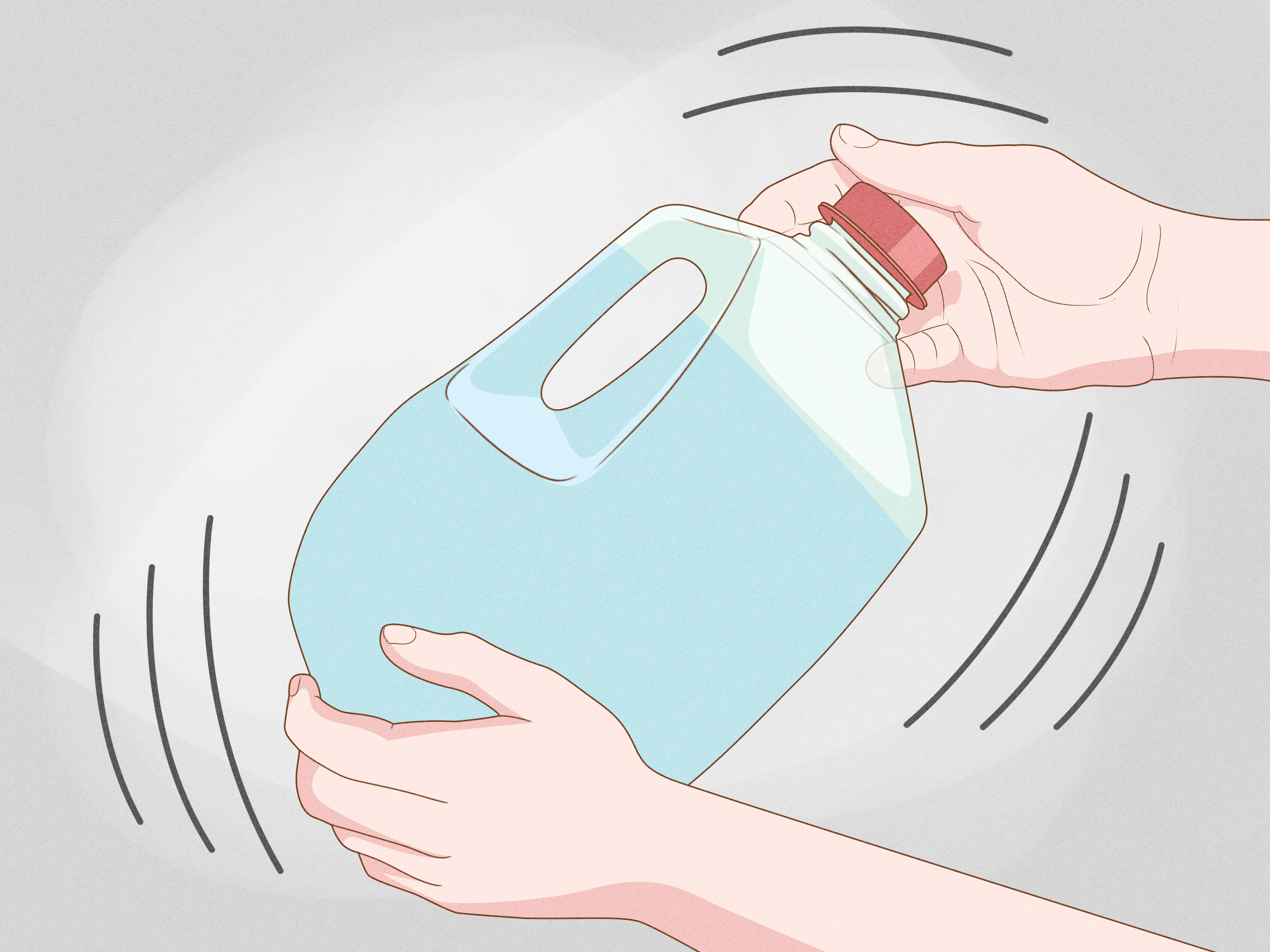
Mixing hydroponics nutrients sounds like something that should require a lab coat, a clipboard, and maybe a dramatic movie soundtrack. Thankfully, it is much simpler than that. At its heart, hydroponic gardening is about giving plants exactly what they need through water instead of soil. The trick is making that water behave like a balanced buffet rather than a mystery soup.
In soil gardening, plants can lean on compost, minerals, microbes, and all the tiny underground helpers doing the slow work of nutrient delivery. In hydroponics, the nutrient solution is the whole restaurant. It provides nitrogen, phosphorus, potassium, calcium, magnesium, sulfur, and trace elements such as iron, manganese, boron, zinc, copper, molybdenum, and chlorine. If the mix is too weak, plants pout. If it is too strong, roots can burn. If the pH is wrong, nutrients may be present but unavailable, which is like locking the refrigerator and wondering why nobody ate lunch.
This guide explains how to mix hydroponic nutrients in 10 practical steps, with clear examples, pH and EC tips, common mistakes, and real-world growing experience to help you avoid the usual “why is my basil being dramatic?” moments.
What Are Hydroponics Nutrients?
Hydroponics nutrients are water-soluble fertilizers designed for plants grown without soil. They may come as liquid concentrates, dry salts, one-part formulas, two-part A/B formulas, or three-part systems for growth and bloom stages. Unlike general garden fertilizer, a hydroponic nutrient solution must be complete, soluble, and stable in water because the plant roots depend on it directly.
The major nutrients are usually grouped like this:
- Primary macronutrients: nitrogen, phosphorus, and potassium.
- Secondary macronutrients: calcium, magnesium, and sulfur.
- Micronutrients: iron, manganese, boron, zinc, copper, molybdenum, and chlorine.
The goal is not to dump fertilizer into a reservoir and hope for leafy applause. The goal is to create a balanced hydroponic nutrient solution with the right strength, pH, temperature, and oxygen level for your crop.
Before You Start: Tools and Supplies You Need
Good nutrient mixing begins before the bottle is opened. Gather your supplies first so you are not holding a capful of nutrient concentrate while searching for your pH meter like a gardener in a sitcom.
Basic Supplies
- Clean reservoir or mixing bucket
- Hydroponic nutrient formula
- Clean water, preferably filtered or tested tap water
- Measuring cup, syringe, pipette, or graduated cylinder
- pH meter or pH test kit
- EC/TDS meter
- pH Up and pH Down solutions
- Stirring tool or circulation pump
- Gloves and eye protection
- Notebook or digital log for tracking readings
A pH meter measures how acidic or alkaline the solution is. An EC meter measures electrical conductivity, which estimates the total dissolved salts in the nutrient solution. EC does not tell you the exact amount of every individual nutrient, but it is one of the best quick checks for solution strength.
Ideal pH and EC Ranges for Hydroponics
Most hydroponic crops prefer a slightly acidic nutrient solution. A common target range is around 5.5 to 6.5 pH, although some crops tolerate a wider range. EC varies more by plant type and growth stage. Leafy greens often need a gentler mix than heavy-feeding fruiting crops such as tomatoes.
| Crop Type | General pH Range | Typical EC Range |
|---|---|---|
| Lettuce and leafy greens | 5.5–6.5 | 1.0–2.0 mS/cm |
| Herbs such as basil and parsley | 5.5–6.5 | 1.2–2.2 mS/cm |
| Strawberries | 5.8–6.5 | 1.2–2.2 mS/cm |
| Peppers | 5.5–6.5 | 1.5–2.5 mS/cm |
| Tomatoes | 5.8–6.5 | 2.0–4.0 mS/cm |
Always check the nutrient brand’s feeding chart and adjust based on your crop, plant age, water quality, light level, temperature, and system type. A seedling does not need the same feeding strength as a tomato plant trying to produce a jungle of fruit.
How to Mix Hydroponics Nutrients: 10 Steps
Step 1: Start With Clean Water
Fill your reservoir with clean water before adding any nutrients. This matters because hydroponic nutrients are concentrated salts. They must be diluted into water, not mixed directly with each other. Tap water can work for many home growers, but it helps to know what is in it. High alkalinity, sodium, chlorine, or bicarbonates can make pH difficult to manage and may contribute to nutrient imbalance.
Avoid water from a household water softener because softened water often contains extra sodium. Plants do not appreciate a salty spa day. If your tap water is very hard or has a high starting EC, consider filtered water, reverse osmosis water, rainwater that is collected safely, or a blend of filtered and tap water.
Step 2: Check the Starting Water Temperature
Before mixing, check the water temperature. A good working range for many hydroponic systems is about 65°F to 75°F. Water that is too cold can slow root activity. Water that is too warm holds less oxygen and may encourage root disease problems.
Temperature also affects pH readings, so try to mix nutrients at a consistent temperature each time. Consistency is the quiet hero of hydroponic growing. It is not flashy, but it saves you from a surprising number of plant tantrums.
Step 3: Read the Nutrient Label Carefully
Every nutrient product has its own recommended dose. Some formulas are measured in milliliters per gallon, others in teaspoons per gallon, grams per liter, or parts per million targets. Do not guess. The label is not decorative wallpaper; it is the recipe card.
If you are new to a nutrient line, start at half strength for seedlings and young plants unless the label gives a specific seedling rate. Mature plants can usually handle stronger feeding, but “more” is not automatically “better.” Overfeeding can cause salt buildup, tip burn, curled leaves, and nutrient lockout.
Step 4: Add Nutrients One at a Time
Add each nutrient component separately to the water and stir well before adding the next. This is especially important with two-part A/B nutrients. Part A often contains calcium, while Part B may contain phosphates or sulfates. If concentrated Part A and Part B touch each other directly, they can react and form cloudy precipitates. Once nutrients fall out of solution, your plants cannot use them properly.
The safe rule is simple: water first, nutrient second, stir, then add the next nutrient. Never pour concentrated nutrients into the same measuring cup unless the manufacturer specifically says to do so. Give each part its own moment on stage.
Step 5: Follow the Correct Mixing Order
A common mixing order is:
- Add silica first if your program uses it, then stir and wait a few minutes.
- Add base nutrient Part A and mix thoroughly.
- Add base nutrient Part B and mix thoroughly.
- Add calcium-magnesium supplement if needed.
- Add bloom boosters or other supplements only if appropriate.
- Check EC.
- Adjust pH last.
Not every garden needs silica, cal-mag, bloom boosters, enzymes, microbes, or three different bottles with names that sound like superhero sidekicks. For beginners, a complete base nutrient is usually enough. Add supplements only when you understand why you are using them.
Step 6: Stir or Circulate the Solution Well
After adding nutrients, stir the solution thoroughly or run a circulation pump. Let the nutrient solution mix for several minutes before taking readings. If the reservoir is large, test from more than one spot. Poor mixing can give false readings and cause uneven feeding.
Aeration is also helpful, especially in deep water culture systems. An air stone connected to an air pump keeps oxygen moving into the water and helps roots breathe. Roots need oxygen even when they are underwater. They are talented, but they are not fish.
Step 7: Measure EC or TDS
Once the solution is mixed, check EC. If the EC is too low, add a small amount of nutrient concentrate, stir, wait, and retest. If the EC is too high, dilute with clean water. Make small changes. Trying to fix EC in one heroic splash often creates new problems.
Some meters display TDS or ppm instead of EC. Be careful when comparing ppm numbers because different meters use different conversion factors. EC in mS/cm is more consistent across meters, which is why many growers prefer it.
Step 8: Let the Solution Rest, Then Check pH
After mixing nutrients, let the solution sit for about 15 to 20 minutes before adjusting pH. Nutrients can change water pH after they dissolve, so adjusting pH before adding nutrients often means doing the job twice. It is like sweeping before the toddler eats crackers.
Most hydroponic plants grow best around pH 5.5 to 6.5. If pH is too high, some nutrients, especially iron and other micronutrients, may become less available. If pH is too low, other elements can become overly available or stressful to roots.
Step 9: Adjust pH Slowly
Use pH Down to lower pH and pH Up to raise it. Add only a few drops or a very small measured amount at a time, especially in small reservoirs. Stir well, wait several minutes, and test again.
Never mix pH Up and pH Down directly together. Never pour pH adjusters into concentrated nutrients. These products can be strong acids or bases, so wear gloves and eye protection. Hydroponics is fun, but “surprise chemistry lesson” is not the kind of excitement anyone needs on a Tuesday.
Step 10: Record Your Readings and Monitor Regularly
Write down the date, water source, nutrient dose, EC, pH, water temperature, and plant observations. This log becomes your grow room detective notebook. When leaves yellow, tips burn, or growth slows, your records help you see patterns.
Check pH and EC daily in active systems if possible, or at least several times per week. Top off the reservoir with fresh water as plants drink. Change the nutrient solution completely every one to two weeks for many home systems, or sooner if readings swing wildly, roots look unhealthy, or the solution smells unpleasant.
Common Mistakes When Mixing Hydroponic Nutrients
Mixing Concentrates Together
This is the classic beginner mistake. Concentrated nutrients can react before they are diluted. The result may be cloudy water, white flakes, or nutrient precipitation. Always add nutrients separately to water.
Chasing pH Too Aggressively
pH naturally drifts as plants absorb nutrients and water. Small movement is normal. Constantly adding pH Up and pH Down can stress the system. Adjust when readings move outside the desired range, but do it gradually.
Ignoring Water Quality
Hard water, high alkalinity, sodium, and chlorine can complicate nutrient management. If your hydroponic garden keeps fighting you, test your water. Sometimes the problem is not your nutrient brand; it is the invisible mineral baggage your water brings to the party.
Using Full Strength on Seedlings
Young plants need a lighter nutrient solution. Too much fertilizer can burn tender roots and slow early growth. Start mild and increase strength as plants develop.
Forgetting to Calibrate Meters
A meter that is not calibrated is just a confident liar. Calibrate pH and EC meters according to manufacturer instructions, rinse probes after use, and store them properly. Accurate readings are the backbone of good hydroponic nutrient mixing.
Signs Your Nutrient Mix Needs Adjustment
Your plants will often tell you when something is off. The challenge is learning their leafy language.
- Yellow older leaves: possible nitrogen deficiency or low nutrient strength.
- Brown leaf tips: nutrient solution may be too strong or salts may be accumulating.
- Pale new growth: possible iron issue, often linked to high pH.
- Wilting despite water: root stress, low oxygen, high EC, or disease.
- Slow growth: low light, weak nutrients, cold water, poor oxygen, or incorrect pH.
Do not diagnose by one leaf alone. Look at the whole plant, recent changes, root health, and your pH and EC log. Hydroponics rewards calm investigation more than panic pouring.
Example: Mixing Nutrients for a 5-Gallon Lettuce Reservoir
Let’s say your nutrient label recommends 5 ml per gallon for mature leafy greens. For a 5-gallon reservoir, that would be 25 ml total. If your lettuce plants are small, you might begin at half strength, or 12.5 ml total, then check EC and adjust from there.
- Add 5 gallons of clean water to the reservoir.
- Add 12.5 ml of nutrient concentrate for a mild starter mix.
- Stir thoroughly and let the solution circulate.
- Check EC and compare it with your target range.
- Let the solution rest for 15 to 20 minutes.
- Check pH and adjust slowly to about 5.8 to 6.2.
- Record the final readings.
After a few days, if the plants look healthy and EC drops as they feed, you can gradually increase nutrient strength. If leaf tips brown or EC rises as water disappears, dilute the solution and reduce feeding strength.
Real-World Experience: What Mixing Hydroponic Nutrients Teaches You
The first thing most growers learn is that hydroponics is less about perfection and more about repeatable habits. In the beginning, it is tempting to treat every yellow leaf like a five-alarm emergency. You check pH, add pH Down, check again, add nutrients, panic, dilute, test again, and suddenly the reservoir has had more drama than a reality TV reunion. Over time, you learn to slow down.
One of the best practical habits is mixing nutrients at the same time of day. Morning works well for many home growers because the water temperature is more stable and plants are just starting their daily cycle. When you test at random times, readings can look confusing. When you test consistently, patterns appear. Maybe your basil always pushes pH upward. Maybe your lettuce drinks water faster during warm weeks. Maybe your tomato plant is not “hungry”; it is just living under a light that is too intense for the nutrient strength you are using.
Another lesson is that small reservoirs change quickly. A two-gallon countertop herb system can swing in pH and EC much faster than a 30-gallon reservoir. Beginners often blame themselves when readings shift overnight, but the system size may be the real culprit. Smaller reservoirs need more frequent checking and gentler adjustments. A large reservoir is like a calm lake; a small one is like a coffee cup on a bumpy bus.
Experience also teaches that more bottles do not automatically mean better plants. Many growers start with a base nutrient, then add cal-mag, silica, bloom boosters, root tonics, sweeteners, enzymes, and mysterious liquids with lightning bolts on the label. Sometimes supplements help. Sometimes they complicate the mix, raise EC, or make troubleshooting harder. A clean, simple nutrient program is often the best teacher. Once you know how your plants behave on a basic formula, you can test one supplement at a time and judge whether it truly earns its shelf space.
The most useful observation is root health. Healthy hydroponic roots are usually light-colored, fresh-smelling, and vigorous. If roots turn brown, slimy, or sour-smelling, do not keep raising nutrients in hopes of forcing growth. Check water temperature, oxygen, sanitation, and reservoir cleanliness. Nutrient mixing cannot compensate for roots that cannot breathe.
Finally, good growers keep notes. Not fancy notes. Not novel-length confessions. Just enough information to repeat success: date, dose, pH, EC, water temperature, crop stage, and what the plants looked like. After a month, those notes become gold. You stop guessing and start growing with evidence. That is when hydroponics becomes less intimidating and more satisfying. The plants look better, your mixing gets faster, and your confidence grows right along with the roots.
Frequently Asked Questions
Should I adjust pH before or after adding nutrients?
In most cases, mix nutrients first, let the solution sit for 15 to 20 minutes, then adjust pH. Nutrients can change pH after dissolving, so final adjustment usually works best after the full mix is complete.
How often should I change hydroponic nutrient solution?
Many home growers change the nutrient solution every one to two weeks. Between changes, top off with fresh water and monitor pH and EC. Larger or commercial systems may follow more specific crop-based schedules.
Can I use regular plant fertilizer in hydroponics?
It is better to use fertilizer made for hydroponics. Regular garden fertilizers may not contain all essential nutrients in soluble form and may not be suitable for direct root-zone feeding in water.
Why is my nutrient solution cloudy?
Cloudiness may come from precipitation, poor mixing, biological growth, or incompatible products. If you mixed concentrates together directly, nutrients may have reacted and fallen out of solution. Empty, clean, and remix properly if the solution looks suspicious.
Is EC the same as ppm?
No. EC measures electrical conductivity directly, while ppm is an estimated conversion from EC. Different meters use different conversion scales, so EC is usually more reliable for comparing readings.
Conclusion
Learning how to mix hydroponics nutrients is one of the most important skills in soil-free gardening. The process is not difficult, but it does demand attention to detail. Start with clean water, add nutrients one at a time, mix thoroughly, measure EC, adjust pH slowly, and keep records. That simple routine can prevent many of the most common hydroponic headaches.
Think of your nutrient solution as the plant’s kitchen, pantry, and dining room all in one. When the recipe is balanced, roots stay active, leaves grow lush, and your garden becomes a quiet little photosynthesis factory. When the mix is careless, plants complain quickly. Fortunately, they also forgive quickly when you correct the basics.
Note: Always follow your specific nutrient label, wear protective gear when handling pH adjusters, and test your water if pH or EC problems keep returning. Crop needs vary, so use this guide as a practical starting point and fine-tune based on your plants, system, and growing conditions.