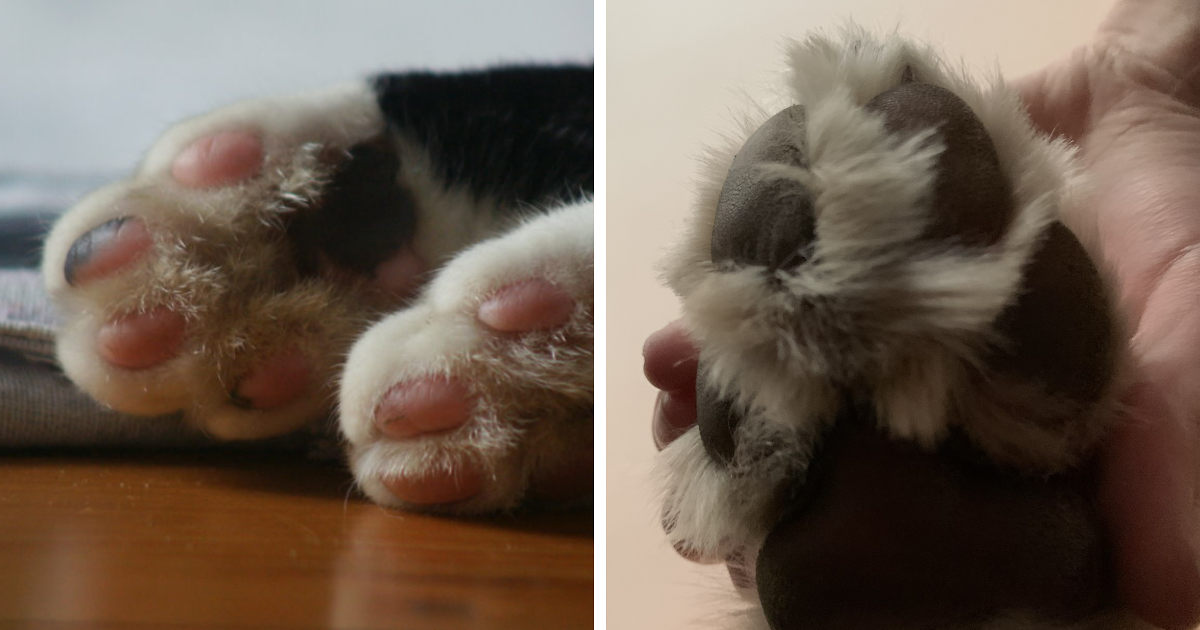
There are ordinary pet photos, and then there are toe bean photos: tiny portraits of pink, black, gray, speckled, fuzzy, squishy-looking paws that somehow make fully grown adults whisper, “Look at the beans!” Whether they belong to a sleepy cat, a muddy dog, or a many-toed rescue with bonus digits, pet toe beans have become one of the internet’s most reliable sources of joy.
So here is the assignment, Pandas: gently locate your pet, wait until the royal paw is available for public viewing, and take a picture. No grabbing, no wrestling, and no interrupting an important 2:00 p.m. nap. We want the beans, but we respect the bean owner.
What Are Pet Toe Beans?
“Toe beans” is the affectionate nickname people use for the soft pads on the underside of an animal’s paw. The comparison makes sense. Individual digital pads resemble little beans, while the larger central pad looks like the deluxe family-size bean that supervises the others.
The cute nickname hides some serious engineering. Paw pads help cushion impact, provide traction, protect deeper tissues, and support movement across different surfaces. Dogs use them while walking, running, turning, digging, and launching themselves toward a snack bag opened three rooms away. Cats depend on their paws for climbing, stalking, balancing, kneading, landing, grooming, and silently appearing beside you when you are eating chicken.
Tiny Cushions With Real Jobs
Paw pads are tougher than ordinary skin, but they are not indestructible. Heat, ice, road salt, sharp debris, dryness, allergies, infection, and overgrown nails can all cause trouble. That is why a toe bean photo session can be more than a comedy project. It is also a chance to notice a crack, swelling, redness, stuck litter, a thorn, or a nail that needs attention.
Why Toe Beans Come in Different Colors
Pet paw pads may be pink, black, charcoal, brown, spotted, or a mix of several shades. In cats, pad color often follows overall pigmentation: lighter coats commonly come with pink pads, darker coats often come with darker pads, and multicolored cats may have a patchwork set. The result can look as though someone decorated each foot separately and refused to share the design notes.
Research basis for paw-pad function, pigmentation and routine care:
Why the Internet Is Obsessed With Toe Bean Pictures
Toe beans combine several things humans find irresistible: miniature features, soft shapes, unexpected color patterns, and the feeling that we are seeing a normally hidden part of an animal. A face is public. A paw pad is backstage access.
They also reveal personality. One cat sleeps with every toe spread like a tiny fan. Another tucks all four paws beneath its body, protecting the merchandise. A dog may present one enormous, trail-tested paw covered in evidence from the backyard. A senior pet may have rougher, well-traveled pads that quietly tell the story of thousands of walks.
Best of all, toe bean photos are wonderfully low-stakes. The internet may disagree about movies, pineapple on pizza, and how to load a dishwasher, but a clean close-up of a sleepy paw can usually negotiate a temporary peace treaty.
How to Take an Adorable Toe Bean Photo
The best pet paw pictures happen when the animal is already relaxed. A curled-up cat, a dog snoozing on its side, or a pet stretching after a nap offers a better opportunity than an ambush involving three family members and a flashlight.
1. Follow the Nap, Not the Schedule
Wait for a calm moment. If your pet pulls the paw away, stiffens, flicks its tail, pins its ears, growls, or leaves, the session is over. Consent may not arrive in legal paperwork, but it is still easy to read.
2. Use Soft Natural Light
Window light usually produces better color and texture than a harsh flash. Flash can create glare on smooth pads, startle the animal, and turn a cozy portrait into a crime-scene reenactment. Move yourself rather than moving the pet.
3. Focus on the Nearest Bean
On a phone, tap the paw on the screen to set focus and exposure. Get close, but not so close that the camera cannot focus. Portrait mode can work beautifully, although long fur sometimes confuses the software and gives one toe the mysterious blurred aura of a television witness.
4. Include a Little Context
A pure macro shot is satisfying, but a wider frame can add personality. Show the beans next to a sleepy face, a favorite blanket, a comically oversized leg, or the guilty expression of a dog who has clearly been digging. The paw is the star; the background supplies the plot.
5. Keep Editing Honest
Crop distractions, brighten gently, and correct obvious color casts. Avoid smoothing away natural texture or changing pad color so dramatically that pink beans become neon salmon. Toe beans do not need a beauty filter. They already have a publicist.
What to Include With Your Toe Bean Submission
A strong community post is more fun when the picture comes with a miniature biography. Consider including your pet’s name, age, species or breed, nickname, and the story behind the photo. Tell us whether the paw belongs to a professional biscuit maker, a champion puddle finder, a couch athlete, or a creature whose main hobby is knocking objects off shelves while maintaining eye contact.
You might also add one of these details:
- The official bean color: strawberry milk, espresso, cookies-and-cream, charcoal, or “recently walked through soil.”
- The paw’s special talent, such as opening cabinets, stealing socks, tapping your face at dawn, or detecting cheese.
- Whether your pet has extra toes, unusually fluffy feet, one mismatched pad, or a legendary refusal to allow nail trims.
- The number of photos required to capture one usable image. Honesty is encouraged. We know there were 47 blurry attempts.
A Quick Guide to Healthy, Happy Toe Beans
Admiring paws is delightful; checking them regularly is responsible. A brief inspection once or twice a week can help you learn what is normal for your pet. Dogs that spend time outdoors may need checks after walks, hikes, beach trips, or enthusiastic excavations beneath the fence.
Look Between the Toes
Gently examine the spaces between pads for burrs, small stones, plant material, irritation, moisture, or matted fur. In dogs, persistent licking or chewing can be associated with inflammation, allergies, parasites, pain, or infection. Redness, swelling, discharge, strong odor, limping, or obvious tenderness deserves veterinary attention.
Keep Nails at a Comfortable Length
Overgrown nails can snag, split, alter movement, or curl toward the pad. A dog’s nails often need trimming when they click on hard floors or reach the ground during normal standing. Cats benefit from regular nail checks, especially indoor and senior cats whose claws may become thick or overgrown.
Trim only a small amount at a time and avoid the quick, the sensitive blood-rich tissue inside the nail. For nervous pets, one or two nails followed by a reward can be more successful than forcing a complete manicure. A veterinarian or professional groomer can demonstrate safe technique and help with pets who treat clippers as an ancient enemy.
Research basis for nail care and age-related paw changes:
Protect Paws From Extreme Surfaces
Hot asphalt and sidewalks can burn dog paw pads. Choose cooler walking hours, use grass when practical, and pay attention to surface temperature. Winter creates different hazards: ice, very cold ground, and deicing chemicals may irritate or damage paws. Wipe and dry feet after walks, and ask your veterinarian about pet-safe balms or protective footwear when conditions are harsh.
Do Not Play Home Chemist With Injuries
Minor dirt can often be rinsed away with clean water or saline, but deep cuts, embedded objects, burns, ongoing bleeding, or painful swelling need professional care. Avoid applying harsh cleaners, essential oils, or human skin products unless a veterinarian specifically recommends them. Pets lick their feet, so anything placed on a paw may quickly become an oral medication nobody prescribed.
Research basis for weather protection, inflammation and wound care:
Cat Toe Beans, Dog Toe Beans, and Bonus Beans
Cats usually have 18 toes: five on each front paw and four on each back paw. Some are polydactyl, meaning they were born with extra digits. These “bonus bean” cats may appear to wear mittens, display thumb-like toes, or leave paw prints that look suspiciously ambitious.
Dogs commonly have four weight-bearing toes on each foot, plus front dewclaws in many cases; some dogs also have rear dewclaws. Dewclaws are not merely decorative. Depending on the dog, they can contribute to gripping and stability, and their nails require checks because they may not wear down against the ground.
Species, breed, age, activity, and coat type all influence the look of a paw. Long-haired pets may have magnificent toe tufts. Working and highly active dogs may develop firmer pads. Puppies and kittens often have especially soft-looking feet, although their opinion of being photographed may still be extremely firm.
Paw pads also contain specialized sweat glands. Cats and dogs can release small amounts of moisture through their feet, although this provides only limited cooling compared with behaviors such as panting in dogs or grooming and seeking cooler locations in cats. Damp little footprints may therefore appear during hot weather or stressful events.
Research basis for feline toe counts, polydactyly, dewclaws and paw-pad sweating:
Toe Bean Photo Safety and Community Etiquette
A cute picture is never worth frightening or restraining a pet. Do not bend toes into unnatural positions, wake an animal repeatedly, or continue when it shows discomfort. Never place paint, glitter, glue, nail polish, food dye, or decorative stickers on paw pads for a photograph. “It looked funny online” is not a medical benefit.
When sharing, protect human privacy too. Check the background for addresses, phone numbers, prescription labels, school information, license plates, or other identifying details. Give credit when reposting someone else’s pet, and do not remove watermarks. The internet runs on pictures, but good communities run on respect.
Finally, remember that appearances are not diagnoses. A rough pad may be normal for one active dog and concerning in another. A sudden color change, wound, mass, unusual swelling, repeated licking, limping, or sensitivity should be discussed with a veterinarian rather than diagnosed by a comment section populated by twelve strangers named “CatMom1978.”
Pet Parent Experiences: From the Toe Bean Trenches
Anyone who has attempted a toe bean portrait learns the first rule quickly: pets understand cameras and oppose deadlines. The scene begins peacefully. A cat is asleep upside down, all four paws floating in perfect light. The photographer approaches with the silence of a wildlife documentarian. The phone unlocks. The camera opens. At that exact moment, the cat folds every paw beneath its chest and becomes a loaf with no visible feet.
Dog photography offers a different challenge. Dogs are frequently willing participants, but they believe the phone is either a snack, a toy, or an invitation to stand up immediately. One second, an elegant paw rests on the blanket. The next, the frame contains one nostril, half an ear, and the blurred tail of an animal thrilled by the sudden attention. The beans have left the building.
The most successful sessions often happen accidentally. A pet stretches across the couch after a long nap, and one paw remains suspended in the air. A camera is already nearby. Nobody touches anything. Three quick pictures are taken, and one is perfect: sharp pads, soft fur, tiny claws, and a face in the background that says, “I will permit this once.” These photos feel special because they capture the pet as it really is, not as a tiny model hired for a catalog.
Regular paw checks create their own stories. A dog may return from a walk carrying a leaf between its toes like an unwanted souvenir. A long-haired cat may develop dramatic foot fluff that makes every step look like it is wearing bedroom slippers. A senior pet may object to nail care until the process is divided into short sessions with treats, praise, and strategic retreats. Progress sometimes means trimming one nail today and celebrating as if everyone won a medal.
Many owners also discover that every paw has a visual identity. One cat has perfectly pink pads except for a single black spot. One dog has rough outdoor paws paired with an absurdly gentle habit of placing one foot on a person’s knee. A polydactyl cat seems to possess enough toes to operate small machinery. These details become part of the pet’s family mythology.
Photo archives also reveal seasonal contrasts. Summer pictures may show clean indoor beans after a day spent avoiding hot pavement, while winter pictures feature towel-dried paws after a cold walk. These small routines become habits: check, wipe, praise, photograph, and release. The pet receives a treat, the human receives a picture, and the household returns to normal operations.
Then there is the emotional surprise. A toe bean picture may begin as a joke, but years later it becomes a small record of a particular afternoon, blanket, home, and companion. The paw that once tapped a water bowl, kneaded a sweater, chased a tennis ball, or pushed open a bedroom door is preserved in close-up. That is why people keep taking these pictures. The beans are adorable, certainly, but they also hold memory. Behind every ridiculous caption is affection for the animal attached to the feet.
Conclusion: Release the Beans
Now it is your turn, Pandas. Share the close-up that makes your pet’s paws unforgettable. Give us pink beans, black beans, spotted beans, fuzzy beans, senior beans, muddy beans, and bonus beans. Add a story, respect your pet’s boundaries, and take the opportunity to check that those hardworking pads and nails look healthy.
The perfect submission does not require professional equipment. It only needs a safe, comfortable pet, decent light, a patient photographer, and the understanding that the subject may end the session by walking away. That is not failure. That is creative direction.