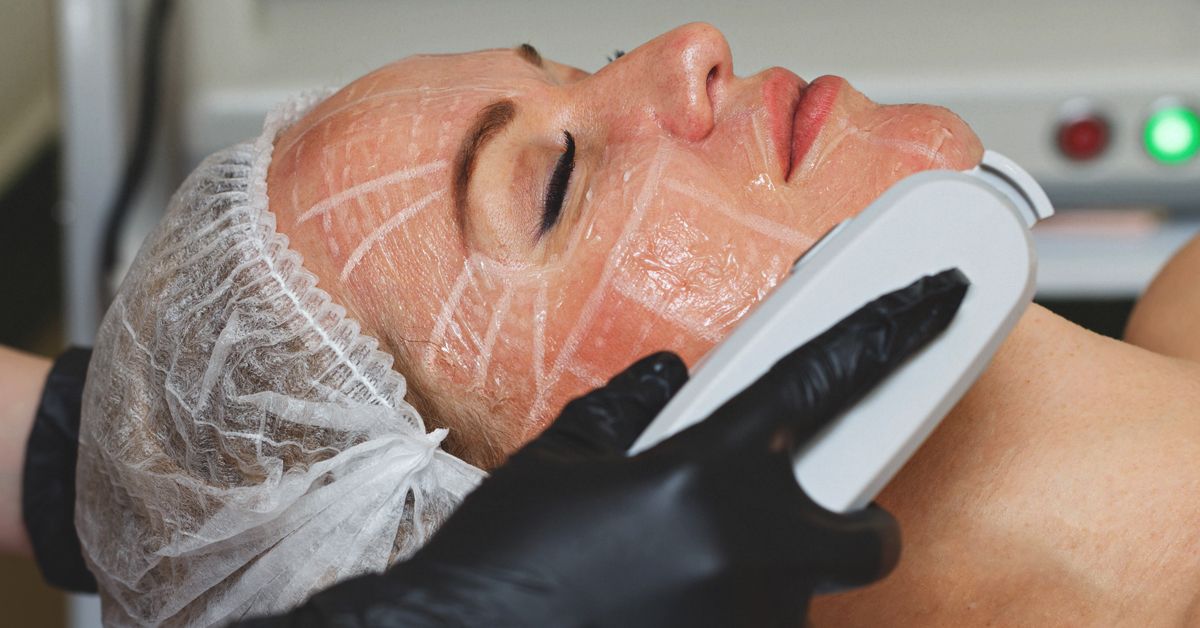
If your mirror has recently started whispering, “Hey, what happened to my jawline?” you are not alone. Plenty of people want firmer skin, softer lines, and a little lift without signing up for surgery, scars, or a dramatic “I definitely had work done” reveal. That is where HIFU for face treatment enters the chat.
HIFU, short for high-intensity focused ultrasound, is a noninvasive cosmetic treatment that uses targeted ultrasound energy to heat deeper layers of tissue. The goal is simple: trigger collagen production, encourage tissue tightening, and gradually improve mild to moderate skin laxity. In plain English, it is a treatment designed to help your skin behave a bit younger without requiring a facelift.
But let’s be honest: cosmetic treatments sound amazing in brochures. Real life is messier. Does HIFU actually work? How much does it cost? Is it painful? How long do results last? And is it a smart option for everyone, or just people blessed with excellent genes and perfect lighting?
This guide breaks down the benefits, cost, efficacy, side effects, treatment experience, and realistic expectations for HIFU facial treatment so you can decide whether it deserves a spot on your skincare wish list or in the “nice try, maybe later” pile.
What Is HIFU for Face Treatment?
HIFU is a nonsurgical skin-tightening treatment that uses focused ultrasound energy to target deeper structural layers beneath the skin. Unlike creams that sit on the surface and unlike some lasers that focus more on the upper layers, HIFU is designed to deliver heat deeper down, where collagen remodeling and tissue contraction can create a lifting effect over time.
That deeper action is a big reason HIFU became popular for facial rejuvenation. Providers commonly use it to treat areas such as the brow, jawline, cheeks, under-chin region, and neck. Some ultrasound-based aesthetic devices are also used for the chest area, especially the décolletage, where fine lines and crepey texture can be stubborn houseguests.
Think of HIFU as a “slow burn” treatment. It does not pull the skin tight on the spot like surgery. Instead, it creates controlled thermal injury at specific depths, which prompts the body to produce fresh collagen. Results tend to appear gradually, which many patients love because the change looks more natural. Your friends may notice that you look refreshed, but they may not be able to pinpoint why. That, in cosmetic medicine, is often considered a win.
How HIFU Works on the Face
Targeting Deeper Tissue Without Surgery
During treatment, a handheld device delivers focused ultrasound energy into selected depths beneath the skin. That energy creates tiny points of heat in the tissue. These controlled thermal zones stimulate a wound-healing response, which leads to new collagen formation and gradual tightening.
The skin surface is left largely intact, so there is no peeling, open wound, or extended recovery period. That is one reason HIFU is often marketed as a lunchtime treatment, though “lunchtime” may be a generous phrase if your lunch break does not include lying still while your face gets zapped with strategic optimism.
Collagen Is the Main Character
Collagen is the protein that helps skin stay firm, structured, and resilient. As we age, collagen production slows down, and existing collagen breaks down. The result is looser skin, softer facial contours, fine lines, and that lovely under-chin situation nobody ordered.
HIFU aims to restart some of that collagen-building activity. It will not stop aging, but it can encourage enough remodeling to improve the appearance of mild sagging and wrinkles over the following months.
Benefits of HIFU for Face Treatment
HIFU has earned attention because it offers a middle ground between skincare products and surgery. It is not the cheapest option, and it is not magic, but it does come with several advantages.
1. Noninvasive Skin Tightening
The biggest draw is that HIFU is nonsurgical. There are no incisions, stitches, or general anesthesia. For people who want lifting without the commitment and recovery of a surgical procedure, that is a serious selling point.
2. Gradual, Natural-Looking Results
Because results build over time, HIFU tends to produce subtle to moderate improvements rather than a sudden dramatic change. Many patients prefer that softer transition. You look more rested, more sculpted, and a bit more polished, not like you disappeared for two weeks and returned with suspiciously tight ears.
3. Minimal Downtime
Most people return to normal activities the same day. Mild redness, swelling, tenderness, or slight bruising can happen, but many patients do not need true recovery time. Makeup can often be applied soon after, depending on provider instructions.
4. Useful for Several Facial Zones
HIFU is commonly used for brow lifting, tightening along the jawline, reducing the look of mild jowling, improving the under-chin area, and smoothing some fine lines. It can also help the neck look firmer, which is excellent news for anyone who has been personally attacked by their phone’s front camera.
5. One Session May Be Enough for Some Patients
Unlike some aesthetic treatments that require a whole calendar relationship, many HIFU treatments are done in a single session, with results continuing to develop over the next few months. Some patients benefit from repeat sessions, but it is not always a monthly commitment.
Does HIFU Really Work?
Here is the honest answer: yes, HIFU can work well for the right person, but the results are usually modest to moderate, not facelift-level dramatic.
Clinical reviews and professional dermatology guidance generally support focused ultrasound as an effective option for facial skin tightening, particularly in people with mild to moderate laxity. Improvements are often reported in the lower face, jawline, neck, and around the brows. Some studies also show gains in wrinkle appearance and patient satisfaction.
That said, outcomes vary. A 38-year-old with early skin laxity may be thrilled with the result. A 62-year-old hoping to erase advanced jowls and heavy neck laxity may find the improvement underwhelming. HIFU is best understood as a collagen-stimulating tightening treatment, not a replacement for surgery in patients with significant excess skin.
When Results Show Up
Patience matters. Some people notice a slight early tightening effect, but the real change tends to build gradually over 2 to 6 months as collagen remodeling continues. This delayed payoff is normal. Your collagen is not a barista; it does not take rush orders.
How Long Results Last
Results often last around a year, though this depends on age, skin quality, treatment settings, lifestyle habits, and whether you are aggressively aging your skin with smoking, excessive sun exposure, or a total lack of sunscreen. Some patients schedule maintenance treatments yearly or every 12 to 18 months.
Who Is a Good Candidate for HIFU Facial Treatment?
HIFU tends to work best for adults with mild to moderate facial skin laxity. Good candidates often include people who:
- Notice early sagging around the brows, jawline, cheeks, or neck
- Want a nonsurgical option with little downtime
- Prefer gradual, natural-looking improvement
- Understand that results are real but not dramatic
- Want to delay, avoid, or complement more invasive procedures
It may be less effective for people with significant loose skin, heavy jowls, or advanced aging changes that would respond better to a surgical facelift or neck lift. In those cases, HIFU can still improve skin quality somewhat, but expectations need to stay grounded in reality.
Who Should Use Extra Caution
Pregnant or breastfeeding patients are often advised to postpone treatment. Some providers also use caution in people with certain autoimmune conditions, active skin infections, open wounds, implanted electronic devices in the area, or recent cosmetic procedures that may affect planning. A qualified provider should review your history first.
What Happens During a HIFU Facial?
A typical appointment begins with cleansing the skin and mapping the treatment area. Ultrasound gel is applied, and the provider uses a handheld applicator to deliver energy in planned lines or passes. You may feel warmth, tingling, or quick zaps deep under the skin.
Treatment time can range from about 30 to 90 minutes depending on the areas treated. A smaller brow or under-chin session may be faster, while full face and neck treatments can take longer.
Discomfort varies widely. Some patients describe it as very tolerable. Others say it feels spicy. A few say it feels like their collagen is filing a complaint. Providers may recommend pain management strategies, but the overall experience is usually brief and manageable.
Side Effects, Risks, and Recovery
HIFU is generally considered safe when performed by a trained, qualified professional using an appropriate device and settings. The most commonly reported side effects are temporary and mild.
Common Side Effects
- Redness
- Mild swelling
- Tenderness to touch
- Temporary tingling or soreness
- Occasional bruising
Most of these effects resolve fairly quickly. Some tenderness can linger longer, occasionally for weeks. Serious complications are uncommon, but like any energy-based treatment, risk goes up when the provider lacks experience or treats the wrong depth or anatomy.
Downtime
Downtime is minimal for most people. You can usually go back to work, errands, emails, and pretending your life is organized on the same day. That convenience is part of HIFU’s appeal.
How Much Does HIFU for Face Treatment Cost?
Cost is where the romance may cool slightly. HIFU facial treatment is usually not covered by insurance because it is considered cosmetic. Pricing varies based on location, provider credentials, device brand, treatment area, and whether you are treating one zone or the full face and neck.
In many U.S. markets, nonsurgical ultrasound skin tightening treatments often fall in the range of about $1,000 to $4,000 per session. Marketplace averages for branded treatments such as Ultherapy commonly land around the mid-$2,000s, though some sessions cost less and others climb much higher.
What Affects the Price
- Full face vs. small treatment area
- Face only vs. face and neck
- Provider experience and specialty
- Geographic region
- Device brand and technology features
- Need for repeat or maintenance treatments
If a quote seems suspiciously cheap, that is your cue to ask more questions, not fewer. In cosmetic medicine, bargain hunting can sometimes lead to expensive regret.
HIFU vs. Facelift, RF, and Laser Treatments
HIFU vs. Surgical Facelift
A facelift delivers more dramatic and longer-lasting lifting, especially for advanced sagging. HIFU offers less downtime and no incisions, but also far less dramatic results. If you need major structural correction, surgery remains the gold standard.
HIFU vs. Radiofrequency
Both HIFU and RF aim to tighten skin by heating tissue and stimulating collagen. HIFU generally targets deeper layers with focused ultrasound, while RF may be used more broadly for dermal tightening and texture support. Which is better depends on your anatomy, goals, and provider preference.
HIFU vs. Lasers
Lasers often shine when surface concerns are the issue, such as pigmentation, texture, and fine lines. HIFU is more about deeper lifting and tightening. Some people benefit from combining treatments over time rather than expecting one device to solve every complaint their skin has ever filed.
How to Get Better HIFU Results
- Choose a qualified, experienced provider
- Ask what device is being used and what it is indicated to treat
- Have realistic expectations before paying
- Protect your skin from sun exposure
- Follow post-treatment instructions carefully
- Maintain results with good skincare and healthy habits
Also, remember that the best cosmetic outcomes often come from matching the right treatment to the right problem. Loose skin, volume loss, pigmentation, etched wrinkles, and heaviness do not all respond the same way. Sometimes HIFU is the answer. Sometimes it is only part of the answer.
Questions to Ask Before Booking
- Am I a good candidate for HIFU based on my degree of skin laxity?
- What results are realistic for my face and neck?
- How many sessions do you recommend?
- What side effects should I expect?
- What device are you using, and what areas is it designed to treat?
- What is the total cost, including follow-up or maintenance?
- Would another treatment give me better value or better results?
Experiences With HIFU for Face Treatment
Experiences with HIFU tend to follow a familiar pattern: excitement, a little nervousness, a brief “why is my face suddenly negotiating with ultrasound?” moment, and then a waiting period where patience becomes the main skincare ingredient.
Many people who love HIFU say the best part is that the results do not scream cosmetic procedure. They often describe their face as looking firmer, a bit more lifted, or more defined along the jawline after a few months. A common reaction is not, “I look like a different person,” but rather, “I look like I got better sleep, drink more water, and suddenly know how to angle my chin in photos.” That subtle improvement is exactly what attracts many patients.
People who report the highest satisfaction usually seem to have two things in common: mild to moderate laxity and realistic expectations. They were not expecting a surgical facelift from a lunchtime treatment. They wanted a gentle lift, better contour, or a softer under-chin area, and they were happy to wait for collagen to do its slow, boring, useful job.
On the flip side, less satisfied patients often say the results felt too subtle for the cost. This tends to happen when someone has more advanced sagging or when they were hoping for immediate transformation. HIFU can improve facial firmness, but it is not a time machine with Wi-Fi. It works best when used for early to moderate aging changes, not when gravity has already signed a long-term lease.
Comfort during treatment is another area where experiences vary a lot. Some people say it is only mildly uncomfortable and very manageable. Others describe sharp, zippy sensations in bony areas like the jawline or forehead. Pain tolerance, device settings, and provider technique all matter here. The good news is that the discomfort is temporary. The less fun news is that “temporary” can still feel very personal while it is happening.
Recovery stories are usually pretty easy. Most people go right back to normal life, maybe with mild redness, tenderness, or a little swelling. It is not the kind of treatment that usually forces you into hiding, which makes it appealing for busy professionals, parents, and anyone who cannot disappear from public view without generating a family group-chat investigation.
Overall, patient experiences suggest HIFU can be a worthwhile option for the right candidate. The happiest patients usually view it as a strategic tune-up, not a miracle. They appreciate the natural-looking lift, the lack of downtime, and the ability to refresh their appearance without surgery. In that sense, HIFU is less about becoming unrecognizably younger and more about helping your face look like it had a very good meeting with collagen.
Final Thoughts
HIFU for face treatment has carved out a real place in modern aesthetic medicine because it offers something many people want: noninvasive tightening, minimal downtime, and gradual results that do not look overdone. For the right candidate, it can improve brow position, jawline definition, under-chin laxity, and overall facial firmness.
Still, it is not the best treatment for every face, every budget, or every goal. It works best for mild to moderate laxity, and it rewards patience more than instant gratification. If you want dramatic lifting, surgery may be the better route. If you want a modest refresh without incisions, HIFU may be worth a closer look.
The smartest move is not chasing the trendiest device. It is finding an experienced provider who can tell you, honestly, whether HIFU fits your skin, your expectations, and your budget. Because in aesthetics, the best result is not just looking better. It is making a decision you do not regret later.