Walk into a traditional classroom and you can usually predict the setup before the door finishes closing: rows of desks, one teacher zone, one “front” of the room, and enough chair legs scraping the floor to create a small percussion section. For decades, that arrangement made sense because the classroom was designed mainly for listening. Today, students are expected to discuss, create, collaborate, read independently, solve problems, use technology, and sometimes calm their nervous systems before multiplying fractions. One rigid seating plan cannot serve all of those goals.
That is where flexible seating earns its place. Flexible seating is not simply tossing beanbags into a room and hoping achievement scores rise like sourdough starter. It is an intentional classroom design approach that gives students a variety of seating options and work zones, allowing them to choose where and how they learn best. When done well, flexible seating elevates student engagement because it connects comfort, autonomy, movement, collaboration, and responsibility.
The best flexible classrooms feel purposeful, not chaotic. Students know where to go for partner work, quiet reading, group projects, independent writing, teacher conferences, and movement-friendly focus. The furniture may look relaxed, but the expectations are not. In fact, flexible seating often works because it combines freedom with structurethe educational version of “yes, you may sit on the floor, but no, the carpet is not a wrestling mat.”
What Is Flexible Seating?
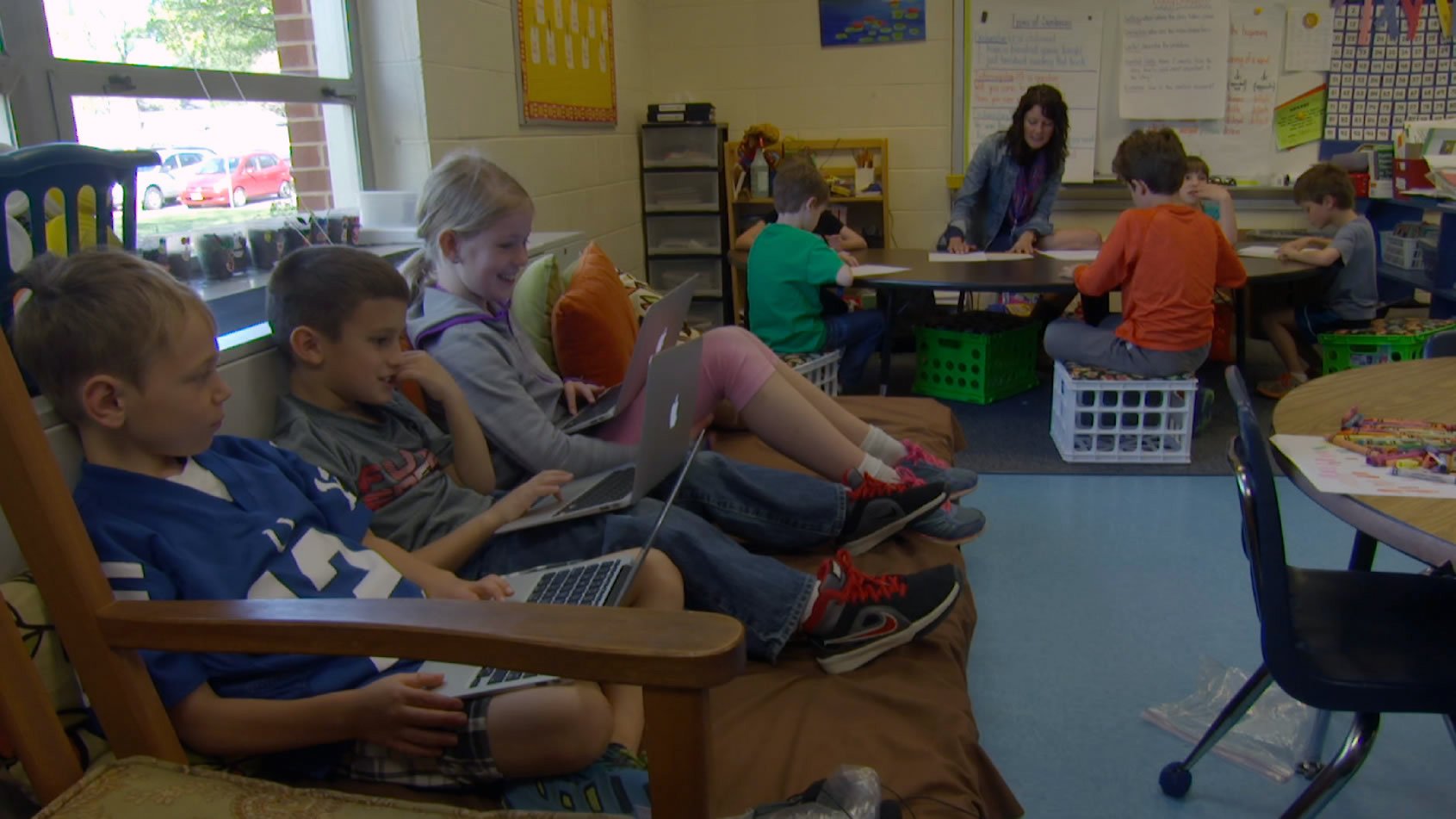
Flexible seating is a classroom arrangement that replaces one-size-fits-all desks with multiple seating choices. These may include traditional chairs, standing desks, stools, wobble seats, floor cushions, low tables, clipboards, soft chairs, collaborative tables, individual study corners, and open floor space. The goal is not to make the room trendy. The goal is to match the learning environment to the learning task.
For example, a student drafting an essay may work best at a quiet table facing away from distractions. Another student may think more clearly while standing. A small group planning a science presentation may need a table where everyone can see the same materials. A student who struggles with focus may benefit from a wobble stool or a seat near the teacher. Flexible seating acknowledges a basic truth teachers have known forever: students are not identical factory settings with backpacks.
Why Flexible Seating Improves Student Engagement
1. Choice Builds Ownership
Student engagement increases when learners feel they have some control over their environment. Flexible seating gives students a practical, low-risk decision: “Where can I do my best work right now?” That choice encourages self-awareness. Over time, students begin to recognize patterns. They learn that the couch is wonderful for silent reading but maybe not ideal when their best friend is also there holding a pencil like a microphone.
This kind of ownership matters. When students help manage their own learning space, they are more likely to see the classroom as a shared environment rather than a place where rules simply happen to them. Flexible seating turns classroom design into a daily lesson in decision-making, responsibility, and reflection.
2. Movement Supports Focus
Many students are asked to sit still for long periods even though their bodies are clearly voting against the policy. Flexible seating offers safe, structured ways to move without disrupting learning. Wobble stools, standing stations, balance cushions, and floor workspaces allow small physical adjustments that can help students stay alert.
This is especially important for students who are restless, sensory-seeking, or neurodivergent. Movement-friendly seating does not replace individualized support, but it can make the classroom more accessible. Instead of treating every wiggle as misbehavior, flexible seating asks a better question: “What kind of workspace helps this student focus?”
3. Comfort Reduces Barriers to Learning
Comfort is not laziness wearing slippers. A student who is physically uncomfortable spends valuable mental energy managing that discomfort. A chair that is too tall, a desk that feels cramped, a noisy corner, or a seating plan that creates constant distraction can all compete with learning.
Flexible seating helps remove some of those barriers. A student reading on a cushion may settle into the book more easily. A student working at a standing desk may stay more alert during a math task. A small group at a round table may participate more evenly because nobody is stuck at the “far end of the kingdom.” Comfort is not the final goal, but it is often the doorway to attention.
4. Collaboration Becomes Easier
Engaged classrooms are rarely silent all day. Students need opportunities to talk through ideas, debate respectfully, build projects, peer review, and explain their thinking. Flexible seating makes collaboration easier because the room can shift with the lesson.
Instead of dragging heavy desks into a temporary traffic jam, teachers can create zones: a discussion circle, a project table, a tech station, a reading corner, and an independent work area. When the space supports the activity, transitions are smoother and participation feels more natural. Students do not have to fight the furniture before they can start the assignment.
Flexible Seating and Classroom Management
The biggest myth about flexible seating is that it means students can sit anywhere, anytime, with zero guidance. That version lasts about nine minutes, or until someone attempts to use a yoga ball as transportation. Successful flexible seating depends on clear routines.
Teachers should introduce seating choices gradually. A good launch might begin with two or three options rather than a full classroom redesign. Students can practice choosing a spot, explaining why it fits the task, and moving if the choice is not working. The teacher’s message should be simple: seating is a tool, not a prize.
Effective classrooms often use anchor charts or agreements such as:
- Choose a seat that helps you learn.
- Use furniture safely and respectfully.
- Move only when it supports the task.
- Respect other people’s workspace.
- If a choice is not working, make a better one.
These routines protect both freedom and focus. Students learn that flexible seating is not about getting the “best” chair. It is about finding the best learning match.
Examples of Flexible Seating in Action
Elementary Reading Workshop
During reading workshop, one group of students may sit on floor cushions with book boxes. Another group may use clipboards at a low table for response journals. A few students may choose traditional desks because they prefer a firm surface. The teacher rotates through the room for conferences. Engagement rises because students are not all forced into the same posture for the same task.
Middle School Discussion
For a social studies debate, desks can move into a horseshoe or circle. Students can see one another, respond directly, and practice academic conversation. The layout sends a message: today, ideas move around the room. The teacher remains active, but the students carry more of the discussion.
High School Project Work
In a high school English or science classroom, flexible seating can support project-based learning. Teams may gather around large tables, while individuals who need quiet planning time use independent stations. Students can move between research, discussion, drafting, and presentation practice without waiting for the room to be rebuilt like a stage set between scenes.
Benefits Beyond Engagement
More Inclusive Learning
Flexible seating can support universal design by giving students multiple ways to access the learning environment. Some students need reduced sensory input. Some need movement. Some need proximity to peers. Some need fewer visual distractions. A flexible classroom can offer these choices without turning every accommodation into a public announcement.
Better Peer Interaction
When seating is arranged for interaction, students often talk more naturally about the work. They can compare strategies, ask questions, and learn from classmates. This is especially helpful for students who may hesitate to speak in whole-class settings but participate more confidently in pairs or small groups.
Improved Teacher Mobility
A classroom with flexible pathways helps teachers circulate, confer, redirect quietly, and check understanding. The teacher no longer has to perform the awkward desk-row side shuffle while trying not to trip over a backpack. Better movement supports better monitoring and more immediate feedback.
Common Challenges and Smart Solutions
Challenge: Students Fight Over Favorite Seats
Solution: Rotate high-demand seating, use sign-up systems, or create “best fit” conferences. Remind students that the goal is learning, not winning the beanbag lottery.
Challenge: The Room Feels Chaotic
Solution: Reduce the number of options. Add visual labels for zones. Practice transitions. Use consistent signals for moving, cleaning up, and returning materials.
Challenge: Flexible Seating Is Too Expensive
Solution: Start small. Use clipboards, lowered tables, carpet squares, donated stools, repurposed furniture, or existing desks arranged differently. Flexible seating is a mindset before it is a shopping cart.
Challenge: Some Students Make Poor Choices
Solution: Treat seating choice as a skill to teach. Ask students to reflect: “Did this spot help you focus? What will you choose next time?” Temporary limits can be used, but the long-term goal is self-management.
How to Launch Flexible Seating Successfully
Start With Learning Goals
Before buying furniture or moving desks, identify the learning behaviors you want to encourage. Do students need more collaboration? More independent focus? More movement? Easier small-group instruction? The seating plan should serve those goals.
Create Zones
Think in zones rather than chairs. A strong flexible classroom may include a quiet zone, collaboration zone, teacher-led small-group zone, reading zone, standing zone, and technology zone. Zones help students understand what each space is for.
Teach Expectations Directly
Do not assume students know how to use flexible seating responsibly. Model what it looks like to choose a spot, work productively, move safely, and clean up. Practice the wrong way and the right way. Students will enjoy the demonstration, especially if the teacher briefly plays the role of “student who uses the wobble stool like a carnival ride.”
Ask for Student Feedback
Flexible seating works best when students help evaluate it. Short reflection questions can reveal what is helping and what needs adjustment. Ask: “Where did you focus best this week?” “Which seating choice distracts you?” “What should we change about our room?” The answers may be more useful than any catalog description.
The Teacher’s Role Still Matters Most
Flexible seating is powerful, but it is not magic. A wobble stool cannot rescue an unclear lesson. A couch cannot differentiate instruction. A standing desk cannot build relationships by itself. The teacher remains the designer of the learning experience.
The most successful flexible seating classrooms combine thoughtful space design with strong instruction, predictable routines, formative assessment, and a warm classroom culture. Furniture supports engagement; it does not replace teaching. The seating may be flexible, but the purpose must be firm.
Experience-Based Insights: What Flexible Seating Looks Like Day After Day
In real classrooms, flexible seating becomes most effective after the novelty wears off. During the first week, students may treat every option like a theme park attraction. The wobble stool is suddenly the celebrity of the room. The floor cushion becomes prime real estate. Someone will absolutely ask whether the standing desk is “reserved for tall people.” This early excitement is normal, but it is not the final measure of success.
The real value appears when students begin making thoughtful choices without being reminded every three minutes. A student might say, “I’m going to sit by myself today because I need to finish my draft.” Another might move from a soft seat to a table because the task requires writing carefully. That shiftfrom choosing what looks fun to choosing what supports learningis the heart of flexible seating.
Teachers often discover that flexible seating reveals student habits quickly. Some students focus beautifully in quiet corners. Others need the structure of a desk. Some collaborate well at group tables, while others become professional conversation collectors. This information helps teachers coach students more personally. Instead of saying, “Stop talking,” the teacher can say, “This seat is not helping you meet today’s goal. Choose a better work spot.” That language keeps the focus on learning rather than punishment.
Another practical experience is that flexible seating improves classroom culture when students help care for the space. Students can stack cushions, wipe tables, reset chairs, organize clipboards, and report furniture problems. These small routines build shared ownership. The room no longer feels like the teacher’s territory that students temporarily occupy. It becomes a learning community they help maintain.
Flexible seating also teaches students that fairness does not always mean sameness. One student may need to stand to focus. Another may need a quieter corner. Another may need to sit close to instructions. When teachers explain that everyone gets what helps them learn, students begin to understand equity in a concrete way. This lesson is bigger than furniture.
Of course, flexible seating has imperfect days. A group table may get too loud. A student may hide unfinished work under a cushion. A rolling chair may travel farther than academically necessary. These moments do not mean the system has failed. They mean the system needs reteaching, adjusting, or simplifying. Flexible seating is a classroom practice, not a one-time decoration project.
The best experience-based advice is to begin with what you already have. Move a table. Open a floor space. Add a few clipboards. Create a quiet corner. Let students try choices and reflect on them. A classroom does not need to look like a magazine spread to become more engaging. It needs thoughtful options, clear expectations, and a teacher willing to observe what actually helps students learn.
Conclusion
Flexible seating elevates student engagement because it respects the reality of learning: students think, move, collaborate, focus, and regulate themselves in different ways. A flexible classroom gives them structured choices that support those differences. It can increase ownership, improve collaboration, encourage movement, and create a more inclusive learning environment.
Still, the furniture is only the beginning. Flexible seating succeeds when teachers connect seating choices to learning goals, teach routines clearly, and help students reflect on what works. The best flexible classrooms are not casual lounges with worksheets. They are carefully designed spaces where students learn how to choose, focus, collaborate, and take responsibility for their own learning. And if a beanbag helps a reluctant reader finally settle into a chapter book, that beanbag has earned its place on the lesson plan.