Some comics build elaborate worlds with maps, dynasties, and enough lore to require a graduate seminar. The comics of the “Idiot of the East” often begin somewhere more dangerous: a CAPTCHA, a family conversation, a late-night thought, or a harmless cartoon character placed in a deeply unhelpful situation. Within a few panels, ordinary life becomes ridiculousand uncomfortably recognizable.
Behind the playful name is Filipino webcomic artist Jauneil Arvin Ma-ao. His work blends everyday observations with memes, anime, games, superhero movies, television, and internet culture. The result is a fast-moving style of comedy that feels familiar even when the cast includes gods, monsters, animated icons, or characters who could destroy a planet before breakfast.
Who Is the “Idiot of the East”?
Ma-ao began posting webcomics seriously during the COVID-19 pandemic, when interrupted college plans gave him unexpected time to draw. He had originally imagined finishing engineering school, finding a job, saving money, and eventually pursuing comics. Instead, “eventually” arrived early, wearing sweatpants and carrying a global crisis.
That unusual beginning helps explain the energy of his work. These are not distant, polished observations delivered from an ivory tower. They feel like dispatches from the same online life many readers were living: studying from home, scrolling too much, revisiting childhood entertainment, joining fandoms, sharing memes, and using humor to make uncertainty less exhausting.
His central goal is refreshingly uncomplicated. He has explained that he wants people to rediscover the simple, silly laughter they enjoyed as children. That spirit runs through the comics. Even when a joke touches on anxiety, loneliness, adult responsibilities, or dark humor, it usually arrives with the mischievous timing of a kid asking, “But what would happen if we took this idea literally?”
Why These Relatable Comics Work So Well
Relatable humor depends on recognition. A reader sees a situation, understands it almost instantly, and feels the tiny jolt of being exposed. “I do that,” the brain admits, moments before trying to blame somebody else. Ma-ao’s comics repeatedly create that reaction by pairing familiar frustrations with exaggerated visual consequences.
The art is direct enough for quick reading, but the simplicity is part of the design. Webcomics compete with notifications, short videos, group chats, work messages, and the urgent need to check the refrigerator again. A strong setup must communicate quickly. Clear expressions, recognizable characters, and compact dialogue allow the punchline to arrive before the reader’s attention escapes through an open browser tab.
There is also a strong meme sensibility in the structure. Memes depend on shared context, and these comics frequently draw upon the audience’s existing knowledge of popular culture. A superhero, anime character, video game reference, or childhood television figure enters the panel carrying years of emotional baggage. The artist can then twist that baggage into a joke without explaining every zipper.
30 Comic Situations That Feel Suspiciously Familiar
The appeal of this collection is not that every reader understands every fandom reference. It is that the emotional machinery beneath those references remains universal. Here are 30 recurring situations and comic ideas that demonstrate why the “Idiot of the East” connects so easily with online audiences.
-
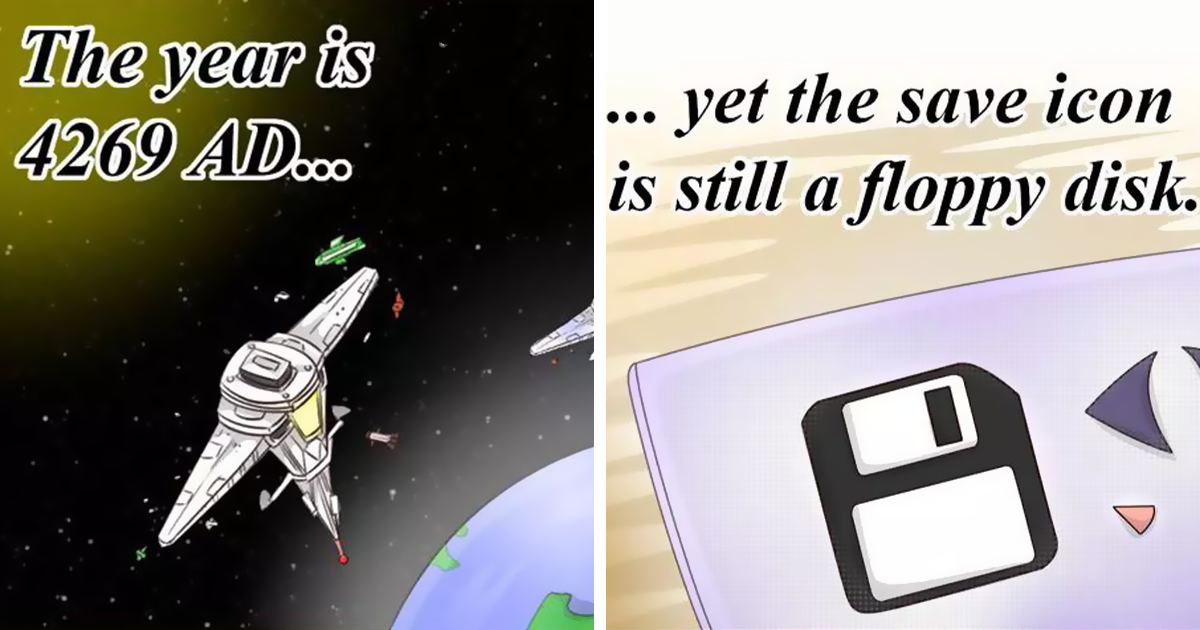
1. Technology Turning Us Into Archaeologists
An old device such as a floppy disk can suddenly resemble an artifact recovered from a lost civilization. The joke lands because technology ages faster than the snacks in an office vending machine.
-
2. The CAPTCHA That Questions Your Humanity
Selecting every square containing a traffic light sounds easy until one metal pole crosses a pixel. Five minutes later, you are negotiating with a robot about whether you deserve access to a website.
-
3. Pets Staring at Absolutely Nothing
A dog or cat studies a blank wall with supernatural concentration. The owner laughs, then remembers every horror movie ever made and quietly decides to sleep with the lights on.
-
4. The Legendary Household Slipper
In many families, the humble slipper has two jobs: footwear and long-range parental diplomacy. A comic needs only one raised eyebrow and one airborne sandal to tell the entire story.
-
5. Tough Characters Becoming Weirdly Wholesome
Nothing disrupts expectations like a violent antihero performing a gentle act. The contrast makes the joke funny, but it also creates a tiny emotional surprise beneath the punchline.
-
6. Childhood Heroes Meeting Adult Problems
“Can we fix it?” sounded inspiring when we were children. Adulthood introduces taxes, burnout, broken relationships, and printer errors, forcing even the most optimistic builder to review the warranty.
-
7. Filling Out a Form Incorrectly
Few mistakes are more efficient than placing your entire name in the wrong field. The form judges silently while you search for a back button that disappeared during the previous software update.
-
8. The Person You Were Told Not to Worry About
Relationship insecurity becomes instantly readable when a comic visualizes the comparison. One character looks normal; the rival arrives glowing like a final boss with excellent hair.
-
9. A “Small” Game Sale Destroying the Budget
Discounted games create a special form of financial mathematics. Buying six titles you may never play somehow feels like saving money, especially when the sale timer is emotionally threatening you.
-
10. Anime Logic Applied to Ordinary Life
Simple errands become dramatic battles when characters pose, shout, transform, or explain their techniques. The milk is still forgotten, but at least the convenience-store visit received a three-episode arc.
-
11. Superpowered Family Drama
Gods and superheroes may command storms, magic, or cosmic weapons, yet family misunderstandings still defeat them. Apparently, emotional communication remains the one power unavailable in the cinematic universe.
-
12. Villains With Customer-Service Problems
A terrifying villain becomes funnier when forced to wait in line, explain a coupon, or speak with technical support. Evil has limits, and one of them is hold music.
-
13. Rewriting a Message Twelve Times
Social anxiety turns “Okay, thanks” into a diplomatic crisis. Is the period too cold? Is the exclamation point too excited? Should there be an emoji? Civilization hangs in the balance.
-
14. Procrastination Disguised as Preparation
The task cannot begin until the desk is organized, the playlist is perfect, and 17 unrelated questions have been researched. By then, it is bedtime, which is technically tomorrow’s problem.
-
15. Food Winning Every Argument
Self-control speaks confidently until fries enter the room. Comics make this inner conflict visible by turning hunger, guilt, and appetite into characters engaged in a very short debate.
-
16. The Revenge of the Sleep Schedule
At midnight, the brain wants documentaries, theories, and detailed life plans. At 7 a.m., it wants legal protection from the alarm clock. The contradiction is practically a renewable comedy resource.
-
17. Motivation Arriving After the Opportunity
The desire to exercise often appears late at night, safely separated from any realistic chance of visiting a gym. Morning arrives and motivation files an immediate resignation.
-
18. Battery Percentage as a Horror Story
Ten percent battery feels manageable at home. Ten percent in an unfamiliar place feels like the opening scene of a survival film starring one charging cable that does not fit.
-
19. Introverts Planning an Escape
A social event can be enjoyable, but the moment someone says, “Let’s go somewhere else,” the introvert begins calculating exits, travel time, and whether pretending to receive a phone call is still believable.
-
20. Cartoon Characters Facing Real Consequences
Children’s shows are full of cheerful promises and impossible resilience. Move those characters into adult reality, and the gap between innocence and consequences becomes comedy gold.
-
21. Gamer Logic Outside the Game
Gamers accept carrying 12 swords, 50 potions, and a suspicious wheel of cheese, but making two trips from the car is unacceptable. Efficiency has standards.
-
22. Overthinking a Perfectly Normal Relationship
A delayed reply can produce an entire imaginary documentary: betrayal, regret, personal growth, and a dramatic soundtrack. Then the message arrives: “Sorry, I was in the shower.”
-
23. Harmless Details Becoming Terrifying
A shadow, noise, insect, or oddly placed object gains supernatural importance after dark. The comic exaggerates the fear, but readers recognize the moment when a hanging coat becomes a criminal.
-
24. Internet Trends Aging in Real Time
Yesterday’s meme was universal; today it requires a historical footnote. The speed of online culture makes everyone feel young, old, and confused during the same scrolling session.
-
25. Meetings That Could Have Been Messages
Workplace comedy thrives on wasted motion. Ten people gather to discuss a sentence that could have been sent before lunch, then schedule another meeting to clarify the first meeting.
-
26. The Budget Versus the Shiny Object
A careful savings plan can survive rent, groceries, and transportation. It may not survive a limited-edition collectible described as “essential” by the least responsible part of the brain.
-
27. Existential Dread Wearing a Cute Face
One of Ma-ao’s strongest comic tricks is packaging a bleak thought inside a charming design. Readers laugh first, recognize the anxiety second, and then send the comic to three friends without comment.
-
28. Fandoms Colliding Without Permission
Anime, superheroes, games, cartoons, and science fiction can share a panel because internet culture has never respected property lines. The unexpected crossover becomes part of the punchline.
-
29. The Extra Joke Hidden After the Punchline
A good webcomic rewards the second look. A background expression, tiny label, or visual detail can add another joke after the main gag has already done its job.
-
30. Realizing the Fool Is Us
The final source of relatability is self-recognition. The characters may be exaggerated, fictional, or fantastically powerful, but their questionable decisions are painfully human.
From Memes to Miniature Stories
Calling these works “memes with drawings” would miss the craft. A meme usually depends on a reusable format, while a comic controls sequence. The artist decides what the reader knows in panel one, what changes in panel two, and exactly when the final image overturns the setup. Timing is built into the empty space between panels.
Ma-ao’s use of pop-culture characters accelerates that process. Familiar figures act as narrative shortcuts. Readers already understand their powers, personalities, rivalries, and emotional histories. A single recognizable silhouette can replace a paragraph of exposition, leaving more room for the joke.
This is also why the work travels well across social platforms. The comics are compact, visually legible, and easy to share. They can entertain someone who follows the artist closely, a casual reader who recognizes one reference, or a person who has no idea which universe the character belongs to but understands the embarrassment of making a typo.
Humor as a Pressure-Release Valve
Research on laughter and humor suggests that comedy may support stress relief and emotional coping, although a funny comic is not a substitute for professional care. Its value is often immediate and modest: a difficult day is interrupted by 30 seconds of recognition and laughter. That small interruption can still matter.
Relatable comics also create a sense of social proof. When thousands of people react to a joke about procrastination, awkwardness, or overthinking, the reader receives a comforting message: this strange habit is not uniquely mine. Everyone else is apparently improvising adulthood too.
The best jokes in the collection do not lecture readers about their flaws. They exaggerate those flaws until they become harmless enough to examine. We may not solve our sleep schedules, spending habits, or fear of mysterious hallway noises, but we can at least laugh at the committee responsible.
Why the Artist’s Style Fits Modern Webcomics
Webcomics are now an established form of digital culture, preserved by major archives and distributed through platforms that let artists publish without waiting for a newspaper syndicate or traditional publisher. That openness gives creators room to be specific, strange, experimental, and deeply connected to niche communities.
The “Idiot of the East” uses that freedom effectively. One comic may be broadly relatable; the next may dive into anime, gaming, superhero lore, or Warhammer references. The audience is not treated as a single demographic that must understand everything. Readers can laugh at what they know, discover what they do not, and move on without receiving homework.
That flexibility is a major strength. Internet humor is built from layers: childhood nostalgia, current trends, fandom knowledge, personal anxiety, and the shared language of reaction images and memes. Ma-ao’s comics combine those layers while keeping the central joke readable.
A Reader’s Experience: Thirty Comics, One Long “That’s Me”
Reading a collection like this feels less like entering an art gallery and more like opening a group chat where everyone has been awake too long. The first comic may earn a polite smile. The fifth produces a real laugh. By the tenth, the reader is tagging friends with increasingly specific accusations: “This is you,” “This is also you,” and, when honesty becomes unavoidable, “Unfortunately, this one is me.”
The strongest experience comes from the rhythm. Each strip creates a tiny cycle of expectation and surprise. You recognize a character or situation, predict where the joke is going, and then discover that the artist has taken the nearest exit toward nonsense. Because the comics are short, there is no time to build defenses. The punchline arrives before the serious adult part of the brain can request additional context.
Pop-culture references add another pleasure: recognition becomes a reward. Spotting a familiar anime character, superhero, game mechanic, or childhood icon creates the feeling of being included in an inside joke. Yet the better comics remain funny even without perfect knowledge. You may not understand every piece of lore, but you understand jealousy, laziness, hunger, panic, and the deep personal betrayal of an alarm clock.
There is also something oddly comforting about the rough edges of ordinary life becoming material. A typo is no longer merely annoying; it is a setup. A low phone battery becomes suspense. A pet staring into a corner becomes supernatural fiction. A failed attempt at productivity becomes a four-panel autobiography. The comics encourage readers to look at daily frustration from a slightly safer distance.
That distance does not erase the problem. The deadline remains. The awkward message has still been sent. The exercise plan is still resting peacefully in a notes app. What changes is the emotional temperature. Humor takes an experience that felt personal and embarrassing and turns it into something communal. Once a mistake becomes shareable, it loses some of its power to make us feel alone.
The collection is especially enjoyable when read slowly enough to notice expressions and background details. A character’s blank stare may be funnier than the dialogue. A tiny object in the corner may quietly complete the joke. These visual aftershocks reward readers who pause instead of treating the page like an Olympic scrolling event.
After 30 comics, the lasting impression is not simply that the artist understands internet culture. It is that he recognizes how people use internet culture to talk about themselves. We borrow fictional characters to express real moods. We use memes to confess without becoming too serious. We laugh at exaggerated failures because our actual failures feel less dramatic afterward.
That is the experience at the heart of “Idiot of the East”: quick entertainment with a surprisingly human center. The jokes are silly, occasionally dark, frequently nerdy, and designed for sharing. More importantly, they remind readers that adulthood has not canceled the right to laugh at something wonderfully stupid. In a world eager to turn every moment into a debate, 30 ridiculous comics can feel like a small but necessary vacation.