Note: This article synthesizes current rainbow shark care guidance from reputable aquarium, pet-care, and fishkeeping resources. Source links are intentionally omitted for clean web publication.
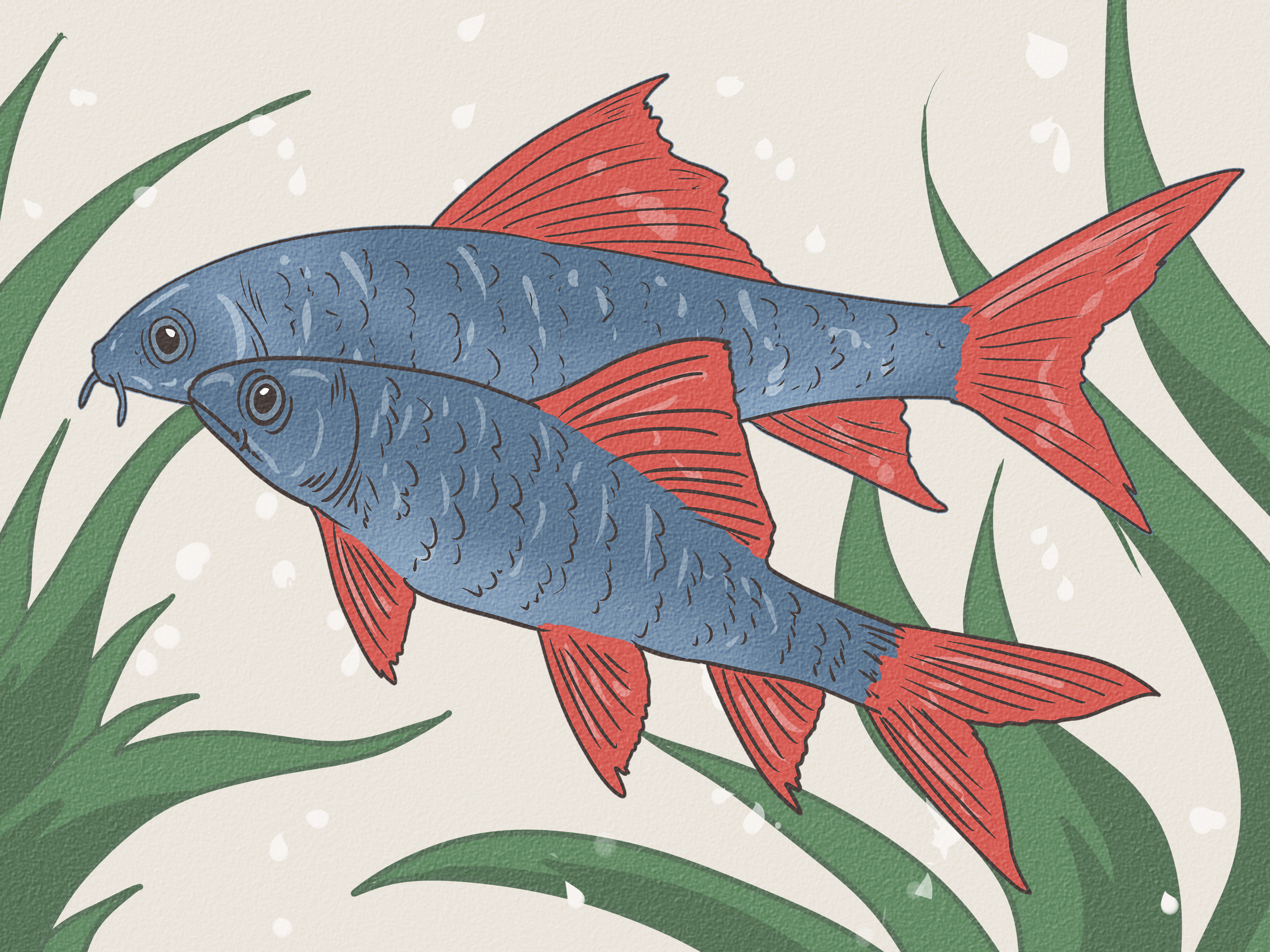
Rainbow sharks are the aquarium world’s tiny drama royalty: sleek dark bodies, fiery red-orange fins, and just enough attitude to make the whole tank feel like it has a security guard. Despite the name, a rainbow shark is not a true shark. It is a freshwater cyprinid, related more closely to carp and minnows than to anything patrolling the ocean with a theme song.
Still, the nickname makes sense. Rainbow sharks have a torpedo-shaped body, a bold dorsal fin, and a habit of cruising the lower part of the aquarium like they own the deed. They are beautiful, active, and rewarding fish, but they are not “drop it in a bowl and hope for the best” pets. Proper rainbow shark care requires space, clean water, smart tank mates, and a setup that respects their territorial personality.
This guide breaks rainbow shark care into 14 practical steps, covering tank size, water parameters, diet, behavior, maintenance, health, and real-life aquarist experience. Think of it as a peaceful treaty between you and your red-finned little landlord.
Rainbow Shark Care at a Glance
- Scientific name: Epalzeorhynchos frenatum
- Common names: Rainbow shark, red-fin shark, ruby shark, rainbow sharkminnow
- Adult size: About 5 to 6 inches
- Temperament: Semi-aggressive and territorial
- Minimum tank size: 50 to 55 gallons for one adult
- Best tank shape: Long aquarium, ideally 4 feet or more
- Temperature: 74°F to 81°F
- pH: 6.5 to 7.8, with stability more important than perfection
- Diet: Omnivore with a strong interest in algae, sinking foods, vegetables, and protein treats
- Care level: Intermediate
1. Understand What a Rainbow Shark Really Is
The first step in caring for a rainbow shark is understanding the fish behind the fancy fins. Rainbow sharks come from river systems in Southeast Asia, where they naturally spend time near the bottom, grazing on algae, biofilm, tiny organisms, and bits of food that drift their way.
In an aquarium, this bottom-cruising behavior continues. A rainbow shark will often patrol caves, driftwood, plants, and the lower third of the tank. That does not mean it is a peaceful janitor. Many new fishkeepers buy one thinking it will quietly clean algae all day. Then it grows up and starts acting like the bouncer at an exclusive underwater nightclub.
Rainbow sharks are best for aquarists who can provide a large, stable tank and who understand that “semi-aggressive” is not just a cute label. It means the fish may chase, defend territory, and object loudlyin fish languageto poor roommate choices.
2. Choose a 50- to 55-Gallon Tank or Larger
A juvenile rainbow shark may look small in a store tank, but do not let those baby fins fool you. Adults can reach around 6 inches and need room to swim, graze, hide, and claim territory. A 50-gallon tank is often listed as the bare minimum, but a 55-gallon aquarium or larger is the safer recommendation for long-term care.
Even more important than gallon count is floor space. Rainbow sharks need horizontal swimming room, not a tall, narrow tower of water. A tank that is at least 4 feet long gives the fish space to establish a route and reduces the chance that every other fish becomes an unwilling trespasser.
Why small tanks cause problems
In cramped aquariums, rainbow sharks become more defensive because they cannot create a comfortable territory. The result may be chasing, fin nipping, hiding, stress, or constant conflict. A larger tank does not magically turn a rainbow shark into a golden retriever, but it gives everyone enough elbow roomwell, fin roomto behave better.
3. Cycle the Aquarium Before Adding the Fish
Before your rainbow shark arrives, the aquarium should be fully cycled. This means beneficial bacteria are established in the filter and substrate, converting toxic ammonia into nitrite and then into less harmful nitrate.
A cycled tank should show:
- Ammonia: 0 ppm
- Nitrite: 0 ppm
- Nitrate: Ideally below 20 to 40 ppm, depending on the tank and stocking level
Rainbow sharks are hardy once settled, but they are not immune to bad water. Adding one to an uncycled tank is like asking someone to move into a house while the plumbing is still exploding. Use a liquid test kit, be patient, and add fish only when the biological filter is ready.
4. Maintain Stable Water Parameters
Rainbow sharks can tolerate a range of freshwater conditions, but they thrive when the water is stable, clean, warm, and well-oxygenated. Aim for a temperature between 74°F and 81°F. A reliable aquarium heater is essential because sudden temperature swings can stress the fish and weaken its immune system.
A pH between 6.5 and 7.8 works well for most captive-bred rainbow sharks. Do not chase a “perfect” number with constant chemical adjustments. Stability beats perfection. A fish living happily at 7.4 pH is better off than one bounced from 6.8 to 7.8 because someone got too enthusiastic with bottled pH products.
Simple water targets
- Temperature: 74°F to 81°F
- pH: 6.5 to 7.8
- Hardness: Soft to moderately hard water is usually acceptable
- Ammonia and nitrite: Always 0 ppm
- Nitrate: Keep low with regular water changes
5. Use Strong Filtration and Moderate Water Flow
Rainbow sharks are active river-style fish, so they appreciate clean water and moderate current. A quality hang-on-back filter, canister filter, or oversized internal filter can work well, as long as it handles the tank’s bioload and creates steady circulation.
The filter should do three jobs: remove debris, host beneficial bacteria, and keep oxygen moving through the water. Do not replace all filter media at once, because that can remove the bacteria your aquarium depends on. Instead, rinse sponges or media gently in old tank water during water changes.
If your rainbow shark spends time near the filter outflow, that is often normal. Many enjoy cruising against the current like tiny underwater athletes training for a fish marathon.
6. Add a Soft, Safe Substrate
Rainbow sharks spend much of their time near the bottom, using their downturned mouths to graze surfaces. A smooth substrate is important because rough gravel can irritate their mouth area and sensitive barbels.
Fine gravel or sand works well. Sand creates a natural riverbed look and allows the fish to explore comfortably. If you use gravel, choose rounded pieces without sharp edges. Avoid jagged rocks, broken decorations, or anything that looks like it was designed by a committee of tiny aquarium villains.
7. Build Hiding Spots and Territory Zones
A rainbow shark without hiding places is a stressed rainbow shark. A stressed rainbow shark often becomes a rude rainbow shark. Give your fish caves, driftwood, rock arches, ceramic shelters, and dense plant areas so it can retreat when needed.
The goal is to break up the line of sight. When fish cannot see each other constantly, they are less likely to chase each other constantly. Think of décor as interior design with conflict management benefits.
Good rainbow shark decorations include:
- Smooth river rocks
- Driftwood and bogwood
- Caves and tunnels
- Hardy plants such as Java fern, Anubias, Vallisneria, and Amazon sword
- Open swimming lanes in the front or middle of the tank
8. Choose Tank Mates Carefully
Rainbow shark tank mates should be chosen with strategy. This fish is territorial, especially toward other bottom dwellers and fish with a similar body shape. Avoid keeping rainbow sharks with red tail sharks, other rainbow sharks, timid bottom fish, tiny fish, or slow long-finned species that could be harassed.
Better choices include active, medium-sized fish that spend more time in the middle or upper levels of the tank. Depending on tank size and temperament, suitable options may include larger danios, barbs, rainbowfish, peaceful gouramis, and some robust community fish. Always observe behavior after adding new tank mates.
A good rule: introduce the rainbow shark last when possible. If it enters an already established community, it may be less likely to claim the entire aquarium as its personal kingdom.
9. Keep Only One Rainbow Shark in Most Home Aquariums
One rainbow shark can be a showpiece. Two rainbow sharks can be a reality show. In most home aquariums, keeping more than one is not recommended because they may fight as they mature.
Juveniles can appear social, but adult rainbow sharks often become territorial toward their own kind. If someone wants to keep multiple rainbow sharks, the tank should be very large, heavily decorated, and carefully managed. For most fishkeepers, one rainbow shark per aquarium is the peaceful, practical choice.
10. Feed a Varied Omnivore Diet
Rainbow sharks are omnivores. They graze algae and biofilm, but they should not be expected to survive as the tank’s unpaid cleaning crew. They need a balanced diet built around quality sinking foods, vegetable matter, and occasional protein treats.
Good foods for rainbow sharks include:
- Sinking algae wafers
- High-quality sinking pellets
- Spirulina flakes or wafers
- Blanched zucchini, spinach, lettuce, or shelled peas
- Frozen or live brine shrimp
- Frozen bloodworms or daphnia as occasional treats
Feed once or twice daily, offering only what the fish and tank mates can finish in a few minutes. Remove uneaten vegetables after several hours so they do not foul the water. A rainbow shark with a varied diet usually shows stronger color, better energy, and fewer digestive issues.
11. Avoid Overfeeding
Overfeeding is one of the fastest ways to ruin water quality. Rainbow sharks are enthusiastic eaters, and many will act as if they have not seen food since the invention of aquariums. Do not fall for the performance.
A slightly hungry fish in clean water is usually healthier than an overfed fish in dirty water. Rotate foods through the week. For example, use sinking pellets one day, algae wafers the next, blanched vegetables twice a week, and frozen protein once or twice a week. This keeps the diet interesting without turning the tank into soup.
12. Perform Regular Water Changes
Clean water is the backbone of rainbow shark care. Plan on changing about 20% to 30% of the aquarium water weekly, especially in community tanks. Lightly vacuum the substrate, but do not deep-clean every inch at once. Beneficial bacteria live on surfaces throughout the tank.
Always use a water conditioner when adding tap water. Match the new water temperature as closely as possible to the tank temperature. Sudden changes can stress fish, and rainbow sharks are not known for writing polite complaint letters.
Weekly maintenance checklist
- Test ammonia, nitrite, nitrate, and pH
- Check heater and filter function
- Remove uneaten food and dead plant matter
- Change 20% to 30% of the water
- Observe fins, color, breathing, appetite, and behavior
13. Watch for Stress and Disease
A healthy rainbow shark is alert, active, colorful, and curious. It patrols the tank, grazes surfaces, eats well, and uses hiding places without disappearing for days. Warning signs include clamped fins, faded color, rapid breathing, white spots, red sores, torn fins, loss of appetite, or constant hiding.
Many common fish illnesses are linked to stress and poor water quality. Ich, fin rot, bacterial infections, and fungal-looking growths can appear when conditions decline. The first response should always be to test the water. Medication can help in some cases, but medicine added to bad water is like spraying perfume on a garbage can. Fix the cause, not just the symptom.
Quarantine new fish before adding them to the main tank. A separate quarantine tank helps prevent parasites or infections from entering your display aquarium. It also gives new fish time to recover from shipping and store stress.
14. Respect Their Personality as They Mature
Rainbow sharks often change with age. A young fish may seem shy or harmless, while an adult may become more confident and territorial. This is normal. The solution is not to blame the fish for acting like its species. The solution is to prepare the aquarium properly.
As your rainbow shark grows, reassess the tank. Are there enough caves? Are tank mates being chased? Is the tank too crowded? Is the fish getting enough vegetable-based food? Are water changes consistent? Small adjustments can prevent big problems.
A well-kept rainbow shark is not just a pretty fish. It becomes the bold centerpiece of a freshwater aquariumpart athlete, part grazer, part dramatic neighborhood watch captain.
Common Rainbow Shark Mistakes to Avoid
Keeping one in a small tank
A 20- or 30-gallon tank may work for a while when the fish is young, but it is not a good permanent home. Crowding increases aggression and stress.
Buying it only as an algae eater
Rainbow sharks graze algae, but they will not replace proper tank maintenance. They need real food and regular care.
Mixing it with similar fish
Red tail sharks, other rainbow sharks, and similarly shaped bottom fish often trigger territorial behavior.
Ignoring the bottom zone
Because rainbow sharks live mainly near the bottom, aquascape that area thoughtfully. Caves, smooth substrate, and broken sight lines matter.
Changing water chemistry too quickly
Fast pH or temperature shifts are dangerous. Make changes gradually and focus on consistency.
Best Tank Setup Example for One Rainbow Shark
For a strong beginner-friendly setup, start with a 55-gallon long aquarium. Add sand or smooth fine gravel, a reliable heater set around 77°F, and a filter rated for at least the tank sizepreferably a little larger. Use driftwood, smooth stones, and two or three caves to create defined territories.
Plant hardy greenery around the back and sides while leaving open space in the front for swimming. Add active midwater fish first, allow them to settle, and introduce the rainbow shark last. Feed sinking pellets or algae wafers as the staple, with vegetables and frozen foods rotated throughout the week. Test water weekly and change water consistently.
This setup gives the rainbow shark what it needs most: space, structure, clean water, and fewer reasons to start arguments.
Can Rainbow Sharks Breed in Home Aquariums?
Rainbow sharks are egg layers, but breeding them in home aquariums is extremely rare. Most rainbow sharks sold in the aquarium trade are commercially bred in controlled facilities. Their territorial behavior, space needs, and breeding requirements make home spawning difficult.
If breeding is your main goal, this is not the easiest species to choose. If your goal is a striking freshwater centerpiece with personality, a single rainbow shark can be a fantastic choice.
Extra Experience: What Caring for a Rainbow Shark Feels Like in Real Life
Caring for a rainbow shark is a little like living with a roommate who is charming, stylish, and very serious about personal space. When the tank is set up well, the fish becomes one of the most entertaining residents in the aquarium. It glides under driftwood, darts through caves, grazes algae from rocks, and occasionally pauses in the open as if posing for a dramatic album cover.
One of the most useful real-life lessons is that aquascaping matters more than many beginners expect. A bare tank with one plastic cave is not enough. The rainbow shark needs multiple places to investigate and claim. In a decorated tank, it may choose a favorite cave, a shaded area under wood, or a corner behind plants. Once that territory is established, the fish often becomes calmer because it has a reliable home base.
Another experience-based tip: feed sinking food after the lights dim slightly or when midwater fish are distracted. Fast tank mates may grab floating flakes before the rainbow shark gets enough. Sinking wafers and pellets help make sure food reaches the bottom. Vegetables can also be surprisingly fun. A slice of blanched zucchini clipped near the lower part of the tank may turn into the shark’s evening project. Watching it rasp at the surface is oddly satisfying, like seeing a tiny aquatic lawn mower with opinions.
Behavior changes are also important to observe. A rainbow shark that occasionally chases a fish away from its cave is acting normally. A rainbow shark that relentlessly pins another fish in a corner is creating a problem. The difference is frequency and intensity. If chasing becomes constant, rearranging décor can reset territories. Adding more visual barriers may help. In some cases, a tank mate simply needs to be moved.
Many aquarists also learn that rainbow sharks are more confident when water quality is excellent. In neglected tanks, they may hide, lose color, or become unusually irritable. After consistent water changes, stable temperature, and better feeding, the same fish often becomes brighter and more active. Clean water is not glamorous advice, but it works.
The best part of keeping a rainbow shark is the personality. This fish does not fade into the background. It patrols. It investigates. It has routines. It may inspect new decorations within minutes, claim a tunnel by dinner, and stare down a snail as though enforcing aquarium law. For fishkeepers who enjoy watching behavior, not just color, the rainbow shark is a rewarding species.
The challenge is remembering that beauty does not cancel responsibility. A rainbow shark deserves a properly sized aquarium, thoughtful tank mates, and consistent care. Give it those basics, and it can become a bold, long-lived highlight of a freshwater community tank. Ignore those basics, and you may end up with a stressed fish and a tank full of nervous roommates.
In short, rainbow shark care is not difficult once you respect the fish’s nature. It needs room to move, a cave to claim, clean water to breathe, and food that actually reaches its mouth. Provide those things, and your rainbow shark will reward you with color, movement, attitude, and just enough underwater drama to keep aquarium life interesting.
Conclusion
Rainbow sharks are not beginner fish in the “set it and forget it” sense, but they are very manageable for aquarists willing to plan ahead. The secret is simple: give them a long tank, stable warm water, strong filtration, hiding places, a varied diet, and carefully chosen tank mates. Do that, and the rainbow shark’s semi-aggressive personality becomes part of its charm rather than a daily crisis.
These red-finned freshwater fish are bold, active, and full of character. They bring movement to the bottom of the aquarium and visual contrast to planted tanks. With the right care, a rainbow shark can thrive for years and become the fish guests always notice first.
Respect the territory, keep the water clean, feed with variety, and remember: your rainbow shark may not be a real shark, but it absolutely believes it is important. Honestly, with those fins, who can blame it?