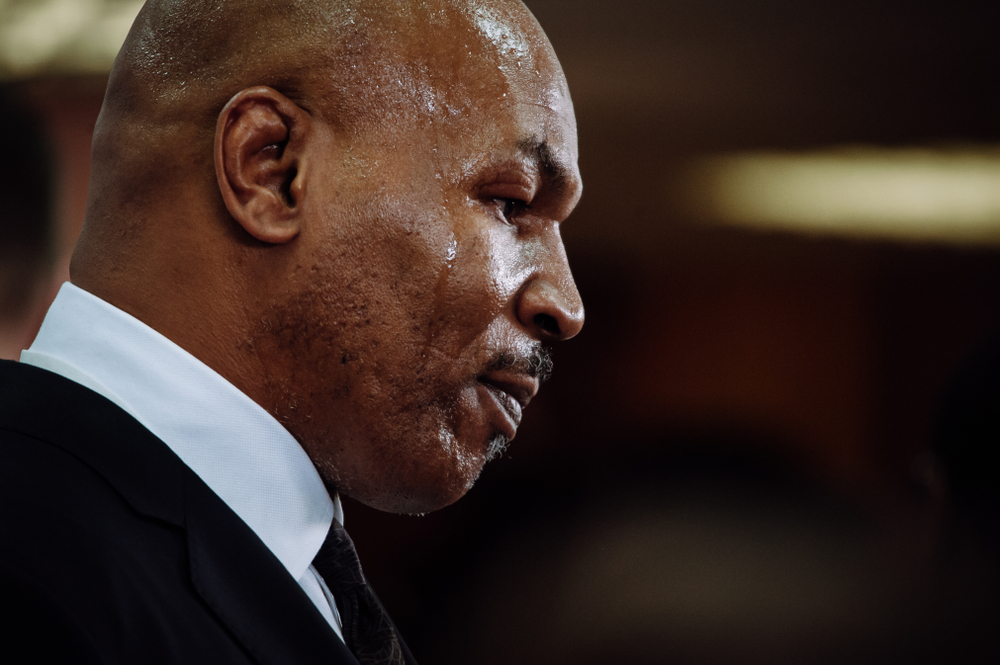
What do Mike Tyson and George Foreman have to do with the future of health care? On the surface, not much. One is remembered for terrifying speed, the other for a comeback so improbable it still sounds like a screenwriter got carried away after too much coffee. But look closer, and these two boxing legends offer a surprisingly sharp framework for thinking about a health care system that must be stronger, smarter, and far more adaptable than it has been.
Tyson represents explosive force, early dominance, and the ability to change a contest in seconds. Foreman represents reinvention, endurance, patience, and the rare power of getting better after everyone assumes your best years are behind you. Health care needs both qualities. It needs Tyson’s urgency when lives are on the line, and Foreman’s maturity when change is no longer optional but survival depends on evolving.
The American health care system is under pressure from nearly every corner of the ring. Workforce shortages are growing. Burnout remains a stubborn problem. Chronic disease is everywhere. Patients expect easier access, more personalized care, and less bureaucratic nonsense. Technology promises help, but sometimes arrives like an overexcited sparring partner who swings first and asks questions later. In that environment, Tyson and Foreman become more than sports icons. They become metaphors for two very different but equally valuable models of resilience.
Why Tyson and Foreman belong in a health care conversation
Tyson became heavyweight champion at just 20 years old. He was speed, pressure, intimidation, and momentum wrapped in one ferocious package. He didn’t win by politely introducing himself. He won by taking over the fight before the other guy had finished blinking. For hospitals and health systems facing emergencies, that kind of response matters. In trauma care, stroke care, infectious disease outbreaks, and disaster response, speed saves lives. Nobody wants a health system that strolls into a crisis like it is browsing a bookstore.
Foreman, by contrast, built one of the greatest second acts in sports history. He returned to the ring after a long absence, adapted his style, changed his conditioning, sharpened his patience, and became heavyweight champion again at 45. That is not just a comeback story. It is a master class in strategic evolution. He did not try to be a younger version of himself. He became a wiser, more durable one. That is exactly the lesson health care must learn now. The future will not be won by trying to restore the old normal with better PowerPoint slides.
Lesson 1: Speed matters, but control matters more
Tyson’s greatness was not just power. It was disciplined aggression.
The lazy interpretation of Tyson is simple: hit hard, hit fast, walk away. But that misses what made him effective. At his best, Tyson’s offense came from preparation, timing, footwork, defensive movement, and extraordinary focus. The knockout punch got the headlines, but the structure behind it made the highlight possible.
Health care leaders should hear that clearly. During the past several years, many organizations have embraced “rapid transformation.” New digital tools, staffing models, care pathways, automation systems, and virtual workflows have arrived at a dizzying pace. Some of that urgency was necessary. Some of it was just chaos wearing a lanyard. Fast change is not the same thing as good change.
A resilient health care future requires speed with control. It means building systems that can respond quickly without frying the people inside them. It means better triage, smarter staffing, streamlined documentation, and emergency coordination that feels rehearsed rather than improvised. In boxing, wild swings tire you out. In health care, wild swings create rework, frustration, and preventable errors. Neither approach wins championships.
Lesson 2: Reinvention beats nostalgia
Foreman’s comeback worked because he changed.
George Foreman’s return was not a sentimental replay of his younger years. He did not try to out-youth younger fighters. He adjusted. He leaned into timing, ring intelligence, efficiency, and emotional steadiness. He understood that survival in a long contest depends on choosing the right strategy for the fighter you are now, not the fighter you used to be.
Health care has entered its Foreman era. The system cannot operate as if it is still built for a simpler, less connected, less strained world. Patients are older. Chronic illness is more common. Clinical labor is tighter. Administrative burdens are heavier than they should be. Financial pressure is relentless. The demand for care is rising even as many organizations are still asking exhausted teams to somehow “do more with less,” which is management language for “please perform miracles while we update the spreadsheet.”
The future belongs to organizations willing to redesign themselves. That includes expanding team-based care, investing in primary care capacity, using telehealth where it truly improves access, and aligning payment models with outcomes rather than volume. Reinvention in health care is not a branding exercise. It is structural. It is clinical. It is operational. It is cultural.
The best comeback strategy starts upstream.
One of the clearest signals for change is the rising burden of chronic disease. A resilient health care system cannot spend all its energy reacting at the moment of crisis. It must move upstream into prevention, early intervention, chronic disease management, behavioral health support, and patient education. Foreman won the late rounds because he knew how to conserve, adjust, and strike at the right time. Health care must do the same by managing risk earlier instead of waiting for expensive emergencies to explode in the tenth round.
Lesson 3: No champion wins without a corner
Health care is not a solo sport, no matter how often it acts like one.
Boxing may seem like the loneliest sport in the world, but even the greatest fighters depend on trainers, cut men, strategists, and people who can see the whole fight when the athlete is too busy getting punched in the face. Medicine works the same way. The myth of the heroic lone clinician might look noble in a movie trailer, but in real life it is a fast route to burnout.
Health care’s future has to be team-based. Physicians, nurses, advanced practice clinicians, pharmacists, therapists, care coordinators, medical assistants, social workers, data specialists, and digital support teams all have roles to play. High-performing systems are increasingly built around shared workflows, clear responsibilities, and smarter delegation. That does not reduce professionalism. It protects it.
This is where Tyson and Foreman offer another shared lesson. Both men were larger-than-life figures, but neither succeeded alone. Great performance is almost always backed by great structure. In health care, that means redesigning work so that clinicians can practice at the top of their training instead of drowning in inboxes, duplicate documentation, and administrative busywork that has all the glamour of folding hospital laundry at 2 a.m.
Lesson 4: Resilience is not toughness theater
Real resilience is built into the system, not demanded from exhausted people.
Health care loves the language of grit. It praises sacrifice, stamina, commitment, and professionalism. Those values matter. But too often, resilience is treated like a motivational poster rather than an operational design principle. If clinicians are overwhelmed, unsupported, and constantly recovering from the latest preventable disruption, calling them “heroes” is not a strategy. It is a deflection with excellent public relations.
A more mature view of resilience looks different. It includes manageable workloads, safer staffing models, well-designed workflows, healthier schedules, better communication, and technology that reduces friction instead of multiplying it. It also means investing in mental health support, peer support, recovery time, and leadership behaviors that value sustainability. Foreman’s longevity did not come from pretending fatigue was imaginary. It came from adapting his method to the realities of age, energy, and opportunity. Health care should stop treating endurance like denial and start treating it like design.
Lesson 5: Technology should work like a jab, not a circus trick
The best digital transformation is useful, repeatable, and boring in the best way.
There is a reason a good jab matters in boxing. It creates space. It improves positioning. It sets up better offense. It is not flashy, but it changes the fight. Health care technology should do the same. The point of digital transformation is not to impress a conference audience with shiny demos and giant promises. The point is to improve care delivery, reduce waste, increase access, and give clinicians more time for patients.
Telehealth is a perfect example. It is no longer a novelty. For many patients, it has become a normal access point for appropriate visits, follow-up care, behavioral health, and specialty consultation. But the smart lesson is not “virtual everything.” The smart lesson is “use the right modality for the right problem.” Some care belongs in person. Some care works beautifully in hybrid form. Some care can happen remotely with monitoring and team coordination that would have sounded futuristic a decade ago.
Artificial intelligence and automation deserve the same discipline. Used well, they can support documentation, scheduling, coding assistance, patient engagement, and clinical workflow. Used poorly, they become one more layer of digital clutter in a system already gasping for oxygen. Tyson did not throw every punch at once. Foreman did not chase every opening. Good health care technology requires that same restraint. Not every tool is a solution. Some are just expensive uppercuts aimed at common sense.
Access still matters as much as innovation.
A truly evolving health care future must also be equitable. Digital care does not help much if patients lack broadband access, devices, language support, trust, or digital confidence. Innovation that works only for the easiest-to-reach populations is not transformation. It is selective convenience. Resilient systems do not just adopt tools; they make sure people can actually use them.
Lesson 6: The future of health care must balance force and patience
Tyson teaches urgency. Foreman teaches perspective. Health care needs both. It must be fast enough to save a life in a crisis and patient enough to improve a population over time. It must respond to emergencies with precision while also investing in slow, often invisible work like prevention, trust-building, workforce development, continuity, and patient education.
That balance matters because the next era of health care will not be judged only by dramatic wins. It will be judged by whether people can get care more easily, whether clinicians can do their jobs without collapsing under unnecessary burden, whether technology serves the mission, and whether organizations can keep adapting without losing their humanity. The winners will not be those that throw the hardest punch once. They will be the ones still standing, still learning, and still improving after the crowd moves on to the next shiny thing.
Experiences from the corner: what this looks like in the real world
Anyone who has spent time around hospitals, clinics, health systems, or public health agencies knows the emotional rhythm of the work. There are Tyson days, when everything feels urgent, compressed, and intense. The emergency department is packed. The inpatient units are stretched. A staffing gap suddenly becomes everyone’s problem. A cyber issue, weather event, or viral surge turns a routine week into a firefight. On those days, teams need speed, confidence, and decisive execution. They need clear leadership, short communication loops, and a shared understanding of what matters most right now. When health care does that well, it is extraordinary. You can feel the system lock in, like a fighter finding range early.
But there are also Foreman seasons, and they may matter even more. These are the long stretches when organizations are not trying to survive the next hour, but trying to stay viable for the next decade. A primary care practice redesigns its workflows so physicians are not buried in clerical work. A rural hospital expands telehealth partnerships because recruiting specialists is difficult. A health system rethinks behavioral health access because too many patients are falling through the cracks. A leadership team finally realizes that asking people to be more “resilient” without fixing broken processes is like telling someone to dodge better while the floor is on fire.
These experiences teach the same lesson over and over: resilience is cumulative. It grows from hundreds of choices that may look small in isolation. A daily huddle that prevents confusion. A better handoff that reduces duplication. A digital tool that saves three clicks a patient, then hundreds of clicks a week. A manager who notices strain early instead of waiting for a resignation email. A care model that lets nurses, physicians, and support staff do the work they are actually trained to do. None of this is glamorous. Neither is roadwork in boxing. But it is how championships are built.
There is also something deeply human in the Tyson-Foreman comparison for health care workers themselves. Early-career clinicians often bring Tyson energy: intensity, ambition, stamina, and the belief that effort can solve almost everything. That energy is valuable. It drives innovation and action. But over time, the best professionals often become more Foreman-like. They become calmer under pressure. They ask better questions. They stop mistaking noise for progress. They learn that pacing, teamwork, and judgment can be more powerful than raw force. In that sense, the future of health care may depend on combining the strengths of both generations rather than letting one dismiss the other.
Patients feel this difference too. They may not use boxing language, but they know when a system is frantic instead of coordinated, and they know when care feels personal instead of transactional. They notice whether technology makes things easier or simply relocates the frustration to a portal. They notice whether clinicians are present or distracted. They notice whether someone seems to own the whole journey or just the next billable moment. The best health care experiences are not just clinically sound. They feel organized, responsive, and humane. That is a championship atmosphere, even if nobody walks in to entrance music.
So when we talk about a resilient and evolving health care future, we are really talking about a system that knows when to move like Tyson and when to think like Foreman. Be fast, but not frantic. Be powerful, but not wasteful. Be ambitious, but willing to change. Build teams that can absorb pressure. Build workflows that protect attention. Build technology that earns its place. Build cultures where endurance comes from smart design, not silent suffering. Health care does not need more random haymakers disguised as innovation. It needs disciplined force, practiced patience, and the confidence to reinvent before the scorecards turn ugly.
Conclusion
Mike Tyson and George Foreman were very different champions, but together they offer a blueprint for modern health care leadership. Tyson reminds us that speed, preparation, and decisive action can change outcomes quickly. Foreman reminds us that reinvention, patience, and endurance can extend excellence far beyond the years when most people expect decline. Health care’s future will belong to organizations that combine both instincts: urgent when necessary, strategic all the time.
If the industry wants a more resilient and evolving future, it should stop choosing between toughness and transformation. It needs both. It needs systems that can absorb pressure without breaking, teams that can adapt without burning out, and leaders who understand that the next championship will not be won by nostalgia. It will be won by redesigning the fight itself.