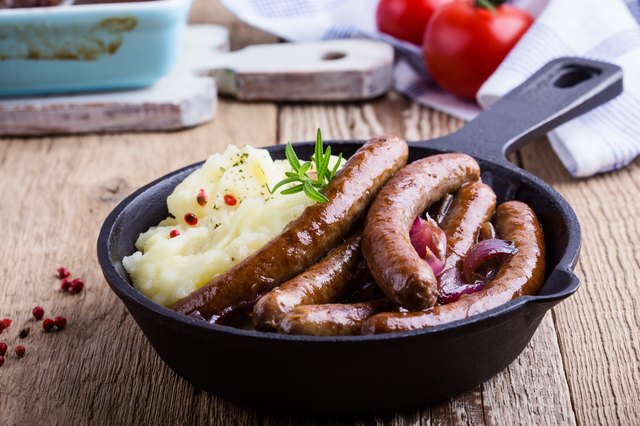
Potato sausage is the kind of food that makes a kitchen smell like somebody’s grandmother has taken chargeand nobody is brave enough to question her methods. Rich, savory, gently spiced, and surprisingly tender, this traditional sausage combines potatoes with meat, onions, seasonings, and sometimes herbs or bacon.
Cooking it correctly requires a little more care than throwing an ordinary hot dog into a skillet and hoping for the best. Because potato sausage is often thick, tightly coiled, and made with raw ground meat, the center must cook fully before the casing becomes overly browned or splits. The most reliable approach is therefore a two-stage method: cook it gently with moist heat, then brown it quickly for flavor and color.
This guide explains how to cook potato sausage on the stovetop, in the oven, on the grill, in an air fryer, or with a steamer. It also covers safe internal temperatures, common mistakes, serving ideas, storage, reheating, and practical lessons learned from cooking this wonderfully old-fashioned comfort food.
What Is Potato Sausage?
Potato sausage refers to several related European-style sausages made with potatoes and meat. One of the best-known versions is Swedish potato sausage, also called potatiskorv or potatis korv. It is commonly prepared with ground pork, beef, potatoes, onions, salt, pepper, and warming spices such as allspice or nutmeg.
Eastern European recipes may contain diced or shredded potatoes, bacon, pork cracklings, garlic, dill, parsley, or other herbs. Some versions are meat-heavy, while others contain enough potato to create a softer, almost dumpling-like interior.
Potato sausage may be sold in individual links, a horseshoe shape, or one large coil. It can also be:
- Raw: The meat and potatoes have not been fully cooked.
- Partially cooked: The sausage has been poached or steamed but still needs browning.
- Fully cooked: It only needs to be reheated and browned.
- Frozen: It may be raw, precooked, or fully cooked, depending on the producer.
Always read the package label before cooking. The words “fully cooked,” “ready to eat,” “uncooked,” or “cook thoroughly” matter more than the sausage’s color. A pale sausage is not automatically raw, and a browned sausage is not automatically safe. Sausages are sneaky like that.
The Best Way to Cook Potato Sausage
The most dependable method is to gently simmer the sausage until its center is cooked, allow the surface to dry briefly, and then brown it in a skillet, oven, or grill.
Gentle simmering heats a thick sausage more evenly than aggressive frying. It gives the potato mixture time to cook without exposing the casing to intense heat for too long. The finishing step creates the golden exterior, deeper flavor, and slight snap that make the sausage much more appetizing.
Recommended Cooking Temperatures
For raw potato sausage made with ground pork, beef, lamb, or veal, cook the center to at least 160°F. Potato sausage containing ground chicken or turkey should reach at least 165°F.
Insert an instant-read thermometer into the thickest section of the sausage. If possible, push the probe into the center through the end of a link or at an angle so fewer juices escape. Do not rely entirely on cooking time, casing color, or whether the juices “look clear.” A thermometer is less dramatic and far more reliable.
How to Cook Potato Sausage on the Stovetop
The stovetop method offers the best combination of control, juiciness, and browning. It works especially well for a large coil of Swedish potato sausage.
What You Need
- 1 to 2 pounds potato sausage
- A wide pot, Dutch oven, or deep skillet with a lid
- Water or low-sodium broth
- 1 tablespoon neutral cooking oil, butter, or a mixture of both
- Tongs
- An instant-read meat thermometer
Step 1: Arrange the Sausage
Place the potato sausage in a wide pot or deep skillet. If it is shaped into a coil, keep the coil intact when possible. Avoid crowding or bending it sharply, which may weaken the casing.
Unless the manufacturer specifically instructs you to pierce the casing, leave it intact. Holes allow moisture and flavorful fat to escape. Some homemade potato sausage recipes intentionally use a sterilized needle to release pressure, but commercial products usually cook best without random fork attacks.
Step 2: Add Liquid
Add enough cold water or broth to cover the sausage. Broth can contribute additional flavor, although plain water works perfectly well. For a subtle Scandinavian-style aroma, add a halved onion, a bay leaf, several peppercorns, or a few allspice berries.
Step 3: Heat Gently
Bring the liquid close to a boil over medium heat. As soon as small bubbles begin rising steadily, reduce the heat to low. The liquid should barely simmer rather than roll violently.
A hard boil can make the casing contract, split, or wrinkle. It may also knock the sausage around the pot like laundry in an overenthusiastic washing machine.
Step 4: Simmer Until Cooked
Cover the pot and simmer gently. Small links may require approximately 20 to 30 minutes. A thick coil commonly takes 30 to 45 minutes. Extra-large homemade sausages may need longer.
Begin checking the internal temperature near the lower end of the estimated cooking range. Remove the sausage when it reaches the correct temperature for the type of meat it contains.
Step 5: Dry the Surface
Carefully transfer the cooked sausage to a plate or cutting board. Let it rest for 5 to 10 minutes, then pat the casing dry with paper towels. A dry surface browns much more effectively than a wet one.
Step 6: Brown the Sausage
Heat oil, butter, or a mixture of both in a large skillet over medium heat. Add the sausage and brown it for 2 to 4 minutes per side, turning carefully with tongs.
For a large coil, slide it into the skillet with two spatulas or a wide turner. Do not force it to perform an acrobatic flip. Brown the first side, place a plate over the skillet, carefully invert the coil onto the plate, and slide it back into the pan to brown the other side.
How to Bake Potato Sausage
Baking is useful when you are cooking a large coil, preparing several sausages, or trying to keep the stovetop free for vegetables, gravy, or the saucepan containing that one family side dish nobody actually likes but everybody expects.
For Raw Potato Sausage
- Preheat the oven to 350°F.
- Place the sausage in a lightly greased baking dish or roasting pan.
- Add approximately 1/2 inch of water or broth to the bottom of the pan.
- Cover the pan tightly with a lid or aluminum foil.
- Bake for 45 to 75 minutes, depending on thickness.
- Check that the center reaches 160°F, or 165°F for poultry sausage.
- Remove the cover, brush the casing lightly with oil, and increase the oven temperature to 400°F.
- Bake uncovered for another 10 to 15 minutes, turning once if practical, until browned.
The water creates a moist cooking environment and helps prevent the casing from drying out before the center is done. Check the pan occasionally during a long baking period and add a little hot water if it becomes dry.
For Precooked Potato Sausage
Preheat the oven to 400°F. Place the sausage on a greased, rimmed baking sheet and bake for approximately 12 to 20 minutes, turning halfway through. The goal is to heat the center and brown the casing, not cook the poor thing into structural lumber.
How to Grill Potato Sausage
Grilling gives potato sausage a smoky finish, but raw sausage should not be placed directly over high flames from the beginning. The exterior may burn long before the potato and meat mixture in the center is safely cooked.
The Simmer-Then-Grill Method
- Gently simmer the sausage on the stovetop until it reaches its safe internal temperature.
- Preheat the grill for two-zone cooking, with one moderate side and one hotter side.
- Pat the cooked sausage dry and brush it lightly with oil.
- Place it over moderate or indirect heat for 3 to 5 minutes.
- Move it briefly over direct heat and turn until grill marks form.
Because the center is already cooked, the grilling stage should be short. Watch for flare-ups, particularly with pork sausage, since rendered fat and open flames have a relationship best described as “complicated.”
How to Cook Potato Sausage in an Air Fryer
An air fryer works best for precooked links or potato sausage that has already been simmered. Raw, thick coils are more difficult to cook evenly in a small basket.
- Preheat the air fryer to 360°F.
- Lightly oil the basket and sausage.
- Arrange the sausage in a single layer without overcrowding.
- Cook precooked links for 8 to 12 minutes, turning halfway through.
- Cook previously simmered raw sausage for approximately 6 to 10 minutes, just until browned.
- Confirm that the center is hot before serving.
Air fryer models vary significantly, so begin checking early. A smaller link may brown in minutes, while a thick coil may need more time at a slightly lower temperature.
How to Steam Potato Sausage
Steaming is especially useful for homemade potato sausage containing diced or shredded raw potatoes. It provides steady, gentle heat and reduces the chance of the filling leaking into cooking water.
- Fill a steamer pot with enough water to produce steam without touching the sausage.
- Bring the water to a steady simmer.
- Place the sausage on the steamer rack.
- Cover and steam for approximately 45 to 60 minutes.
- Check the internal temperature.
- Rest the sausage briefly, then brown it in a skillet with butter or oil.
The exact steaming time depends on the sausage’s diameter, filling, and shape. A loosely filled link cooks faster than a thick, tightly packed coil.
Can You Cook Frozen Potato Sausage?
Potato sausage cooks more evenly when thawed first. Defrost it overnight in the refrigerator, keeping it in a leak-proof container on a lower shelf. Do not thaw raw sausage at room temperature.
If the package specifically provides instructions for cooking from frozen, follow them. Otherwise, thawing is the safer and more predictable choice. Frozen sausage may appear cooked around the edges while remaining dangerously cold in the center.
Raw sausage should generally be used within one or two days after thawing in the refrigerator. If plans change, cook it rather than repeatedly moving it between refrigerator and freezer.
Common Potato Sausage Cooking Mistakes
Boiling Too Aggressively
A rolling boil can split the casing and force the filling into the water. Maintain a bare simmer after the liquid heats up.
Starting With High Direct Heat
High heat creates a dark exterior but leaves the center undercooked. Use gentle heat first, followed by quick browning.
Judging Doneness by Color
Potato sausage may remain pale or slightly pink even when fully cooked. Conversely, the casing can become brown while the center remains unsafe. Use a thermometer.
Piercing the Sausage Repeatedly
Frequent punctures release moisture and fat. Unless a recipe specifically calls for venting the casing, handle it gently and probe the temperature only as needed.
Overcrowding the Pan
Closely packed links steam instead of brown. Leave room around each piece or cook in batches.
Skipping the Rest
A short rest helps the filling settle and makes the sausage easier to slice. Cutting it immediately may cause the soft potato mixture to crumble out of the casing.
What to Serve With Potato Sausage
Potato sausage is rich and mild, so it pairs particularly well with acidic, crisp, or slightly bitter accompaniments. Traditional and practical options include:
- Sharp mustard or whole-grain mustard
- Pickled beets, cucumbers, or onions
- Braised red cabbage or sauerkraut
- Roasted carrots, Brussels sprouts, or green beans
- Rye bread, crusty rolls, or crispbread
- Applesauce or sautéed apples
- Brown gravy or a light cream sauce
- Eggs and toast for breakfast
Although the sausage already contains potatoes, serving it with mashed potatoes is not illegal. It is merely an enthusiastic commitment to carbohydrates.
How to Store and Reheat Potato Sausage
Refrigerate cooked potato sausage within two hours of cooking. Store it in a shallow, airtight container and use it within three to four days.
For longer storage, wrap individual portions tightly and freeze them. Cooked sausage is usually best within two to three months, although it may remain safe longer when continuously frozen at 0°F. Quality, texture, and flavor gradually decline over time.
Best Reheating Methods
Skillet: Add sliced sausage to a lightly greased skillet over medium-low heat. Cook for 5 to 8 minutes, turning occasionally.
Oven: Cover the sausage and reheat at 325°F until hot. Uncover it for the final few minutes if you want the casing to crisp.
Air fryer: Reheat at 350°F for approximately 3 to 6 minutes.
Microwave: Place slices on a microwave-safe plate, cover loosely, and heat in short intervals. The microwave is fast, although it can make the casing rubbery and heat the filling unevenly.
Cooking Experience: What I Learned From Making Potato Sausage
The first time I cooked potato sausage, I treated it like an oversized bratwurst. I placed it in a hot skillet, added a little oil, and waited for dinner to happen. Dinner did happen, technically, but not in the way anyone would wish to remember.
The casing browned beautifully in the first few minutes. Encouraged by this apparent success, I turned up the heat. The outside became darker, the kitchen smelled terrific, and I began congratulating myself far too early. When I sliced into the coil, the center was still cool and noticeably undercooked. The exterior, meanwhile, had acquired the texture of a rain boot.
The lesson was immediate: browning and cooking are separate jobs. Thick potato sausage needs time for heat to travel through the dense mixture of meat, potatoes, and onions. A skillet can produce color quickly, but color is not proof of doneness.
On the second attempt, I placed the sausage in cold water, gradually brought it to a gentle simmer, and cooked it with the lid on. The difference was remarkable. The casing stayed intact, the center heated evenly, and the sausage remained moist. After resting it for several minutes, I browned it in butter and a little neutral oil.
Using both butter and oil turned out to be useful. Butter created a nutty, appetizing flavor, while the oil helped prevent the milk solids from burning too quickly. Medium heat was enough. Potato sausage does not need to be scorched into submission; it only needs a warm pan and a little patience.
I also learned that drying the casing before browning is essential. One batch went directly from the simmering water into the skillet. Instead of sizzling, it hissed, steamed, and stubbornly remained pale. The next batch rested on a plate and was patted dry. It developed a golden crust in less than half the time.
Turning a large coil required its own strategy. Tongs alone squeezed the casing too firmly, and an ordinary spatula was too narrow. The easiest solution was to use two wide spatulas, one supporting each side. For an especially large coil, the plate-flip method worked even better: place a plate over the skillet, invert the sausage onto it, and slide it back into the pan.
Seasoning the cooking liquid produced a smaller difference than expected, but it was still worthwhile. Onion, peppercorns, and a bay leaf gave the sausage a subtle aroma. Strongly flavored broth, however, sometimes competed with the traditional allspice-and-onion character. Plain water or mild broth proved most dependable.
The biggest improvement came from checking temperature rather than staring suspiciously at the casing. Cooking times changed depending on whether the sausage was a narrow link, a thick homemade coil, fully thawed, or still slightly frozen near the center. A thermometer removed the guesswork and prevented both undercooking and unnecessary extra simmering.
Finally, leftover potato sausage may be even more versatile than the freshly cooked version. Chilled slices become firm enough to brown beautifully in a breakfast skillet. They work with eggs, cabbage, onions, roasted vegetables, or a sharp mustard sauce. One especially successful breakfast involved browned sausage slices, sautéed apples, and scrambled eggs. It was not traditional, but nobody at the table filed a complaint.
The overall lesson is simple: cook potato sausage gently, verify the center temperature, dry the casing, and brown it only at the end. Once that sequence becomes familiar, the process is easyand considerably less stressful than discovering a cold center after everyone has already sat down.
Final Thoughts
Learning how to cook potato sausage is mostly about controlling heat. Whether you choose the stovetop, oven, grill, steamer, or air fryer, avoid blasting a thick raw sausage with high heat from the beginning.
For the juiciest and most consistent result, simmer or steam the sausage first. Cook raw pork or beef potato sausage to 160°F and poultry versions to 165°F. Let it rest, dry the casing, and finish it with a quick sear, roast, or grill.
Serve the browned sausage with mustard, pickled vegetables, cabbage, bread, or apples. The result is hearty, flavorful comfort food with a tender center and beautifully browned exteriorexactly what potato sausage should be.