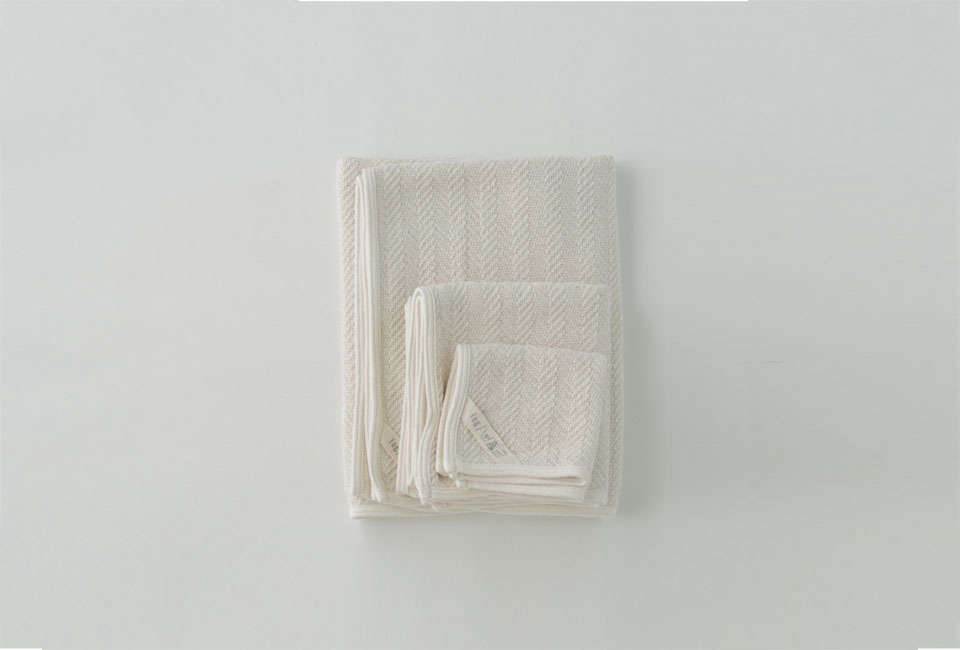
Herringbone cotton towels are the quiet overachievers of the linen closet. They do not scream for attention like neon beach towels, and they do not pretend to be a spa robe with sleeves. Instead, they bring texture, absorbency, durability, and a slightly tailored look to the everyday act of drying your hands, face, dishes, or post-shower self. In other words, they do the humble towel job beautifullywhile looking like they have excellent taste in coffee tables.
The term “herringbone” refers to a classic V-shaped woven pattern that resembles the bones of a herring fish. Thankfully, no fish are involved. In cotton towels, this weave can appear as an allover pattern, a border detail, a jacquard texture, or a flat-woven design. The result is a towel that feels more refined than a plain looped towel but still fits comfortably into real life, where bathrooms get steamy, laundry piles happen, and nobody has time to baby a towel like it is a royal heirloom.
Whether you are shopping for bath towels, hand towels, kitchen towels, guest towels, or decorative cotton towels, herringbone cotton offers a smart balance of usefulness and style. The key is understanding the weave, the cotton quality, the towel weight, and the care routine that keeps the fabric soft and absorbent over time.
What Are Herringbone Cotton Towels?
Herringbone cotton towels are towels made fully or mostly from cotton and woven with a distinctive zigzag pattern. The pattern is often created through a variation of twill weaving, where the diagonal lines reverse direction at regular intervals. This creates the familiar broken-chevron effect that has been used for generations in textiles, menswear, upholstery, blankets, and home linens.
In towels, herringbone can be subtle or bold. Some towels have a soft tone-on-tone pattern that you only notice when the light hits the fabric. Others use contrasting colors, raised texture, or decorative edging to make the design more visible. This is one reason herringbone cotton towels work in so many spaces. They can look farmhouse, modern, coastal, traditional, Scandinavian, hotel-inspired, or casually elegant, depending on the color and finish.
Herringbone vs. Terry Towels
Many bath towels are made from cotton terry cloth, which uses tiny loops to increase surface area and absorb water. Herringbone towels may be terry, flat woven, jacquard, or a combination. A terry herringbone towel usually feels plush and absorbent, while a flat-woven herringbone towel is often lighter, quicker to dry, and easier to fold neatly.
If you want a towel that feels cloud-like after a shower, look for a cotton terry herringbone towel with a medium-to-high GSM. If you want something for the kitchen, powder room, gym bag, guest basket, or travel, a lighter herringbone cotton towel may be the better choice. The right answer depends less on what is “best” and more on whether your towel needs to dry a human, a countertop, or a wine glass you swear you only used once.
Why Cotton Matters
Cotton is popular for towels because it is naturally absorbent, breathable, washable, and comfortable against the skin. The structure of cotton fibers helps attract and hold water, which is exactly what you want from a towel unless your goal is to push water around dramatically while achieving nothing.
Not all cotton towels feel the same. Long-staple cotton, Turkish cotton, Egyptian cotton, Supima cotton, organic cotton, ring-spun cotton, combed cotton, and zero-twist cotton all describe different fiber qualities or manufacturing methods. In general, longer cotton fibers can create smoother, stronger yarns. Combed cotton has been processed to remove shorter fibers, which can help improve softness and reduce lint. Organic cotton appeals to shoppers who care about farming standards and reduced chemical inputs.
For herringbone cotton towels, the ideal fabric depends on the use. A bath towel should feel soft, absorbent, and substantial without taking half a geological era to dry. A hand towel should be absorbent but not bulky. A kitchen herringbone towel should be smooth enough for glassware, durable enough for repeated washing, and attractive enough to hang from an oven handle without making the kitchen look like laundry day surrendered.
Understanding GSM: The Towel Weight Guide
GSM stands for grams per square meter. It measures towel density and weight. While GSM is not the only sign of quality, it is one of the easiest numbers to compare when shopping.
300–400 GSM: Lightweight and Quick Drying
Lightweight towels in this range tend to be thinner, faster to dry, and easier to pack. They can work well as gym towels, kitchen towels, travel towels, or decorative hand towels. They may not feel as plush as heavier bath towels, but they are practical in humid bathrooms or busy households where towels need to dry quickly between uses.
400–600 GSM: The Everyday Sweet Spot
This range is often ideal for daily bath and hand towels. Towels in the 400–600 GSM range can feel soft and absorbent without becoming too heavy. For herringbone cotton towels, this is a strong choice if you want a good balance of texture, performance, and easy laundering.
600–900 GSM: Plush and Spa-Like
Higher-GSM towels are usually thicker, heavier, and more absorbent. They can feel luxurious, especially after a long shower or bath. The trade-off is drying time. A dense towel may stay damp longer, especially in a poorly ventilated bathroom. If your bathroom already feels like a tropical greenhouse, choose wisely.
The Benefits of Herringbone Cotton Towels
1. They Add Texture Without Looking Busy
Plain towels are dependable, but they can look flat. Herringbone adds visual interest while staying classic. The pattern is structured enough to look intentional but subtle enough not to fight with tile, wallpaper, shower curtains, or countertop clutter. It is the towel version of a crisp button-down shirt: polished, useful, and not trying too hard.
2. They Feel More Designed Than Basic Towels
A herringbone towel instantly elevates a bathroom or kitchen. Even in a neutral color like white, ivory, gray, oatmeal, navy, or charcoal, the weave gives the fabric dimension. In guest bathrooms, herringbone hand towels can make a small space feel thoughtfully finished. In kitchens, herringbone cotton towels bring a clean, bistro-style look that pairs well with wood, stone, stainless steel, and ceramic.
3. They Can Be Durable
The herringbone structure is known for stability and strength in textiles. When combined with quality cotton and reinforced edges, the towel can stand up well to repeated use. Durability also depends on stitching, yarn quality, laundering habits, and whether someone in the house keeps using the nice towels to dry the dog. No judgment, but the towel remembers.
4. They Work in Multiple Rooms
Herringbone cotton towels are not limited to the bathroom. Smaller versions work beautifully as hand towels, tea towels, dish towels, bar towels, guest towels, or reusable napkin alternatives. Larger versions can serve as bath towels, bath sheets, beach-adjacent towels, or lightweight throws in casual spaces.
5. They Age Gracefully
A well-made cotton towel often becomes softer with washing. Herringbone patterns can also disguise minor wear better than perfectly plain fabrics. As long as the towel is cared for properly, it can keep its shape, texture, and usefulness for years.
How to Choose the Best Herringbone Cotton Towels
Check the Fiber Content
Look for 100% cotton if absorbency and comfort are your top priorities. Cotton blends may dry faster or cost less, but they can feel different and may not absorb as well depending on the blend. For bath use, cotton is usually the safest bet. For kitchen use, 100% cotton herringbone towels are also popular because they are washable, heat tolerant, and less likely to leave streaks than fuzzy fabrics.
Match the Towel to the Job
A bath towel should be large enough to wrap around the body and absorb water quickly. A bath sheet gives extra coverage and a more luxurious feel. A hand towel should dry hands without staying soggy after two uses. A kitchen towel should be lint-conscious, easy to wring out, and durable enough to handle spills, dishes, and the occasional “why is there flour on the ceiling?” baking incident.
Inspect the Edges
Good towels have secure hems and clean stitching. Loose threads, uneven borders, and thin edges can lead to fraying. Herringbone towels with fringe can look beautiful, especially in hand towel or Turkish-style designs, but fringe may require gentler care. For heavy daily use, stitched edges are usually more practical.
Consider Color Carefully
White herringbone cotton towels look crisp and hotel-like, but they may show makeup, hard-water marks, or mystery bathroom smudges more easily. Dark gray, navy, olive, camel, and charcoal can hide stains better and add depth. Soft neutrals like cream, stone, sand, and pale blue are versatile and relaxing. If you are building a towel set, choose two or three coordinating colors instead of buying every color like a linen closet game show contestant.
Look for Useful Certifications
Certifications such as OEKO-TEX Standard 100 or GOTS can help shoppers identify towels tested for certain safety or organic production standards. They are not the only measure of quality, but they can be helpful if you are shopping for sensitive skin, children’s bathrooms, guest use, or a more eco-conscious home.
Best Uses for Herringbone Cotton Towels
Bathroom Towels
Herringbone bath towels are excellent for people who want a towel that looks more refined than a basic terry towel. Choose medium-weight cotton for everyday use or plush cotton terry for a spa-like feel. Hang them on hooks, fold them on open shelves, or roll them in a basket for a relaxed hotel-inspired display.
Guest Towels
Guest bathrooms are where herringbone hand towels shine. The pattern feels intentional without being fussy. A stack of fresh herringbone cotton hand towels says, “Welcome, I prepared for your visit,” even if you panic-cleaned the sink five minutes ago.
Kitchen Towels
Flat-woven herringbone cotton towels are especially useful in the kitchen. They can dry dishes, line bread baskets, cover rising dough, wipe counters, and hang neatly from a cabinet handle. They also make excellent gifts because they are practical, attractive, and less risky than guessing someone’s candle preference.
Travel and Gym Towels
Lighter herringbone cotton towels can be easier to pack than thick terry towels. They may not replace a technical microfiber travel towel for ultralight hiking, but they are more comfortable for casual travel, road trips, pool bags, yoga classes, or weekend guest stays.
How to Wash and Care for Herringbone Cotton Towels
The secret to keeping cotton towels soft and absorbent is not complicated: wash them properly, avoid buildup, dry them thoroughly, and do not let them marinate in a damp heap on the floor. Towels are patient, but they are not magical.
Wash Before First Use
New towels often contain finishing residues, loose fibers, or packaging lint. Washing them before first use improves absorbency and freshness. Use mild detergent and warm water unless the care label says otherwise.
Use Less Detergent Than You Think
Too much detergent can build up in cotton fibers and make towels feel stiff, slick, or less absorbent. Follow the detergent instructions, but avoid the temptation to pour extra “for good luck.” Laundry is not soup.
Skip Fabric Softener
Fabric softener can coat towel fibers and reduce absorbency over time. This is especially frustrating because the towel may smell lovely while refusing to dry anything. For towels, softness should come from quality cotton, proper washing, and good drying habits rather than a residue that turns your towel into a decorative water spreader.
Try Vinegar Occasionally
If towels develop odor or buildup, an occasional vinegar rinse can help freshen them. Use distilled white vinegar in the rinse cycle, and do not combine vinegar directly with bleach. Always follow the towel’s care label and your washing machine instructions.
Dry Thoroughly but Gently
Regular high heat can wear down cotton fibers, increase lint, and make towels feel rough. Medium or low heat is better for routine drying. Shake towels before placing them in the dryer to help fluff the fibers. Wool dryer balls can help separate towels and improve airflow. If line drying, hang towels with enough space for air circulation.
Store Towels Only When Fully Dry
Never fold damp towels into a cabinet. Moisture trapped in cotton can lead to musty smells. Store towels in a dry, ventilated space, and rotate them so the same two towels are not doing all the household labor while the others sit in retirement.
Common Mistakes to Avoid
Buying Only for Looks
Herringbone cotton towels are beautiful, but appearance should not be the only factor. Check size, weight, fiber content, care instructions, and intended use. A gorgeous towel that cannot absorb water is basically a scarf with bathroom ambitions.
Choosing Towels That Are Too Heavy
Ultra-thick towels feel luxurious, but they may dry slowly in humid bathrooms. If your towel stays damp for hours, it can develop odor. For everyday use, medium-weight cotton often performs better than the plushest option.
Washing Towels with Clothing
Towels shed lint and absorb a lot of water. Washing them with delicate clothing can cause lint transfer, friction, and uneven cleaning. Wash towels separately or with similar linens when possible.
Ignoring Bathroom Ventilation
Even the best herringbone cotton towels need airflow. Use a towel bar instead of a crowded hook when possible, run the fan after showers, and avoid stacking damp towels. The towel cannot dry if it is trapped in a sad little fabric burrito.
Styling Herringbone Cotton Towels at Home
Herringbone towels are easy to style because the pattern feels timeless. In a white bathroom, gray or oatmeal herringbone towels add warmth. In a dark bathroom, white or cream towels brighten the space. For a coastal look, choose blue, sand, or soft green. For a modern look, try charcoal, black, white, or clay. For a farmhouse look, choose natural cotton, ivory, muted stripes, or fringe details.
In the kitchen, herringbone cotton towels look great folded over oven handles, stacked beside a sink, or placed in a small basket near the coffee station. They pair naturally with wood cutting boards, ceramic pitchers, marble counters, and stainless appliances. They also make a practical upgrade for people who want their kitchen to look finished without buying twelve decorative objects that exist only to collect dust.
Real-Life Experiences with Herringbone Cotton Towels
The first thing most people notice about herringbone cotton towels is not a technical feature. It is the look. A herringbone towel hanging beside the sink simply appears more finished than a plain towel. It gives the bathroom that “someone here has their life together” feeling, even if the medicine cabinet is hiding three expired sunscreens and a mystery travel toothpaste. The pattern adds enough texture to make the room feel styled, but it does not demand attention like a loud print.
In daily use, herringbone cotton towels are especially satisfying as hand towels. They dry quickly when the fabric is not too thick, and they keep their shape nicely on a towel ring or bar. In a busy household, this matters more than people think. A towel that bunches, sags, or stays wet becomes annoying fast. A medium-weight herringbone hand towel can handle repeated use throughout the day while still looking tidy when guests arrive. That is a small domestic miracle, right up there with finding the matching food-storage lid on the first try.
As bath towels, the experience depends heavily on weight and construction. A plush terry herringbone towel feels cozy and substantial after a shower, especially in cooler weather. It gives that wrapped-up, spa-adjacent comfort without needing a robe. A lighter flat-woven herringbone towel feels different: less fluffy, more breathable, and often quicker to dry. Some people prefer that because it does not stay damp or heavy. Others miss the cloud-like feel of thick terry. The best choice comes down to whether you prioritize softness, absorbency, drying speed, or shelf space.
In the kitchen, herringbone cotton towels are wonderfully practical. The texture gives a little grip when drying dishes, and the fabric usually looks attractive enough to leave out. They are useful for covering bread dough, wrapping warm rolls, wiping counters, drying hands, or setting under a dish rack in a pinch. Unlike novelty kitchen towels with jokes printed on them, herringbone towels still look good after the punchline gets old.
One lesson from long-term use is that care habits make or break the towel. When washed with too much detergent or fabric softener, cotton towels can lose their absorbency and develop a slightly waxy feel. When washed simply, dried fully, and rotated regularly, they stay softer and more useful. The best experience comes from treating them like hardworking textiles, not fragile decorations. Use them, wash them, hang them properly, and let the weave do its quiet, stylish work.
Final Thoughts
Herringbone cotton towels are a smart choice for anyone who wants everyday towels with more texture, character, and polish. They combine the natural absorbency of cotton with a classic woven pattern that works in bathrooms, kitchens, guest rooms, gym bags, and gift baskets. The best herringbone towel is not always the thickest or most expensive one. It is the one that fits your routine, dries properly in your space, feels good against your skin, and survives laundry day without drama.
For bath use, choose a soft cotton towel in a practical GSM range. For kitchens and guest bathrooms, consider lighter flat-woven or medium-weight herringbone towels. Pay attention to fiber quality, stitching, size, color, and care instructions. Most importantly, skip the fabric softener, avoid overloading the washer, and let towels dry completely between uses. Do that, and your herringbone cotton towels can remain absorbent, attractive, and dependable for years.
A towel may be a simple thing, but the right one improves daily routines in a surprisingly noticeable way. Herringbone cotton towels prove that useful household basics do not have to be boring. Sometimes the smallest upgrade in the room is the one you reach for every single day.