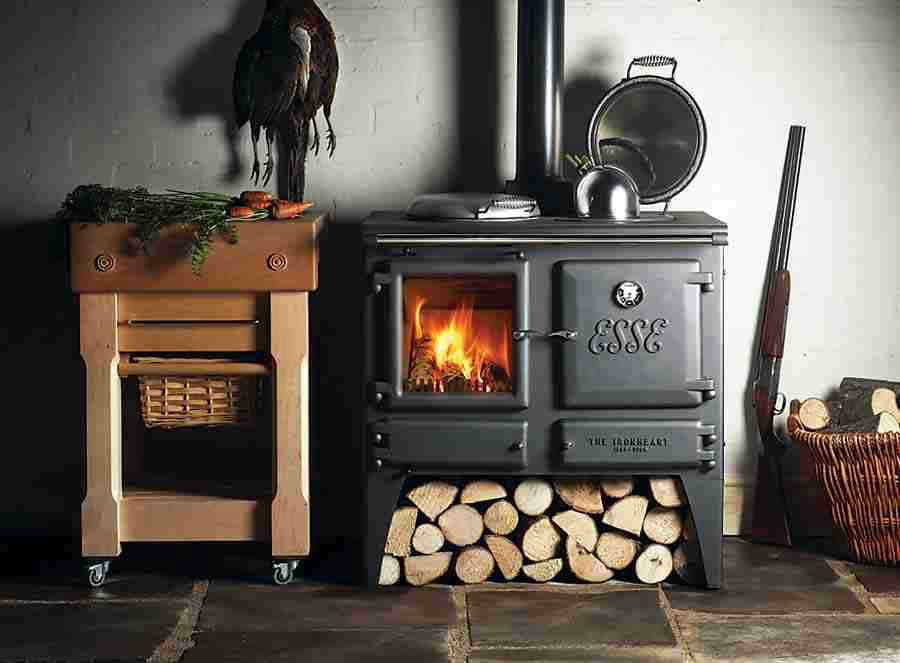
The Esse Ironheart Cookstove is what happens when a wood stove and a serious range cooker decide to move into the same kitchen and share chores. It heats the room, cooks dinner, bakes bread, keeps soup simmering, and adds the kind of old-world charm that makes even a Tuesday pot roast feel like it deserves a soundtrack. Built by ESSE, a British stove maker with roots going back to 1854, the Ironheart is not a flimsy “decor piece with a flame.” It is a heavy, cast-iron, wood-fired cooking appliance designed for people who want heat, food, and atmosphere from one beautifully rugged machine.
For homesteaders, cabin owners, off-grid dreamers, farmhouse renovators, and anyone who secretly wants their kitchen to look like it belongs in a cozy countryside cooking show, the Esse Ironheart wood cookstove has a lot of appeal. But it is also a serious appliance. It needs proper installation, dry wood, regular maintenance, and a realistic understanding of how wood-fired cooking works. This article breaks down the features, cooking performance, installation considerations, pros, cons, and real-life experience of using the Esse Ironheart Cookstove.
What Is the Esse Ironheart Cookstove?
The Esse Ironheart Cookstove is a wood-fired range cooker that also works as a room heater. Unlike a standard kitchen range that depends on gas or electricity, the Ironheart uses seasoned firewood as fuel. It combines three main functions: a large firebox with a flame-viewing glass door, a cooking hotplate on top, and an oven built into the body of the stove.
In simple terms, it is a cookstove for people who want more than a burner and a thermostat. The Ironheart invites you to cook by heat zones, fire behavior, and timing. That may sound old-fashioned, and it is, but in the best possible way. Instead of pressing a button and walking away, you learn how the stove responds. You move pans around the hotplate, adjust airflow, feed the fire, and use stored heat. It is cooking with a bit of theater, but thankfully without the dramatic violin music when the bread needs five more minutes.
Esse Ironheart Cookstove Specifications and Key Features
The Ironheart is known for its robust construction and compact but capable range-cooker layout. Commonly listed specifications include a width of about 35.5 inches, depth of about 24 inches, and height of about 35.4 inches. The flue is typically 6 inches, and the stove is a heavyweight appliance, so the floor structure and hearth setup matter. In many listings, the oven is around 13 inches wide, 13 inches high, and 17 inches deep, while the firebox can accept logs up to roughly 18 to 19.5 inches depending on market version and configuration.
Large Wood Firebox
The firebox is one of the Ironheart’s signature strengths. It is designed to hold substantial logs, which helps maintain a steadier fire during cooking. That matters because wood-fired baking is easier when the heat does not swing wildly every time you add a tiny stick. Larger logs can provide a more consistent burn, especially once the stove body has warmed up.
Dog-Bone Style Hotplate
The top cooking surface uses a graduated hotplate design. The area closest to the firebox gets the hottest, while outer zones offer gentler heat. This means you can boil water, fry eggs, simmer stew, and keep a kettle warm at the same time by moving cookware around the surface. It is not “one burner, one temperature.” It is more like a heat map, and once you learn it, the system becomes surprisingly flexible.
Built-In Oven
The oven is a major reason people choose the Esse Ironheart over a standard wood stove. It can roast meat, bake bread, cook casseroles, warm rolls, and finish dishes that benefit from even, enveloping heat. The oven temperature depends on fire intensity, airflow, wood quality, and how long the stove has been burning. In other words, it rewards patience. A cold start may take time to reach serious baking temperatures, but once the stove is hot, it can hold useful heat for extended cooking.
Room Heating Performance
The Ironheart is also a capable room heater, with commonly reported heat output around 7.3 kW or approximately 20,000-plus BTUs depending on test method and model version. It is best suited for spaces where the warmth can circulate naturally, such as open kitchens, great rooms, cabins, cottages, and farmhouse layouts. In a tight modern home, that heat can feel wonderfully cozy. In a tiny room, it can feel like you invited a friendly dragon to brunch.
Why People Love the Esse Ironheart Wood Cookstove
The Ironheart’s appeal comes from more than specifications. Many buyers are drawn to its combination of practical independence and emotional warmth. It is not just an appliance; it becomes a room’s anchor. The large glass fire door gives you the visual comfort of a wood stove, while the oven and hotplate make the heat useful for everyday cooking.
For off-grid living, the advantage is obvious. When the power goes out, an electric oven becomes a large, silent cabinet. The Ironheart keeps working as long as you have dry firewood, a safe flue, and basic cooking knowledge. For rural homes, cabins, and preparedness-minded households, that resilience matters.
For food lovers, the draw is flavor and process. Wood-fired cooking encourages slow food: soups that simmer gently, stews that deepen over time, bread that bakes with rustic character, and roasted vegetables that taste like they have finally discovered their purpose in life. The Ironheart does not cook like a microwave. It cooks like a patient grandparent who owns excellent cast iron.
Cooking on the Esse Ironheart: What to Expect
Cooking on the Esse Ironheart Cookstove is different from cooking on a modern gas or electric range. You do not set the burner to “medium-high” and call it a day. Instead, you manage fuel, air, and surface zones. The hotplate temperature changes depending on the fire. The oven temperature rises gradually. The best results come when you plan the meal around the stove’s heating curve.
Best Foods to Cook on the Hotplate
The hotplate is excellent for boiling, frying, searing, simmering, and warming. A cast-iron skillet works beautifully for eggs, bacon, pancakes, steak, and cornbread. A heavy Dutch oven is ideal for chili, beans, soups, and braises. A kettle can live on the cooler side of the hotplate, ready for tea, coffee, or instant oatmeal when someone in the house suddenly becomes “starving” five minutes after breakfast.
Best Foods to Cook in the Oven
The oven rewards foods that enjoy steady heat: bread, biscuits, roasted chicken, potatoes, casseroles, baked apples, pies, and slow-roasted meats. Pizza can also work well when the stove is hot enough, especially if you use a stone or heavy tray. Because the heat source is wood, there may be slight temperature variation, but many cooks consider that part of the charm. Food from a wood-fired oven often has a depth and texture that feels more handcrafted than machine-made.
Learning the Heat Zones
The learning curve is real, but manageable. Most new users quickly discover that the hottest area is not always where every pan should stay. Boiling water belongs near the hottest section. Simmering soup should move outward. Delicate sauces need a cooler zone. Once you learn the stove’s personality, cooking becomes intuitive. Think of it as learning a musical instrument, except the instrument makes stew.
Fuel Quality Matters More Than You Think
The Esse Ironheart performs best with dry, seasoned hardwood. Firewood should generally be split, stacked off the ground, covered on top, and allowed to season properly. Wood with moisture content under about 20 percent burns hotter, cleaner, and more efficiently. Wet wood wastes energy boiling off water, creates more smoke, encourages creosote buildup, and makes the stove harder to control.
Good firewood choices include oak, maple, ash, hickory, beech, and fruitwoods such as apple or cherry. Softwoods can be useful for kindling or quick heat, but they often burn faster. Never burn painted wood, treated lumber, plywood, trash, glossy paper, or mystery scraps from the garage. A wood cookstove is not a household garbage disposal with flames. Burning the wrong material can damage the stove, pollute the air, and create dangerous chimney conditions.
Installation Considerations for American Homes
Before buying an Esse Ironheart Cookstove, installation should be treated as a major part of the project. This appliance requires a safe hearth, proper clearances, a suitable chimney or flue system, and compliance with local building codes. In the United States, installations may need to follow requirements for solid-fuel appliances, including approved chimney systems and clearance rules. Always consult the manufacturer’s manual, a qualified installer, and local building or fire officials before installation.
Clearances and Heat Protection
Clearance to combustible materials is critical. Walls, cabinets, trim, shelves, and nearby furniture must be protected or kept at approved distances. Heat shields may reduce clearance requirements only when installed according to tested and approved methods. This is not the place for “looks about right” carpentry. Wood heat is wonderful, but it is still fire inside a metal box. Respect it.
Chimney Draft
Wood cookstoves depend on proper draft. A weak chimney can cause smoky starts, poor combustion, and frustration. An overly strong draft can burn fuel too quickly and make temperature control harder. Chimney height, flue diameter, insulation, outside temperature, and house pressure can all affect performance. A professional installer can evaluate whether the planned setup is suitable.
Floor Support
The Ironheart is heavy. Depending on version and listing, it may weigh several hundred pounds. That means floor strength matters, especially in older homes, raised cabins, or kitchens with crawl spaces. The hearth also needs to be noncombustible and properly sized. Beauty is nice; structural safety is better. Ideally, you get both.
Maintenance and Cleaning
Like every wood-burning appliance, the Esse Ironheart needs routine care. Ash must be removed regularly, but not obsessively; a small ash bed can help maintain combustion. The glass door may need cleaning, especially if fires are run too cool or wood is damp. Flueways and internal passages should be inspected and cleaned as recommended in the manual. The chimney should also be swept on a schedule appropriate to your use and fuel quality.
Creosote is the main villain in the wood-burning story. It forms when smoke cools and condenses inside the flue. Burning dry wood, maintaining hot clean fires, and cleaning the system regularly all reduce risk. If the stove starts smoking unexpectedly, heating poorly, or behaving differently, do not just blame the weather and continue. Investigate. A blocked passage or dirty flue can turn a cozy evening into a problem.
Pros of the Esse Ironheart Cookstove
The biggest advantage of the Ironheart is versatility. It heats, cooks, bakes, and creates ambiance from one fuel source. It is a strong choice for rural homes, off-grid properties, cabins, and kitchens where the stove can become a functional centerpiece. The fire-viewing window adds charm, while the hotplate and oven make the heat productive rather than decorative.
Another major benefit is resilience. During power outages, the Ironheart can still cook meals and warm the home. For people who value self-reliance, that is more than a feature; it is peace of mind. The appliance also encourages slower, more intentional cooking. Instead of rushing dinner through a collection of buzzing machines, you work with the fire. Dinner may take longer, but it often tastes like someone cared.
Cons and Limitations
The Esse Ironheart is not for everyone. It is expensive compared with many conventional stoves and ranges. Installation can add significant cost. It also requires space, chimney infrastructure, wood storage, maintenance, and skill. If you want instant temperature control and zero ash, this is not your appliance. A wood cookstove asks for participation.
Heat output can also be a limitation in warmer climates or small homes. When you cook, you are also heating the room. That is delightful in January and less charming in August. Many owners use a wood cookstove heavily in fall and winter, then switch to outdoor cooking, electric appliances, or gas during hot months.
Who Should Buy the Esse Ironheart Cookstove?
The Esse Ironheart Cookstove is best for homeowners who genuinely want wood-fired living, not just wood-fired aesthetics. It suits people who enjoy hands-on cooking, have access to good firewood, and are prepared for installation and maintenance. It is especially appealing for homesteads, mountain cabins, rural kitchens, farmhouse remodels, and off-grid or backup-heat plans.
It may not be ideal for apartment dwellers, very small homes, households without wood storage, or anyone who wants a low-maintenance appliance. It is also not a casual impulse buy. The Ironheart should be planned like a major kitchen and heating investment. Done right, it can become one of the most loved objects in the home. Done casually, it can become a very expensive place to stack mail.
Esse Ironheart Cookstove vs. a Regular Wood Stove
A regular wood stove is mainly designed for heat. Some have flat tops where you can warm a kettle or simmer a pot, but cooking is secondary. The Esse Ironheart is designed as a true cookstove. Its hotplate, oven, firebox, and heat-flow design make it far more useful for daily cooking.
However, if your only goal is heating a room, a dedicated wood stove may be simpler and more affordable. If your goal is to cook real meals, bake bread, and heat the kitchen at the same time, the Ironheart becomes much more compelling. The question is not “Which is better?” The question is “Do you want heat only, or do you want heat with biscuits?” Biscuits often win.
Esse Ironheart Cookstove Experience: Living With It Day to Day
Using an Esse Ironheart Cookstove changes the rhythm of a home. The first thing you notice is that cooking begins before cooking. You think about the fire before you think about the food. Is the wood dry? Is the kindling ready? Do you want quick hotplate heat for breakfast, or a deeper fire for baking? A modern range waits silently until commanded. The Ironheart asks to be courted a little.
On a cold morning, the routine can feel almost ceremonial. You open the air controls, set kindling, add a few small splits, and light the fire. The glass slowly glows with movement. The kitchen begins to warm. A kettle goes on the hotplate. Soon the room smells faintly of wood heat, coffee, and breakfast. It is difficult to be grumpy in that setting, although teenagers may still attempt it for sport.
The hotplate becomes the heart of daily cooking. You learn to place the cast-iron skillet near the hottest zone for eggs or bacon, then slide it away when things move too quickly. Oatmeal can sit on a gentler area while toast warms nearby. Soup can simmer for hours without needing much attention once the stove is stable. The stove teaches you to cook with movement rather than knobs.
Baking requires more planning. If you want bread at noon, you do not light the stove at 11:45 and hope for miracles. You build heat earlier, let the oven climb, and watch the temperature gauge. The first few loaves may be educational in the way all slightly over-browned bread is educational. But once you understand the timing, the reward is enormous. Bread from a wood-fired oven has a rustic crust and warm aroma that makes store-bought sandwich bread seem emotionally unavailable.
Roasting is another pleasure. Potatoes, carrots, onions, chicken, pork shoulder, and winter squash all suit the Ironheart’s steady heat. A Dutch oven full of stew can start on the hotplate and finish slowly in the oven. This kind of cooking fits weekends, holidays, snow days, and any evening when you want the kitchen to feel like the center of the universe.
There are practical lessons, too. Keep wood close, but safely away from the stove. Use gloves. Keep a stove thermometer and moisture meter handy. Learn how your chimney drafts in different weather. Wind, cold air, and house ventilation can change the stove’s behavior. Also, accept that ash is part of the lifestyle. If you want wood heat, you get ash. That is the deal. The stove gives you warmth and dinner; you give it a little sweeping.
The Ironheart also changes how people gather. Guests naturally drift toward it. Someone will ask, “Does it really cook?” Then you open the oven and produce biscuits, pizza, or a bubbling casserole, and suddenly the stove has won the room. It becomes a conversation piece because it is genuinely doing something. It is not pretending to be rustic. It is rustic, functional, and quietly impressive.
The most satisfying part is the feeling of independence. During a power outage, the Ironheart does not panic. It does not blink, beep, or display an error code. It keeps burning, heating, and cooking. In a world full of smart devices that become confused when Wi-Fi sneezes, that kind of reliability feels almost luxurious.
Still, living with the Ironheart means accepting its personality. It is not instant. It is not spotless. It is not perfectly predictable. But for the right owner, those are not flaws; they are part of the relationship. You learn the stove, and the stove rewards you. Few appliances can make that claim without sounding dramatic.
Final Thoughts
The Esse Ironheart Cookstove is a serious wood-fired appliance for people who want cooking, heating, beauty, and self-reliance in one cast-iron package. It offers a large firebox, useful hotplate, capable oven, and the kind of fireside presence that can transform a kitchen into the warmest room in the house. It is not the cheapest or easiest cooking solution, but it may be one of the most satisfying for the right home.
If you have access to seasoned firewood, space for safe installation, and a genuine interest in hands-on cooking, the Ironheart deserves a close look. It is part stove, part range, part conversation starter, and part lifestyle choice. Treat it well, feed it dry wood, keep it clean, and it can reward you with warmth, meals, and memories for years.
Note: Product specifications, clearances, certification details, and installation requirements can vary by model year, country, dealer, and local code. Always confirm final details with the current manufacturer manual, local authorities, and a qualified solid-fuel appliance installer before purchasing or installing an Esse Ironheart Cookstove.