Fruit has a serious public-relations problem y candy,” another warns that watermelon is a glucose grenade, and someone on social media is probably blaming mangoes for everything from insulin resistance to slow Wi-Fi.
Fortunately, the truth is far less dramatic. People with diabetes can generally eat fruit. Whole fruit provides fiber, vitamins, minerals, antioxidants, water, and natural sweetness without the added sugars commonly found in candy, pastries, and sweetened drinks. Fruit does contain carbohydrates, so portions and meal planning matter, but a diabetes diagnosis does not automatically turn the produce aisle into a restricted zone. e more useful question is not simply, “Which fruits contain sugar?” All fruit does. Instead, ask: How much carbohydrate is in the portion? Is the fruit whole, dried, juiced, blended, or packed in syrup? What else am I eating with it? And how does my own blood glucose respond?
Can People With Diabetes Eat Fruit?
Yes. Major diabetes and nutrition organizations include fruit as part of a balanced eating pattern. The natural sugars in fruit come packaged with nutrients and, in whole fruit, dietary fiber. Fiber is not digested like sugar or starch and can help make meals more satisfying while reducing how rapidly carbohydrates are absorbed. at does not mean fruit is a “free food.” Its carbohydrates still count. A peach may be wholesome, charming, and photogenic, but it does not become invisible to a glucose meter merely because it grew on a tree.
For many people, a typical fruit serving provides approximately 15 grams of carbohydrate. Examples may include one small apple or orange, half a large banana, about 17 grapes, three-quarters of a cup of blueberries, or roughly one cup of melon. Exact amounts vary by fruit size and preparation, so labels, measuring cups, food scales, and carbohydrate-counting apps can be useful. he Best Fruits for Diabetes
There is no single championship fruit wearing a tiny gold medal. The best choices are usually whole fruits that provide fiber, fit comfortably into your carbohydrate target, and are served in a reasonable portion.
Berries
Strawberries, raspberries, blackberries, and blueberries are excellent diabetes-friendly choices. They provide fiber, vitamin C, water, and colorful plant compounds. Their relatively generous serving sizes are another advantage: depending on the variety, a person may be able to enjoy three-quarters of a cup or more for approximately one carbohydrate serving.
Berries are also easy to pair with plain Greek yogurt, cottage cheese, nuts, seeds, or oatmeal. Just watch commercially sweetened berry yogurts, jams, syrups, and smoothie bowls. A strawberry wearing a jacket of added sugar has changed teams.
Apples and Pears
Apples and pears offer fiber, especially when the edible skin is included. They travel well, require no culinary degree, and are naturally portioned. A small apple or pear is often close to one carbohydrate serving, although large supermarket fruit may contain substantially more.
Pair slices with peanut butter, almonds, walnuts, or cheese for a snack containing carbohydrate, protein, and fat. This combination may be more filling than fruit alone and can help some people avoid returning to the kitchen 14 minutes later to negotiate with a box of cookies.
Oranges and Other Citrus Fruits
Whole oranges, tangerines, and similar citrus fruits provide fiber, vitamin C, folate, potassium, and plenty of flavor. The important word is whole. Eating an orange requires peeling and chewing, while orange juice can deliver the carbohydrates from several oranges in a few easy gulps with little fiber. apefruit can also fit into a diabetes-friendly diet, but it interacts with certain prescription and over-the-counter medicines. Anyone taking medication should check the label or ask a pharmacist before eating grapefruit regularly. eaches, Plums, Apricots, and Nectarines
Stone fruits are flavorful, hydrating, and easy to portion when eaten fresh. Choose whole fruit rather than peaches canned in heavy syrup or sweetened peach cups. Frozen unsweetened slices can also work well in yogurt, chia pudding, or oatmeal.
Kiwi
Kiwi provides fiber, vitamin C, and a sweet-tart flavor that can make plain yogurt considerably less depressing. One or two small kiwis may fit into a snack, depending on the person’s carbohydrate plan and the size of the fruit.
Cherries and Grapes
Cherries and grapes can absolutely be included, but they are easy to overeat. Few people accidentally consume six apples while watching television; grapes, however, can disappear by the handful like tiny carbohydrate magicians.
Measure a portion instead of eating directly from the bag. Approximately 17 small grapes may provide around 15 grams of carbohydrate, although size and variety affect the total. vocado
Botanically, avocado is a fruit, even though nobody has ever invited it to a traditional fruit salad without causing an argument. It is low in digestible carbohydrate and provides fiber and unsaturated fat. Portions still matter because avocado is calorie-dense, but it generally has a much smaller immediate glucose impact than sweeter fruits.
Fruits to Limit Rather Than Automatically Ban
Bananas, mangoes, pineapple, watermelon, figs, and grapes often appear on “never eat” lists. That advice is unnecessarily rigid. These fruits may contain more carbohydrate per typical portion or have a moderate-to-high glycemic index, but they can still fit into an individualized meal plan.
Serving size frequently matters more than the fruit’s reputation. Half a banana is different from two oversized bananas blended with sweetened yogurt, honey, and fruit juice. A small portion of mango alongside a meal is different from eating a mixing bowl of mango cubes while assuming vitamins have canceled the carbohydrates.
The glycemic index estimates how quickly a carbohydrate-containing food may raise blood glucose, but it is not a perfect ranking system. Ripeness, preparation, portion size, meal composition, and individual metabolism can all influence the response. Glycemic load, which considers both the index and the amount eaten, often provides more context. ananas
Bananas are convenient sources of potassium, fiber, and carbohydrates. A very small banana may contain roughly 15 grams of carbohydrate, while a large banana can contain considerably more. Try half a banana with unsweetened peanut butter or plain yogurt, particularly when first learning how bananas affect your glucose.
Mango and Pineapple
Mango and pineapple are nutrient-rich but easy to serve in large portions. Begin with approximately half a cup rather than filling an entire cereal bowl. Fresh or unsweetened frozen fruit is preferable to versions packed in syrup or covered with sugary seasoning.
Watermelon
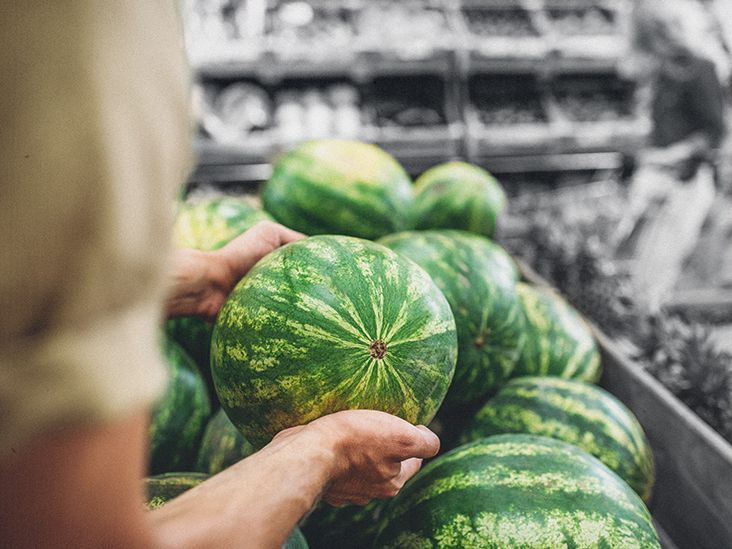
Watermelon has a relatively high glycemic index, but it also contains a great deal of water. A measured serving can still have a manageable glycemic load. Pair it with a meal or protein-containing snack rather than treating half a watermelon as a personal hydration bottle.
Fruit Forms That Deserve Extra Caution
Fruit Juice
Juice is one of the most important items to limit. Even 100% fruit juice contains concentrated natural sugar and little or none of the intact fiber found in whole fruit. It is easy to drink the carbohydrate equivalent of several pieces of fruit without feeling full. Whole fruit is therefore generally preferred for routine meals and snacks. small amount of juice may have a specific role in treating hypoglycemia. About four ounces can provide roughly 15 grams of fast-acting carbohydrate, but treatment instructions should follow the person’s diabetes care plan. Juice used to correct low blood sugar is a medical tool, not evidence that a 20-ounce breakfast smoothie is suddenly innocent. ried Fruit
Raisins, dates, dried cranberries, and dried cherries are compact and carbohydrate-dense because most of their water has been removed. Just two tablespoons of some dried fruits may contain around 15 grams of carbohydrate. Many packaged varieties also contain added sugar. ied fruit does not have to be forbidden, but measure it carefully. A small portion mixed with nuts is more manageable than repeatedly reaching into a family-sized bag while answering email.
Fruit Packed in Heavy Syrup
Canned fruit can be affordable, nutritious, and convenient. The problem is not the can; it is what may be swimming inside it. Select fruit packed in water, its own juice, or products labeled “unsweetened” or “no added sugar.” Heavy syrup adds carbohydrates without providing the fiber or nutrients of additional fruit. moothies and Puréed Fruit
Homemade smoothies can contain nutritious ingredients, but they often combine several servings of fruit in one glass. Blending can also make the drink much faster to consume than the equivalent whole ingredients. Restaurant smoothies may include juice, sweetened yogurt, sherbet, syrups, or added sugar.
For a more balanced version, use one measured serving of fruit, an unsweetened liquid, and a source of protein such as plain Greek yogurt, tofu, or an appropriate protein product. Avoid adding juice, honey, agave syrup, or multiple fruits simply because the blender has available real estate. Practical Portion Guide
| Fruit or fruit product | Approximate portion with 15 grams of carbohydrate | Practical advice |
|---|---|---|
| Apple, orange, peach, or pear | One small fruit | Eat the edible skin when appropriate for additional fiber. |
| Banana | One-half large or one extra-small banana | Pair with nuts, nut butter, eggs, or plain yogurt. |
| Blueberries | Approximately three-quarters of a cup | Measure before adding to cereal or yogurt. |
| Strawberries | Approximately one to one-and-a-quarter cups | Choose fresh or unsweetened frozen berries. |
| Melon | Approximately one cup, depending on variety | Avoid turning several cups into an unmeasured smoothie. |
| Canned fruit | Approximately one-half cup | Select water-packed, juice-packed, or no-added-sugar versions. |
| Dried fruit | Approximately two tablespoons | Measure carefully because the portion is surprisingly small. |
| Fruit juice | Approximately one-third to one-half cup | Reserve routine use; whole fruit is usually more filling. |
These figures are general estimates, not personalized prescriptions. Fruit size, variety, ripeness, and manufacturer information can change the carbohydrate total. ow to Eat Fruit Without Sending Blood Sugar on a Roller Coaster
Control the Portion First
Begin with one serving at a time. Wash and portion grapes or berries before sitting down, cut large bananas in half, and avoid treating a giant restaurant fruit bowl as a standard serving.
Pair Fruit With Protein or Healthy Fat
Fruit may be more satisfying when paired with nuts, seeds, natural nut butter, cheese, cottage cheese, eggs, or unsweetened yogurt. These foods do not erase the carbohydrate, but a mixed snack may digest differently and prevent hunger from returning immediately. se Fruit as Part of a Balanced Meal
The diabetes plate method generally emphasizes nonstarchy vegetables, lean protein, and a measured portion of carbohydrate foods. Fruit can be included as that carbohydrate portion or incorporated into the meal while accounting for other carbohydrate sources such as rice, bread, pasta, beans, milk, or yogurt. heck Your Personal Response
Two people may respond differently to the same fruit. Medication, insulin dose, activity, sleep, stress, meal timing, digestion, and the other foods eaten can influence glucose levels. A blood glucose meter or continuous glucose monitor can help identify patterns when readings are interpreted with a qualified healthcare professional.
Read Labels
For frozen, dried, canned, or packaged fruit, examine the serving size, total carbohydrate, dietary fiber, and added sugars. Statements such as “made with real fruit” are marketing descriptions, not carbohydrate force fields.
Special Situations Require Individual Advice
People using insulin or medications that can cause hypoglycemia may need to coordinate fruit intake with dosing and meal timing. People with gestational diabetes may receive specific instructions about portion size and when fruit should be eaten. Kidney disease can also change recommendations because potassium, phosphorus, fluid, and carbohydrate needs may need to be balanced. yone experiencing frequent high or low glucose readings should speak with a physician, certified diabetes care and education specialist, or registered dietitian nutritionist. There is no universal diabetes diet, and a fruit plan should reflect the individual’s medications, glucose goals, culture, preferences, budget, and health conditions. onclusion: Fruit Is Food, Not the Villain
Most people with diabetes do not need a blacklist of forbidden fruits. Whole berries, apples, pears, citrus fruits, peaches, plums, kiwi, cherries, grapes, melon, and even bananas or mangoes can fit into a thoughtful eating plan.
The biggest concerns are usually oversized servings and concentrated forms such as juice, dried fruit, syrup-packed fruit, and heavily sweetened smoothies. Choose whole fruit most often, measure portions, count the carbohydrates, and pay attention to your personal glucose response.
In other words, the goal is not to fear a banana. The goal is to know whether you are eating half a banana with breakfast or blending three of them into a drink large enough to require its own ZIP code.
Real-World Experiences: What People Often Learn About Fruit and Diabetes
The following practical examples are composite scenarios based on common meal-planning challenges rather than the medical history of any single person.
The “Healthy” Breakfast That Was Not So Small
A common experience begins with a breakfast that looks impressively nutritious: oatmeal, a large banana, raisins, honey, and a glass of orange juice. Every ingredient seems respectable. No doughnut has entered the building. Yet the meal may contain several concentrated carbohydrate servings before the coffee has cooled.
The useful lesson is not that oatmeal or bananas are bad. It is that nutritious carbohydrates still accumulate. A more balanced version might use a smaller serving of oatmeal, half a banana, cinnamon, walnuts, and eggs, with water or unsweetened coffee instead of juice. The revised breakfast still includes fruit, but the portion and overall carbohydrate load are easier to evaluate.
The Grape Bowl That Never Ended
Another familiar situation involves eating grapes directly from a large bag. The person intends to have “a few” but continues snacking while working or watching television. Because grapes are small and refreshing, the portion never feels especially large.
Placing a measured serving in a bowl changes the experience. The remaining grapes go back into the refrigerator, where they cannot quietly volunteer for another handful. Adding cheese, nuts, or plain yogurt may also make the snack more satisfying. The fruit was never the problem; the bottomless serving method was.
The Smoothie With an Excellent Marketing Department
Smoothies are another frequent surprise. A person may blend a banana, mango, berries, dates, orange juice, flavored yogurt, and honey, then wonder why blood glucose rises sharply. Each ingredient arrived with a healthy reputation, but together they created several servings of rapidly consumed carbohydrate.
A simpler smoothie may work better: one measured fruit serving, plain Greek yogurt, water or unsweetened milk, ice, and perhaps chia seeds. Some people discover that chewing whole fruit instead of drinking it is even more filling. The blender is not evil, but it has no built-in portion-control department.
The Fruit That Behaved Differently at Different Meals
People who monitor glucose sometimes notice that an apple eaten alone affects them differently from an apple eaten after a meal containing vegetables, chicken, and healthy fat. Others find that fruit is handled better after physical activity than during a sedentary evening. These observations illustrate why personalized monitoring can be more helpful than universal online lists.
A practical method is to test one change at a time. Keep the fruit and portion consistent, note what was eaten with it, and record glucose readings according to the healthcare team’s instructions. Changing the fruit, portion, meal, exercise routine, and medication timing simultaneously produces a mystery novel rather than useful information.
Learning That “Avoid” Often Means “Use Differently”
Many people begin diabetes management believing they must permanently abandon mangoes, bananas, or watermelon. Later, they discover that smaller servings can fit into their plan. Half a banana with peanut butter may work where a giant banana smoothie did not. Half a cup of mango after lunch may be manageable where an overflowing bowl eaten alone was not.
This shift can make eating feel less punitive. Diabetes management becomes a process of portioning, pairing, monitoring, and adjusting rather than sorting foods into morally “good” and “bad” categories. Fruit remains enjoyable, meals remain culturally familiar, and the glucose meter becomes a feedback tool rather than a courtroom judge.
Note: This article provides general educational information and does not replace personalized medical or nutrition advice. Individual carbohydrate needs and glucose responses vary, particularly during pregnancy, kidney disease, medication changes, or insulin treatment.