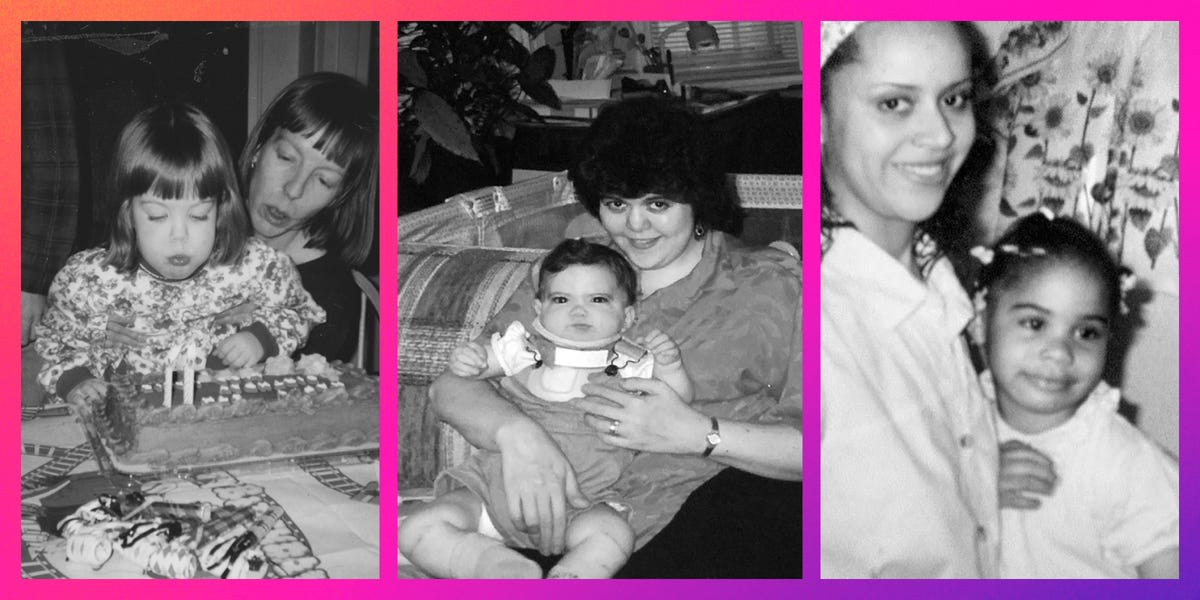
Parenthood has never been an activity designed for people who enjoy predictability. Babies reject schedules, toddlers negotiate like tiny union representatives, and teenagers can communicate an entire novel through one raised eyebrow. Parents with disabilities handle the same joyful chaos as everyone else, often while navigating inaccessible buildings, uninformed professionals, public assumptions, and parenting products apparently designed by someone who believes every adult can bend, lift, hear, see, and move in exactly the same way.
In the United States, roughly 4.4 million adults with disabilities are raising children younger than 18. That is about 7% of American parentsa substantial community rather than a rare exception. Yet disabled mothers and fathers still encounter doubts about their competence, limited access to adaptive equipment, financial barriers, and discrimination within medical, family-law, and child-welfare systems.
The most useful lessons from these families are not sentimental stories about “overcoming” disability. They are practical lessons about flexibility, honesty, interdependence, advocacy, and the many legitimate ways a family can function. They also reveal something children tend to understand faster than adults: a parent does not have to perform every task conventionally to provide safety, guidance, affection, and approximately nine million reminders to put shoes on.
Disability Does Not Cancel the Parenting Instinct
A disability may affect how a parent completes a task, but it does not determine whether that parent can understand a child, establish routines, make decisions, offer comfort, or create a stable home. A blind father may label bottles and medications with tactile markers. A mother with limited mobility may organize playtime around accessible floor-level stations. A Deaf parent may use visual baby monitors, flashing alerts, and signed family communication. A parent with an intellectual disability may benefit from instructions divided into clear, repeatable steps.
These are not parenting shortcuts. They are parenting methods.
Through the Looking Glass, a disability-focused family organization, has spent decades developing adaptive baby-care techniques and equipment. Its work includes modified cribs, lifting systems, carriers, feeding tools, and diapering arrangements created to improve safety while reducing pain and physical strain. Many of these ideas originated from observing the creative techniques disabled parents had already invented in their homes.
Competence Should Be Measured by Results
Parents are responsible for ensuring that children are fed, supervised, comforted, educated, protected, and loved. They are not required to complete each duty using one approved set of movements. A parent who hires help with lifting but independently manages nutrition, medical appointments, homework, discipline, emotional support, and household decisions is still parenting.
In fact, every family distributes tasks. One nondisabled parent may cook while the other handles school transportation. Grandparents may provide afternoon care. A neighbor may collect a child from soccer practice. Disability merely makes that teamwork more visible.
Lesson One: Adaptation Is a Parenting Skill, Not a Defeat
Children change faster than phone operating systems, so all parents must adapt. Disabled parents often become especially skilled at anticipating obstacles, testing alternatives, and redesigning routines before a problem turns into a household emergency.
A wheelchair-using parent might attach a changing surface to an accessible-height dresser instead of buying a traditional changing table. A parent with chronic pain may prepare school lunches while seated and divide household tasks into shorter sessions. Someone with low vision may organize clothing by texture and use high-contrast labels. A parent with fluctuating energy may create “high-energy” and “low-energy” versions of the evening routine.
That last strategy is useful in nearly every home. On a high-energy night, the family cooks together, takes a walk, and reads three chapters. On a low-energy night, dinner comes from the freezer, bath time becomes optional, and everyone congratulates themselves for locating a clean pair of pajamas. Both nights can include connection and responsible care.
Children Learn That Problems Can Have Several Solutions
When children watch a parent adapt, they receive a daily education in flexible thinking. They see that difficulty is not automatically disaster. A closed door may require a different entrance. A complicated tool may need modification. A task that cannot be performed alone can be completed with assistance.
This outlook encourages children to ask, “How else could we do this?” rather than immediately concluding, “We cannot do this.” That is not merely a disability lesson. It is a life lesson with excellent resale value.
Lesson Two: Independence and Interdependence Can Coexist
American culture often treats independence as the gold medal of adulthood. In reality, healthy families operate through interdependence: people contribute what they can, ask for what they need, and avoid keeping score every time someone unloads the dishwasher.
Disabled parents frequently become skilled at building support systems that may include partners, relatives, friends, personal assistants, community organizations, peer groups, therapists, and accessible transportation. Published accounts from disabled parents repeatedly emphasize the importance of community, especially connections with other parents who understand disability without requiring a lengthy introductory lecture.
Accepting help does not erase parental authority. An assistant may lift a child into the bathtub, but the parent still decides when the bath happens, which products are used, how safety is maintained, and whether the child’s attempt to bring three plastic dinosaurs into the water is a reasonable request.
Children Should Not Become Default Caregivers
There is an important difference between age-appropriate contribution and excessive responsibility. Children in many families help set the table, carry light objects, or retrieve something from another room. Those chores can teach cooperation. Problems arise when a child becomes responsible for medical care, emotional crisis management, intimate personal assistance, or duties that interfere with school, friendships, sleep, and development.
Strong family planning keeps adult responsibilities with adults. That may require formal support services, backup caregivers, emergency plans, or clearer boundaries. The objective is not to pretend the parent needs nothing. It is to make sure the parent’s needs are met without quietly transferring an adult job to a child.
Lesson Three: Speak About Disability Without Whispering
Children notice disability. They see wheelchairs, hearing aids, scars, tremors, service animals, communication devices, fatigue, and different ways of moving. Treating these observations as forbidden can make disability appear frightening or shameful.
Many disabled parents choose direct, age-appropriate explanations. A parent might say, “My muscles work differently, so I use this chair to move around,” or, “My brain gets overwhelmed by too much noise, so I need a quiet break.” These explanations answer the child’s real question without presenting the parent as tragic.
One Disabled Parenting Project contributor described a family moment in which her son demonstrated that he clearly understood his mother’s disability as an ordinary part of daily life. The experience became a lesson for the adults: children can acknowledge disability naturally while also learning to challenge disrespectful assumptions.
Use Accurate Words Without Reducing the Person
Families differ in their language preferences. Some adults proudly identify as “disabled,” viewing disability as part of their identity and community. Others prefer person-first language, such as “a person with a disability.” The respectful approach is to follow the individual’s preference rather than conducting a surprise vocabulary referendum at the dinner table.
Children can also learn that curiosity is acceptable but entitlement is not. They may ask their parent questions. They should not demand personal medical information from strangers, touch mobility equipment without permission, or assume every disabled person wants help.
Lesson Four: Pity Is Not the Same as Support
Disabled parents are often described as heroic simply for packing a lunch, attending a school event, or existing near a stroller. Although the compliment may be well intended, constant hero language can make ordinary family life seem astonishing and disability seem incompatible with parenthood.
The opposite reaction is equally unhelpful: minimizing real barriers by insisting that disability “does not matter.” It may matter when a playground has stairs but no ramp, when a school sends inaccessible digital forms, or when a doctor speaks to a companion instead of the parent. The balanced response is neither pity nor denial. It is respect plus practical access.
The Parenting Without Pity storytelling project invites disabled parents to use their own childhood and parenting experiences to help families understand disability identity, community, expectations, and allyship. A recurring theme is that children should be celebrated as they are rather than treated as unfinished nondisabled people.
Offer Useful Help Instead of Dramatic Admiration
Rather than saying, “I could never do what you do,” someone could hold an inaccessible door, organize a carpool, make an event physically accessible, or ask what assistance would actually be useful. Admiration feels pleasant for fourteen seconds. Access improves a family’s afternoon.
Lesson Five: Children Absorb How Other Adults Treat Their Parents
A child may be comfortable with a parent’s disability but become distressed by public reactions. Staring, intrusive questions, unsolicited touching, patronizing speech, and assumptions that the nondisabled adult must be “in charge” can communicate that the disabled parent has lower status.
Schools and health-care settings can prevent this by addressing the parent directly, providing effective communication, choosing accessible meeting spaces, and offering information in usable formats. A Deaf parent may need a qualified interpreter. A blind parent may need an accessible electronic document. A parent with an intellectual or cognitive disability may need plain-language instructions and additional time to process complex information.
Federal disability protections require public child-welfare agencies and courts to avoid disability discrimination, provide effective communication, make reasonable modifications, and assess parents individually rather than relying on stereotypes. Federal guidance also emphasizes that protecting children and respecting disabled parents’ civil rights are complementary responsibilities.
Children Benefit When Their Parents Are Respected
When professionals treat a parent as competent and include that parent in decisions, children receive a powerful message: disability does not remove adulthood, authority, or dignity. When the opposite happens, children may feel pressure to defend, translate for, or socially protect their parent.
Adults can reduce that burden by challenging discrimination themselves instead of waiting for the child to become the family’s unpaid civil-rights attorney.
Lesson Six: Planning Creates Freedom
Planning is sometimes mistaken for anxiety, but in disabled parenting it can be a form of independence. Families may develop transportation alternatives, medication schedules, accessible evacuation plans, backup child care, low-energy meal options, and instructions for periods when symptoms intensify.
Such planning does not mean expecting catastrophe. It means reducing the number of decisions required during a difficult day. Nondisabled families could borrow this approach. Every household benefits from knowing who can collect a child when the car fails, where medical information is stored, and what everyone will eat when the person responsible for dinner has reached the “crackers are a food group” stage of exhaustion.
Let Children Participate Without Making Them Responsible
Children can understand basic family plans. They can learn whom to call during an emergency, what mobility equipment should not be moved, and why a parent occasionally needs rest. The explanation should reassure them that adults have arranged support and that they are not responsible for fixing the situation.
Lesson Seven: Parents With Disabilities Deserve Rights, Not Tests of Perfection
No parent performs perfectly. Nondisabled adults forget permission slips, burn dinner, lose patience, and occasionally discover that a child has worn two different shoes to school. Their mistakes are usually treated as individual moments. A disabled parent’s ordinary error, however, may be interpreted as evidence that the disability makes the person unfit.
The National Council on Disability has documented persistent discrimination against parents with physical, sensory, psychiatric, intellectual, developmental, and other disabilities. Barriers may arise in adoption, custody, visitation, reproductive care, foster parenting, and child-welfare proceedings. Its reports and toolkits stress that decisions should be based on actual parenting behavior with appropriate supportsnot diagnoses, generalized fears, or predictions unsupported by evidence.
This principle matters to children because separating a family unnecessarily is not a neutral safety measure. It is a profound intervention. Support should be offered before a parent is judged for not succeeding without it.
Additional Family Experiences: What Daily Life Can Teach Us
Editorial note: The following scenes are composite illustrations informed by disability research and published first-person accounts. They do not represent invented interviews or quotations from a single family.
The Morning Routine That Looks Different but Works
Imagine a mother with limited hand strength preparing two children for school. Clothing is stored in open, accessible bins. Breakfast choices are simple enough for the children to assemble with supervision. A lightweight rolling cart carries lunches, medications, and backpacks to the door. Tasks happen in an order designed to conserve energy rather than imitate the routine in a parenting magazine.
Her children do not view the system as unusual. It is simply how mornings happen. They know where their belongings belong, how to complete age-appropriate tasks, and why leaving a shoe in the hallway can create an actual mobility hazard instead of a merely annoying decorative choice. The experience teaches organization, cooperation, and awareness of shared space.
The Father Who Parents Through Sound, Touch, and Routine
A blind father may not see his daughter’s facial expression, but he notices the pause before she answers a question, the change in her breathing, and the nervous movement of her hands. He learns to ask specific questions instead of relying on visual cues. She learns to describe what she is showing him rather than assuming he cannot participate.
Together, they build strong verbal communication. When she wants help choosing an outfit, she describes its colors or sends a picture to a trusted relative while her father evaluates texture, comfort, weather, and the school’s dress code. His blindness changes one part of the interaction; it does not remove his judgment or interest.
The Parent Who Needs Recovery Time
A parent with chronic fatigue may schedule a quiet family hour after work and school. At first, the children complain because complaining is one of childhood’s most carefully maintained traditions. Over time, they learn that rest is not laziness and that bodies communicate limits.
The quiet hour may include reading, drawing, homework, audiobooks, or a movie watched from an aggressively comfortable couch. Later, the parent has enough energy to prepare dinner and listen attentively to the day’s stories. The family discovers that pacing can create more meaningful time, not less.
The Child Who Learns to Answer Awkward Questions
A classmate asks why a child’s mother uses a wheelchair. The child replies, “Her legs do not work the same way yours do, so the wheelchair helps her move.” Then the conversation returns to more urgent elementary-school business, such as whether sharks could defeat dinosaurs.
This confidence develops when disability is discussed openly at home. The child does not feel obligated to reveal medical details or defend the parent’s existence. A simple answer is enough. Adults can reinforce that boundary by teaching children that they may explain, redirect, or decline to answer.
The Family That Uses Help Without Shame
A father with a neuromuscular disability directs an assistant during bath time. The assistant handles lifting while the father checks the water, chooses the soap, supervises safety, talks with his toddler, and begins the bedtime routine. To an observer focused only on physical labor, the assistant may appear to be doing the parenting. The child experiences something different: Dad is present, attentive, responsible, and firmly opposed to drinking bathwater.
This family illustrates the distinction between performing a movement and holding a parental role. Parenting includes judgment, attachment, consistency, protection, and thousands of small decisions. Assistance can make those responsibilities possible without replacing the parent.
The Shared Lesson
Across these experiences, the central message is remarkably consistent. Children do not require parents who resemble an idealized picture of physical independence. They need adults who are reliable, responsive, honest, and willing to seek solutions. They need communities that remove barriers instead of converting every barrier into a personal test.
Parents with disabilities are not automatically braver, kinder, or wiser than other parents. They are a diverse group of human beings, which means some make elaborate homemade birthday cakes and others wisely purchase one at the grocery store. Their value lies not in being inspirational but in being recognized as full parents whose families deserve access, respect, and support.
Conclusion: Better Parenting Begins With Broader Expectations
The experiences of disabled mothers, fathers, and their children challenge narrow ideas about what capable parenting looks like. They show that adaptation can be responsible, receiving help can be healthy, rest can be productive, and independence does not require isolation.
They also remind schools, doctors, courts, neighbors, and extended families that the biggest obstacle is often not a parent’s disability. It is an inaccessible environment or an assumption made before anyone bothers to observe the family.
The best response is neither pity nor applause. It is listening. Ask what access is needed. Respect the parent’s authority. Include children without burdening them. Judge families by the quality and safety of their relationships rather than by whether every task is performed conventionally.
And perhaps keep an open mind about those mismatched school shoes. That particular parenting adventure appears to be universal.