If your floor feels a little too bare, a little too echoey, or a little too “I just moved in and my personality is still in storage,” the Assembly Home Stacked Bar Rug is the kind of piece that can fix that in one move. It is graphic without being loud, modern without acting superior, and practical in the way a good flatweave rug should be. In other words, it does not just sit there looking pretty. It works.
This rug earned attention because it combines a low-profile woven build with a geometric pattern that feels playful, architectural, and easy to style. That combination matters. Some rugs are plush and cozy but visually heavy. Others are stylish but fussy. The Stacked Bar Rug hits a sweet spot that many shoppers want but do not always find: a cotton rug with a clean silhouette, a bold pattern, and enough flexibility to move from apartment to townhouse to “finally bought a place with a hallway longer than a yoga mat.”
In this guide, we are taking a deep look at what makes the Assembly Home Stacked Bar Rug appealing, where it works best, how to style it, what to expect from a cotton flatweave rug, how to care for it, and why its design still feels relevant. Think of this as equal parts style breakdown, practical rug guide, and gentle intervention for anyone still buying rugs that are too small.
What Is the Assembly Home Stacked Bar Rug?
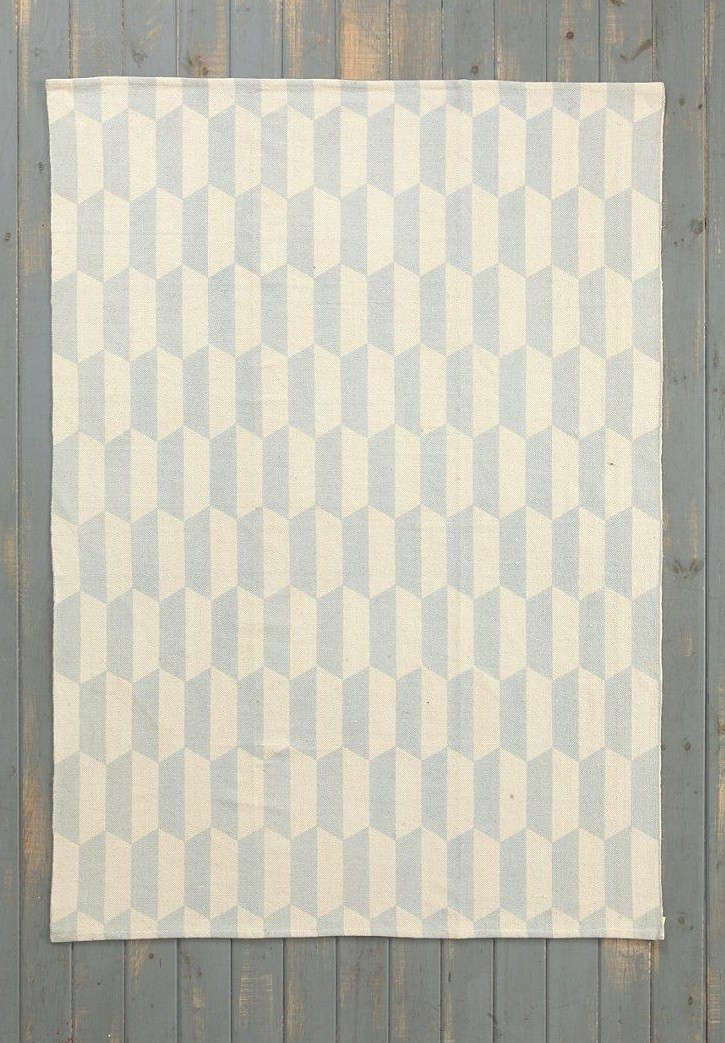
The Assembly Home Stacked Bar Rug is best known as a low-profile woven cotton rug with a graphic bar-style geometric print. Its appeal comes from the tension between softness and structure: the cotton construction keeps it approachable and casual, while the stacked linear motif gives it a more edited, design-forward look. It feels less like a floral heirloom and more like a modern design choice made by someone who knows what “visual rhythm” means and occasionally says it out loud.
One of the smartest things about the design is its balance. The pattern has movement, but it does not become visual chaos. That makes it easier to live with over time. A rug is usually one of the largest visual surfaces in a room, so if the pattern is too aggressive, it can take over the entire space. The Stacked Bar Rug avoids that problem. It reads as interesting, not exhausting.
Because it is a flat, low-profile rug, it also fits the way many people actually live. Doors can clear it more easily. Chairs are less likely to wobble on it. Hallways, entryways, under-table zones, and smaller living rooms all benefit from that slimmer construction. This is a rug that understands traffic patterns. It is not trying to be a fluffy cloud in a room where people drag dining chairs, wear shoes, and occasionally drop popcorn.
Why the Design Still Works
Some rug designs age badly. They get trapped in a very specific era and end up looking like a trend that forgot to leave. The Assembly Home Stacked Bar Rug avoids that by leaning into geometry rather than gimmick. Geometric rugs have staying power because they connect easily with a wide range of interiors: Scandinavian-inspired rooms, midcentury spaces, eclectic apartments, minimalist homes, and even more traditional settings that need a modern jolt.
The stacked bar pattern also creates a subtle sense of order. Straight lines can visually anchor furniture, reinforce layout, and make a room feel more intentional. That is especially helpful in open-plan homes or multipurpose rooms where a rug has to help define zones. A patterned geometric rug can act like punctuation for the floor. Without it, the room may feel like one long sentence with no commas.
Another reason this rug works is that cotton flatweaves tend to feel less formal than high-pile or ornate rugs. That gives the Stacked Bar Rug a relaxed, livable personality. It is modern, yes, but not cold. It can support a curated room without making it feel untouchable. You can pair it with a streamlined sofa, vintage wood furniture, woven baskets, metal lamps, or soft linen textiles and it still makes sense.
Best Rooms for the Assembly Home Stacked Bar Rug
Living Room
In a living room, this rug works best when you want pattern underfoot without overwhelming the seating area. A 5×7 can suit a compact apartment setup, while a larger rug creates better visual grounding in a fuller layout. The low pile helps with coffee tables, side chairs, and front-leg-on-rug arrangements. If your living room already has plenty of color, the graphic pattern can provide structure. If the room is more neutral, the rug becomes the element that keeps everything from slipping into beige amnesia.
Hallway or Entryway
The runner version is one of the smartest uses for this style. Hallways are ideal for linear designs because the pattern reinforces movement through the space. In an entry, a low-profile cotton rug is easier to manage than a chunky one, especially where doors swing inward and shoes appear in mysterious piles. Add a rug pad, and suddenly your entryway looks deliberate instead of like a transit station.
Bedroom
Bedrooms benefit from rugs that soften the room visually without feeling bulky. A geometric cotton rug can bring texture and pattern under the bed or beside it, especially in spaces with simple bedding and clean-lined furniture. If you prefer the bedroom to feel calm rather than sugary, the Stacked Bar Rug is a strong fit. It adds personality without demanding applause every time you walk in.
Dining Area
This is where the rug’s flatweave construction really shines. Low-profile rugs generally behave better under dining chairs because they reduce snagging and wobble. The trick is making sure the rug is large enough that chairs stay on the rug even when pulled out. A dining rug should not create a daily wrestling match between furniture legs and floor covering.
Understanding the Material: Why Cotton Matters
Cotton rugs have a different personality from wool, jute, or synthetic blends. They are often lighter in weight, softer in feel, and easier to move, rotate, and shake out. That makes them appealing for renters, frequent redecorators, or anyone who enjoys switching rooms around every time they watch a home makeover video and become temporarily overconfident.
For the Assembly Home Stacked Bar Rug, cotton supports the casual, versatile look. The material suits the flatwoven construction and helps the rug feel approachable rather than formal. It also tends to work well in spaces where you want softness without thickness. If you love the look of a rug but hate fighting with one, cotton can be a very friendly choice.
That said, cotton also comes with trade-offs. It may not be as naturally resilient as wool in high-traffic areas over the very long term, and it usually benefits from a rug pad to improve cushioning, reduce slipping, and help the rug wear more evenly. Think of the rug pad as the supporting actor that quietly deserves most of the award.
How to Choose the Right Size
Rug sizing is where many decorating dreams go to collapse. People fall in love with a pattern, buy the smallest version because it seems “close enough,” and then wonder why the room looks unfinished. The Assembly Home Stacked Bar Rug is much more effective when the size matches the room’s layout rather than just the budget’s comfort zone.
2×8 Runner
Best for hallways, narrow kitchens, or entry passages. This size works beautifully when you want the bar motif to emphasize movement. It is also useful in apartments where every square foot has multiple jobs and the hallway needs to look less like a corridor and more like a designed space.
5×7 Area Rug
This size suits small living rooms, home offices, studios, reading corners, or under a small dining setup. It can also work in a bedroom if partially placed under the lower half of a bed. In compact rooms, a 5×7 creates definition without overcrowding the floor.
8×10 Area Rug
This is the stronger choice for a main living room or full-size bedroom. It helps anchor more furniture and makes the room feel intentional and complete. In many cases, going larger is the more professional-looking move. The floor around the rug should frame it, not make it look like it accidentally landed in the wrong room.
Styling Ideas That Make This Rug Look Expensive
Pair It With Warm Wood
The crisp geometry of the rug looks especially good against walnut, oak, teak, or other warm wood tones. The contrast keeps the room from feeling too cold and gives the pattern a more lived-in quality.
Mix With Soft Textiles
If the rug brings structure, let other elements bring softness. Linen curtains, boucle pillows, cotton throws, and upholstered seating help create balance. This contrast is what makes a room feel designed rather than assembled from one very committed search term.
Use Black Accents Sparingly
If your version of the rug includes darker tones, echo them with a lamp base, picture frame, hardware, or side table. Just do not go full chessboard unless that is truly your calling. Repeating one or two colors from the rug is enough to make the room feel cohesive.
Let the Rug Lead the Palette
Geometric rugs often look strongest when the rest of the room gives them room to breathe. Start with the rug, then build in complementary neutrals and one or two accent colors. This approach works especially well in small homes where the rug needs to do some heavy visual lifting.
Care, Cleaning, and Real-Life Practicality
Like many cotton rugs, the Assembly Home Stacked Bar Rug is best approached with steady maintenance rather than dramatic rescue missions. Regular vacuuming, prompt spot cleaning, occasional rotation, and a reliable rug pad go a long way. If the rug lives in a sunny room, rotating it helps reduce uneven fading and wear. If it lives in a busy room, that rug pad becomes even more important.
Low-profile cotton rugs are often easier to manage than shag or deep-pile styles because debris stays closer to the surface and the rug is less likely to trap every crumb from the past three seasons. Still, “easy” does not mean “invincible.” Spills should be blotted quickly, not rubbed into the fibers like you are trying to erase your mistakes through force.
For deeper cleaning, always respect the material and the rug’s construction. Spot treatment is usually the safest starting point for a cotton flatweave, and professional cleaning can be worthwhile if the rug has seen enough life to qualify for memoir status. The goal is longevity, not heroic improvisation with random cleaning products found under the sink.
Who Should Buy a Rug Like This?
The Assembly Home Stacked Bar Rug is a strong match for people who want modern style without high-maintenance drama. It is especially good for apartment dwellers, young families, design-conscious renters, first-home owners, and anyone who wants a rug that feels edited and current but still practical. It also makes sense for shoppers who prefer lower-profile rugs in workhorse spaces such as hallways, dining areas, and layered living rooms.
If you want plush softness underfoot above all else, this may not be your forever love. A flatweave cotton rug is more about visual texture, versatility, and everyday ease than sink-in comfort. But if you value flexibility, pattern, and a cleaner silhouette, it delivers. It is the friend who shows up stylish, on time, and without requiring an emotional support vacuum.
Why the Assembly Home Stacked Bar Rug Still Deserves Attention
Even years after its original release, the Assembly Home Stacked Bar Rug still feels like a smart case study in what makes a rug work. The proportions are useful. The pattern is memorable. The cotton construction is approachable. The styling potential is broad. Most importantly, it solves a common home problem: how to add personality to a room without making it feel cluttered.
That is why this rug continues to be relevant. It is not just a floor covering. It is a layout tool, a color-balancing move, a texture layer, and a quiet statement piece. Some rugs shout. This one speaks clearly and lets the room keep its dignity.
Real-Life Experiences With a Rug Like This
Living with a rug like the Assembly Home Stacked Bar Rug tends to change how a room feels day to day, and that matters more than the showroom moment. The first thing many people notice is not the pattern but the effect. A room that once felt unfinished suddenly has a center. The sofa looks more grounded. The coffee table stops floating around visually. Even the lamp in the corner seems to understand its assignment. It is one of those home updates that can make everything else in the room look a little more intentional, even if half the décor was chosen during a late-night scrolling session.
In a small apartment, a rug like this can quietly do the work of a wall. It separates the lounging area from the dining corner without building any barriers. In a hallway, it turns a forgettable pass-through into part of the design story. In an entryway, it can soften that harsh first impression of shoes, keys, bags, and whatever else gets dropped the second someone walks in. A good rug does not make life cleaner, exactly, but it can make the mess look like it belongs to people with taste.
There is also something satisfying about living with a low-profile rug when your home sees actual use. Chairs move more easily. Doors are less dramatic. You are not constantly straightening thick corners or freeing trapped table legs. If you have ever owned a fluffy rug in a room with rolling furniture, you know that “beautiful” can sometimes become “mildly adversarial.” A flatweave option changes that relationship. It participates in the room without trying to dominate it.
Another common experience is discovering that geometric rugs are surprisingly forgiving. The pattern helps disguise everyday wear better than a completely solid rug often does. That does not mean spills disappear by magic, sadly, but it does mean the rug can maintain its visual energy even in a busy home. In real life, that is a huge advantage. Homes are not photo shoots. People track things in, knock things over, move furniture, and decide halfway through eating crackers that maybe the sofa was the dining table all along.
What many people appreciate most, though, is how flexible a rug like this becomes over time. It can start in the living room, move to the bedroom, then later become a hallway runner or office accent depending on the size and your next round of rearranging. Styles with overly specific colors or themes often lose momentum when your furniture changes. A graphic cotton rug with a modern motif tends to keep up. It can evolve with the room instead of forcing the room to keep proving it belongs there.
That long-term flexibility is often what separates a smart rug purchase from an impulsive one. The Assembly Home Stacked Bar Rug has the kind of design that makes sense in the honeymoon phase and still makes sense once real life moves in. And honestly, that may be the highest compliment any home item can get.
Final Thoughts
The Assembly Home Stacked Bar Rug stands out because it understands both style and function. It brings a geometric edge without overwhelming a space, offers the everyday practicality of a low-profile cotton construction, and adapts well to living rooms, bedrooms, hallways, and dining zones. It is the kind of rug that helps a room feel finished, polished, and lived in all at once.
If you are drawn to modern rugs that feel creative but not chaotic, this design is a compelling reference point. It proves that a well-chosen rug does more than cover floor space. It shapes how the whole room feels, and that is a pretty impressive job for something people mostly notice with their shoes off.