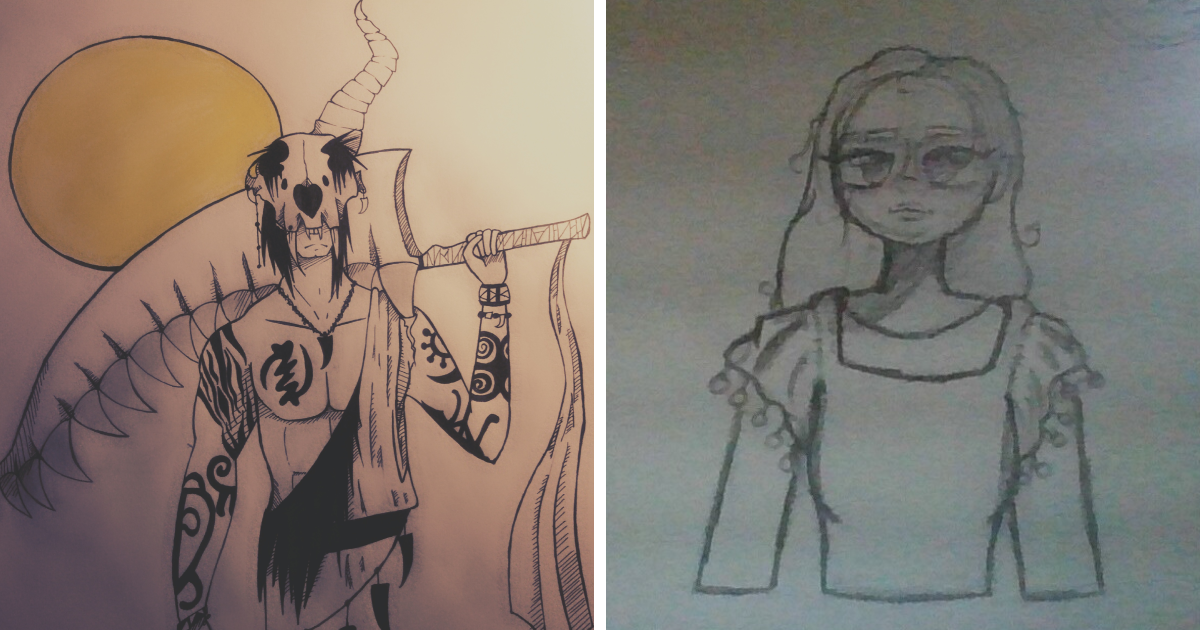
Some drawings arrive after weeks of careful practice. Others appear during a boring meeting, on the back of a receipt, favorite drawing deserves more than a quiet life inside a sketchbook. This community challenge invites artists of every age and skill level to share one of their best drawings, explain why it matters, and celebrate the unpredictable ways people turn lines, shapes, shadows, and ideas into art.
Note: “Best” does not have to mean flawless, professional, or museum-ready. It can mean funniest, most meaningful, most improved, most experimental, or simply the drawing that still makes you smile.
What Makes a Drawing One of Your Best?
Ask ten artists to define their “best drawing,” and you may receive twelve answers, three sketchbooks, and one passionate speech about why hands are impossible. Technical skill matters, but it is only part of the picture. A drawing can be memorable because the anatomy is accurate, the composition feels balanced, or the shading creates convincing depth. It can also stand out because it captures a mood, records a turning point, or finally makes a stubborn idea work.
Technical Growth You Can Actually See
Sometimes the “best” label comes from visible progress. Perhaps you learned to control line weight, simplify complicated forms, or stop outlining every nose like it was a highway on a map. Maybe your perspective finally behaves, your values create volume, or your character’s second eye no longer appears to be planning an escape.
Emotional Meaning Beats a Perfect Score
A technically uneven drawing can still be powerful. A portrait of a grandparent, a sketch of a childhood home, or a comic made during a difficult year may carry emotional weight that no anatomy chart can measure. Drawings can preserve ordinary moments: the way someone sits, the clutter on a familiar desk, or the expression a pet makes immediately before committing a small household crime.
When choosing what to share, ask a better question than “Is this perfect?” Ask, “Why do I keep returning to this piece?” Your answer may reveal more about its value than any number of likes.
Why Sharing Your Artwork Can Feel So Scary
Making art is private; posting it is public. The moment a drawing leaves your desk, it can feel as if you have placed a tiny piece of your brain under fluorescent lighting and invited strangers to inspect it. Artists remember every erased line and abandoned attempt hidden beneath the final image. Viewers usually see the whole result.
Share the Story, Not Just the Image
A short caption can turn a picture into a conversation. Explain what inspired the drawing, which tools you used, how long it took, or what challenged you. Mention the accidental ink blot that became a moon, the reference photo your cat kept sitting on, or the background you repainted six times before surrendering to artistic diplomacy.
Context reminds viewers that a drawing is more than its final appearance. It is evidence of choices, revisions, curiosity, patience, and occasional negotiations with an uncooperative eraser.
How to Choose a Drawing for This Creative Challenge
You do not need to submit the most complex piece in your portfolio. Complexity is not the same as quality, and detail is not a substitute for personality. Choose a drawing that represents something important about the way you see or make art.
Pick the Piece With a Personal Connection
Look through sketchbooks, digital folders, and suspicious piles of paper near your desk. Notice which images make you pause. The right choice may be the drawing that started a new style, helped you understand color, or convinced you not to quit.
Think Beyond Pencil Portraits
Drawing can include charcoal studies, ink illustrations, colored-pencil scenes, marker art, pastel work, digital sketches, comics, architectural concepts, fashion drawings, abstract mark-making, and mixed media. A collaborative drawing game can count, tooespecially when the final creature has six knees and the confidence of a movie star.
Do Not Dismiss Older Work
An old drawing can show the beginning of an artistic obsession or the earliest version of a character you still draw today. It may not match your current ability, but it can reveal energy and boldness that later work became too cautious to express. Sometimes your ten-year-old self had excellent ideas and absolutely no concern about whether the elbows were correct.
Present Your Best Drawing So It Looks Its Best
A wonderful drawing can lose impact when photographed in dim light, tilted at a dramatic angle, or displayed beside half a sandwich. Presentation does not require expensive equipment. It requires enough care to let viewers see the work clearly.
Photograph Traditional Art Carefully
Use bright, even light and avoid glare or hard shadows. Hold the camera parallel to the page so the rectangle stays rectangular. Crop distracting edges without cutting intentional borders or signatures, and check that the image is sharp before posting.
Export Digital Art Cleanly
Save a high-quality JPEG or PNG that is large enough to show important details. Keep the original layered file in case you want to revise the piece later. Add the title, medium, approximate completion date, and a brief description so viewers have useful context.
How to Give Feedback Without Flattening the Artist
A drawing community becomes valuable when people do more than tap a heart icon. Thoughtful feedback helps artists understand what viewers notice and which areas may benefit from another pass. Critique works best as a conversation, not a courtroom drama.
Start With Specific Observation
Instead of writing “Nice,” identify what works: “The heavier lines around the face guide my attention,” or “The limited palette gives the scene a quiet nighttime feeling.” Specific comments show that you genuinely looked.
Ask What Kind of Feedback Is Welcome
Some people want technical critique. Others are sharing a finished piece and prefer celebration. A simple question“Would you like suggestions or general reactions?”prevents a cheerful art post from becoming an unsolicited semester-long anatomy course.
Connect Suggestions to the Artist’s Goal
Useful critique does not demand that every artwork become the one you would have made. Focus on whether the choices support the artist’s intention. Offer one or two actionable ideas rather than unloading a truck full of corrections, and remember that personal taste is not a universal law.
How to Receive Critique Without Losing the Plot
Feedback is information, not a command. Listen for patterns, especially when several people notice the same issue. Then decide what serves the work. You may accept a suggestion, test it, modify it, or politely leave it sitting on the table like an unwanted decorative gourd.
Separate comments about the drawing from judgments about yourself. “The hand feels small” does not mean “You are a failure who must leave civilization.” It means one viewer perceived a proportion issue. Save useful feedback, revisit it later, and compare it with your original goal.
Drawing Ideas for Anyone Who Feels Stuck
The blank page is not actually judging you, although it has perfected the expression. Start with a prompt that limits your choices enough to create momentum.
Draw an Ordinary Object Slowly
Choose a shoe, kitchen tool, plant, or crumpled paper bag. Study its angles, negative spaces, shadows, and texture instead of drawing the symbol your brain uses for “shoe” or “leaf.” Familiar objects become surprisingly strange when you really look.
Make a Five-Minute Gesture Page
Fill a sheet with quick figures, animals, or moving poses. Keep the pencil traveling and avoid polishing. Gesture drawing encourages attention to direction, rhythm, and weight before details arrive to hold a committee meeting.
Invent a Character From Random Shapes
Draw three blobs, two triangles, and a line, then turn them into a character. Give the character a job, a secret, and one wildly impractical accessory. Constraints replace “What should I draw?” with the much friendlier question “Why is this triangle wearing boots?”
Redraw an Old Favorite
Remake an older piece using your current skills. Keep the concept but reconsider anatomy, lighting, composition, or color. Place both versions side by side; the comparison may reveal progress that daily practice made difficult to notice.
Protecting Your Drawing When You Share It Online
In the United States, an original drawing generally receives copyright protection once it is fixed in a tangible form, including paper or completed digital artwork. Registration is not required for copyright to exist, although registration can provide additional legal benefits. Keep original files, dated progress images, scans, and other records that document authorship.
A signature or subtle watermark can help identify the creator, but it does not replace copyright protection. Post a web-sized copy when full resolution is unnecessary, and read a platform’s terms before uploading work intended for licensing, publication, or sale. Credit is not the same as permission: naming an artist does not automatically grant the right to repost, edit, sell, or commercially use that person’s work.
Experiences Behind the Drawings People Remember Most
The following stories are illustrative composites based on common artist experiences. They show why a “best drawing” is often best because of what happened around it.
The Portrait That Finally Looked Alive
A developing artist spends months drawing faces that are recognizable but emotionally absent. The proportions are respectable. The eyelashes are working overtime. Still, every subject looks as if someone just asked them to renew a driver’s license. Then the artist quickly sketches a sibling laughing at dinner. The hair is unfinished, and one ear is negotiating with reality, but the expression feels alive. It becomes the favorite drawing because it captures a person rather than merely assembling features.
The Creature Born From a Mistake
Another artist begins an ink forest and drops a dark blot near the center. There is no undo button. After a period of dramatic staring, the blot becomes a round woodland creature. Extra branches turn into antlers, and a badly placed mark becomes a lantern. The finished illustration is stranger and more original than the plan. The lesson is simple: mistakes are sometimes doors wearing ugly hats.
The Sketchbook Page That Survived a Hard Year
A student keeps a small sketchbook during a stressful year. Its pages contain tired eyes, bus seats, coffee cups, unfinished hands, and little monsters representing deadlines. One spread combines them into a crowded city scene. It is not the most polished work, but it contains the rhythm of that yearanxious, funny, exhausted, and stubbornly creative. Sharing it feels vulnerable. The warm response helps the artist realize that viewers often connect with honest specificity more than perfection.
The Childhood Character Returns
An adult finds an old superhero invented at age nine. The hero wears seven belts, has one enormous boot, and possesses powers that were never clearly explained. The artist redraws the character with better anatomy while preserving the glorious excess. The two images become a record of progress and continuity. Skill changed, but the desire to invent did not.
The First Public Post
A quiet hobbyist has drawn privately for years. The first shared piece is a colored-pencil bird. Before uploading it, the artist zooms in approximately four hundred times, discovers every grain of paper, and considers moving to a cabin without internet access. The post receives a few kind, specific comments. No critic descends from the ceiling. The world continues. That modest experience matters because sharing becomes less frightening the second time.
These stories share a pattern. The memorable drawing is rarely a sterile demonstration of skill. It marks a discovery: how to observe, revise, recover from an error, accept encouragement, or show another person a piece of work without apologizing for its existence. Community art prompts turn isolated practice into shared evidence that everyone is learning something.
Share the Drawing, Tell the Story, Encourage the Next Artist
“Hey Pandas, Share One Of Your Best Drawings” is not a demand for perfection. It is an invitation to open the sketchbook and show a piece that means something. Share the polished portrait, the odd little monster, the architectural study, the fan art, the experimental ink page, or the doodle that unexpectedly became a personal landmark.
Include a few details about the process and welcome the kind of response you actually want. When commenting on other submissions, be specific, curious, and generous. The best drawing communities make room for different stages, styles, materials, and reasons for creating.
Your favorite piece may inspire someone else to pick up a pencil. Their comment may help you notice a strength you overlooked. At minimum, the drawing will finally escape the folder where it has been quietly waiting beside seventeen versions of the same eye. That alone is progress worth celebrating.