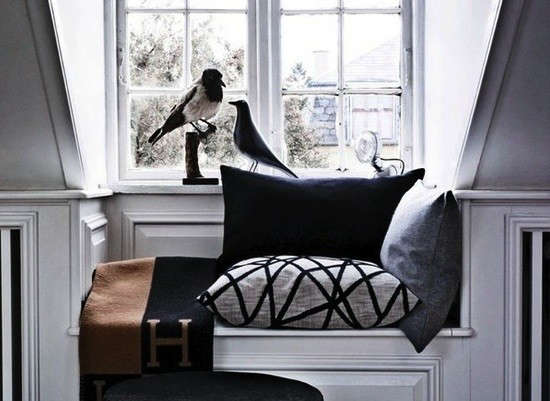
There are two kinds of people in this world: people who say they need a built-in reading nook, and people who have not yet sat in one with a blanket, a hot drink, and the audacity to ignore laundry. Built-in reading nooks are small architectural miracles. They turn overlooked corners, awkward windows, empty landings, and underused walls into intentional places to slow down. Unlike a random chair shoved beside a bookshelf, a built-in nook feels like the house planned ahead for your paperback habit.
The charm of a built-in reading nook is not just that it looks cozy in photos, although yes, it absolutely does. The real magic is function. A good nook combines seating, storage, lighting, softness, and a little privacy in one tidy package. It can make a hallway useful, give a bay window a job, or transform a bedroom corner from “where socks disappear” into “where novels get finished.” Whether your style is coastal, modern, cottage, minimalist, or “I own too many books and refuse to apologize,” these ten favorite built-in reading nook ideas can help you create a space that is beautiful, practical, and dangerously good at stealing your afternoon.
Why Built-in Reading Nooks Work So Well
A built-in reading nook succeeds because it solves several design problems at once. It adds seating without bulky furniture, gives books a natural home, and makes use of square footage that often goes ignored. Window seats, recessed benches, alcove daybeds, and built-in bookshelves all create a sense of permanence. The result feels less like decoration and more like architecture.
Comfort matters just as much as looks. The most inviting built-in reading nooks usually include a supportive cushion, layered pillows, a nearby surface for a mug or glasses, and lighting that does not make your eyes feel like they are reading under interrogation. The best designs also consider scale. A window seat that is too high feels awkward; one that is too shallow becomes a decorative shelf for humans. Aim for a seat height similar to a dining chair once the cushion is included, and make the seat deep enough to curl up without performing advanced yoga.
10 Favorite Built-in Reading Nook Ideas
1. The Classic Window Seat Reading Nook
The window seat is the little black dress of built-in reading nooks: timeless, flattering, and always appropriate. Built below a sunny window, it gives readers natural light during the day and a view between chapters. Add drawers or lift-up storage beneath the bench, and suddenly the nook is also hiding blankets, board games, seasonal pillows, or the books you bought while claiming you were “just browsing.”
For a polished look, match the trim of the bench to the room’s existing millwork. A simple white painted base feels clean and traditional, while stained wood adds warmth and character. Finish the seat with a tailored cushion, two or three pillows, and a Roman shade or soft curtains to control glare. This built-in reading nook works beautifully in bedrooms, living rooms, stair landings, and breakfast areas that get enough light to make the space feel cheerful but not sunburned.
2. The Bookshelf-Flanked Nook
If the classic window seat is charming, the bookshelf-flanked nook is charming with a graduate degree. Built-in shelves on either side of a bench create a mini library that feels intentional and complete. This layout is especially effective around a window or in a recessed wall, where the shelves frame the seating area like a stage. The books become part of the architecture, and the bench becomes the obvious place to read them.
For balance, keep the lower shelves practical and the upper shelves styled. Store frequently read books, children’s favorites, or magazines within easy reach. Use higher shelves for framed art, ceramics, plants, and the beautiful hardcovers you insist you will read someday. Add picture lights, sconces, or a slim pendant so the nook remains useful after sunset. A bookshelf-flanked built-in reading nook is ideal for living rooms, home offices, and family rooms because it looks sophisticated while quietly doing a lot of storage work.
3. The Under-Stair Hideaway
The space under the stairs is often treated like a miscellaneous cave for shoes, bags, and objects no one wants to identify. But with the right design, it can become one of the coziest reading nooks in the house. An under-stair built-in reading nook feels private because the sloped ceiling naturally wraps around the seat. It is a hideout without requiring you to move to a cabin in the woods.
Use the lower end of the staircase for drawers or cubbies, and place the seating where headroom is most comfortable. Add beadboard, paneling, wallpaper, or a deep paint color to make the nook feel like its own tiny room. Because under-stair spaces can be dim, lighting is essential. A wall sconce or recessed light with a warm bulb will make the nook feel inviting instead of dungeon-adjacent. This design is especially fun for families, but adults deserve secret reading caves too.
4. The Alcove Daybed Nook
Some reading nooks are for sitting politely. Others are for fully surrendering to the plot. The alcove daybed nook belongs to the second category. Built into a wall recess or framed between cabinets, this style uses a mattress-like cushion rather than a narrow bench. It is perfect for long reading sessions, afternoon naps, and pretending you did not hear your phone buzz.
To make an alcove daybed feel finished, frame it with built-in shelves, drawers, or side panels. Upholster the cushion in a durable fabric such as performance linen, cotton blend, or indoor-outdoor material if kids or pets are involved. Add bolsters at the sides and a mix of pillows along the back. A small wall-mounted light keeps the surface clear while creating a cozy glow. This built-in reading nook works especially well in guest rooms, children’s rooms, finished attics, and large hallways.
5. The Closet-Turned-Reading Nook
An unused closet can become a surprisingly delightful built-in reading nook. Remove the doors, add a bench, install shelves above or beside the seat, and suddenly the former storage zone has main-character energy. This idea is particularly useful in small homes where every square foot needs to do more than stand around looking awkward.
Paint or wallpaper the inside of the closet to make it feel distinct from the rest of the room. A moody color, playful print, or warm neutral can turn the nook into a jewel box. For children, add low shelves and soft lighting. For adults, consider a deeper cushion, a plug-in sconce, and a tiny side ledge for tea. The closet nook is proof that a built-in reading nook does not need a huge renovation budget. Sometimes all it needs is imagination, lumber, and the emotional strength to finally clean out the closet.
6. The Bay Window Retreat
A bay window practically begs to become a reading nook. Its angled shape creates a natural enclosure, while the windows bring in generous light. A built-in bench can follow the bay’s shape or sit straight across the front, depending on the architecture. Either way, the finished result feels custom, graceful, and slightly fancy in the best possible way.
Because bay windows are visually prominent, keep the detailing intentional. A tailored cushion, coordinated pillows, and thoughtful window treatments can make the nook feel integrated rather than improvised. Storage drawers beneath the seat are excellent for homes short on closet space. If privacy is an issue, choose woven shades, café curtains, or lined Roman shades that soften the light without turning the nook into a blackout bunker. A bay window built-in reading nook is especially lovely in living rooms, dining areas, primary bedrooms, and older homes with architectural character.
7. The Hallway Library Bench
Hallways are usually treated as pass-through zones, but a wider hallway can become a hardworking mini library. A built-in bench along one wall, paired with shallow bookshelves or display ledges, creates a reading spot without taking over a main room. This is a smart solution for homes where the living room is busy, bedrooms are compact, or every quiet corner has already been claimed by someone’s laptop.
The key is keeping the profile slim. Use a bench that does not block traffic and shelves that are deep enough for books but not so deep that people have to walk sideways past them. Add sconces or picture lights to create rhythm along the wall. A runner can help define the zone and make the hallway feel more like a destination. This built-in reading nook idea is understated, but it can completely change how a home feels. Suddenly the hallway is not just a hallway; it is a place to pause.
8. The Kids’ Built-in Book Nook
A built-in reading nook for kids should be sturdy, accessible, and fun. Low shelves let children choose books independently, while a cushioned bench gives them a place to sprawl, flip pages, and negotiate bedtime with impressive legal skill. Built-ins are especially useful in playrooms and bedrooms because they reduce clutter while encouraging books to stay visible.
Choose washable fabrics, rounded edges, and storage that is easy to use. Open cubbies are great for picture books, baskets, stuffed animals, and reading blankets. Add a small reading light and perhaps a canopy, painted arch, or cheerful wallpaper to make the nook feel special. The goal is not perfection. The goal is a space where books feel inviting, reachable, and part of everyday life. Bonus points if the nook is comfortable enough for parents, because children’s books are short, but bedtime routines are somehow eternal.
9. The Fireplace-Side Built-in Nook
A fireplace already creates a natural focal point, and built-ins can make it even stronger. A bench tucked beside the fireplace, especially when paired with shelves or cabinets, becomes a warm and atmospheric reading nook. It is the design equivalent of saying, “Yes, I do read classic novels in socks by the fire,” even if the book is actually a thriller with a questionable cover.
Safety and spacing matter here. Keep cushions, books, and upholstery at an appropriate distance from heat sources, and follow local building codes for clearances. Visually, the nook can either match the fireplace surround for a seamless look or contrast with a different wood tone or paint color. Closed cabinets below the bench can store kindling, games, or extra throws. This style works well in living rooms, dens, and cabins where comfort is the entire personality of the space.
10. The Modern Minimalist Nook
Not every built-in reading nook needs ruffles, floral cushions, and a stack of vintage mysteries. A modern minimalist nook can be just as cozy when the proportions are right. Think clean lines, slab-front drawers, a single long cushion, integrated lighting, and a restrained palette. The result is calm, uncluttered, and very good at making you feel like you have your life together.
Use texture to keep a minimalist nook from feeling cold. A wool throw, linen cushion, oak shelves, plaster walls, or a boucle pillow can add warmth without clutter. Hidden storage is especially useful in this style because visual simplicity depends on having somewhere to put things. A modern built-in reading nook is perfect for contemporary homes, apartments, and open-plan spaces where you want a quiet corner that blends into the architecture rather than shouting, “Look at me, I am adorable.”
Design Details That Make a Built-in Reading Nook Better
Get the Seat Right
The seat is the foundation of the nook, so do not treat it as an afterthought. A comfortable built-in reading nook usually needs enough depth for relaxed sitting, a finished height close to standard seating, and a cushion that is supportive rather than pancake-flat. If the nook is meant for lounging, make it deeper. If it is in a hallway or kitchen, keep it more compact. Always consider how real humans will use it, not just how it will look in a photo.
Plan Storage Before Styling
Built-in storage is one of the biggest advantages of a reading nook. Drawers are clean and practical. Lift-up benches work well for bulky items. Open cubbies are easy for children. Shelves keep books visible and decorative. The best option depends on what you actually need to store. Design for your life first; style the pretty objects later.
Layer the Lighting
Natural light is wonderful, but it clocks out every evening. Add task lighting with a sconce, pendant, picture light, or adjustable reading lamp. Warm bulbs make the nook feel inviting, while dimmers give flexibility. Avoid relying only on overhead lighting, which can cast shadows and make the nook feel like a waiting room. A built-in reading nook should glow, not glare.
Use Fabric Like a Strategy
Fabric determines whether a nook feels stiff or irresistible. Choose durable materials for cushions, especially in high-traffic areas. Performance fabrics are helpful for families, pets, and snack-friendly readers. Pillows can add pattern, color, and seasonal personality without requiring a full redesign. A throw blanket is not optional. It is the unofficial membership card of the reading nook lifestyle.
Experience Notes: What Built-in Reading Nooks Teach You Over Time
The funny thing about built-in reading nooks is that they often start as a design idea and become a household habit. At first, you may imagine the nook as a calm, magazine-worthy corner where one reads literary fiction in linen pants. Real life is usually messier and better. The nook becomes the place where kids pile up picture books, where the dog claims the sunniest cushion, where someone drinks coffee too slowly on a Saturday morning, and where a book is left open because dinner happened before the chapter ended.
One of the most useful lessons is that comfort beats decoration every time. A gorgeous nook with a thin cushion and no light will become a display shelf. A slightly imperfect nook with a thick cushion, a warm lamp, and a place to set a mug will get used constantly. People return to spaces that feel easy. If the pillows are too precious, the seat too narrow, or the lighting too dim, the nook becomes more of a visual promise than a daily pleasure.
Storage also matters more than expected. A built-in reading nook with drawers or shelves tends to stay useful because it gives nearby objects a home. Extra blankets, chargers, headphones, bookmarks, notebooks, and reading glasses all need somewhere to go. Without storage, the nook can quickly collect clutter. With storage, it feels calm even when life is not. That is the quiet genius of built-ins: they make organization look architectural.
Another experience worth noting is that the best nook is not always in the most obvious place. A sunny bedroom window may seem perfect, but a hallway landing might get more daily use. A deep living room alcove may look dramatic, but a small closet nook could feel more private. The right location depends on noise, light, traffic, and how your household actually moves. A reading nook should feel slightly removed from chaos but not so remote that no one bothers to visit it.
Finally, built-in reading nooks age well when they are designed with flexibility. Children grow. Book collections change. Color trends come and go, sometimes with alarming confidence. Keep the fixed elements classic and let the replaceable pieces carry personality. Paint, cushions, pillows, lamps, and art can evolve. The bench, shelves, and trim should feel sturdy enough to outlast trend cycles and possibly several questionable book-club selections. A great built-in reading nook is not just a pretty corner. It is a small invitation to pause, and most homes could use more of those.
Conclusion
Built-in reading nooks are proof that small spaces can have big personalities. Whether tucked under stairs, framed by bookshelves, built into a bay window, or carved from an unused closet, a well-designed nook adds comfort, storage, charm, and purpose. The best versions are not complicated. They simply combine good proportions, soft materials, smart lighting, and a sense of retreat. In a busy home, that combination feels almost luxurious.
For homeowners, renters planning semi-permanent upgrades, and design lovers collecting ideas, the built-in reading nook remains one of the most rewarding projects. It makes a room more useful, gives books a place of honor, and creates a daily ritual around slowing down. Add a cushion, add a light, add a stack of books, and suddenly the smallest corner of the house becomes everyone’s favorite destination. Just be warned: once the nook is finished, you may need to start scheduling appointments to sit in it.
Note: This article is written for web publication in standard American English and synthesizes real home-design guidance into original, plagiarism-free content.