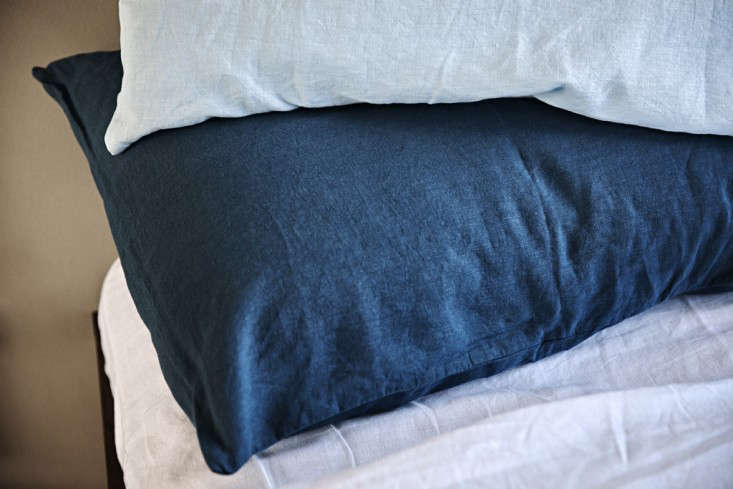
There are two kinds of people in this world: those who think a pillowcase is just a fabric tube for a pillow, and those who have slept on 100% linen pillowslip sets and now casually mention “European flax” like they’re discussing fine wine. If you are here, congratulationsyou may be dangerously close to becoming the second kind of person.
A linen pillowslip set sounds simple: two pillow covers made from pure linen. But in real life, it can change the way your bed feels, looks, and behaves at 2:17 a.m. when your room is too warm, your cotton pillowcase feels oddly clingy, and your hair has decided to host a private rebellion. Linen is breathable, naturally textured, durable, and famously relaxed. It does not pretend to be perfectly smooth. It arrives with character. It wrinkles with confidence. It says, “I woke up like this,” and somehow means it.
This guide breaks down what makes 100% linen pillowslip sets worth considering, how they compare with cotton and silk pillowcases, what to look for before buying, and how to care for them so they age gracefully instead of turning into expensive laundry confetti.
What Are 100% Linen Pillowslip Sets?
A 100% linen pillowslip set usually includes two pillow covers made entirely from linen fibers, without cotton, polyester, rayon, or synthetic blends. Linen itself comes from the flax plant, one of the oldest textile sources used for bedding, clothing, table linens, and home textiles. When a product says “100% linen,” it should mean the fabric content is pure flax-based linen.
The word “pillowslip” is more common in British and Australian English, while American shoppers usually say “pillowcase.” In the U.S. bedding market, you may see terms like linen pillowcase set, linen pillow covers, flax linen pillowcases, or European linen pillowslips. They often refer to the same basic product: a fabric cover designed to protect your pillow and improve sleep comfort.
Common Set Sizes
Most linen pillowslip sets come in standard, queen, king, and sometimes Euro sizes. A standard pillowcase usually fits standard and queen pillows, while king pillowcases are longer. Euro shams are square and used more for decorative layering than nightly sleep, unless you enjoy sleeping like a stylish hotel brochure.
Common Closure Types
There are three popular closure styles. An envelope closure has an interior flap that keeps the pillow tucked inside. A side opening is simple and traditional. A zipper closure creates a neater fit but may feel less soft if the zipper edge is not well designed. For most sleepers, envelope closures offer the best mix of comfort, security, and “no zipper accidentally touching my cheek at midnight” energy.
Why Linen Pillowcases Are So Popular
Linen has become a favorite in modern bedding because it checks several boxes at once: it is breathable, naturally absorbent, durable, stylish, and easygoing. It suits minimalist bedrooms, coastal interiors, rustic farmhouse spaces, modern apartments, and the very specific aesthetic known as “I casually own ceramics and probably make excellent coffee.”
1. Linen Is Breathable for Hot Sleepers
One of the biggest reasons shoppers choose linen pillowcases is temperature comfort. Linen has a looser weave and naturally airy structure, which helps promote airflow. For hot sleepers, this can make a noticeable difference around the face, neck, and scalp. Your pillow is close to your skin all night, so swapping a heat-trapping pillowcase for a breathable linen pillowslip may help your bed feel cooler and fresher.
Linen also dries faster than many heavier fabrics. That matters if you sweat at night, live in a humid climate, or share your pillow with a dog who believes personal space is a myth.
2. Linen Gets Softer With Washing
Unlike some fabrics that start smooth and slowly give up on life, linen tends to improve over time. Fresh linen can feel crisp or textured at first, especially if it has not been pre-washed. After repeated laundering, the fibers relax and become softer. This is why many brands offer stonewashed linen or garment-washed linen: the fabric is washed before sale to create a lived-in feel from the first night.
That softening process is part of linen’s charm. Your pillowcases do not become old; they become seasoned. Like cast iron, but less likely to make pancakes.
3. Linen Is Durable
Flax fibers are known for strength. High-quality linen bedding can handle frequent use when properly cared for, making it a smart long-term choice. Pillowcases experience more friction than many other bedding pieces because your head, hair, skincare products, and occasional dramatic sighs all land there nightly. A durable linen pillowslip set can stand up well to regular washing and rotation.
4. Linen Has a Naturally Relaxed Look
If you want razor-sharp, hotel-perfect bedding, linen may challenge your soul. Linen wrinkles. That is not a defect; it is the fabric’s personality. The gently crumpled texture gives a bed depth, softness, and a casual luxury look. A linen pillowcase does not scream, “I ironed for 45 minutes.” It whispers, “I have taste and better things to do.”
100% Linen vs. Cotton Pillowcases
Cotton pillowcases are common, affordable, and available in many weaves. Percale cotton feels crisp and cool, while sateen cotton feels smoother and silkier. Cotton is a great choice for many households, but 100% linen pillowslip sets offer a different sleep experience.
Breathability
Linen generally feels airier because of its fiber structure and weave. Cotton can also be breathable, especially percale, but linen is often preferred by sleepers who run warm.
Texture
Cotton is usually smoother from the beginning. Linen has a more textured hand-feel and becomes softer with use. If you like crisp, natural texture, linen wins. If you want ultra-smooth bedding from day one, cotton or silk may be more your style.
Maintenance
Both cotton and linen are usually machine washable. Linen may wrinkle more, but it also looks good wrinkled. Cotton may require more ironing if you want a polished appearance. Linen basically says, “Wrinkles? I call them visual interest.”
100% Linen vs. Silk Pillowcases
Silk pillowcases are often marketed for hair and skin because silk has a very smooth surface and reduces friction. Linen is not as slippery as silk, but it is much more breathable and has a relaxed, natural feel. Silk can be delicate and usually requires more careful washing. Linen is easier for everyday bedding routines, especially for people who prefer machine-washable, low-fuss fabrics.
Choose silk if your top priority is a sleek surface for hair and skin. Choose linen if you want airflow, durability, natural texture, and a cool, casual look. Choose both if you enjoy making your linen closet look like it has a trust fund.
What to Look for When Buying 100% Linen Pillowslip Sets
Not all linen pillowcases are created equal. Some feel soft and substantial. Others feel like they were woven by a stressed-out scarecrow. Before buying, check the following details.
1. Fabric Content
Look for clear labeling that says 100% linen or 100% flax linen. If the product is a blend, it may still be comfortable, but it is not a true 100% linen pillowslip set. Blends with cotton or TENCEL may feel smoother or wrinkle less, but they will not have the exact same texture, breathability, or aging qualities as pure linen.
2. Flax Origin
Many premium linen pillowcases are made from European flax, especially flax grown in France, Belgium, or nearby regions. European flax is often associated with long fibers, strong yarns, and high-quality bedding. That does not mean all non-European linen is poor quality, but origin transparency is a good sign.
3. Certifications
Certifications can help shoppers evaluate textile safety and production claims. OEKO-TEX Standard 100 means the textile has been tested for certain harmful substances. EUROPEAN FLAX certification supports traceability of flax grown in Western Europe. Organic certifications may also matter if you prioritize farming practices. Certifications are not the only measure of quality, but they add trust when comparing products online.
4. GSM or Fabric Weight
Linen is sometimes measured by GSM, or grams per square meter. Lightweight linen may feel airier and better for hot sleepers, while heavier linen feels more substantial and cozy. For pillowcases, many shoppers prefer a middle weight: breathable enough for summer, but not so thin that it feels fragile.
5. Pre-Washed or Stonewashed Finish
Pre-washed linen usually feels softer at first and may shrink less dramatically after the first wash. Stonewashed linen has a relaxed texture and slightly faded, lived-in look. If you are new to linen and worried about stiffness, pre-washed pillowcases are a safer entry point.
6. Color and Dye Quality
Linen looks beautiful in neutrals: white, ivory, oatmeal, natural flax, charcoal, sage, clay, and dusty blue. Dark colors can be striking but may fade faster if washed harshly or dried in direct sunlight. If you want a low-maintenance set, choose soft neutrals that age gracefully.
Benefits of Linen Pillowcases for Everyday Sleep
The pillowcase is one of the most personal pieces of bedding. It touches your face for hours, absorbs oils and sweat, and quietly judges your decision to watch “just one more episode.” A good linen pillowslip set can improve the everyday feel of your bed in practical ways.
Cooling Comfort Around the Face
Linen’s breathable structure can help reduce the stuffy feeling that sometimes builds around the pillow. This is especially useful for warm climates, summer months, and anyone who flips the pillow repeatedly in search of “the cool side.” With linen, the cool side may last longer before becoming the warm side’s equally disappointing cousin.
Moisture Management
Linen absorbs moisture and releases it efficiently, helping the fabric feel dry and comfortable. For pillowcases, that can be helpful if you sweat at night, use rich skincare products, or sleep with damp hair. However, pillowcases should still be washed regularly because moisture management is not magic. Laundry remains undefeated.
Natural Texture for a Cozy Bedroom
Linen adds instant texture to a bed. Even a simple white duvet looks more layered when paired with natural linen pillowcases. The fabric catches light differently than cotton, giving the bed a soft, dimensional look. If your bedroom feels flat or overly polished, linen can make it feel warmer and more lived-in.
How to Style 100% Linen Pillowslip Sets
Linen styling is easy because the fabric looks best when it is not trying too hard. You can match your pillowcases to your sheets for a clean monochrome bed, or mix tones for a layered designer look.
Minimalist Bedroom
Choose white, ivory, oatmeal, or light gray linen pillowcases. Pair them with a matching linen duvet cover and simple wooden or black metal accents. The result feels calm, clean, and expensive without shouting about it.
Coastal Bedroom
Try washed blue, sand, natural flax, or soft sage. Linen’s relaxed texture works beautifully with woven baskets, rattan, seagrass rugs, and breezy curtains. Add a striped throw if you want “beach house” without accidentally drifting into “souvenir shop.”
Warm Modern Bedroom
Use clay, terracotta, olive, cocoa, or charcoal linen pillowcases. These colors pair well with walnut furniture, cream bedding, brass lamps, and textured throws. The look is modern but not cold.
How to Wash and Care for Linen Pillowcases
Good linen care is simple: be gentle, avoid high heat, and let the fabric soften naturally. Always read the product care label first, because finishes and dyes can vary.
Washing Tips
Wash linen pillowcases in cold or warm water with a mild detergent. Use a gentle cycle and avoid overcrowding the machine. Pillowcases need room to move, not a group therapy session with towels, jeans, and one mysterious sock.
Wash similar colors together. Avoid chlorine bleach because it can weaken fibers and affect color. Fabric softener is usually unnecessary because linen softens on its own over time. If you want the best results, rotate between two or more pillowcase sets so each set gets a rest between washes.
Drying Tips
Air drying is ideal for preserving linen fibers, but tumble drying on low can work if the care label allows it. Remove pillowcases while slightly damp to reduce deep wrinkles. Smooth them by hand and let them finish drying flat or on a line. High heat can cause shrinkage and fiber stress, so treat your dryer like hot sauce: useful, but dangerous when overused.
Ironing Tips
You do not need to iron linen pillowcases unless you prefer a smoother look. If you do iron, do it while the fabric is slightly damp. Many linen lovers skip ironing entirely because relaxed wrinkles are part of the style.
How Often Should You Wash Linen Pillowcases?
Most households should wash pillowcases at least once a week. If you sweat heavily, use overnight hair oils, apply thick skincare products, have acne-prone skin, or sleep with pets, washing every three to four days may be better. Your pillowcase collects more than dreams. It collects oil, dead skin cells, product residue, and occasionally crumbs from a snack you promised yourself would not happen in bed.
A practical strategy is to own at least two sets of linen pillowcases per bed. One set can be in use while the other is in the laundry. This also reduces wear because each set is washed less frequently over time.
Are Linen Pillowcases Good for Sensitive Skin?
Linen can be a good option for many people with sensitive skin because it is breathable and made from natural fibers. However, texture matters. Some people love linen’s crisp hand-feel; others may find it too textured, especially when the pillowcases are new. If your skin is very reactive, choose pre-washed linen, avoid harsh detergents, and wash the set before first use.
Also consider dye and finishing chemicals. Textile safety certifications can help, but your detergent, skincare products, and washing habits also affect how gentle the pillowcase feels. A beautiful linen pillowcase washed in aggressive detergent may still irritate skin. The fabric is important, but the laundry routine is the supporting actor who can steal the scene.
Are 100% Linen Pillowslip Sets Worth the Price?
Linen pillowcases usually cost more than basic cotton pillowcases. The higher price reflects the labor-intensive flax process, fabric durability, and the premium bedding market. Whether they are worth it depends on what you value.
They are worth considering if you sleep hot, prefer natural fibers, like textured bedding, want pillowcases that soften over time, or enjoy a relaxed luxury look. They may not be ideal if you dislike wrinkles, want a silky-smooth surface, or prefer the lowest possible price.
Think of linen as a long-term bedding upgrade rather than a quick decorative purchase. A well-made linen pillowcase set can improve your bed’s comfort and style for years when cared for properly.
Common Mistakes to Avoid
Buying a Blend by Accident
Some products use the word “linen” loosely to describe a look rather than the actual fabric content. Always check whether the pillowcases are truly 100% linen or simply linen-like.
Expecting Perfect Smoothness
Linen is not silk. It has texture and wrinkles. If you expect glassy smoothness, you may be disappointed. If you expect relaxed comfort, you may fall in love.
Using High Heat
Hot water and high dryer heat can shrink linen and weaken fibers. Gentle washing and low heat help preserve shape and softness.
Ignoring Pillow Size
A standard pillowcase on a king pillow looks like a sweater after a bad dryer incident. Check dimensions before buying.
Real-Life Experiences With 100% Linen Pillowslip Sets
The first night on a linen pillowslip can feel different from cotton. Not badjust different. The texture is more grounded, more tactile, and a little cooler to the touch. If cotton percale feels like a crisp white shirt, linen feels like a weekend shirt you actually want to wear. It has a relaxed softness that does not beg for attention, but after a few nights, you may notice that your old pillowcases feel strangely flat.
One of the most common experiences with linen pillowcases is the “softening curve.” Right out of the package, even good linen may feel slightly firm or crisp. After the first wash, it relaxes. After the third wash, it becomes friendlier. After several months, it develops that floppy, cozy softness people rave about in reviews. The trick is patience. Linen is not always love at first touch; sometimes it is love after laundry day.
Hot sleepers often notice the biggest difference. A linen pillowslip does not turn your pillow into an air conditionersadly, science has not gifted us that miracle yetbut it can feel less clammy than tightly woven synthetic or heavy cotton pillowcases. The fabric breathes well around the face and neck, which makes the pillow feel fresher during warm nights. In humid weather, linen’s ability to absorb and release moisture can make bedtime feel less sticky.
Another real-life benefit is styling. Linen pillowcases make a bed look intentionally relaxed. You can toss them on without smoothing every corner and still end up with a room that looks curated. In fact, trying too hard with linen can make it look less natural. The beauty is in the rumple. A pair of natural flax linen pillowcases with a white duvet can make a bedroom look calm and earthy. Charcoal linen adds drama. Clay or terracotta warms up a neutral room. Sage green brings a soft, botanical feeling without requiring you to keep actual plants alive.
There are also a few honest drawbacks. Linen sheds lint at first, especially darker or loosely woven pieces. Cleaning the dryer filter after the first few washes may feel like discovering your pillowcases are secretly molting. This usually improves with time. Linen also wrinkles aggressively if left in the dryer too long. The best fix is to remove pillowcases slightly damp, shake them out, and smooth them by hand. If you forget and find them crumpled in the dryer the next morning, congratulations: you now own “extra-relaxed linen.”
People with sensitive skin may have mixed experiences. Some love linen because it feels dry, breathable, and natural. Others may need pre-washed linen because new, crisp linen can feel too textured. Washing before use is always smart. A fragrance-free mild detergent can also make a major difference. The pillowcase touches your face for hours, so this is not the place for detergent that smells like a tropical thunderstorm wearing perfume.
For couples, linen pillowcases can also settle bedding debates. One person may want cool bedding; the other wants a cozy look. Linen offers both: breathable comfort and a soft, inviting style. It works in summer, but it does not feel out of place in winter when layered with quilts, duvets, or blankets. That year-round usefulness helps justify the price.
After living with 100% linen pillowslip sets, many people end up buying more than one pair. The first set is an experiment. The second set is practical. The third set is when you realize you have developed opinions about flax origin, closure style, and whether “natural oatmeal” is different from “warm sand.” It is. Probably. Let us not investigate too closely.
The best experience comes from treating linen as linen, not as cotton with a fancy accent. Let it wrinkle. Let it soften. Wash it gently. Rotate your sets. Choose colors you can live with for years. When cared for well, linen pillowcases become more personal over time, shaping themselves into the rhythm of your sleep routine.
Conclusion
100% linen pillowslip sets are a small bedding upgrade with a surprisingly big impact. They offer breathable comfort, natural texture, long-term durability, and a relaxed look that works in almost any bedroom. They are especially appealing for hot sleepers, natural-fiber fans, and anyone who wants a bed that looks beautiful without requiring military-level pillow alignment.
The key is buying carefully. Look for true 100% linen, clear sizing, quality construction, trustworthy certifications, and a finish that matches your comfort preferences. Pre-washed or stonewashed linen is usually best for beginners. Wash gently, avoid high heat, and give the fabric time to soften. Linen rewards patience, and unlike your phone battery, it tends to get better with age.
Note: This article was created by synthesizing current U.S. consumer bedding guidance, textile safety information, linen-care recommendations, and real-world product details from reputable home, sleep, and fabric resources.