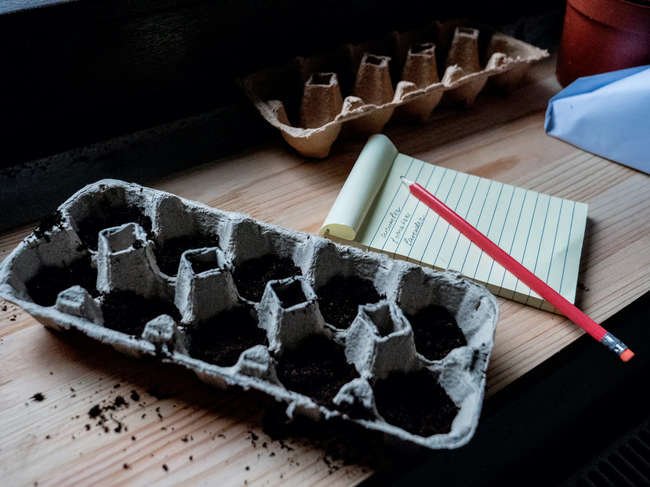
Starting seeds indoors feels wonderfully productive. You line up little trays, mist them like a devoted plant butler, switch on the grow lights, and imagine a summer garden so lush the neighbors slow down to stare. But here is the plot twist: some plants do not appreciate your indoor hospitality. In fact, starting them indoors can make them sulk, stall, bolt, twist, or produce roots that look like they tried to escape a maze.
The problem is not that these seeds are difficult. Many are actually easier than tomatoes, peppers, or eggplants. The issue is that certain vegetables, herbs, and flowers are built to grow where they are planted. They develop long taproots early, resent being moved, germinate quickly outdoors, or grow so fast that the indoor head start barely matters. For these plants, direct sowing is not lazy gardening. It is smart gardening.
If you want healthier seedlings, fewer transplant failures, and more room under your grow lights for crops that truly need pampering, here are 11 plants you should never start indoorsor at least should think twice about starting in seed trays.
Why Some Plants Hate Being Started Indoors
Indoor seed starting works beautifully for slow-growing, heat-loving crops like tomatoes, peppers, and eggplants. These plants need a long runway before warm outdoor weather arrives. But not every seed benefits from a head start. Some plants dislike transplanting because their roots are delicate, deep, or easily misdirected. Others mature so quickly that starting them indoors creates extra work without a better harvest.
The biggest issue is transplant shock. When you move a seedling from a tray to the garden, tiny roots can break. The plant then pauses growth while it recovers. In some crops, that pause means lower yields. In root vegetables, it can mean the edible root becomes forked, stunted, or oddly shaped. Funny in a cartoon, less funny in your dinner salad.
Another issue is timing. Cool-season crops such as peas and radishes often grow well outside long before warm-weather transplants are ready. Warm-season vines such as cucumbers and squash grow explosively once the soil warms. By the time a transplanted seedling recovers from being moved, a direct-sown seed may already be racing ahead like it found caffeine in the compost.
11 Plants You Should Never Start Indoors
1. Carrots
Carrots are the classic example of a crop that should be direct sown. The carrot you harvest is the taproot, and that taproot begins forming very early. If it bumps into the side of a seed tray, gets bent during transplanting, or is disturbed while being moved, the result can be a forked, twisted, or stubby carrot.
Direct sow carrot seeds in loose, stone-free soil as soon as the garden can be worked in spring. Because carrot seeds are tiny, mix them with sand or use seed tape for easier spacing. Keep the soil evenly moist until germination, which can take longer than impatient gardeners prefer. A light board or burlap covering can help retain moisture, but remove it as soon as seedlings appear.
Best outdoor strategy: Sow shallowly, thin carefully, and avoid heavy fresh manure, which can encourage hairy or split roots.
2. Radishes
Radishes are so fast that starting them indoors is almost comedy. Many spring varieties mature in about three to five weeks. By the time you fill trays, label them, water them, harden off the seedlings, and transplant them, the direct-sown radishes could already be crunching in a taco.
Like carrots, radishes are grown for their roots. Disturbing them can reduce quality, slow growth, or create misshapen bulbs. They prefer cool weather and can be planted in early spring and again in late summer for a fall harvest.
Best outdoor strategy: Sow small batches every 7 to 14 days during cool weather instead of planting one giant radish army that matures all at once.
3. Beets
Beets are a little more forgiving than carrots, but they still usually perform best from seed sown directly in the garden. Beet “seeds” are actually seed clusters, which means one seed can produce multiple seedlings. That is why thinning matters. Skip thinning and you may end up with crowded beet roots elbowing each other underground like commuters on a subway.
Transplanting beets can work for experienced gardeners, especially when seedlings are young and handled carefully. However, beginners usually get better results by direct sowing. Beets enjoy cool weather, loose soil, and consistent moisture.
Best outdoor strategy: Sow seeds about half an inch deep, thin seedlings when they are a few inches tall, and use the tender thinnings as baby greens.
4. Turnips
Turnips are another root crop that does not enjoy being relocated. The edible root needs uninterrupted development, and transplanting can stress the plant or interfere with root shape. Since turnips grow quickly and tolerate cool conditions, there is usually no reason to waste indoor space on them.
Gardeners can grow turnips in spring or fall. Fall turnips often taste sweeter because cool weather improves flavor and texture. They are also useful because both roots and greens are edible, making them a practical crop for small gardens.
Best outdoor strategy: Plant in loose soil, keep moisture steady, and harvest young for the most tender roots.
5. Beans
Beans look sturdy, but their roots are surprisingly touchy. Bush beans and pole beans usually dislike transplanting and can suffer from shock when moved from trays into the garden. Even if they survive, they may pause growth long enough to lose the supposed advantage of indoor starting.
Beans germinate quickly in warm soil, which makes direct sowing simple. The real trick is patience. Planting beans too early in cold, wet soil can lead to rotting seeds. Wait until the soil has warmed and all danger of frost has passed.
Best outdoor strategy: Sow beans directly after the weather settles, and provide a trellis for pole beans before they start climbing everything except the thing you intended.
6. Peas
Peas are cool-season champions. They can be planted outdoors early, often as soon as the soil can be worked. Because they do not like root disturbance, starting peas indoors is usually unnecessary and sometimes counterproductive.
Snap peas, snow peas, and shelling peas all benefit from being planted where they will grow. They appreciate cool soil more than beans do, but they still need a prepared bed with decent drainage. Give climbing varieties support early so vines can grab on before they become a floppy green tangle.
Best outdoor strategy: Direct sow in early spring and consider a second planting for fall if your climate allows.
7. Cucumbers
Cucumbers are often sold as transplants, and they can be started indoors if handled carefully. But they are still sensitive to root disturbance, and older cucumber seedlings can suffer badly after transplanting. In warm soil, direct-sown cucumber seeds germinate quickly and often catch up to stressed transplants.
Cucumbers like heat, moisture, and room to sprawl or climb. Direct sowing in small hills or mounds can help warm the soil and improve drainage. Trellising vining cucumbers saves space and keeps fruit cleaner.
Best outdoor strategy: Wait until soil is warm, sow several seeds per hill, then thin to the strongest plants.
8. Zucchini
Zucchini is the overachiever of the summer garden. One day you see a flower; the next day there is a squash the size of a submarine hiding under a leaf. Because zucchini grows so fast, starting it indoors rarely provides much benefit unless you have an extremely short growing season.
Like other squash plants, zucchini can develop sensitive roots that dislike being cramped or disturbed. If seedlings become rootbound indoors, they may struggle after transplanting. Direct sowing after frost danger has passed usually produces strong, vigorous plants.
Best outdoor strategy: Plant only as many zucchini plants as you truly need. Your porch, friends, and local community board will thank you.
9. Winter Squash and Pumpkins
Winter squash and pumpkins need a longer season than zucchini, so some gardeners are tempted to start them indoors. The catch is that their roots dislike disturbance, and large seedlings can become stressed when moved. If you do start them indoors in a short-season region, use biodegradable pots and transplant while seedlings are still young.
For many gardeners, direct sowing is still the easier path. Butternut, acorn, spaghetti squash, and pumpkins all prefer warm soil, full sun, and plenty of space. These vines are not shy. They will occupy the garden like they signed a lease.
Best outdoor strategy: Sow after the soil warms, give vines generous spacing, and mulch to conserve moisture.
10. Cilantro
Cilantro is delicious, useful, and dramatic. It grows quickly, develops a taproot, dislikes transplanting, and bolts when conditions get too hot. Starting it indoors often leads to disappointment because moving the plant can stress it, and stress can push it toward flowering faster.
Direct sow cilantro outdoors in cool weather. Instead of planting one big patch, sow small amounts every two to three weeks. This succession planting gives you a steady supply of fresh leaves before the plants decide they are done with your salsa plans and become coriander seed producers.
Best outdoor strategy: Plant in cool seasons, give afternoon shade in warmer climates, and succession sow for continuous harvests.
11. Dill
Dill belongs to the same plant family as carrots, and it shares the same basic complaint: “Please do not mess with my taproot.” Dill does not transplant easily and is usually happiest when sown directly where it will grow. It also germinates readily outdoors and can reseed itself if allowed to flower.
Dill is useful for pickles, fish, potatoes, salads, and pollinator-friendly gardens. It also attracts beneficial insects and can serve as a host plant for swallowtail butterfly caterpillars. If caterpillars appear, consider planting extra dill rather than treating them like tiny freeloaders. They are just future butterflies with an appetite.
Best outdoor strategy: Direct sow after frost danger has passed, plant in full sun, and sow again every few weeks for a longer harvest window.
How to Direct Sow These Plants Successfully
Prepare the Soil Before You Plant
Direct sowing does not mean tossing seeds onto hard dirt and hoping Mother Nature does the paperwork. Good seed-to-soil contact matters. Before planting, remove weeds, break up clumps, and loosen the top layer of soil. For root crops, prepare the soil deeper so developing roots do not hit rocks, compacted layers, or old roots.
Wait for the Right Soil Temperature
Timing is everything. Peas, radishes, beets, carrots, and turnips tolerate cool spring weather. Beans, cucumbers, zucchini, and squash need warm soil and frost-free conditions. Plant warm-season seeds too early and they may rot before they germinate. Plant cool-season crops too late and they may bolt, turn tough, or lose sweetness.
Keep Seeds Moist but Not Swampy
Seeds need consistent moisture to germinate. The key word is consistent, not soggy. A gentle watering wand, drip irrigation, or light mulch can help prevent the soil surface from crusting. Tiny seeds such as carrots are especially vulnerable to drying out before they sprout.
Thin Seedlings Without Guilt
Thinning feels harsh, but crowded seedlings compete for light, nutrients, and root space. Root crops especially need room to size up properly. If you leave every seedling because they all look cute, you may harvest a bundle of skinny roots and regret your soft heart.
Protect Young Seedlings
Direct-sown seedlings face weather, birds, insects, slugs, and the occasional mystery garden nibble. Floating row cover can protect young plants while still allowing light and water through. For cucumbers and squash, remove covers once flowers appear so pollinators can do their job.
When Indoor Starting Still Makes Sense
Gardening rules always come with exceptions. If you live in a region with a very short growing season, you may need to start some sensitive crops indoors even if they dislike transplanting. In that case, reduce stress by using large cells, soil blocks, or biodegradable pots. Transplant seedlings while they are young, before roots circle the container. Harden them off gradually so outdoor sun and wind do not shock them.
For cucumbers, squash, pumpkins, and sunflowers, a short indoor start can work if you move fast. The mistake is treating them like tomatoes and keeping them inside for six to eight weeks. These plants do not want a long childhood under grow lights. They want a brief nursery stay and then the freedom of open soil.
Common Mistakes to Avoid
Starting everything indoors: Not every seed needs a tray. Save indoor space for crops that truly benefit from it.
Ignoring the seed packet: Seed packets usually include planting depth, spacing, and timing. That tiny envelope is basically a plant’s user manual.
Planting warm-season seeds too early: Beans, cucumbers, and squash dislike cold soil. Wait for warmth.
Skipping thinning: Crowded root crops produce disappointing roots. Thin early and properly.
Transplanting oversized seedlings: If you must start sensitive crops indoors, transplant them young before they become rootbound.
Experience Notes: What Gardeners Learn the Hard Way
Every gardener eventually has a “why did I do that?” season. Mine involved carrots started in a tray because, at the time, it seemed delightfully organized. The seedlings looked fine indoors: tiny, green, innocent. Then I transplanted them with great care, watered them like royalty, and waited. At harvest, the carrots emerged looking less like vegetables and more like orange interpretive dance. Some had two legs. Some had three. One looked personally offended.
That is the moment direct sowing starts to make sense. Plants with taproots are not being difficult for entertainment. Their entire edible structure depends on that first root growing straight down without interruption. Once you disturb it, you cannot politely ask it to become a perfect carrot again.
Radishes teach a different lesson. Gardeners who start radishes indoors often discover that the outdoor seeds finish first. Radishes are the fast-food window of the vegetable garden. They want cool soil, quick growth, and no fuss. When direct sown in short rows every couple of weeks, they provide a steady harvest with almost no drama. When babied indoors, they become extra work with no bonus prize.
Beans and peas are another practical teacher. Their seedlings may look strong, but the roots do not appreciate being handled. A direct-sown bean in warm soil often germinates, stands up, and starts growing with confidence. A transplanted bean may pause as if reconsidering its life choices. The same goes for peas, which already enjoy early outdoor conditions and do not need a windowsill vacation.
Cucumbers and squash are trickier because gardeners in colder areas sometimes do need a head start. The lesson is moderation. A young cucumber seedling with one or two true leaves may transplant acceptably if handled gently. A large, tangled, rootbound cucumber seedling is basically a garden diva in crisis. It may survive, but the direct-sown seeds planted nearby can still catch up once the weather warms.
Herbs like cilantro and dill teach patience and succession. Cilantro especially has a reputation for bolting, but often the problem is not the gardener’s character; it is timing. Plant it in cool weather, sow small batches repeatedly, and accept that some plants will flower. Dill behaves similarly but adds the bonus of attracting beneficial insects. Once you let a little dill flower and seed, you may find volunteer plants the next season. That is not a weed problem; that is the garden sending you a thank-you note.
The biggest experience-based takeaway is this: indoor seed starting should be strategic, not automatic. Grow lights are valuable real estate. Use them for tomatoes, peppers, eggplants, and long-season flowers that need help. Let carrots, radishes, peas, beans, dill, cilantro, and many squash-family crops begin life outdoors when conditions are right. You will save time, reduce stress, and avoid raising seedlings that resent your kindness.
Note: Planting dates vary by region, microclimate, and yearly weather. Always check your local last frost date, soil temperature, and seed packet instructions before direct sowing.
Conclusion
Starting seeds indoors is a wonderful gardening skill, but it is not the best choice for every plant. Some crops grow stronger, faster, and cleaner when planted directly in the garden. Carrots, radishes, beets, turnips, beans, peas, cucumbers, zucchini, winter squash, cilantro, and dill are all excellent examples of plants that often prefer outdoor sowing.
The reason is simple: roots matter. Taproots want to grow straight. fast-growing crops do not need extra fuss, and sensitive seedlings can lose momentum after transplanting. By direct sowing the right seeds at the right time, you can reduce work, avoid transplant shock, and give each plant the conditions it actually wants.
So before you fill every tray this spring, pause and read the seed packet. Some plants want a cozy indoor nursery. Others want the garden bed, the real sun, and the freedom to grow without being moved. Give them that, and they will reward you with better roots, stronger vines, fresher herbs, and fewer vegetables that look like they were assembled during a power outage.