Note: This article is formatted as body-only HTML for easy web publishing and copying.
Shiitake mushrooms are what happen when a vegetable decides it wants main-character energy. They are earthy, savory, a little smoky, and packed with that deep umami flavor that makes simple food taste suspiciously expensive. Toss them into a hot pan, slide them into the oven, or let them simmer in a glossy sauce, and suddenly dinner feels like it got its life together.
If you have ever bought a package of shiitakes and then stared at it like it was a culinary riddle, you are not alone. Their caps are beautiful, their stems are famously tough, and their flavor is far bolder than the average button mushroom. The good news is that shiitake mushrooms are easy to cook once you know the basic moves.
In this guide, you will learn three simple ways to cook shiitake mushrooms: sautéing, roasting, and braising. Along the way, we will cover how to prep them, how to avoid soggy mushroom sadness, and how to make the most of both fresh and dried shiitakes. Whether you want a quick weeknight side dish, a savory topping for rice bowls, or a mushroom dish that tastes restaurant-worthy without the restaurant bill, this guide has you covered.
Why Shiitake Mushrooms Are Worth Cooking
Shiitake mushrooms have a meaty texture and a rich, woodsy flavor that stands up well to heat. Unlike milder mushrooms that can disappear into a dish, shiitakes show up with opinions. They work beautifully in stir-fries, pasta, noodle bowls, soups, grain dishes, and roasted vegetable mixes.
Fresh shiitakes are great when you want a tender bite with lightly crisp edges. Dried shiitakes are even more intense in flavor and shine in braised dishes, soups, and sauces. Their soaking liquid is liquid gold for broths and pan sauces, so never toss it unless it looks gritty.
Before You Start: How to Prep Shiitake Mushrooms
1. Clean them gently
Give shiitakes a quick rinse under running water or wipe them with a damp paper towel, then dry them well. Do not soak fresh mushrooms for long periods. Mushrooms are like tiny flavor sponges, and while that sounds charming in theory, it can lead to watery results in the pan.
2. Remove the stems
The caps are the star. The stems on mature shiitake mushrooms are usually too fibrous and chewy for most dishes, so trim or twist them off. You can save the stems for stock if you want to squeeze every bit of value from your grocery run.
3. Slice or leave whole depending on the method
For sautéing, slice the caps into strips or halves. For roasting, you can leave small caps whole or halve large ones. For braising, sliced or halved mushrooms work well because they absorb flavor while still holding their shape.
4. Know the difference between fresh and dried
Dried shiitake mushrooms need to be rehydrated before cooking. Cover them with hot or boiling water and let them soak until softened, usually around 20 to 45 minutes depending on size. Squeeze out excess liquid, remove the stems, and strain the soaking liquid if you plan to use it in the dish.
Way #1: Sauté Shiitake Mushrooms for Fast, Golden-Brown Flavor
If you want the quickest path to delicious shiitake mushrooms, sautéing is it. This method is ideal for weeknights, lazy lunches, and those moments when your fridge is giving “ingredients” but not yet “meal.” A hot skillet turns shiitakes tender, browned, and intensely savory.
Best for
Rice bowls, eggs, pasta, toast, steak toppings, noodle dishes, and easy side dishes.
How to do it
Heat a large skillet over medium-high to high heat. Add a thin layer of oil, then add the shiitake caps in a single layer if possible. Do not crowd the pan. If the mushrooms pile up on each other, they will steam instead of brown, and nobody dreams of steamed mushroom mediocrity.
Let the mushrooms cook until they begin releasing moisture. Stir occasionally, then continue cooking until that liquid cooks off and the mushrooms turn golden around the edges. At that point, add butter, garlic, shallot, or herbs if you want more flavor. Season with salt and pepper near the end, and finish with a splash of soy sauce, vinegar, lemon juice, or a tiny drizzle of sesame oil depending on the mood of the dish.
Simple sautéed shiitake idea
Cook sliced shiitakes in olive oil until browned. Add a little butter, minced garlic, thyme, salt, and black pepper. Finish with a splash of soy sauce and a squeeze of lemon. Spoon them over toast with a fried egg and try not to feel smug about how fancy your lunch looks.
Tips for better sautéed shiitakes
Use a wide pan. Let moisture evaporate before adding too many extra ingredients. Wait for real browning before stirring nonstop. Shiitakes reward patience. The difference between “fine” and “wow” is often just a few more minutes in the pan.
Way #2: Roast Shiitake Mushrooms for Deep Flavor and Crispy Edges
Roasting is the best choice when you want hands-off cooking and bigger batches. Oven heat concentrates the mushrooms’ flavor and creates caramelized edges that are wildly snackable. This method is especially good when you want mushrooms with structure, not just softness.
Best for
Sheet-pan dinners, grain bowls, salads, pasta, holiday sides, mushroom tacos, and crispy mushroom toppings.
How to do it
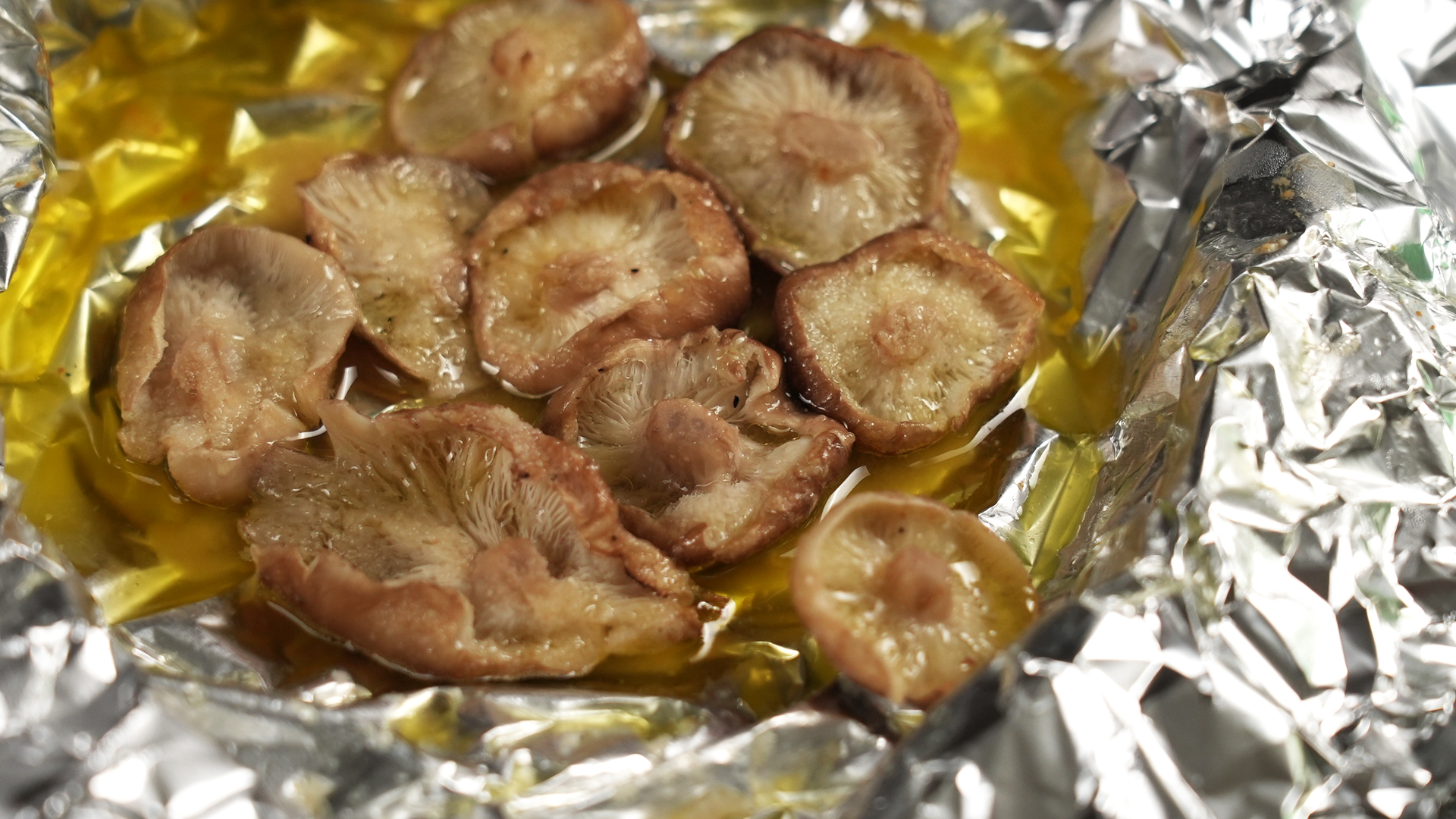
Heat your oven to about 400 degrees Fahrenheit. Toss the shiitake caps with olive oil, salt, pepper, and optional herbs like thyme or rosemary. Spread them on a rimmed baking sheet in a single layer. Give them space. Mushrooms need breathing room too.
Roast until they start to release liquid and shrink, then continue roasting until browned and slightly crisp around the edges. Depending on your oven, the size of the mushrooms, and how thickly they are cut, this usually takes around 25 to 40 minutes. Turn them once partway through for more even browning.
If your pan collects a lot of mushroom liquid, you can carefully drain it off midway through roasting. This helps the mushrooms roast rather than stew. Bonus: that liquid can be added to soups, pan sauces, rice, or a savory vinaigrette.
Simple roasted shiitake idea
Toss shiitake caps with olive oil, kosher salt, cracked black pepper, and a pinch of garlic powder. Roast until browned and crisp-edged. Finish with chopped parsley and serve with roasted chicken, soft polenta, or a bowl of garlicky noodles.
When roasting really shines
Roasting is especially useful for meal prep. Make a tray on Sunday, store the mushrooms in the fridge, and add them to omelets, wraps, rice bowls, grain salads, and soups through the week. They reheat well, and they also taste great at room temperature, which is handy when lunch happens in a rush.
Way #3: Braise Shiitake Mushrooms for Silky, Savory Richness
If sautéing is fast and roasting is bold, braising is the cozy option. This method uses a flavorful liquid to gently soften and season the mushrooms. It is especially good for dried shiitakes, which become deeply savory after soaking and simmering.
Best for
Rice, noodles, tofu dishes, soups, stews, Asian-inspired sides, and saucy spoonable dishes.
How to do it
Start by rehydrating dried shiitake mushrooms in hot water until soft, or use fresh shiitake caps if you prefer. In a saucepan or deep skillet, combine mushrooms with a flavorful liquid such as stock, soy sauce, a little sugar or honey, garlic, ginger, scallions, or sesame oil. Bring everything to a gentle simmer, cover partially or fully depending on how much sauce you want, and cook until the mushrooms are tender and infused with flavor.
Some braised shiitake dishes cook down until the liquid becomes a glaze. Others leave more broth in the pan for spooning over rice or noodles. Both are excellent. One is a little more dramatic. Choose your fighter.
Simple braised shiitake idea
Simmer rehydrated shiitakes in a mixture of mushroom soaking liquid, low-sodium soy sauce, garlic, ginger, and a small spoonful of brown sugar. Cook until the mushrooms are soft and the liquid reduces into a glossy sauce. Top with sesame seeds and sliced scallions, then serve over steamed rice with bok choy or tofu.
Why braising is so good
Braising lets shiitakes absorb flavor all the way through. It also makes dried shiitakes feel less like a pantry backup and more like the smartest thing in your kitchen. This is the method to use when you want maximum umami with minimum fuss.
Fresh vs. Dried Shiitake Mushrooms
Both are useful, but they behave differently.
Fresh shiitakes
Fresh shiitakes are easier for quick cooking. They sauté beautifully, roast well, and have a tender but substantial bite. Use them when you want cleaner, lighter mushroom flavor and a faster prep time.
Dried shiitakes
Dried shiitakes have a more concentrated taste and work especially well in broths, braises, soups, noodle dishes, and rice. They take longer because of the soaking step, but the payoff is huge. The soaking liquid adds another layer of savory depth, as long as you strain out any grit before using it.
Common Mistakes to Avoid
Crowding the pan
This is the fastest route to pale, soggy mushrooms. Give them room, or cook in batches.
Using wet mushrooms
After rinsing, dry them well. Excess surface water slows browning and can make the texture less appealing.
Forgetting to remove tough stems
Shiitake stems are usually too woody for everyday cooking. Save them for stock instead.
Underseasoning
Shiitakes have strong flavor, but they still need salt and a little contrast. Acid, herbs, soy sauce, butter, garlic, and pepper all help them shine.
Stopping too early
Mushrooms often look done before they taste done. Let them release moisture and then continue cooking until browned or richly glazed.
What to Serve with Shiitake Mushrooms
Shiitakes are wildly flexible. Pair them with rice, ramen, udon, soba, risotto, creamy polenta, scrambled eggs, toast, steak, salmon, roast chicken, tofu, bok choy, spinach, cabbage, green beans, or pasta. They play especially well with garlic, ginger, soy sauce, thyme, rosemary, scallions, miso, sesame, butter, vinegar, and lemon.
If you want an easy formula, think of shiitakes as a savory bridge between vegetables and protein. They can bulk up a vegetarian dish or make a meat-based dinner taste more layered and complete.
Final Thoughts on the Best Way to Cook Shiitake Mushrooms
The best way to cook shiitake mushrooms depends on what you want from them. Sautéing is fastest and perfect for everyday meals. Roasting gives you concentrated flavor and crisp edges. Braising creates deep, silky umami and works especially well with dried shiitakes.
If you are new to cooking shiitake mushrooms, start with the sauté method. It is forgiving, fast, and delicious. Once you get comfortable, try roasting for batch cooking or braising when you want a richer dish. However you cook them, give them enough heat, enough space, and enough time to become truly flavorful. Shiitakes are not difficult. They are just dramatic in a very rewarding way.
Kitchen Experiences: What 3 Ways of Cooking Shiitake Mushrooms Teach You
The funny thing about shiitake mushrooms is that they can make you feel like a kitchen genius and a kitchen rookie in the same week. The first time I cooked them, I treated them like ordinary mushrooms, tossed too many into a skillet, and waited for magic. What I got was a damp, gray pile that looked less like dinner and more like a life lesson. Shiitakes are generous, but they do have standards.
Once I learned to give them room in the pan, everything changed. Sautéed shiitakes became my weeknight favorite because they go from fridge to plate fast. There is something deeply satisfying about hearing them hit a hot skillet, watching them soften, then seeing those golden edges appear as the moisture cooks away. Add a little butter and garlic at the end and suddenly your kitchen smells like a place where people use phrases such as “finished with herbs.” It is one of the easiest ways to make a basic meal feel upgraded without actually doing very much.
Roasting taught me patience. When shiitakes go into the oven, they look almost too simple to be worth the trouble. Then, somewhere between “still fine” and “why do these smell incredible,” they transform. The edges turn chewy-crisp, the centers become meaty, and the whole pan tastes deeper and nuttier than it did going in. Roasted shiitakes are the kind of ingredient that makes leftovers disappear because everyone keeps “just trying one more.” They are also a great reminder that hands-off cooking can still produce big flavor.
Braising was the method that made me appreciate dried shiitake mushrooms. Before that, they felt like one of those pantry items that sound useful in theory and then sit untouched until the expiration date starts judging you. But once I soaked them, saved the soaking liquid, and simmered them with soy sauce, ginger, and a little sweetness, I understood the hype. Braised shiitakes have that deep, savory quality that makes rice taste like a full meal instead of a side. They feel comforting, especially on cooler nights, and they bring a restaurant-style richness without requiring anything too technical.
The biggest practical lesson from cooking shiitake mushrooms in these three ways is that texture matters as much as flavor. Sautéing gives you speed and browning. Roasting gives you concentration and crisp edges. Braising gives you tenderness and depth. None of the methods is difficult, but each teaches you to notice a different part of cooking: heat, moisture, timing, and restraint.
And maybe that is why shiitakes are so satisfying to cook. They are not flashy ingredients in the usual sense, yet they respond dramatically to technique. Give them space and they brown beautifully. Give them time and they turn savory and rich. Give them a good sauce and they absorb it like they were born for the job. That is a nice thing to remember in the kitchen: a simple ingredient can do a lot when handled well. Also, mushrooms are proof that dinner does not need to be complicated to be interesting. Sometimes it just needs a hot pan, a little salt, and the good sense not to overcrowd anything.