Kidney stones are tiny, rude, and wildly overconfident. Something the size of a pea can bring a full-grown adult to a dramatic standstill in the hallway, clutching their side and bargaining with the universe. If you’ve landed here looking for ways to dissolve kidney stones, the first thing to know is this: the phrase sounds simple, but the medical reality is more complicated.
Only certain kidney stones, especially uric acid stones, can actually be dissolved with medication. The most common stones, such as calcium oxalate stones, usually do not “melt away” on command. Instead, they may pass on their own, need help moving through the urinary tract, or require a procedure to break them up or remove them.
That doesn’t mean you’re out of luck. It just means the smart approach is not guessing. It’s knowing what kind of stone you have and choosing the right strategy. In this guide, we’ll cover the three most realistic and medically grounded ways people tackle kidney stones when they want them gone: dissolving the right kind of stone with medication, helping small stones pass more easily, and using procedures when the stone is too stubborn to cooperate. Along the way, we’ll also talk about what does not work, when symptoms become urgent, and how to lower your odds of another stone trying to ruin your weekend.
Before Anything Else: Know What Kind of Stone You Have
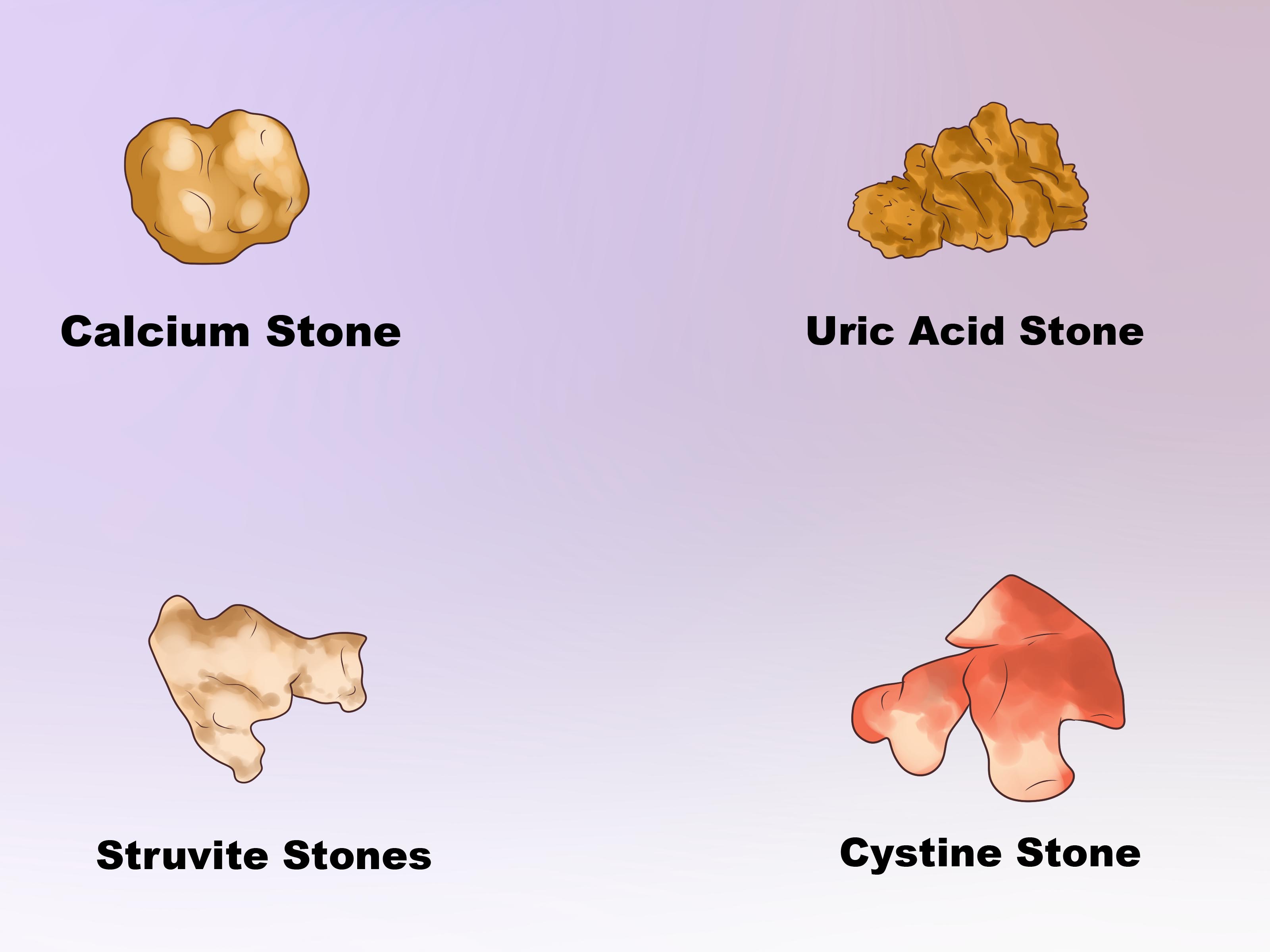
Not all kidney stones are built the same. That matters because treatment depends heavily on stone type. The major categories include calcium stones, uric acid stones, struvite stones, and cystine stones. Calcium stones are the most common, while uric acid stones are the ones most closely tied to true medical dissolution.
This is why doctors often recommend a combination of urinalysis, blood testing, and imaging. If you pass a stone, your clinician may also want it analyzed in a lab. That’s not medical busywork. It’s detective work. A stone analysis can reveal whether your problem is high urinary calcium, very acidic urine, recurrent infection, excess uric acid, or a rarer inherited issue.
Translation: if you’re trying to “dissolve” a calcium stone with internet folklore and lemon water alone, you may be fighting the wrong villain with the wrong superhero.
Way #1: Dissolve Uric Acid Stones by Alkalinizing the Urine
How this method works
If your stone is made of uric acid, there is good news: this is the stone type most likely to respond to medications that make your urine less acidic. Doctors call this urinary alkalinization. In plain English, the goal is to raise urine pH so uric acid becomes more soluble and the stone can shrink or dissolve over time.
This is the closest thing medicine has to a true “stone-dissolving” approach. It is also the reason many public-health and urology sources make a sharp distinction between uric acid stones and everything else. If your urine stays too acidic, uric acid crystals are more likely to form, clump together, and grow into stones. Raise the urine pH to a healthier target, and those crystals become more likely to break down instead of piling up like tiny, painful gravel.
What doctors usually prescribe
The standard medication is often potassium citrate. This prescription drug helps alkalinize the urine. In some cases, clinicians may also consider other alkalinizing agents. If high uric acid levels are part of the picture, a doctor may add allopurinol, especially when diet changes are not enough. Still, allopurinol is not usually the first move for uric acid stones. The front-line strategy is usually correcting the acidic urine itself.
That’s an important nuance. People often assume a uric acid stone means they simply need a uric-acid-lowering medication. Sometimes that helps, but the bigger problem is often the urine pH. A stone doesn’t care what you thought the headline meant; it cares about chemistry.
What else helps this approach work better
Medication works best when it is paired with high fluid intake. The more diluted the urine, the less likely stone-forming material is to stay concentrated. Many clinicians advise enough fluid to produce at least about 2 to 2.5 liters of urine a day, though personal targets vary.
Diet matters too. Uric acid stones are often linked to high intake of purine-rich animal foods, very acidic urine, dehydration, obesity, diabetes, or metabolic syndrome. That means your doctor may recommend reducing organ meats, moderating red meat and shellfish, losing excess weight if needed, and building meals around more fruits, vegetables, and balanced hydration habits.
The bottom line: if you truly want to dissolve a kidney stone, this is the main path that can honestly deserve that word.
Way #2: Help Small Stones Pass Faster and With Less Drama
This is not the same as dissolving, but it matters
Here’s where the internet gets slippery. Many articles use “dissolve” when they really mean “help the stone move out of the body.” For most small kidney stones, especially those already moving through the ureter, treatment is often about passing the stone safely rather than chemically erasing it.
If the stone is small enough and not causing infection, kidney damage, or severe obstruction, doctors may recommend conservative treatment. That usually means some combination of fluids, pain control, close follow-up, and sometimes a medication called an alpha blocker, such as tamsulosin, to relax the ureter and help the stone pass more easily.
No, this does not mean the stone suddenly turns into mist and floats away like a magician’s finale. It means the pathway gets a little less tight, the trip may be shorter, and your bathroom may become the setting for a personal victory story you never asked for.
What hydration can and cannot do
Hydration is essential, but it is not a miracle button. Drinking more water helps dilute urine and may support passage of smaller stones. It also plays a major role in preventing new stones from forming. What it does not do is reliably dissolve most established calcium stones that are already sitting there like little mineral bullies.
Some citrus beverages may help because citrate can reduce stone formation, and that matters a lot for prevention. But prevention is not the same thing as emergency rescue. Lemon water can be a useful habit. It is not a laser beam.
When this strategy makes sense
This approach is often used when:
- the stone appears small,
- pain is manageable,
- there is no fever or sign of infection,
- kidney function is stable, and
- your doctor feels watchful waiting is safe.
In those cases, the realistic goal is not “dissolve the stone instantly.” The goal is to help your body finish the job while keeping you safe and reasonably comfortable.
Way #3: Break Up or Remove Stones That Will Not Dissolve
Sometimes the most effective way to “get rid of” a kidney stone is not dissolution at all. It is a procedure. That’s especially true for larger stones, stones causing persistent blockage, stones tied to infection, or stones that simply refuse to pass despite everyone’s best efforts.
Shock wave lithotripsy
Shock wave lithotripsy uses focused sound waves to break a stone into smaller pieces so those pieces can pass more easily. It is noninvasive compared with surgery and can work well for selected stones. Think of it as persuading the stone to stop acting like one giant problem and become several smaller, more manageable problems. Not ideal, but still progress.
Ureteroscopy
With ureteroscopy, a urologist passes a thin scope through the urinary tract to locate the stone and either remove it or break it apart. This is commonly used for stones lodged in the ureter or kidney, depending on the situation. It sounds high-tech because it is. It also sounds more appealing than waiting for a jagged stone to make all the decisions.
Percutaneous nephrolithotomy
For large or complex stones, percutaneous nephrolithotomy, often shortened to PCNL, may be the best option. This is usually reserved for bigger stone burdens or stones in difficult locations. It is more invasive than other approaches, but it can be highly effective when the stone is too large to ignore and too stubborn to negotiate with.
This third path matters because many people search for “how to dissolve kidney stones” when what they really need is the fastest, safest route to being done with them. In those cases, a procedure may beat wishful thinking by a mile.
What Usually Will Not Dissolve Kidney Stones
Let’s save you some time, money, and disappointment. Most kidney stones are not reliably dissolved by apple cider vinegar, detox teas, herbal cleanses, random supplements, or social-media “flushes.” Some home measures may support hydration, and some dietary changes truly help prevent recurrence, but that is not the same as making an existing stone disappear.
There is also a risk in relying on unproven remedies for too long. A stone that causes blockage, infection, or ongoing vomiting is not a personality test. It is a medical problem. The longer it sits there causing trouble, the greater the chance of complications.
If you want a smarter rule of thumb, use this one: believe the boring advice before the flashy advice. Water, urine testing, stone analysis, clinician-guided medication, and indicated procedures are not glamorous. They are just more likely to work.
How to Prevent the Next Stone From Forming
Nothing inspires lifestyle reflection quite like surviving a kidney stone. Suddenly, that water bottle looks less like a trendy accessory and more like protective equipment.
Prevention usually includes:
- Drinking more fluids throughout the day.
- Lowering sodium intake, since high sodium can raise stone risk.
- Moderating animal protein, especially for people prone to uric acid stones or certain calcium stones.
- Getting enough calcium from food, rather than cutting calcium too aggressively.
- Reviewing oxalate intake if you form calcium oxalate stones.
- Completing a 24-hour urine test if your clinician recommends it.
- Using targeted medications when you have recurrent stones or specific metabolic risk factors.
This is one of the most misunderstood parts of kidney stone prevention. Many people think that because a stone contains calcium, they should slash calcium from their diet. In reality, normal calcium intake from food can be protective in some stone formers because it helps bind certain substances in the digestive tract before they ever reach the kidneys.
In other words, prevention is not a punishment diet. It is a matching game: the right diet for the right stone type.
When to Call a Doctor Right Away
Some kidney stone symptoms need urgent attention. Seek prompt medical care if you have:
- pain so severe you cannot get comfortable,
- pain with fever or chills,
- persistent vomiting,
- blood in the urine,
- difficulty passing urine, or
- signs that the stone may be causing obstruction or infection.
A kidney stone plus infection is not something to “sleep off.” It needs evaluation, and sometimes fast treatment. The stone may be small, but the problem can become big in a hurry.
Experiences People Commonly Have With Kidney Stones
People who have dealt with kidney stones often describe the experience in strikingly similar ways, even when their stone types and treatments are different. The first stage is often confusion. A person may think they strained a back muscle, ate something strange, or slept in a terrible position. Then the pain changes character. It comes in waves, builds fast, and seems to radiate from the side or back into the lower abdomen or groin. Many people say the pain is so sharp and restless that sitting still feels impossible. They pace. They curl up. They stand, then sit, then stand again, like they’re auditioning for the world’s least enjoyable dance routine.
Another common part of the experience is surprise at how “small” the problem sounds compared with how huge it feels. Friends hear “kidney stone” and picture a pebble. The person having it feels like they swallowed a cactus. Nausea is common. Some people vomit. Others notice blood in the urine and feel understandably alarmed. Even after the worst pain passes, there is often lingering anxiety: Is the stone still there? Is it moving? Is this wave number two?
People who are told they have a uric acid stone sometimes feel a strange mix of relief and annoyance. Relief, because there may be a real chance of dissolving it with medication and hydration. Annoyance, because they suddenly have to learn about urine pH, citrate, purines, and why their dinner habits are now part of an unwanted science project. Still, many say that once they understand the chemistry, treatment feels more manageable. There is something comforting about a plan that sounds specific rather than mystical.
Those who pass a small stone at home often describe a weird emotional whiplash. One day they are miserable, exhausted, and drinking water like it’s their new full-time job. Then, suddenly, the pain drops off. Sometimes they actually see the stone in a strainer and feel triumphant, disgusted, and fascinated all at once. It is not exactly the kind of trophy anyone wants, but it is proof that the ordeal was real.
People who need a procedure usually say the emotional experience is different. Instead of waiting and wondering, they feel a sense of decision. There is fear, of course, because words like lithotripsy and ureteroscopy are not exactly spa vocabulary. But there is also relief in knowing that the plan is active and that the stone will not be left in charge forever. Many later say the anticipation was worse than the procedure itself.
Long term, the experience often changes daily habits. Former stone sufferers become serious about hydration. They read nutrition labels for sodium. They ask more questions at appointments. Many say the biggest lesson is not just that kidney stones hurt, but that preventing the next one feels far easier than repeating the first one.
Conclusion
If you’re searching for the best ways to dissolve kidney stones, the smartest answer is also the most honest one. True dissolution is mostly limited to uric acid stones, usually through urine alkalinization with medications such as potassium citrate and a strong hydration routine. For many other stones, the goal is not chemical dissolution but safe passage, symptom control, or removal through a medical procedure.
So the three practical ways to deal with kidney stones are clear: dissolve the stones that can be dissolved, help small stones pass when it’s safe, and break up or remove the ones that won’t cooperate. It may not be the magical answer the internet promises, but it is the answer most likely to get you from pain to progress.
And if there’s one final lesson worth keeping, it’s this: with kidney stones, being accurate beats being dramatic. Your kidneys have had enough drama already.