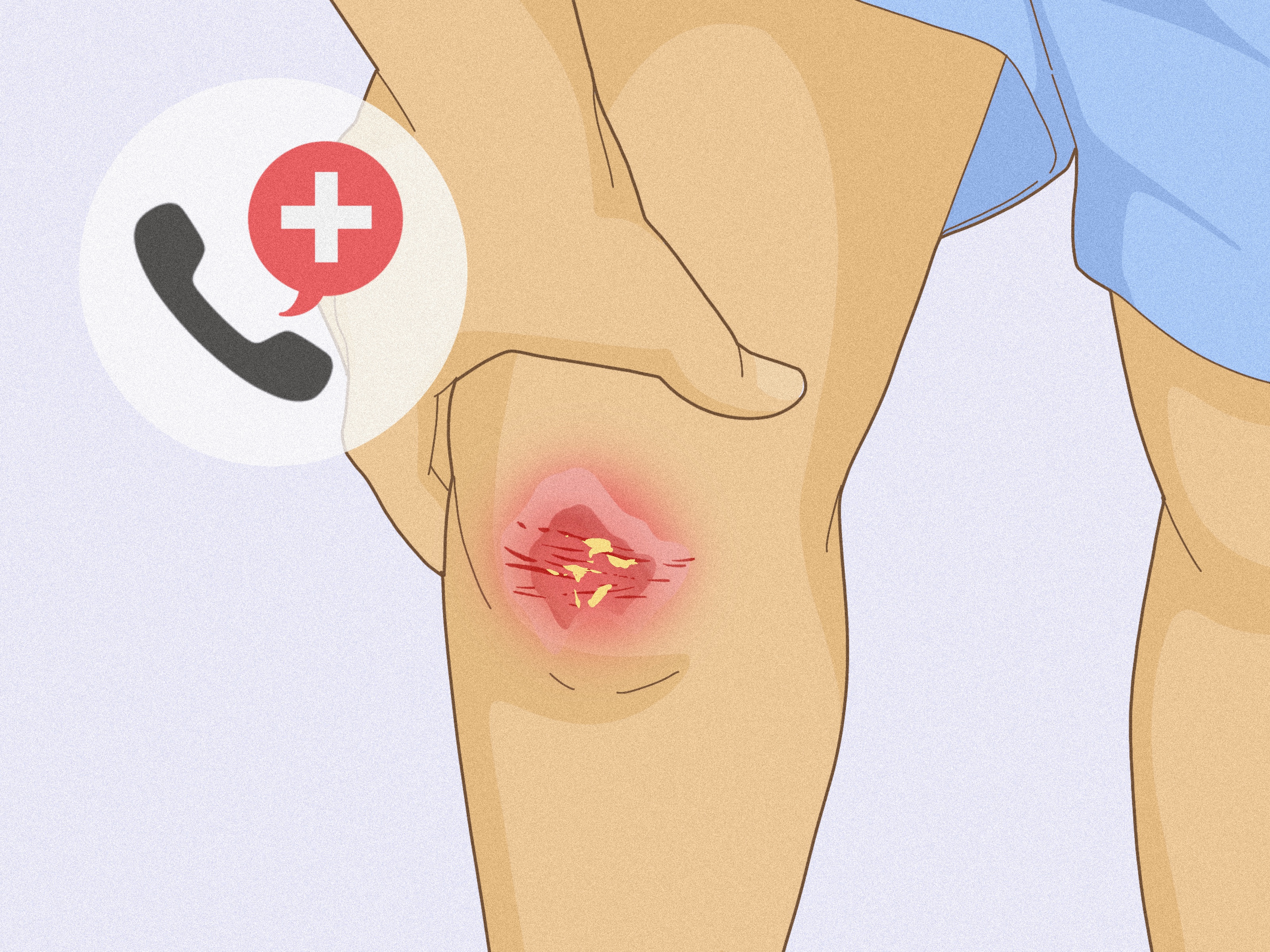
A skinned knee is one of life’s classic “oops” moments. One second you are walking, running, biking, skating, or proudly proving that you can still beat a child in a driveway race; the next second, your knee has made an extremely dramatic friendship with the sidewalk. The good news? Most skinned knees are minor abrasions, meaning the top layers of skin have been scraped. With calm, clean first aid and a little patience, they usually heal well at home.
Still, a skinned knee deserves more than a quick rinse, a heroic grimace, and a random bandage found at the bottom of a backpack. Proper wound care can lower the chance of infection, reduce irritation, support faster healing, and help the new skin come in smoothly. The goal is simple: clean it, protect it, and let your body do its impressive repair work without turning the wound into a tiny science experiment.
This guide explains 3 ways to heal a skinned knee using practical, evidence-based first-aid habits. It is written for everyday scrapes, not deep wounds, major injuries, animal bites, or injuries that will not stop bleeding. When in doubt, let a healthcare professional take a look. Knees are useful; they deserve decent customer service.
Way 1: Clean the Skinned Knee Carefully
The first and most important step in healing a skinned knee is cleaning it well. Dirt, tiny bits of gravel, and bacteria can get into an abrasion, especially when the injury happens on pavement, grass, playground surfaces, or sports courts. Cleaning may not be glamorous, but it is the part that keeps a small scrape from becoming a bigger problem.
Wash your hands first
Before touching the scrape, wash your hands with soap and water. If soap and water are not available, use hand sanitizer and wait for it to dry. This simple step helps prevent germs from your fingers from moving into the wound. It may feel obvious, but in the chaos of a crying kid, a limping adult, or a soccer game that suddenly became a medical drama, handwashing is easy to forget.
Stop minor bleeding with gentle pressure
Most skinned knees bleed only a little and stop on their own. If the scrape is bleeding, place clean gauze or a clean cloth over it and apply steady, gentle pressure. Avoid constantly lifting the cloth to “check,” because that can disturb clotting and restart bleeding. If blood soaks through, add another clean layer on top instead of peeling the first one away.
If bleeding does not slow after several minutes of firm pressure, or if the wound looks deep, wide, or difficult to clean, get medical help. A typical skinned knee should look like a surface scrape, not a wound that seems to need stitches or professional cleaning.
Rinse with clean running water
Hold the skinned knee under clean running water. Cool or lukewarm water is best. Running water helps flush out dirt and debris without being too harsh. If you are not near a sink, pour clean bottled water over the scrape until you can properly wash it.
Use mild soap around the wound, not aggressively inside it. Soap can irritate raw skin, so think “clean the neighborhood,” not “scrub the crime scene.” If small dirt particles remain, use clean tweezers that have been wiped with alcohol. If gravel, glass, or debris is stuck and will not come out easily, stop and seek medical care.
Avoid hydrogen peroxide and iodine
Many people grew up believing that a wound was not truly clean unless it fizzed, burned, and made everyone in the room wince. Modern wound-care advice is kinder. Hydrogen peroxide and iodine can irritate healthy skin cells that are trying to repair the wound. For a routine skinned knee, clean water, mild soap around the area, and gentle care are usually better choices.
Pat dry gently
After rinsing, pat the area dry with clean gauze or a clean towel. Do not rub. A fresh abrasion is already irritated, and rubbing it is like telling your knee, “Great performance, now do it again.” Once it is clean and dry around the edges, you can move to the next step: keeping it moist and protected.
Way 2: Keep the Scrape Moist and Covered
One of the biggest myths about a skinned knee is that it should “air out” until a thick scab forms. A little air is not magic. In many minor wounds, a moist, protected environment supports better healing because new skin cells can move across the wound surface more easily. A dry, cracked scab can slow healing, itch, split open, and invite unnecessary drama every time your knee bends.
Apply a thin layer of petroleum jelly
After cleaning the wound, apply a thin layer of petroleum jelly. This helps prevent the scrape from drying out and sticking to the bandage. You do not need a giant frosting layer. Your knee is healing, not auditioning for a cupcake commercial. A light coating is enough.
Some people use over-the-counter antibiotic ointment. It may be helpful in certain cases, but it is not always necessary for a clean minor scrape, and some people develop skin irritation or allergic reactions from topical antibiotics. Petroleum jelly is a simple option for keeping the wound moist. If a doctor has given you specific instructions, follow those instead.
Cover with a sterile bandage or nonstick dressing
Cover the skinned knee with a sterile adhesive bandage, nonstick pad, or clean gauze secured with medical tape. The best dressing is one that protects the scrape from dirt and friction without sticking to the raw surface. Knees move a lot, so choose a bandage flexible enough to bend with the joint.
For larger scrapes, a nonstick dressing can be more comfortable than a small adhesive bandage. For kids, a fun bandage can work wonders. The cartoon dinosaur does not have medical training, but it does provide emotional support.
Change the bandage daily
Change the bandage at least once a day, and sooner if it becomes wet, dirty, sweaty, or loose. Each time you change it, wash your hands, gently clean the area if needed, apply a fresh thin layer of petroleum jelly, and cover it again.
Try not to rip off a stuck bandage. If the dressing sticks, dampen it with clean water or saline and ease it away slowly. Pulling too fast can reopen the scrape and make the healing process start over. Your knee has already filed one complaint; do not give it paperwork.
Protect it from friction
Knees are high-traffic body parts. Pants, sports pads, bedding, and curious fingers can rub against the scrape. Keep the wound covered during the day, especially if you are going outside, playing sports, wearing jeans, or doing anything that could make the area dirty. At home, if the wound is clean, lightly covered, and not at risk of rubbing, you can keep care simple. The key is protection, not overcomplication.
Way 3: Support Healing and Watch for Warning Signs
Once a skinned knee is clean, moist, and covered, your body does the heavy lifting. Skin repair is a surprisingly organized process. New cells form, inflammation settles down, and the surface gradually closes. Your job is to support the process and notice if something seems off.
Keep the area clean while it heals
Continue daily wound care until the surface has closed and new skin has formed. Do not pick at scabs or peeling edges. Picking can delay healing, increase irritation, and raise the chance of a more noticeable mark. If itching begins, that often means healing is underway, but scratching can still cause problems. A fresh dressing and a calm reminder to leave it alone can help, especially with children.
Reduce swelling and soreness wisely
A skinned knee may feel sore because the skin is sensitive and the joint bends constantly. Resting the knee for a short time can help. If there is mild swelling from the fall, elevating the leg and using a cool compress wrapped in cloth may feel soothing. Do not place ice directly on raw skin, and do not press a cold pack onto the open scrape itself. Comfort matters, but so does common sense.
Know the signs of infection
Most minor scrapes heal without trouble, but watch the area over the next few days. Possible signs of infection include increasing redness that spreads, worsening pain, warmth, swelling, pus-like drainage, red streaks, fever, or the wound smelling unusual. If any of these happen, contact a healthcare professional.
Also seek medical help if the wound is very dirty, debris remains stuck, the scrape covers a large area, the injury came from a rusty or dirty object, or the person has diabetes, immune system problems, or poor circulation. Those situations can make wound care more complicated.
Check tetanus protection
A skinned knee from pavement or soil exposure may raise the question of tetanus protection. Tetanus is uncommon in vaccinated people, but wound care and up-to-date vaccination matter. If you are not sure when the last tetanus shot was given, contact a healthcare provider or local clinic for advice. This is especially important for dirty wounds or injuries involving soil, dust, or outdoor surfaces.
Protect new skin from the sun
After the scrape has fully closed, the new skin may look pink, brown, or lighter than the surrounding area for a while. Sun exposure can make discoloration last longer. Once the wound is completely healed and no longer open, protect the area with clothing or broad-spectrum sunscreen when outdoors. Do not put sunscreen into an open wound.
What Not to Do With a Skinned Knee
Good wound care is partly about what you do and partly about what you wisely avoid. Do not scrub the scrape hard with a rough towel. Do not pour alcohol, hydrogen peroxide, or iodine into the wound just because it feels “serious.” Do not leave a dirty scrape uncovered and hope for the best. Do not pick at the scab like it owes you money. And please do not use random home remedies from the deep corners of the internet. Your knee does not need butter, toothpaste, chili oil, or a motivational speech from a potato.
Simple care is usually best: clean water, gentle washing, moisture, a clean dressing, and monitoring. Boring? Maybe. Effective? Absolutely. Wound care is one of those places where boring wins.
How Long Does a Skinned Knee Take to Heal?
A small skinned knee may start feeling better within a day or two and look noticeably improved within several days. Larger abrasions can take a week or more, especially if the knee keeps bending, rubbing against clothing, or getting bumped. Children often heal quickly, although they may also re-injure the same spot with the commitment of tiny stunt performers.
Healing time depends on the size and depth of the scrape, how clean it was after the injury, how well it is protected, and the person’s overall health. If a wound is not improving after several days, becomes more painful, or looks worse instead of better, it is time to ask a healthcare professional.
Skinned Knee First-Aid Kit Essentials
A small first-aid kit makes skinned-knee care much easier. Useful items include sterile gauze, nonstick pads, adhesive bandages in different sizes, medical tape, petroleum jelly, clean tweezers, hand sanitizer, and disposable gloves. If you have children, add a few colorful bandages, because morale is real. A bandage with rockets on it can turn a tragic playground collapse into a manageable inconvenience.
Keep supplies at home, in the car, and in a sports bag. Skinned knees do not schedule appointments. They arrive during soccer practice, camping trips, bike rides, recess, and family walks where someone says, “Be careful,” exactly three seconds too late.
Real-Life Experiences: What Skinned Knees Teach Us
Every skinned knee has a tiny story behind it. Maybe it happened during a bike ride when confidence was high and braking skills were still in beta testing. Maybe it came from a child sprinting across the playground like an Olympic finalist, only to discover that shoelaces are not decorative. Maybe it was an adult tripping over absolutely nothing, then immediately looking around to see whether anyone witnessed the event. Spoiler: someone always does.
One useful experience many parents share is that the emotional part often comes before the medical part. A child with a skinned knee may cry harder from surprise than pain. Before beginning wound care, it helps to slow the moment down. Use a calm voice. Say what you are doing before you do it. For example: “I’m going to rinse it with water. It may feel weird, but it helps get the dirt out.” Children often cooperate better when the mystery is removed. Adults do too, although adults prefer to call it “being informed.”
Another common lesson: cleaning the scrape early matters. A knee that looks “not too bad” at first may still have tiny grit in it. If the scrape happened on asphalt or a dusty sports field, rinsing thoroughly can make a big difference. It may take a few minutes, and yes, the injured person may act as if you are personally ruining their afternoon. Stay gentle, but do the job. Future skin will thank you.
Bandage choice is also an underrated art. A tiny bandage on a big knee scrape is like putting a napkin over a leaking roof. It may look hopeful, but it will not perform well. For wider abrasions, a nonstick pad with medical tape usually works better. For knees that bend all day, flexible wrap or a large adhesive dressing can help keep coverage in place. The goal is a bandage that protects the wound without creating a wrestling match every time someone walks.
People also learn quickly that “leave it alone” is harder than it sounds. Healing skin can itch. Edges can peel. Scabs can look very pickable, especially to kids who treat scabs like forbidden stickers. This is where consistent covering helps. A clean dressing reduces the temptation to touch and keeps clothing from rubbing the area. If a child keeps picking, give them something else to do with their hands, such as holding a toy, squeezing a stress ball, or helping choose the next bandage.
Sports families often develop a routine: rinse, cover, pause, return only when the scrape is protected and the child feels steady. Not every skinned knee means the day is over. But if the knee is very painful, swelling quickly, difficult to bend, or the child cannot walk normally, the issue may be more than a surface scrape. The skin injury might be the obvious part, while a bruise, sprain, or deeper injury is hiding behind the drama.
Adults have their own skinned-knee experience: embarrassment. Many adults under-treat scrapes because they feel silly getting hurt in a simple fall. But skin does not care whether you fell during a marathon or while carrying groceries and arguing with a rogue flip-flop. Clean the wound anyway. Cover it anyway. Healing does not improve just because you pretend the injury is beneath your dignity.
The best experience-based advice is this: build a simple habit before you need it. Keep basic first-aid supplies available. Know that water is your friend. Remember that moist and covered usually beats dry and neglected. Watch for warning signs, but do not panic over every normal pink edge of healing skin. A skinned knee is usually a small injury, but it is also a chance to practice calm, practical care. Plus, it gives you a story. Ideally a short one. Preferably not one involving a dramatic slow-motion fall in front of your neighbors.
Conclusion
Healing a skinned knee does not require complicated products or heroic medical skills. The best approach is simple: clean the scrape carefully, keep it moist and covered, and watch for signs that it needs professional attention. Running water, mild soap around the wound, petroleum jelly, and a clean dressing can do a lot when used consistently.
Most skinned knees are minor, but they still deserve thoughtful care. Treat the scrape early, change the bandage regularly, protect the new skin, and resist the urge to pick. With a little patience, your knee can get back to doing knee things: bending, walking, climbing stairs, and occasionally reminding you that sidewalks always win.