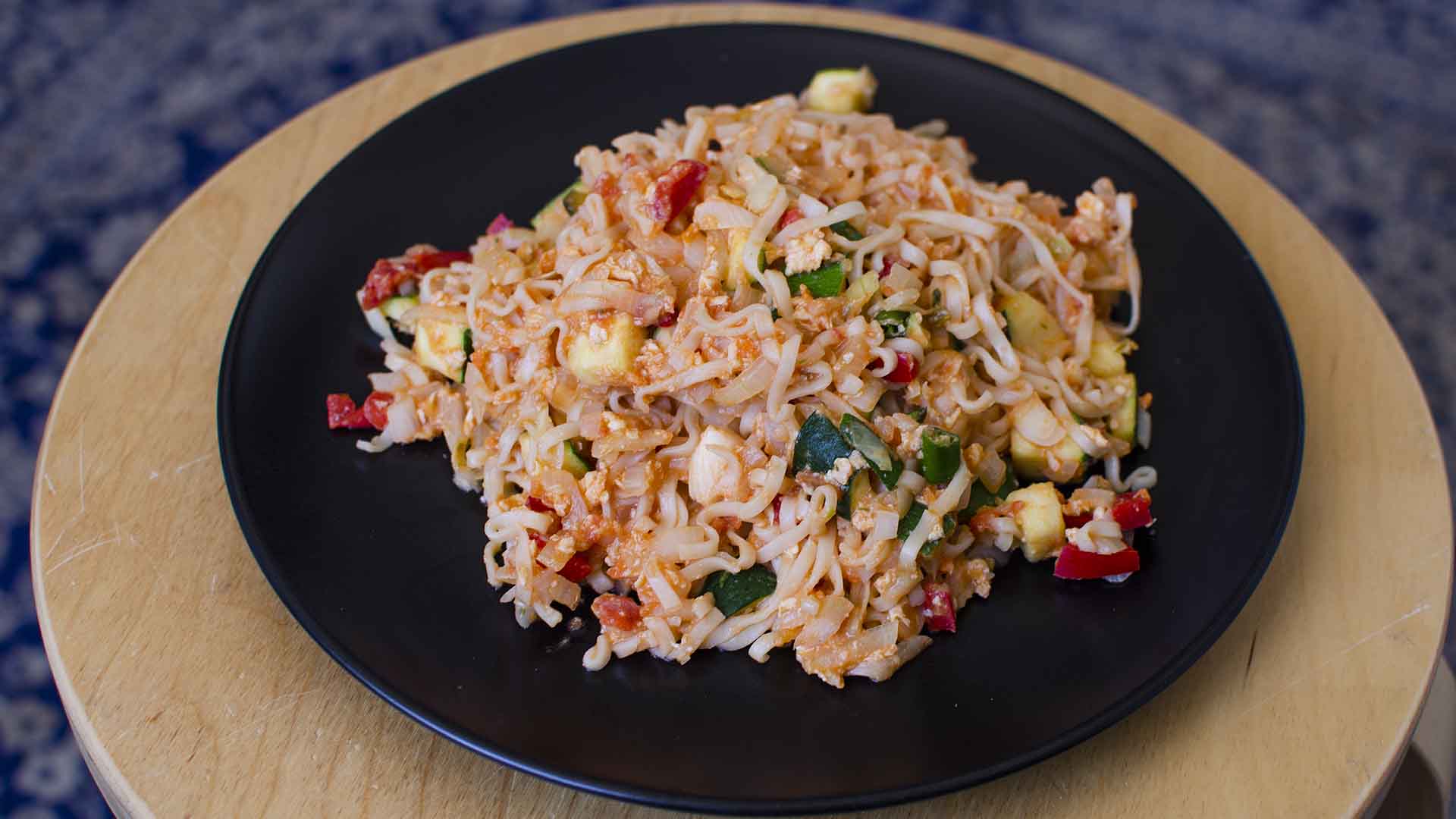
Yippee noodles are the kind of comfort food that understands your schedule, your snack cravings, and your strong emotional attachment to “just five more minutes.” Officially known as Sunfeast YiPPee! noodles, these instant noodles are popular for their round noodle cake, long slurpy strands, and masala-forward flavor. But here is the delicious truth: while the packet is already built for speed, you can turn it into something much more exciting than a basic bowl.
This guide covers 3 ways to make Yippee noodles: the classic masala bowl, a veggie-loaded stir-fry, and a creamy egg-and-cheese version. Each method keeps the process simple, uses easy pantry ingredients, and gives you practical tips for better texture, flavor, and balance. Think of it as instant noodles going from “hostel-room survival food” to “wait, did I just cook?”
Before we begin, one small but important note: Yippee noodles are still instant noodles, so enjoy them as a quick meal or snack rather than an everyday nutrition plan. Adding vegetables, eggs, paneer, tofu, chicken, or other proteins can make the bowl more filling and balanced. Now grab a saucepan, your favorite packet, and possibly a spoon you trust with your life.
Why Yippee Noodles Are So Easy to Customize
Yippee noodles work well in different recipes because they cook quickly and hold seasoning nicely. The masala mix already contains a savory spice base, so you do not need to build flavor from zero. That is helpful on busy weekdays, late-night study sessions, or those mysterious hours when dinner becomes “whatever is in the cabinet.”
The round noodle block is also convenient because you can place it directly in the pan without breaking it. If you like long noodles, this matters. Nobody wants sad noodle confetti unless they are making a crunchy snack mix, and even then, let’s keep our standards somewhere above floor level.
Basic Ingredients You Can Use
For most Yippee noodle recipes, you can start with one packet of Yippee noodles, water, the included tastemaker, and a little oil or butter if you are stir-frying. From there, add what you have: onions, carrots, peas, bell peppers, cabbage, spinach, corn, mushrooms, eggs, paneer, tofu, cooked chicken, or cheese. A squeeze of lemon, fresh cilantro, green onions, chili flakes, or black pepper can brighten the final taste.
Simple Cooking Rules for Better Yippee Noodles
Use only as much water as needed, especially if you want dry-style noodles. Too much water can dilute the masala and leave your noodles tasting like they are trying to remember who they are. Cook vegetables according to their texture: hard vegetables like carrots need more time, while spinach and green onions should go in near the end. Finally, avoid overcooking the noodles. They continue softening after the heat is turned off, so remove them from the stove while they still have a little bounce.
Way 1: Classic Masala Yippee Noodles
The classic version is the fastest and most familiar way to make Yippee noodles. It is warm, spicy, simple, and ideal when you want comfort without chopping half the refrigerator. This method keeps the focus on the original masala flavor while improving the texture with a few small tricks.
Ingredients
- 1 packet Yippee noodles
- 1 1/2 cups water, or as directed on the packet
- 1 included masala tastemaker
- 1 teaspoon butter or oil, optional
- 1 tablespoon chopped cilantro or green onions, optional
- A pinch of chili flakes or black pepper, optional
- A squeeze of lemon juice, optional
Instructions
- Pour water into a saucepan and bring it to a gentle boil.
- Add the noodle cake without breaking it if you want long strands.
- Cook for about one minute, then gently loosen the noodles with a fork.
- Add the masala tastemaker and stir well so the seasoning spreads evenly.
- Simmer until the noodles are soft but not mushy, usually around two to three minutes total.
- For a richer taste, stir in a small teaspoon of butter at the end.
- Garnish with cilantro, green onions, chili flakes, or lemon juice.
Why This Method Works
The classic method works because it respects what the packet already does well: fast cooking and bold masala flavor. Adding the seasoning after the noodles begin to loosen helps it distribute better instead of clumping in one dramatic little spice island. A tiny amount of butter or oil gives the broth a smoother finish, while lemon juice adds freshness and prevents the flavor from feeling flat.
Best For
This version is best for students, busy workers, midnight snackers, and anyone who believes a saucepan should not require a long-term commitment. It is also the best method for beginners because it teaches the basic timing before you start adding vegetables, eggs, or sauces.
Way 2: Veggie Stir-Fried Yippee Noodles
If classic Yippee noodles are the cozy pajama version, stir-fried Yippee noodles are the version that put on a jacket and became a full meal. Stir-frying gives the noodles a drier, more street-style texture, while vegetables add color, crunch, and a little nutritional backup. Your packet noodles deserve a supporting cast.
Ingredients
- 1 packet Yippee noodles
- 1 cup water for boiling
- 1 included masala tastemaker
- 1 tablespoon oil
- 2 tablespoons chopped onion
- 2 tablespoons diced carrot
- 2 tablespoons chopped bell pepper
- 2 tablespoons shredded cabbage
- 2 tablespoons peas or corn
- 1 small garlic clove, minced
- 1 teaspoon soy sauce, optional
- 1 teaspoon ketchup or chili sauce, optional
- Fresh cilantro or green onions for garnish
Instructions
- Boil the noodles in water until they are about 80 percent cooked. Do not fully soften them yet.
- Drain any excess water and set the noodles aside.
- Heat oil in a pan over medium-high heat.
- Add onion and garlic, then sauté for 30 to 45 seconds until fragrant.
- Add carrots, bell pepper, cabbage, peas, or corn. Stir-fry for two to three minutes.
- Add the masala tastemaker, soy sauce, and ketchup or chili sauce if using.
- Add the noodles and toss everything together until evenly coated.
- Cook for one more minute, then garnish and serve hot.
Texture Tip
The secret to good stir-fried Yippee noodles is slightly undercooking the noodles before they hit the pan. If they are already fully cooked, the stir-fry stage can push them into soft, sticky territory. That is not stir-fry; that is noodle pudding with ambition. Keep the noodles firm, toss quickly, and serve immediately.
Vegetable Ideas That Work Well
Carrots, cabbage, onions, bell peppers, peas, green beans, mushrooms, spinach, and broccoli are all good choices. If using spinach, add it at the end because it wilts quickly. If using broccoli or beans, slice them small so they cook fast. Frozen vegetables can also work well; just add them directly to the pan and stir-fry until hot.
Protein Add-Ins
To make this version more filling, add scrambled egg, tofu cubes, paneer, cooked chicken, shrimp, or leftover roasted vegetables. The best part of a stir-fry is flexibility. It welcomes leftovers like a friendly neighbor who does not ask too many questions.
Way 3: Creamy Egg and Cheese Yippee Noodles
This version is for days when you want comfort food with a creamy, rich texture. Egg adds body and protein, while cheese melts into the noodles for a smooth, savory finish. It is not traditional, and that is exactly why it works. Some recipes wear a suit; this one wears fuzzy socks and makes everyone happy.
Ingredients
- 1 packet Yippee noodles
- 1 1/4 cups water
- 1 included masala tastemaker
- 1 egg
- 1 slice processed cheese or 2 tablespoons shredded cheese
- 1 teaspoon butter
- Black pepper to taste
- Chopped green onions, optional
Instructions
- Bring water to a boil in a small saucepan.
- Add the noodle cake and cook for about one minute.
- Stir in the masala tastemaker and loosen the noodles gently.
- Lower the heat. Crack the egg into a small bowl and beat it lightly.
- Slowly pour the beaten egg into the noodles while stirring constantly.
- Add butter and cheese, then stir until creamy.
- Finish with black pepper and green onions.
How to Avoid Scrambled Egg Clumps
Keep the heat low before adding the egg. If the liquid is boiling fiercely, the egg can turn into large chunks instead of creating a creamy coating. Stir continuously while pouring the egg in a thin stream. This gives you a smoother texture, closer to an egg-drop style finish.
Flavor Variations
For a spicier version, add chili oil or crushed red pepper. For a richer version, add a splash of milk after the noodles cook. For a tangy version, finish with a few drops of lemon juice. If you like a slightly smoky flavor, a pinch of paprika can work nicely with the masala and cheese.
How to Make Yippee Noodles Healthier Without Removing the Fun
Instant noodles are convenient, but they are usually better when upgraded with fresh ingredients. Add vegetables for fiber, color, and texture. Add protein to make the meal more satisfying. Eggs, tofu, paneer, beans, chicken, and shrimp can all help turn a snack into something closer to lunch or dinner.
You can also control the sodium by using only part of the masala packet, especially if you are adding soy sauce, cheese, or salty toppings. If the flavor becomes too mild, use fresh garlic, ginger, chili, cilantro, lime, or black pepper instead of simply adding more salt. Flavor does not always have to arrive wearing a sodium cape.
Smart Additions for Better Balance
- For fiber: cabbage, carrots, peas, spinach, broccoli, bell peppers, or mushrooms.
- For protein: eggs, tofu, paneer, cooked chicken, shrimp, or beans.
- For freshness: cilantro, green onions, lemon juice, lime juice, or cucumber on the side.
- For heat: chili flakes, green chili, hot sauce, chili crisp, or black pepper.
- For richness: butter, cheese, peanut butter, sesame oil, or a soft-boiled egg.
Common Mistakes When Making Yippee Noodles
Using Too Much Water
Too much water weakens the masala flavor and can make the noodles soupy when you wanted them saucy. Start with the amount suggested on the packet, then adjust depending on the style. Use less water for stir-fry and more water for a brothy bowl.
Overcooking the Noodles
Instant noodles cook quickly. Leaving them on the stove too long can turn them soft and sticky. Turn off the heat when they are just tender. They will continue to cook slightly in the hot liquid.
Adding All Vegetables at the Same Time
Hard vegetables and leafy vegetables do not cook at the same speed. Carrots, beans, and broccoli need more time. Spinach, cabbage, and green onions need less. Add ingredients in stages so everything keeps its best texture.
Forgetting the Final Touch
A final garnish can make a big difference. Lemon juice, herbs, chili flakes, fried garlic, or a little butter can make the bowl taste brighter and more complete. It is the food version of putting on clean shoes before leaving the house.
Serving Ideas for Yippee Noodles
Serve classic masala Yippee noodles in a deep bowl with a spoon for the broth. Serve stir-fried noodles on a flat plate with extra green onions and a wedge of lemon. Serve creamy egg-and-cheese Yippee noodles immediately while the texture is smooth and glossy.
If you are making noodles for kids, keep the spice level mild and add sweet corn, peas, or grated cheese. If you are making them for adults, add green chili, chili oil, sautéed garlic, or a fried egg on top. For a more filling dinner, pair the noodles with a simple cucumber salad, steamed vegetables, or grilled protein.
Storage and Reheating Tips
Yippee noodles taste best fresh, especially because instant noodles can absorb liquid and become softer as they sit. If you have leftovers, cool them quickly and store them in an airtight container in the refrigerator. Reheat gently in a pan with a splash of water to loosen the noodles. Avoid reheating again and again, because the texture will suffer and food safety becomes more important.
For meal prep, it is better to chop vegetables in advance rather than cook the noodles ahead. Keep chopped carrots, cabbage, onions, and bell peppers ready in the fridge. When hunger appears, your noodles can be ready quickly without sacrificing texture.
of Real-Life Experience: What Making Yippee Noodles Teaches You
The best thing about making Yippee noodles is that the recipe grows with your confidence. The first time, most people simply boil water, drop in the noodles, add masala, and hope for the best. That version is perfectly fine. It is quick, warm, and satisfying. But after a few bowls, you start noticing small details. You realize that a little less water makes the masala stronger. You discover that onions cooked for one extra minute can make the whole kitchen smell like you actually planned dinner. You learn that green onions on top make instant noodles look suspiciously professional.
One of the most useful experiences is learning how much texture matters. Plain instant noodles can feel soft and simple, but adding crunchy vegetables changes everything. Carrots bring sweetness, cabbage adds bite, and bell peppers make the bowl brighter. Even frozen peas can make the dish feel less like a packet snack and more like a real meal. The funny thing is that these tiny upgrades take only a few minutes, but they make the noodles taste like you tried much harder than you did. That is the kind of kitchen magic everyone deserves.
The egg version is another lesson in timing. Add the egg when the heat is too high, and you get scrambled bits. Add it slowly over low heat, and the broth becomes creamy and rich. This teaches patience, which is impressive because we are talking about instant noodles, a food designed for people who count hunger in seconds. Cheese adds another layer of comfort, especially when the masala is spicy. The result is cozy, filling, and dangerously easy to repeat.
Stir-fried Yippee noodles are probably the most fun once you get the hang of them. They teach you to cook quickly and pay attention. The pan should be hot, the vegetables should be ready before you start, and the noodles should be slightly undercooked before frying. When everything comes together, you get noodles that are saucy instead of watery, flavorful instead of bland, and colorful enough to make you feel proud of yourself. It is a small cooking victory, but small victories count, especially on busy days.
Another experience worth mentioning is how flexible Yippee noodles are. You can make them vegetarian with paneer or tofu. You can make them protein-rich with eggs or chicken. You can make them spicy with chili oil or mild with butter and cheese. You can cook them as a snack, a lunch, or a late-night emergency meal when your stomach starts making business announcements. Once you understand the basic methods, the packet becomes a starting point instead of the whole story.
In the end, making Yippee noodles is not about pretending instant noodles are fancy cuisine. It is about making something quick taste better, fresher, and more personal. A few vegetables, the right amount of water, smart seasoning, and a little creativity can turn a simple packet into a bowl that feels satisfying. And honestly, that is the charm of Yippee noodles: they are humble, fast, playful, and always ready when hunger shows up without an appointment.
Conclusion
Learning 3 ways to make Yippee noodles gives you more than three quick recipes. It gives you a flexible formula for better instant noodles anytime. The classic masala method is perfect for speed and comfort. The veggie stir-fry turns the packet into a colorful, satisfying meal. The creamy egg-and-cheese version adds richness when you want something extra cozy.
The key is simple: control the water, avoid overcooking, add fresh ingredients, and finish with a flavorful touch. Yippee noodles may start in a packet, but with a few smart upgrades, they can become a snack, lunch, dinner, or late-night bowl of happiness. Not bad for something that cooks faster than most people can decide what to watch.
Note: This article is written for web publishing in standard American English and is based on real cooking practices, instant noodle preparation guidance, food safety principles, and widely used recipe-upgrade techniques.