He held eye contact for three seconds. He tly, deserved no more than a polite exhale. Is he flirting, being friendly, or simply trying to remember where he left his phone?
Reading men’s body language for flirting can feel like solving a mystery in which every clue is wearing cologne. Nonverbal communication includes facial expressions, eye movements, posture, gestures, vocal qualities, personal distance, and other behaviors that convey information without relying entirely on words. However, these signals are not a secret code with one guaranteed translation. man who leans closer may be attracted to you, interested in the conversation, unable to hear over the music, or all three. The useful approach is to look for several consistent signals, compare them with his usual behavior, and notice whether the interest appears mutual.
Here are three practical ways to read male flirting body language without turning every eyebrow movement into a marriage proposal.
Before You Begin: Read Patterns, Not Isolated Gestures
No single body-language cue proves romantic interest. Even behaviors commonly associated with attraction, including smiling, sustained eye contact, leaning closer, mirroring, and light touch, can also appear in ordinary friendly interactions.
The strongest interpretation usually comes from a cluster of signals. For example, a man repeatedly seeks eye contact, turns his entire body toward you, asks personal follow-up questions, mirrors your movements, and finds reasons to continue the conversation. Together, those behaviors mean more than any one of them would alone.
You should also establish his behavioral baseline. Is he attentive and touchy-feely with everyone? Does he maintain intense eye contact during every conversation? Is he naturally animated? A gesture becomes more informative when it represents a noticeable change in how he normally behaves.
Culture, personality, neurodiversity, social anxiety, surroundings, and personal boundaries also affect nonverbal behavior. Direct eye contact, for instance, can communicate interest in one context and discomfort or disrespect in another. Researchers and clinicians therefore recommend interpreting eye contact and other signals within the person’s cultural and emotional context. n>
1. Watch His Eyes and Facial Expressions
The face is often the first place attraction sneaks out before words catch up. A man may carefully plan what to say, but his eyes, smile, and split-second expressions can be less rehearsed.
Look for repeated eye contact
Eye contact is one of the most recognizable flirting signals, but frequency matters more than one dramatic stare. A man who is interested may look toward you repeatedly, meet your eyes from across the room, glance away, and then reconnect a few moments later.
During a conversation, he may maintain eye contact slightly longer than social politeness requires. He will still look away naturallybecause staring without blinking is less “romantic lead” and more “haunted portrait”but his gaze regularly returns to you.
Direct eye contact is a powerful social signal and has been associated with increased attention and behavioral mirroring. Studies also suggest that eye contact can help coordinate social interaction, although it cannot reveal a person’s intentions with certainty. otice whether his smile is connected to you
A genuine-looking smile that appears when you enter, speak, or make eye contact can suggest warmth and attraction. He may smile before you have said anything funny or continue smiling after the joke has passed away peacefully.
Pay attention to timing. Does his expression noticeably brighten when he sees you? Does he suppress a grin after you tease him? Does he raise his eyebrows briefly in recognition? These reactions can show excitement, pleasant surprise, or heightened attention.
A slight smile paired with forward gaze and repeated eye contact is often described as part of flirtatious facial behavior. Still, smiling is also a normal sign of friendliness, so it becomes more meaningful when accompanied by other cues. atch where his attention goes
Interest is not only visible in how long he looks at you. It is also visible in how difficult it is to distract him. At a crowded event, he may scan the room but quickly return his attention to your face. When someone interrupts, he may acknowledge that person and then resume the conversation with you rather than treating the interruption as an emergency exit.
Some men become shy around someone they like, so attraction can also produce brief glances, nervous smiles, flushed cheeks, fidgeting, or looking away after being caught staring. Shyness and disinterest can look similar from a distance. The difference often becomes clearer when he repeatedly finds another opportunity to reconnect.
2. Read His Posture, Orientation, and Use of Space
People tend to physically orient themselves toward whatever has their attention. When a man is flirting, his torso, shoulders, knees, or feet may consistently point toward youeven when another person joins the conversation.
Check whether he turns his body toward you
Imagine you are talking in a group. His face may move from speaker to speaker, but his chest and feet remain directed toward you. That orientation can suggest that you are his primary focus.
He may also remove physical barriers. He puts his phone away, moves a drink to the side, uncrosses his arms, or shifts his chair so the two of you have a more open line of communication. Open posture generally appears more inviting than a tightly closed stance, although crossed arms alone can simply mean that the room is freezing. otice leaning and voluntary proximity
A man who is attracted to you may lean forward while you speak, move closer when the environment allows it, or choose a seat near you when other options are available. The important word is voluntary. Being squeezed beside you on a crowded subway is transportation, not courtship.
Observe how he responds when you subtly change the distance. If you move a little closer and he comfortably maintains the space or leans in too, the attraction may be mutual. If he steps back, turns away, stiffens, or creates a barrier, respect the increased distance immediately.
Look for confident or expansive posture
Some men unconsciously straighten their backs, lift their chests, adjust their shoulders, or take up slightly more space around someone they want to impress. Research involving speed dating and dating profiles found that expansive, open postures increased romantic desirability for both men and women. is does not mean every wide stance is a declaration of passion. Sometimes a man is merely trying to occupy the entire couch as if he paid property taxes on it. Look for a posture change that happens specifically when you arrive or engage with him.
Notice grooming and appearance adjustments
Attraction may trigger small self-presentation behaviors. He smooths his shirt, fixes his hair, checks his jacket, straightens his posture, or adjusts a watch when he notices you. These actions can reflect a desire to look his best.
Nervous grooming is more convincing when it appears alongside smiling, sustained attention, closer positioning, or an effort to start a conversation. On its own, it may simply mean his collar has been annoying him since breakfast.
3. Look for Mirroring, Engagement, and Reciprocity
The clearest flirting often develops as a rhythm rather than a pose. Two people begin matching each other’s energy, gestures, expressions, and conversational pace. The interaction feels less like an interview and more like an easy game of catch.
Notice subtle mirroring
Mirroring occurs when one person copies another person’s posture, gestures, expressions, speech patterns, or energy, often without realizing it. If you lean on the table, he may adopt a similar position a few moments later. When you lower your voice, he may do the same. You take a sip, and he reaches for his drink shortly afterward.
Postural mirroring is a recognized form of nonverbal behavior, and it frequently appears when people feel connected or engaged. However, it is not exclusive to romance; friends, relatives, and productive coworkers mirror one another too. atch for focused participation
Flirting body language usually works together with engaged conversation. He nods while you speak, reacts to details, turns away from distractions, and asks questions that build on what you just said. He may remember something you mentioned earlier and bring it up later.
Focused attention is especially revealing when he could easily leave but chooses to remain. Perhaps the conversation reaches a natural ending, yet he introduces a new topic. Maybe his friends move to another part of the room, but he stays with you. Continuing contact is often more useful evidence than the way he holds his hands.
Research examining different flirting styles has identified behaviors such as leaning forward, nodding, laughing, asking questions, offering compliments, disclosing personal information, and playing with nearby objects. The exact pattern varies because people do not all flirt in the same way. valuate touch carefully
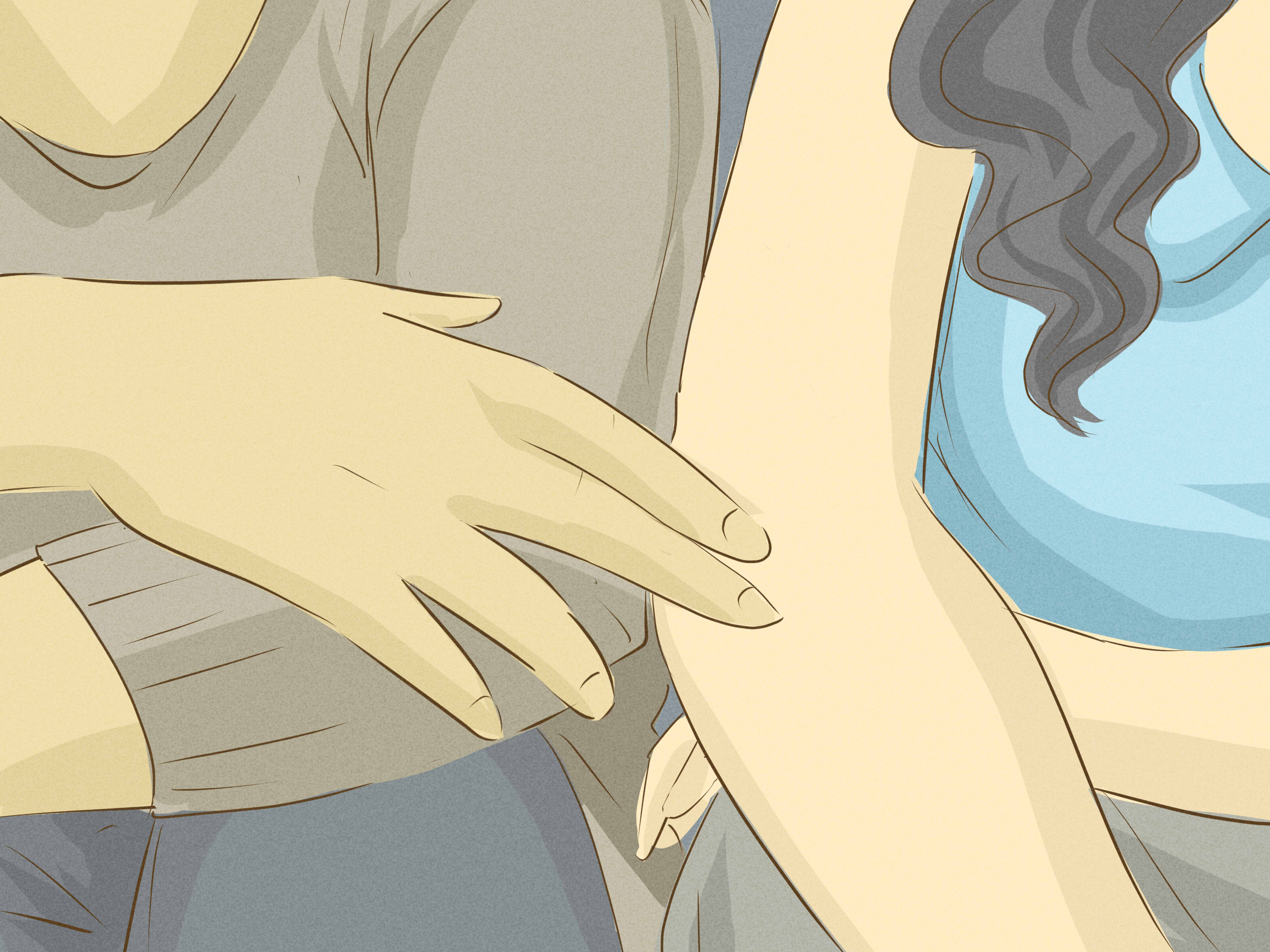
A brief touch on the forearm, shoulder, or upper back may indicate an attempt to create closeness, particularly when it occurs naturally and the man immediately watches your response. But touch is one of the easiest signals to misread.
Some people routinely touch friends while talking. Others avoid casual touch even when strongly attracted. The location, duration, frequency, relationship, environment, and your comfort all matter.
Most importantly, flirtatious body language is not permission for further physical contact. A smile does not equal consent. Leaning closer does not equal consent. Even enthusiastic flirting does not equal consent. When the interaction may become physical, clear communication is considerably more reliable than amateur mind reading.
How to Tell Flirting From Ordinary Friendliness
The difference usually appears in consistency, selectivity, and escalation.
- Consistency: He shows several signs repeatedly rather than performing one ambiguous gesture.
- Selectivity: His behavior toward you is warmer, more attentive, or more nervous than his behavior toward others.
- Escalation: He gradually moves from eye contact to conversation, from conversation to personal questions, and from personal questions to suggesting future contact.
- Reciprocity: He notices and responds when you show interest rather than continuing with a one-sided performance.
- Follow-through: His words and actions eventually become clearerasking for your number, inviting you out, or directly expressing interest.
Friendly people often smile, listen well, and make eye contact. Flirting usually adds a sense of special attention. He seems interested not just in the conversation but in creating another opportunity to see you.
When you remain uncertain, use a low-pressure verbal test. Say, “I’ve enjoyed talking with you,” or ask, “Would you like to continue this over coffee sometime?” A positive, specific response tells you more than analyzing the exact angle of his left shoe.
Experience-Based Examples: Reading the Whole Interaction
The following composite scenarios show how men’s flirting body language can appear in ordinary situations. They are illustrations rather than universal rules.
Experience 1: The repeated coffee-shop connection
Suppose you regularly see the same man at a neighborhood coffee shop. On the first morning, you catch him looking in your direction. That means very little. You are sitting near the pastry case, and the cinnamon rolls are frankly formidable competition.
On later visits, however, he repeatedly makes eye contact, smiles when you arrive, and removes his headphones when you sit nearby. One morning, he asks what you are reading. As you answer, he turns his torso toward you, puts his phone face down, and asks follow-up questions. When the conversation pauses, he introduces another topic rather than immediately returning to his laptop.
The important evidence is not the original glance. It is the pattern: recognition, repeated eye contact, open orientation, focused listening, and voluntary continuation. If he eventually says, “I’m usually here on Saturdays too,” he may be creating an easy opening for another meeting.
Experience 2: The naturally charming party guest
At a friend’s birthday party, a man laughs at your stories, touches your shoulder twice, and stands close while you talk. Those behaviors might look flirtatious. Then you observe him with everyone else.
He hugs each new arrival, maintains animated eye contact with every speaker, and routinely touches people’s arms while making a point. His behavior with you is not especially selective. Later, when his friends leave the room, he goes with them without trying to continue your conversation or exchange contact information.
This is where the baseline prevents a false conclusion. The individual cues were real, but they reflected his outgoing communication style rather than clear romantic interest. A socially confident man may appear flirtatious simply because he makes people feel welcome.
Experience 3: The nervous first date
On a first date, a man frequently looks away, fidgets with his napkin, and keeps his arms close to his body. At first, you wonder whether he wants to leave. Yet he arrived early, remembers details from your earlier messages, asks thoughtful questions, and smiles whenever your eyes meet.
As the date continues, his posture relaxes. He begins mirroring your conversational pace, leans closer when you tell a story, and suggests visiting a weekend market you mentioned. His initial closed posture was probably nervousness rather than rejection.
Near the end, his signals become mixed again. He lingers outside the restaurant but does not move closer. Instead of guessing whether he wants a kiss, you say, “I had a good time. I’d like to see you again.” He responds enthusiastically and proposes a specific day.
This experience demonstrates why words are ultimately useful. Body language helped reveal his growing comfort, but direct communication provided clarity without pressuring either person.
Experience 4: When the signals stop being mutual
Imagine that a man begins a conversation at an event. He smiles, leans closer, and asks for your name. You respond politely but give short answers, angle your body toward your friends, and step backward when he moves closer.
A socially aware person notices the lack of reciprocity and gives you space. If he continues blocking your path, touching you, or ignoring your attempts to leave, that is not successful flirting. It is disregard for boundaries.
Healthy flirting involves responsiveness. Both people contribute to the interaction, and either person can reduce or end it without being challenged. The best body-language readers are not merely good at detecting attraction; they are also good at recognizing discomfort.
Conclusion
To read men’s body language for flirting, focus on three areas: his eyes and facial reactions, his physical orientation and proximity, and the level of mirroring and reciprocal engagement between you.
Repeated eye contact, a face that brightens when you appear, open posture, leaning closer, subtle grooming, behavioral mirroring, and focused attention can all suggest attraction. None of these behaviors is definitive by itself. Look for clusters, compare his behavior with his normal baseline, and consider the setting, personality, and culture.
Most importantly, let body language help you decide whether to begin a conversationnot whether you can skip one. When interest appears mutual, a friendly question or clear invitation will always beat spending the weekend conducting forensic analysis on a two-second eyebrow raise.
Note: Nonverbal behavior can suggest interest, comfort, nervousness, or attraction, but it cannot prove romantic intent and should never be treated as consent.