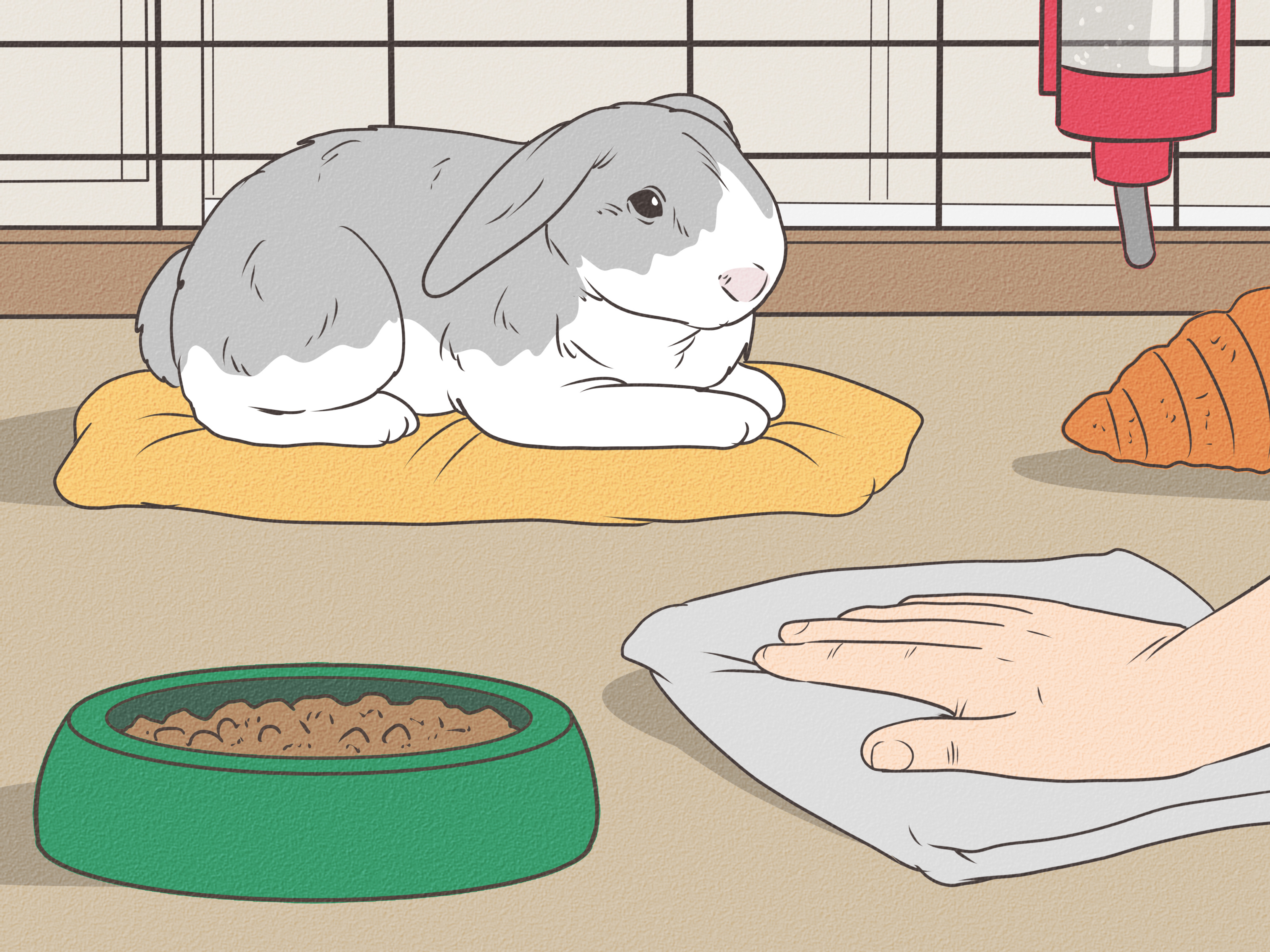
Rabbits are masters of looking adorable while silently judging your life choices. Unfortunately, they are also masters of hiding pain. That means a small wet patch under your rabbit’s eye can be more than a “sleepy bunny tear.” It may be an early sign of weepy eye, also called epiphora, which happens when tears overflow instead of draining normally.
Weepy eye in rabbits can look simple from the outside: damp fur, crusty discharge, or a glossy eye. But the causes can range from dust irritation to conjunctivitis, blocked tear ducts, dental disease, corneal injury, respiratory infection, or inflammation of the tear duct. Because rabbit teeth and tear ducts sit very close together, a runny eye can sometimes be a dental problem wearing an eye-problem costume. Very sneaky. Very rabbit.
This guide explains three practical ways to tell if your rabbit has weepy eye, what symptoms to watch for, when to call a rabbit-savvy veterinarian, and how to support your bunny at home without accidentally making the problem worse.
What Is Weepy Eye in Rabbits?
Weepy eye is a common phrase for excessive tearing or eye discharge in rabbits. Instead of draining through the nasolacrimal duct, tears spill onto the face. The result may be wet fur under the eye, staining, crusting, sticky mucus, redness, or sore skin. In some rabbits, it affects one eye. In others, both eyes become watery.
A healthy rabbit eye should look bright, open, and comfortable. A tiny bit of normal moisture is not unusual, but constant wetness is not something to ignore. Rabbits are prey animals, so they often hide discomfort until a problem has become more serious. If your bunny’s face looks like it has been watching sad movies all night, it is time to pay attention.
Way 1: Look for Wet Fur, Staining, or Crust Around the Eye
The first and easiest way to tell if your rabbit has weepy eye is to inspect the fur around the eyes and cheeks. This is usually where early symptoms show up.
Check for damp fur under one or both eyes
Gently look at the area directly below your rabbit’s eye. If the fur appears damp, flattened, clumpy, or shiny, tears may be overflowing. In light-colored rabbits, the fur may look brown, rusty, or yellowish from staining. In darker rabbits, the wet patch may be harder to see, so touch and texture matter. The fur may feel slick or matted instead of soft and fluffy.
One-sided wetness often suggests a local issue such as a blocked tear duct, dental root pressure, an eye injury, or irritation. Wetness in both eyes may point to environmental irritation, respiratory infection, allergy-like inflammation, or a broader health problem. Either way, persistent tearing deserves a veterinary exam.
Notice crust, mucus, or sticky discharge
Clear watery tears may be the first sign of irritation or drainage trouble. Thick white, yellow, green, or sticky discharge is more concerning because it can suggest infection, inflammation, or blocked drainage. Some rabbits develop crusts at the corner of the eye, along the lower eyelid, or on the cheek.
Do not pull hard crusts away from the fur. Rabbit skin is delicate, and yanking dried discharge can cause irritation or tiny wounds. If you need to clean the area while waiting for your vet appointment, use a soft cloth or cotton pad dampened with warm water or sterile saline. Hold it gently against the crust to soften it, then wipe lightly. Think “spa day,” not “scrub the frying pan.”
Watch for hair loss or sore skin
Constant moisture can irritate the skin under the eye. Over time, rabbits may develop redness, hair loss, scabbing, or a raw-looking patch on the cheek. This matters because wet skin can become uncomfortable and may invite secondary bacterial growth. If the skin looks inflamed, your rabbit needs veterinary care, not just cleaning.
A helpful habit is to check your rabbit’s face during daily feeding. Rabbits usually come running for greens, pellets, or hay like tiny food critics with ears. That moment gives you a quick chance to compare both eyes, look for wet fur, and spot changes before they become dramatic.
Way 2: Watch Your Rabbit’s Eye Shape, Comfort, and Behavior
The second way to tell if your rabbit has weepy eye is to observe how the eye looks and how your rabbit behaves. Rabbits do not always announce pain loudly, but their body language gives clues.
Squinting, blinking, or keeping one eye half closed
A rabbit with eye discomfort may squint, blink more than usual, or keep one eye partially closed. This can happen with conjunctivitis, corneal scratches, ulcers, foreign material, or painful inflammation. A rabbit holding an eye shut should be seen by a veterinarian promptly, especially if there is discharge, cloudiness, swelling, or rubbing.
Corneal injuries can be especially painful. Hay, straw, bedding, dust, or a sharp bit of plant material can scratch the surface of the eye. Because rabbit eyes are large and positioned on the sides of the head, they are excellent for spotting danger but not immune to accidental pokes. In other words, your rabbit has panoramic vision but still may lose a duel with a hay stem.
Redness, swelling, or cloudy appearance
Look for redness around the eyelids or the white area of the eye. Swollen lids, puffy tissue, or a bulging appearance can signal inflammation, infection, trauma, abscess, or pressure behind the eye. Cloudiness on the eye surface may point to a corneal ulcer, injury, cataract, or other eye disease.
Any cloudy, bulging, or suddenly red eye should be treated as urgent. Rabbits can deteriorate quickly when pain affects eating, grooming, or stress levels. A veterinarian may need to perform an eye exam, stain the cornea to check for ulcers, flush the tear duct, evaluate the teeth, or prescribe rabbit-safe medication.
Rubbing the eye or overgrooming the face
If your rabbit repeatedly rubs the eye with a front paw, presses the face against bedding, or grooms one cheek obsessively, something may be bothering the eye. Rubbing can worsen irritation and may injure the cornea further. You might also notice damp front paws if your rabbit keeps wiping away discharge.
Behavior changes are just as important. A rabbit with eye pain may hide, become grumpy, resist being touched around the head, eat less, grind teeth in discomfort, or sit hunched. If your usually social bunny starts acting like a furry introvert with a locked diary, check the eyes and call your vet.
Way 3: Check for Nose, Tooth, and Eating Clues
The third way to tell if your rabbit has weepy eye is to look beyond the eye. Rabbit health is connected like a tiny biological puzzle, and the tear duct runs close to the nose and upper tooth roots. That means respiratory and dental problems can show up as watery eyes.
Runny nose, sneezing, or noisy breathing
Eye discharge along with sneezing, nasal discharge, or noisy breathing may suggest an upper respiratory infection or inflammation affecting the nose and tear ducts. Rabbits can develop infections that involve both the eyes and nasal passages. Discharge may appear clear at first and later become thicker or colored.
Do not assume sneezing is “just allergies.” Bedding dust, hay dust, perfume, smoke, cleaning sprays, and poor ventilation can irritate a rabbit’s respiratory system, but infection is also possible. Because rabbits rely heavily on normal breathing and eating to stay stable, respiratory signs should be taken seriously.
Dental disease signs hiding behind a watery eye
Dental disease is one of the most important hidden causes of chronic weepy eye in rabbits. Rabbit teeth grow continuously throughout life. When teeth do not wear properly, the roots can elongate or become inflamed. Upper tooth roots may press near the tear duct, causing blockage, infection, or constant tearing.
Watch for reduced appetite, dropping food, preferring soft foods, leaving hay untouched, drooling, weight loss, bad breath, facial swelling, lumps along the jaw, or grinding teeth from pain. A rabbit may still eat treats while avoiding hay, which can fool owners into thinking everything is fine. Rabbits are very capable of saying, “I am medically complicated, but yes, I will still accept banana.”
Changes in eating, pooping, and energy
Any eye issue becomes more urgent if your rabbit is eating less, producing fewer droppings, acting weak, or sitting hunched. Rabbits need constant fiber intake to keep the gut moving. Pain from an eye problem, dental disease, or infection can reduce appetite and raise the risk of gastrointestinal stasis, a potentially serious emergency.
If your rabbit stops eating, stops pooping, seems lethargic, or appears painful, contact an emergency veterinarian immediately. Do not wait to see if things improve overnight. Rabbits do not schedule health crises politely around your calendar.
Common Causes of Weepy Eye in Rabbits
Weepy eye is a symptom, not a final diagnosis. The treatment depends on the cause, which is why guessing at home can delay proper care. Common causes include:
Blocked tear duct
The nasolacrimal duct drains tears from the eye to the nose. In rabbits, this duct is narrow and winding, making it prone to blockage. Debris, inflammation, infection, or dental pressure can interfere with drainage. A veterinarian may recommend flushing the duct, examining the mouth, or taking imaging if dental disease is suspected.
Conjunctivitis
Conjunctivitis is inflammation of the tissue around the eye and inner eyelids. It can cause redness, discharge, swelling, and discomfort. It may be related to bacteria, irritants, poor bedding hygiene, contaminated objects, or other health conditions. Rabbit-safe medication may be needed, but the exact choice depends on exam findings.
Dental disease
Because rabbit teeth grow continuously, diet and chewing habits matter. A diet rich in grass hay helps wear teeth naturally. Dental disease can affect the eye through root elongation, abscesses, or pressure on the tear duct. This is one reason a rabbit with a chronic watery eye may need a dental exam, skull radiographs, or advanced imaging.
Eye injury or corneal ulcer
Scratches from hay, bedding, fighting, rough handling, or foreign material can cause tearing, squinting, redness, and pain. A corneal ulcer needs prompt treatment because infection or deeper damage can threaten vision.
Respiratory infection
Some rabbits with upper respiratory infections develop watery eyes along with nasal discharge or sneezing. A vet may need to identify whether bacteria, inflammation, dental disease, or environmental irritants are involved.
Environmental irritation
Dusty hay, dusty bedding, strong fragrances, smoke, aerosol sprays, ammonia from dirty litter boxes, and poor airflow can irritate the eyes. Improving the environment may help, but persistent discharge still needs a diagnosis.
When to Call a Veterinarian
Call a rabbit-savvy veterinarian if your rabbit has ongoing watery eyes, thick discharge, redness, squinting, swelling, cloudy eyes, hair loss under the eye, nasal discharge, appetite changes, or signs of pain. Eye problems can worsen quickly, and early care is usually easier, cheaper, and safer than waiting until the problem becomes severe.
Seek urgent care if your rabbit is not eating, not pooping, holding the eye closed, has a bulging eye, has a cloudy eye, seems weak, or has facial swelling. These signs can point to pain, infection, dental abscess, corneal ulcer, or other serious conditions.
What Not to Do at Home
Do not use human eye drops unless your veterinarian specifically tells you to. Some products are not safe for rabbits, and steroid-containing drops can be dangerous if a corneal ulcer is present. Do not use leftover antibiotics from another pet. Do not rinse the eye with hydrogen peroxide, alcohol, essential oils, herbal mixtures, or anything that sounds like it belongs in a medieval potion cabinet.
Also avoid trimming matted fur near the eye unless you are trained and your rabbit is calm. A sudden kick or head movement can turn a small grooming task into an eye injury. If mats are severe, ask your vet or an experienced rabbit groomer for help.
Safe Care Tips While Waiting for the Vet
While waiting for your appointment, you can gently clean wet fur with warm water or sterile saline on a soft pad. Keep bedding clean and low-dust. Offer unlimited grass hay, fresh water, and your rabbit’s usual greens. Monitor appetite and droppings closely. If your rabbit is eating less or pooping less, treat it as urgent.
Take photos of the eye once or twice a day in good lighting. This helps you show your vet whether the discharge is increasing, changing color, or affecting one or both eyes. Make notes about sneezing, eating habits, favorite foods refused, drooling, tooth grinding, or behavior changes. A little detective work can help your veterinarian solve the case faster.
How Vets Diagnose Rabbit Weepy Eye
A veterinarian may examine the eye, eyelids, tear duct opening, mouth, nose, and face. They may use fluorescein stain to check for corneal ulcers. They may flush the tear duct to see whether it is blocked. If dental disease is suspected, your rabbit may need oral examination, sedation, radiographs, or CT imaging. In some cases, discharge may be cultured to guide antibiotic choice.
Treatment may include tear duct flushing, rabbit-safe antibiotic or anti-inflammatory medication, pain relief, dental treatment, abscess management, environmental changes, or long-term cleaning and monitoring. Chronic cases can require patience. Rabbits are small, but their tear ducts apparently enjoy drama.
Prevention: Keeping Rabbit Eyes Bright and Comfortable
You cannot prevent every case of weepy eye, but you can lower the risk. Feed unlimited high-quality grass hay to support dental wear. Keep the living area clean, dry, and well ventilated. Choose low-dust bedding and shake dusty hay outdoors before serving if needed. Avoid smoke, perfumes, scented sprays, harsh cleaners, and dusty litter. Schedule regular wellness exams with a rabbit-savvy veterinarian, especially for older rabbits or breeds prone to dental issues.
Daily observation is your best tool. You do not need fancy equipment. You need good lighting, clean hands, and the willingness to stare lovingly at your rabbit’s face like a detective in a very fluffy crime show.
Real-Life Experience: What Rabbit Owners Often Notice First
Many rabbit owners first spot weepy eye during an ordinary moment: breakfast greens, litter box cleaning, or cuddle time on the floor. At first, the change can look tiny. Maybe one cheek looks a little damp. Maybe the fur under the eye is clumped into a point. Maybe the rabbit looks perfectly cheerful, munching hay as if nothing in the world is wrong. That is exactly why weepy eye can be tricky. Rabbits often keep acting normal until discomfort grows.
One common experience is the “it was only one wet patch” situation. A rabbit may have clear tearing from one eye for a day or two. The owner gently wipes it, and the fur looks better. Then the wetness returns. This pattern can happen with a blocked tear duct, mild irritation, or early dental pressure. The important lesson is that cleaning helps the skin, but it does not explain why the tears keep overflowing. If the same eye stays wet, the rabbit needs a vet exam.
Another familiar story involves hay. A rabbit dives face-first into a hay pile with the enthusiasm of a tiny lawn mower. Later, the owner notices squinting or extra tearing. Hay can irritate the eye or cause a scratch, especially if pieces are stiff or dusty. In this case, the key clue is discomfort: blinking, rubbing, or holding the eye partly closed. A corneal scratch is not something to monitor casually for a week. Prompt treatment can prevent infection and pain.
Some owners discover the dental connection only after months of recurring eye discharge. The rabbit may still eat pellets and treats but slowly reduce hay intake. The watery eye comes and goes, then thick discharge appears. A rabbit-savvy vet may find molar points, tooth root changes, or an abscess. This is a classic reminder that “my rabbit is still eating” does not always mean “my rabbit is fine.” Treats are not a dental exam, even if your bunny strongly disagrees.
There is also the environmental version. A rabbit develops watery eyes after a bedding change, dusty hay batch, scented cleaner, or room fragrance. Removing the irritant may reduce tearing, but owners should still watch carefully. If redness, thick discharge, sneezing, or squinting appears, it is no longer just a housekeeping mystery.
The best owner habit is simple: compare both eyes every day. Look for symmetry, clear bright eyes, dry cheeks, normal appetite, and normal droppings. When something changes, write it down and take a photo. Rabbits may not speak, but their faces, food bowls, and litter boxes tell stories. Weepy eye is one of those stories worth reading early, before the plot twist becomes expensive.
Conclusion
Weepy eye in rabbits may look like a minor tear stain, but it can signal irritation, infection, blocked tear ducts, dental disease, respiratory illness, or eye injury. The three best ways to tell if your rabbit has weepy eye are to check for wet or crusty fur, observe eye comfort and behavior, and look for related nose, tooth, eating, and energy changes.
If the tearing is persistent, thick, colored, painful, or paired with appetite changes, contact a rabbit-savvy veterinarian. Early diagnosis protects your rabbit’s comfort, vision, skin, teeth, and overall health. Your bunny may be small, quiet, and occasionally dramatic about nail trims, but their eyes deserve big attention.
Note: This article is for educational purposes only and is not a substitute for diagnosis or treatment from a qualified veterinarian experienced with rabbits.