Butternut squash is the golden-orange overachiever of the produce aisle: sweet, nutty, creamy, packed with comfort-food energy, and shaped like it might require a small engineering degree to cut. The good news? You do not need to wrestle it into submission with an oven, a roasting pan, and 45 minutes of your life. Learning how to cook butternut squash in the microwave can turn this sturdy winter squash into a fast weeknight side dish, soup starter, baby-food-style mash, grain bowl topping, or “I need vegetables but I also need dinner before I lose patience” solution.
The microwave will not create the same caramelized edges you get from roasting. That is the trade-off. But it does something just as useful: it softens butternut squash quickly, evenly enough when handled properly, and with very little cleanup. It can also make peeling and cutting safer because a short blast in the microwave relaxes that stubborn skin. Think of it as sending the squash to a tiny spa before asking it to become dinner.
Below are four practical ways to microwave butternut squash: whole, halved, cubed, and mashed. Each method has a different personality. Whole squash is best when you want minimum knife drama. Halved squash is great for a simple side. Cubed squash is the speed champion. Mashed squash is the cozy, spoonable option that belongs next to roast chicken, turkey, pork chops, lentils, rice, or honestly, a fork and your quiet thoughts.
Before You Start: Microwave Butternut Squash Safety Tips
Butternut squash has dense flesh and a tough outer shell, so a little preparation makes a big difference. First, always wash and dry the squash before cooking, even if you plan to remove the skin. Dirt on the outside can travel inward when you cut it. Second, use a microwave-safe dish with a lid, plate, or microwave-safe cover. Steam is your friend, but trapped pressure is not. Third, if you microwave a whole squash, pierce it several times with a sharp knife or fork so steam can escape. Do not skip this step unless you enjoy cleaning orange confetti from the inside of your microwave.
Microwave wattage matters. A 1,200-watt microwave may cook a medium squash noticeably faster than a 700-watt model. Squash size matters too. A small butternut squash may soften in 8 to 10 minutes, while a large one may need 15 minutes or more. Use the fork test instead of trusting the clock blindly: the squash is done when a fork or small knife slides into the thickest part with little resistance.
Method 1: Microwave a Whole Butternut Squash
This method is for anyone who looks at a raw butternut squash and thinks, “Absolutely not.” Cooking it whole reduces the amount of cutting you need to do at the beginning. The squash softens first, then you cut, scoop, peel, or mash it after it cools slightly.
Best For
Meal prep, soup, puree, mashed squash, and safer peeling.
What You Need
- 1 medium butternut squash
- Sharp knife or fork for piercing
- Microwave-safe plate or shallow dish
- Oven mitts or a thick kitchen towel
Steps
- Wash the squash well and dry it.
- Use a sharp knife or fork to pierce the squash 8 to 12 times all over. Make sure the cuts go through the skin.
- Place the squash on a microwave-safe plate.
- Microwave on high for 5 minutes. Carefully rotate the squash.
- Continue microwaving in 3- to 5-minute intervals until the thick neck and bulb feel tender when pierced.
- Let the squash rest for 5 to 10 minutes before cutting. It will be hot and steamy inside.
- Slice it lengthwise, scoop out the seeds, and remove the flesh from the skin.
Timing Guide
A small squash may take 8 to 10 minutes. A medium squash often takes 12 to 15 minutes. A large squash may need 16 to 20 minutes, depending on wattage. If the outside softens but the neck is still firm, keep cooking in short intervals. The neck is usually the slowpoke of the squash family.
Flavor Ideas
After cooking, scoop the flesh into a bowl and season it with butter, olive oil, salt, black pepper, cinnamon, nutmeg, smoked paprika, maple syrup, chili flakes, or a squeeze of lemon. For soup, blend the cooked squash with broth, sautéed onion, garlic, ginger, and a splash of cream or coconut milk.
Method 2: Microwave Butternut Squash Halves
Halved butternut squash gives you more control over seasoning. It is also a great method when you want a simple side dish that looks like you made an effort, even though the microwave did most of the work while you stood nearby pretending to supervise.
Best For
Stuffed squash, dinner sides, soft roasted-style flesh, and easy scooping.
What You Need
- 1 butternut squash
- 1 to 2 tablespoons water
- Microwave-safe baking dish
- Microwave-safe cover, lid, or vented plastic wrap
- Salt, pepper, butter, olive oil, or brown sugar, optional
Steps
- Cut off the stem end and bottom end so the squash sits more steadily.
- Slice the squash lengthwise from top to bottom. Use a sturdy chef’s knife and keep your fingers clear.
- Scoop out the seeds and stringy pulp with a spoon.
- Place the halves cut-side down in a microwave-safe dish.
- Add 1 to 2 tablespoons of water to create steam.
- Cover loosely, leaving a small vent.
- Microwave on high for 8 to 12 minutes, checking at the 8-minute mark.
- Turn the halves cut-side up, season, and microwave for another 1 to 3 minutes if needed.
Timing Guide
Most medium squash halves cook in about 10 to 12 minutes. Smaller squash may be ready in 7 to 9 minutes. If you plan to stuff the halves, cook them until just tender but not collapsing. If you plan to mash the flesh, cook until very soft.
Flavor Ideas
For a savory version, brush the cooked halves with olive oil, sprinkle with kosher salt, black pepper, garlic powder, and thyme. For a sweeter version, add butter, cinnamon, and a small drizzle of maple syrup or honey. If you want a Thanksgiving-style shortcut, sprinkle with brown sugar and a pinch of nutmeg. It tastes like fall put on a sweater.
Method 3: Microwave Cubed Butternut Squash
Microwaving cubed butternut squash is the fastest method and the best choice for bowls, salads, pasta, tacos, soups, and quick side dishes. Smaller pieces cook more quickly because steam can reach more surface area. This is the method to use when dinner is not a peaceful culinary journey but a countdown clock.
Best For
Fast side dishes, meal prep, salads, grain bowls, pasta, soups, and toddler-friendly soft vegetables.
What You Need
- 3 to 4 cups peeled and cubed butternut squash
- 2 tablespoons water or broth
- Microwave-safe bowl with lid
- Salt, pepper, oil, herbs, or spices
Steps
- Peel the squash with a sharp vegetable peeler. Cut off both ends.
- Slice the squash in half, scoop out the seeds, and cut the flesh into 1-inch cubes.
- Place the cubes in a microwave-safe bowl.
- Add 2 tablespoons of water or broth.
- Cover with a microwave-safe lid, leaving a small vent.
- Microwave on high for 4 minutes.
- Stir carefully, then microwave for another 2 to 4 minutes until fork-tender.
- Drain excess liquid, season, and serve.
Timing Guide
Fresh 1-inch cubes usually take 6 to 8 minutes. Smaller cubes can finish in 4 to 6 minutes. Larger chunks may need 9 to 10 minutes. Pre-cut grocery-store cubes are convenient, but they may be drier than freshly cut squash, so keep the bowl covered and add a splash of water before cooking.
Flavor Ideas
For a savory bowl topping, toss cooked cubes with olive oil, salt, pepper, cumin, smoked paprika, and lime juice. For pasta, add butter, Parmesan, sage, and a little pasta water. For a salad, cool the cubes slightly and combine with arugula, goat cheese, toasted pecans, dried cranberries, and balsamic vinaigrette. For soup, simmer the cubes briefly with broth and blend until smooth.
Method 4: Microwave Butternut Squash Mash
Butternut squash mash is creamy, naturally sweet, and ridiculously easy once the squash is cooked. It is similar to mashed sweet potatoes but lighter, silkier, and a little nuttier. This is the comfort-food version of microwave squash, and it belongs on your table whenever you want something soft, warm, and orange without turning on the oven.
Best For
Holiday sides, weeknight dinners, baby-friendly soft food, soup bases, and leftovers.
What You Need
- Cooked butternut squash flesh from 1 whole squash or 4 cups cooked cubes
- 1 to 2 tablespoons butter or olive oil
- 2 to 4 tablespoons milk, cream, broth, or coconut milk
- Salt and pepper
- Optional: cinnamon, maple syrup, garlic, Parmesan, sage, or chili flakes
Steps
- Cook the squash using the whole, halved, or cubed microwave method.
- Scoop the soft flesh into a bowl.
- Add butter or olive oil, plus a small splash of liquid.
- Mash with a potato masher or fork until smooth.
- For extra silky mash, blend with an immersion blender or food processor.
- Taste and adjust seasoning before serving.
Sweet Mash Variation
Add butter, cinnamon, a pinch of salt, and a drizzle of maple syrup. Keep the sweetness modest so the squash still tastes like dinner, not pie filling that wandered into the wrong room.
Savory Mash Variation
Add olive oil, roasted garlic, black pepper, Parmesan, and chopped sage. This version works beautifully with chicken, pork, turkey, mushrooms, lentils, and grain bowls.
How to Know When Microwave Butternut Squash Is Done
The best test is texture. A cooked butternut squash should be tender enough for a fork or paring knife to slide in easily. For cubes, the edges should look slightly softened and the centers should mash without crunch. For halves, the flesh should pull away from the skin with a spoon. For whole squash, both the bulb and neck should feel soft, not just the outside.
Do not panic if the squash looks watery when it comes out of the microwave. Microwaving steams vegetables, so moisture collects in the dish. Drain extra liquid before seasoning, especially if you are making mash or adding the squash to pasta. If you want a richer flavor, toss the microwaved squash with butter or olive oil and let it sit for a minute. Fat carries flavor, and butternut squash is very happy to cooperate.
Common Mistakes to Avoid
Not Piercing a Whole Squash
Steam needs somewhere to go. If you microwave a whole squash without piercing it, pressure can build inside. Always poke holes or make shallow slits through the skin before cooking.
Using Too Much Water
You only need a small amount of water to create steam. Too much water can dilute the squash flavor and make the texture soggy. A tablespoon or two is usually enough for cubes or halves.
Cooking Too Long Without Checking
Microwaves are not identical. Check early, especially the first time you try the method. Overcooked squash is still usable, but it may collapse into puree whether you asked it to or not.
Seasoning Too Lateor Too Shyly
Butternut squash is naturally sweet, but it still needs salt. A pinch of salt makes the sweetness taste deeper and more balanced. Add acid too, such as lemon juice, lime juice, vinegar, or yogurt, when the dish tastes flat.
What to Serve With Microwave Butternut Squash
Microwave butternut squash is flexible enough to fit into breakfast, lunch, dinner, and meal prep. Add cubes to scrambled eggs with spinach and feta. Toss them into quinoa bowls with chickpeas and tahini sauce. Mash the squash and serve it under turkey meatballs. Blend it into soup with ginger and coconut milk. Fold it into mac and cheese for a sneaky vegetable upgrade. Use it in tacos with black beans, avocado, and salsa. Or keep it simple with butter, salt, and pepper because not every vegetable needs a full personality makeover.
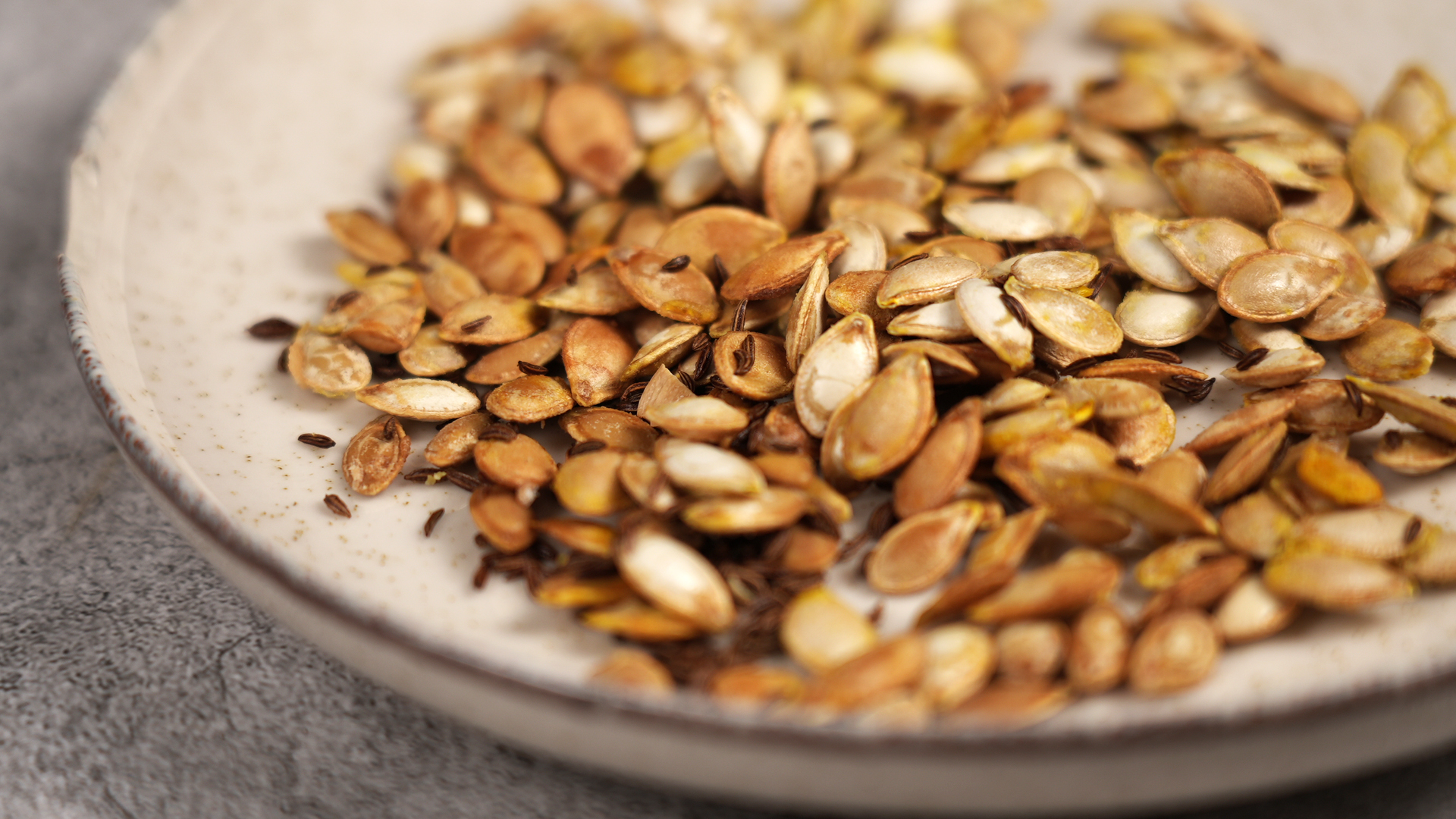
For protein pairings, butternut squash goes well with roasted chicken, grilled salmon, pork tenderloin, sausage, tofu, lentils, white beans, and eggs. For herbs and spices, try sage, thyme, rosemary, parsley, cumin, coriander, curry powder, cinnamon, nutmeg, chili powder, smoked paprika, and ginger. For texture, add toasted walnuts, pecans, pumpkin seeds, crispy chickpeas, breadcrumbs, or crumbled bacon.
Storage and Reheating Tips
Cooked butternut squash stores well, which makes it a useful make-ahead vegetable. Let it cool, then refrigerate it in an airtight container for up to 4 days. For longer storage, freeze cooked squash in cubes or puree. Frozen squash is best used in soups, sauces, casseroles, and mash because the texture softens after thawing.
To reheat, microwave cooked squash in 30- to 60-second intervals, stirring between rounds. Add a teaspoon of water, broth, butter, or oil if it looks dry. Mashed squash may thicken in the refrigerator, so loosen it with milk, broth, cream, or coconut milk before serving.
Which Microwave Method Is Best?
The best method depends on your goal. If you want the safest and easiest prep, microwave the squash whole. If you want a simple side dish with pretty presentation, cook it in halves. If speed matters most, cube it first. If comfort is the assignment, make mash. The microwave is not trying to replace roasting forever; it is trying to rescue dinner on the days when preheating the oven feels like signing a contract.
For maximum flavor, you can also combine methods. Microwave cubes until tender, then toss them in a hot skillet with olive oil for a few minutes to brown the edges. Microwave halves, then broil them briefly with butter and brown sugar. Microwave a whole squash, scoop out the flesh, and blend it into a soup that tastes like it took an hour. The microwave handles the hard part; you can add the finishing touch.
Experience Notes: What I Learned Cooking Butternut Squash in the Microwave
The first thing you learn from microwaving butternut squash is humility. A raw squash looks innocent in the grocery cart, but on the cutting board it suddenly becomes a dense orange bowling pin with ambitions. The whole-squash method is the least dramatic way to begin. After washing and piercing the squash, I like to microwave it for 5 minutes before making any major cuts. Even that short head start softens the skin enough to make the knife feel less like it is negotiating with a tree trunk.
The second lesson is that resting time matters. When the microwave beeps, the squash is not just hot; it is filled with steam. Cutting into it immediately can release a cloud of heat right into your hands or face. Letting it sit for several minutes makes the squash easier to handle and also lets the heat continue moving through the flesh. This is especially helpful with larger squash, where the bulb may be tender before the thick neck finishes cooking.
Cubed squash became my favorite method for weeknights because it is fast and predictable. The trick is cutting the pieces evenly. Tiny pieces turn soft quickly, while huge chunks stay firm in the middle and make everyone suspicious. One-inch cubes are the sweet spot. I add a splash of water, cover the bowl, microwave for 4 minutes, stir, and continue in short bursts. Once cooked, I drain any extra moisture and season while the cubes are still hot. Salt, olive oil, smoked paprika, and a squeeze of lime can turn plain squash into something that tastes ready for tacos or rice bowls.
The halved method is best when presentation matters. A cooked squash half with butter melting into the center looks cozy and intentional. It also gives you a natural bowl for fillings. I have used microwaved halves with quinoa, black beans, sautéed onions, leftover chicken, and shredded cheese. After stuffing, another minute or two in the microwave warms everything together. Is it fancy? Not exactly. Is it dinner? Absolutely.
The mash method is the one most likely to win over squash skeptics. When mashed with butter, salt, pepper, and a little cream or broth, butternut squash becomes smooth and mellow. Add roasted garlic if you want savory depth, or cinnamon and maple syrup if you want a holiday-style side. The biggest mistake is adding too much liquid at once. Start small. Squash can go from fluffy to soup-adjacent very quickly, and while soup is lovely, accidental soup is emotionally complicated.
My final experience note is simple: the microwave rewards checking. Do not set 15 minutes and walk away like you are launching a satellite. Cook in intervals, rotate the squash, stir the cubes, and test with a fork. Once you learn how your microwave behaves, the process becomes easy. Butternut squash stops being a weekend project and becomes an everyday ingredient. That is the real win: more vegetables, less wrestling, and no oven required.
Conclusion
Cooking butternut squash in the microwave is one of the easiest ways to enjoy this sweet, creamy winter vegetable without waiting for the oven. The whole method makes cutting safer, the halved method creates a simple side dish, the cubed method wins on speed, and the mashed method delivers comfort with almost no effort. The keys are simple: pierce whole squash, use a microwave-safe dish, add just enough water to steam, cover loosely, check often, and season generously.
Microwave butternut squash may not have the deep caramelization of roasted squash, but it has something just as valuable: convenience. It helps you get a nutritious, flexible, flavorful vegetable on the table fast. And on a busy night, that is not a shortcut. That is kitchen wisdom wearing oven mitts.
Note: This article was written from synthesized, real-world cooking and food-safety guidance from reputable U.S. nutrition, appliance, and recipe resources, then fully rewritten in original standard American English for web publishing.