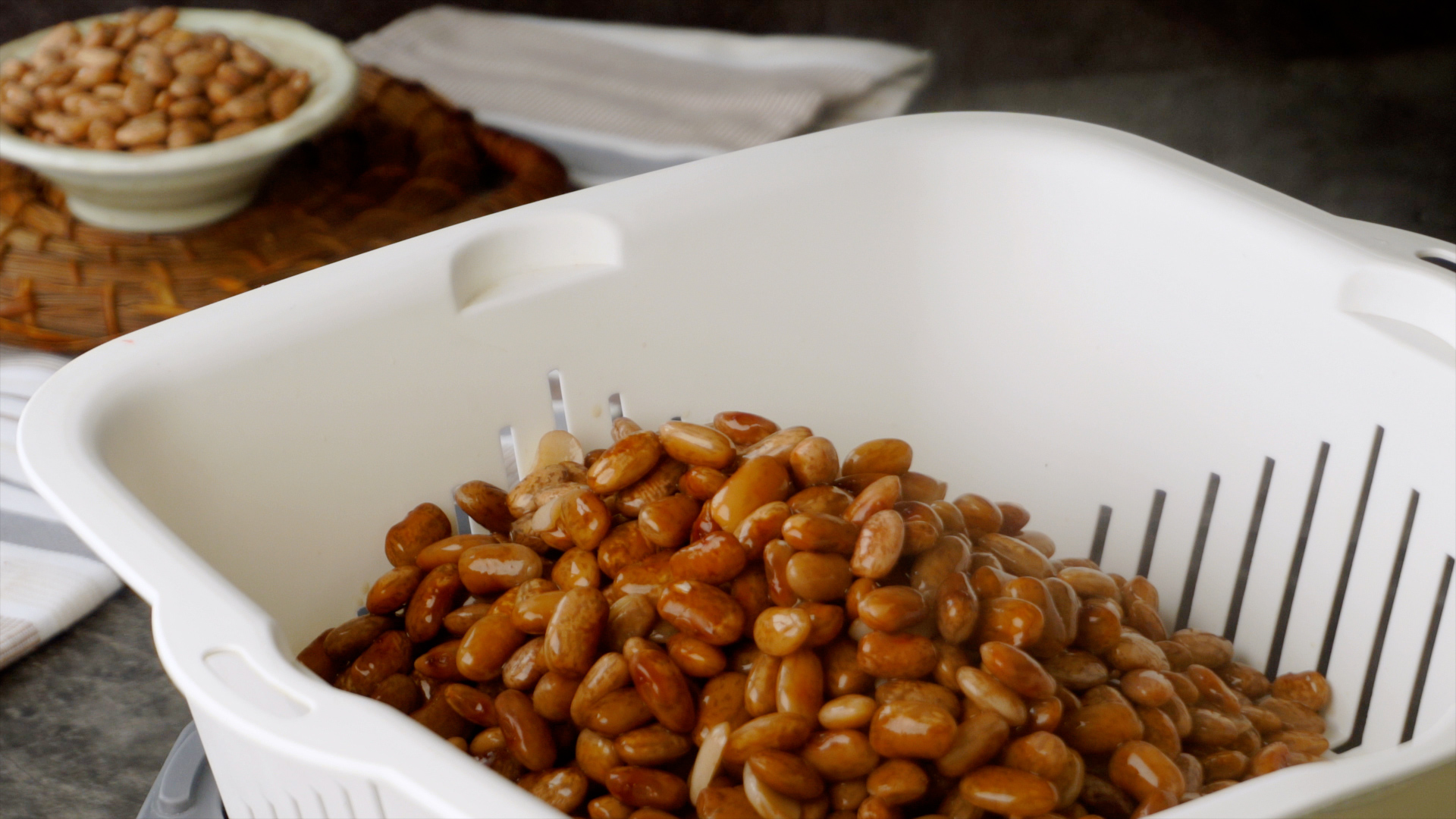
Pinto beans are the dependable jeans of the pantry: humble, affordable, comfortable with almost anything, and somehow always useful. They can become refried beans, chili, burrito bowls, soups, dips, taco fillings, and the kind of cozy side dish that makes dinner feel like someone had a planeven if that plan started 45 minutes ago while staring into the cabinet.
The only problem? Dried pinto beans have a reputation for taking forever. Traditional recipes often ask you to soak them overnight, simmer them slowly, and basically develop a long-term relationship with the pot. Good news: you do not always need that kind of commitment. With the right method, you can cook pinto beans quickly while still getting tender, creamy beans with real flavor.
This guide breaks down 4 ways to cook pinto beans quickly, from the fastest dried-bean method to the ultimate weeknight shortcut. You will also learn how to season them, how to avoid tough beans, and what to do when your beans seem to have the emotional resilience of tiny pebbles.
Before You Start: The Pinto Bean Rules That Save Dinner
No matter which quick cooking method you choose, a few basic steps make a big difference. Pinto beans are simple, but they are not completely “dump and hope” foodunless you enjoy crunchy surprises.
Sort and Rinse the Beans
Pour the dried pinto beans onto a tray or clean towel and look through them. Remove broken beans, shriveled beans, and any small stones or field debris. Then rinse them well under cool water. This step takes two minutes and prevents your dinner from having the texture of a gravel driveway.
Use Enough Water
Dried beans expand as they cook. A safe ratio is about 3 to 4 cups of water for every 1 cup of dried pinto beans, depending on the method. If you are simmering on the stove, keep extra hot water nearby so you can top off the pot if the liquid gets low.
Salt Helps Flavor, but Timing Matters
Modern bean wisdom is more relaxed about salt than older kitchen myths. A little salt during cooking can improve flavor, but acidic ingredientssuch as tomatoes, vinegar, and lime juiceare best added after the beans are tender. Acid can slow softening, and nobody wants beans that refuse to cooperate out of principle.
Fresh Beans Cook Faster
Dried beans last a long time, but older beans can take longer to soften. If your pinto beans have been sitting in the pantry since a forgotten era of your life, they may need extra time. They can still be usable, but quick methods work best with beans that are not ancient.
Method 1: Electric Pressure Cooker Pinto Beans
If speed is your top priority, the electric pressure cooker is the champion. It turns dried pinto beans into tender, creamy beans without overnight soaking. This is the method for people who want homemade beans but did not have the personality type required to remember soaking them yesterday.
Best For
Busy weeknights, meal prep, burrito bowls, chili, refried beans, and anyone who owns an Instant Pot or similar electric pressure cooker.
How Long It Takes
About 45 to 70 minutes total, depending on the age of the beans, whether you soaked them, and how soft you like them. The pressure-cooking time is often around 35 to 50 minutes for unsoaked dried pinto beans, plus time for the cooker to pressurize and release.
Ingredients
- 1 pound dried pinto beans, sorted and rinsed
- 6 cups water or broth
- 1 small onion, halved or chopped
- 2 garlic cloves, smashed
- 1 bay leaf
- 1 teaspoon salt, plus more to taste
- Optional: cumin, chili powder, smoked paprika, oregano, or a jalapeño
Steps
- Add the rinsed beans, water or broth, onion, garlic, bay leaf, salt, and seasonings to the pressure cooker.
- Lock the lid and set the valve to sealing.
- Cook on high pressure for 40 to 50 minutes for unsoaked beans. For soaked beans, start around 15 to 20 minutes.
- Let the pressure release naturally for at least 15 minutes, then carefully release any remaining pressure.
- Check the beans. If they need more time, cook for another 5 to 10 minutes under pressure.
- Season to taste after cooking.
Why It Works
Pressure raises the boiling point of water, helping beans cook faster and more evenly. The sealed environment also keeps aromatics and bean broth concentrated, so you get a rich pot liquor instead of watery disappointment.
Flavor Tip
For Mexican-style pinto beans, add cumin, oregano, garlic, onion, and a small amount of chili powder. For Southern-style beans, use onion, garlic, bay leaf, black pepper, and a small piece of smoked turkey or ham if you like a smoky flavor. For vegetarian beans, smoked paprika can bring depth without meat.
Method 2: Quick-Soak Stovetop Pinto Beans
The quick-soak method is the classic “I forgot to soak the beans” rescue plan. It uses boiling water to speed up hydration, then finishes the beans with a regular simmer. It is not as fast as a pressure cooker, but it works with basic kitchen equipment and gives you excellent control over texture.
Best For
Home cooks without a pressure cooker, anyone who wants tender beans with a traditional simmered flavor, and recipes where the bean broth matters.
How Long It Takes
About 2 to 2 1/2 hours total: roughly 1 hour for quick soaking, then 60 to 90 minutes of simmering.
Ingredients
- 1 pound dried pinto beans, sorted and rinsed
- 10 cups water for quick soaking
- Fresh water or broth for cooking
- 1 onion, chopped
- 2 garlic cloves
- 1 bay leaf
- Salt and seasonings to taste
Steps
- Place the rinsed beans in a large pot and cover with about 10 cups of water.
- Bring to a boil and boil for 2 to 3 minutes.
- Turn off the heat, cover the pot, and let the beans soak for 1 hour.
- Drain and rinse the beans.
- Return the beans to the pot and cover with fresh water or broth by about 2 inches.
- Add onion, garlic, bay leaf, and gentle seasonings.
- Bring to a boil, then reduce to a low simmer.
- Cook until tender, usually 60 to 90 minutes.
- Salt and adjust seasoning near the end.
Why It Works
Quick soaking hydrates the beans faster than a cold soak. That means shorter cooking time, more even texture, and fewer beans that are soft on the outside but firm in the middle. Draining the soaking water may also make beans easier on digestion for some people.
Texture Tip
Keep the simmer gentle. A hard boil can break the skins and make the pot cloudy and mushy. A slow bubble gives you beans that are creamy inside but still hold their shape.
Method 3: No-Soak Oven Pinto Beans
Oven-cooked pinto beans are a sneaky shortcut. They are not always faster than pressure cooking, but they require very little attention. The steady heat of the oven surrounds the pot evenly, making this a great method when you want beans that cook while you do something elselike clean the kitchen, make cornbread, or pretend you are going to clean the kitchen.
Best For
Hands-off cooking, meal prep, Dutch oven fans, and people who want no-soak dried beans without watching the stovetop.
How Long It Takes
About 90 minutes to 2 hours, depending on the beans and oven temperature.
Ingredients
- 1 pound dried pinto beans, sorted and rinsed
- 6 to 8 cups water or broth
- 1 onion, chopped
- 2 garlic cloves, smashed
- 1 bay leaf
- 1 teaspoon salt
- Optional: cumin, oregano, smoked paprika, diced green chiles, or black pepper
Steps
- Preheat the oven to 300°F.
- Add rinsed beans, water or broth, onion, garlic, bay leaf, salt, and seasonings to a Dutch oven or heavy oven-safe pot.
- Bring the pot to a boil on the stovetop.
- Cover tightly and transfer to the oven.
- Bake for 75 minutes, then check for tenderness.
- Continue cooking in 15-minute intervals until the beans are creamy and fully tender.
- Adjust salt and seasoning before serving.
Why It Works
The oven provides steady, indirect heat that reduces scorching and helps beans cook evenly. Since the pot is covered, moisture stays inside, and the beans slowly absorb flavor from the cooking liquid.
Important Tip
Use a heavy pot with a tight-fitting lid. If too much steam escapes, the beans can dry out before they soften. Check the liquid level when you test the beans, and add hot water if needed.
Method 4: Fast Canned Pinto Beans Upgrade
Let us be honest: the fastest way to cook pinto beans quickly is to start with beans that are already cooked. Canned pinto beans are not cheating. They are a practical ingredient, and with a few smart additions, they can taste like you did more work than you actually did. That is not laziness; that is kitchen management.
Best For
Last-minute dinners, taco night, quick lunches, soups, dips, nachos, and recipes where speed matters more than starting from dried beans.
How Long It Takes
About 10 to 20 minutes.
Ingredients
- 2 cans pinto beans, drained and rinsed if desired
- 1 tablespoon olive oil or butter
- 1/2 onion, finely chopped
- 1 garlic clove, minced
- 1/2 teaspoon cumin
- 1/2 teaspoon chili powder
- 1/2 cup broth or water
- Salt, pepper, and lime juice to taste
Steps
- Heat oil or butter in a skillet or saucepan over medium heat.
- Add onion and cook for 3 to 4 minutes until softened.
- Add garlic, cumin, and chili powder; cook for 30 seconds.
- Add the canned pinto beans and broth.
- Simmer for 8 to 12 minutes, stirring occasionally.
- Mash some of the beans for a creamy texture, or leave them whole.
- Finish with salt, pepper, and a squeeze of lime juice.
Why It Works
Canned beans are already tender, so the goal is not really to cook them from scratch. The goal is to wake them up. Onion, garlic, spices, and broth turn plain canned beans into a flavorful side dish or filling. A little mashing thickens the liquid and makes the beans taste richer.
Which Quick Pinto Bean Method Is Best?
The best method depends on what you mean by “quick.” If you want dried beans in the shortest realistic time, use an electric pressure cooker. If you want traditional stovetop flavor without overnight soaking, use the quick-soak method. If you want low-effort cooking, bake them in the oven. If dinner needs to be ready before everyone starts snacking aggressively, use canned beans.
| Method | Total Time | Best Use |
|---|---|---|
| Electric Pressure Cooker | 45–70 minutes | Fastest dried-bean method |
| Quick-Soak Stovetop | 2–2 1/2 hours | Classic flavor and texture |
| No-Soak Oven Beans | 90 minutes–2 hours | Hands-off cooking |
| Canned Pinto Beans Upgrade | 10–20 minutes | Fastest overall option |
How to Season Pinto Beans Quickly
Pinto beans have a mild, earthy flavor, which means they happily absorb seasonings. Think of them as tiny edible sponges with better nutritional value.
Mexican-Inspired Pinto Beans
Add onion, garlic, cumin, oregano, chili powder, smoked paprika, and a bay leaf. Finish with lime juice and cilantro after cooking.
Southern-Style Pinto Beans
Use onion, garlic, bay leaf, black pepper, and smoked meat if desired. Serve with cornbread, rice, or greens.
Simple Everyday Pinto Beans
Cook with onion, garlic, salt, and a bay leaf. This version is flexible enough for tacos, soups, salads, and grain bowls.
Refried-Style Pinto Beans
Cook or warm the beans, then mash them in a skillet with a little oil, broth, garlic, cumin, and salt. For a smoother texture, use an immersion blender.
Common Mistakes That Make Pinto Beans Take Longer
Using Very Old Beans
Old beans can take much longer to soften. If your beans remain firm after a normal cooking time, keep simmering and add hot water as needed. Next time, buy beans from a store with good turnover.
Adding Acid Too Early
Tomatoes, vinegar, citrus juice, and other acidic ingredients can slow softening. Add them after the beans are tender.
Letting the Pot Run Dry
Beans need liquid to soften. If the water level drops too low, the beans may cook unevenly or scorch. Keep them covered with liquid, especially during stovetop cooking.
Boiling Too Aggressively
A rolling boil can split the skins and make the beans fall apart. A gentle simmer is usually better for creamy, intact pinto beans.
What to Make With Quickly Cooked Pinto Beans
Once you have cooked pinto beans, dinner possibilities open fast. Use them in tacos with shredded lettuce, salsa, and cheese. Spoon them over rice with avocado and hot sauce. Mash them into refried beans for burritos. Add them to chili, tortilla soup, enchiladas, taco salads, or breakfast bowls with eggs and potatoes.
Cooked pinto beans also freeze well. Store them in their cooking liquid in airtight containers. Freeze in 1 1/2-cup portions, which is roughly equal to one standard can of beans. Future you will be very grateful, and future you deserves nice things.
Extra Experience: Real-Life Lessons for Cooking Pinto Beans Quickly
After cooking pinto beans in every possible “I need dinner now” situation, one lesson stands out: the fastest method is not always the best method for every meal. Speed matters, but texture and flavor matter too. A pressure cooker is amazing when you want dried beans quickly, but the stovetop gives you more control. Canned beans are unbeatable for speed, but they need help from aromatics and spices. Oven beans are perfect when you are home but busy, because they ask very little from you after the pot goes into the oven.
The biggest practical experience is that beans reward a little planning, even when you are using a quick method. Sorting and rinsing feel boring, but they prevent gritty bites. Using broth instead of water gives beans a richer base. Adding onion, garlic, and bay leaf makes even a rushed pot taste intentional. These small moves are the difference between “beans because I had no other option” and “beans because this is actually delicious.”
Another useful lesson is to cook beans for the texture you need. For salads or grain bowls, stop when the beans are tender but still hold their shape. For refried beans, dips, and burritos, cook them a little softer so they mash easily. If the beans are going into chili or soup, slightly firm beans are fine because they will continue cooking in the recipe. Thinking about the final dish helps you avoid overcooking or undercooking.
Seasoning also works best in layers. Add basic flavor during cooking, then adjust at the end. Beans often taste flat right when they finish cooking, but a final pinch of salt, a splash of lime juice, or a spoonful of salsa can wake them up. Fresh toppings help too. Cilantro, chopped onion, jalapeño, sour cream, shredded cheese, avocado, or hot sauce can turn a basic bowl of pinto beans into a meal that looks like you tried harder than you did.
One more experience-based tip: save the bean broth. Many people drain it away automatically, but that liquid is full of flavor and starch. It can thicken soups, loosen refried beans, add body to rice, or make a quick sauce for tacos. If the broth tastes bland, season it. If it tastes too strong, dilute it. Either way, do not throw it out until you know you do not need it.
Finally, remember that “quick” is relative. A pressure cooker can make dried pinto beans fast, but canned beans are still the emergency hero. There is no shame in using both. Cook dried beans when you have an hour, freeze leftovers, and use canned beans when life gets chaotic. The best kitchen strategy is not perfection. It is having enough smart shortcuts that dinner still happens.
Conclusion
Cooking pinto beans quickly is completely possible when you match the method to your schedule. The electric pressure cooker is the fastest way to cook dried pinto beans without soaking. The quick-soak stovetop method is reliable and classic. The oven method is easy and hands-off. Canned pinto beans are the speediest solution when dinner needs to happen immediately.
Whichever method you choose, remember the basics: sort, rinse, use enough liquid, season thoughtfully, and add acidic ingredients after the beans are tender. With those simple habits, pinto beans become one of the most useful, budget-friendly, and satisfying foods in your kitchen.