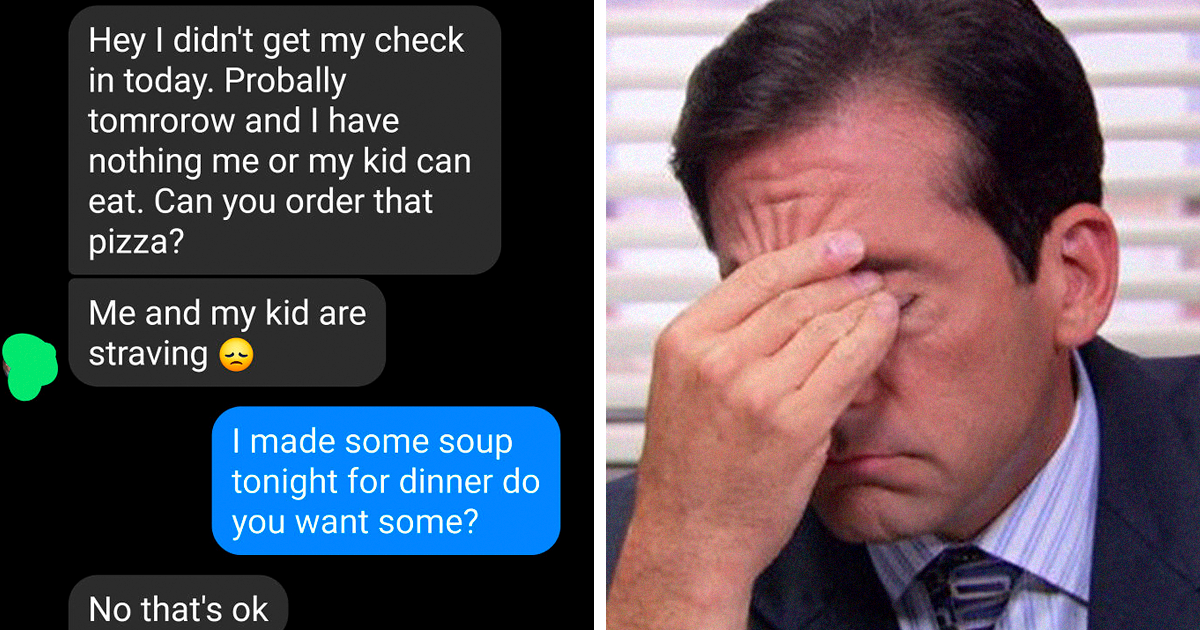
Some parents walk into a room with snacks, hand sanitizer, and a normal amount of concern. Others arrive with the emotional energy of a small claims court, convinced the universe has been undercharging them for special treatment. That is the chaotic world behind stories of entitled parents: people who believe their child deserves the biggest slice, the best seat, the only exception, the free upgrade, the rewritten rulebook, and possibly your lunch.
Of course, most parents are not like this. Most are tired, loving, occasionally over-caffeinated humans trying to keep everyone alive until bedtime. But when parental protectiveness mixes with entitlement, poor boundaries, and a “my child is the main character of Earth” mindset, ordinary moments can turn into legendary social disasters.
This article looks at 40 familiar types of entitled parent behavior, why these situations feel so exhausting, and how people can handle them without turning into a human pressure cooker. Think of it as a field guide to wild entitlement, with fewer tranquilizer darts and more polite boundary-setting.
Why Entitled Parents Feel So Impossible To Deal With
Entitlement is not just confidence with a louder ringtone. It is the belief that one deserves special treatment, rewards, forgiveness, or access without earning it. In parenting, that belief can become extra intense because the parent is not only defending themselves; they are defending their child, their identity, and sometimes their fantasy of being the perfect parent.
Healthy advocacy sounds like, “Can we talk about what happened and find a fair solution?” Entitled advocacy sounds like, “My child failed the test, so the teacher must be removed, the test must be destroyed, and the school should apologize to our family dog.” The difference is not love. It is respect for reality.
Research on parenting and child development has shown that overinvolvement, overvaluation, and micromanaging can create problems for children rather than protect them. Kids need support, but they also need chances to practice patience, accountability, problem-solving, and disappointment. If a parent bulldozes every obstacle, the child may learn that obstacles are for other people.
40 Times Entitled Parents Took Things Way Too Far
1. The Parent Who Demanded Someone Else’s Birthday Table
A family reserves a restaurant table weeks in advance. An entitled parent arrives late, sees the decorated setup, and asks the host to “just move them” because their child likes balloons. Congratulations, you have discovered restaurant colonialism.
2. The “My Kid Deserves Your Window Seat” Parent
Airplane seating is already a puzzle made of knees and regret. Still, some parents expect strangers to give up paid seats because their child wants a view. Asking politely is fine. Acting offended by “no” is where the entitlement starts taxiing down the runway.
3. The Grade-Changing Crusader
Teachers often face parents who want grades changed because “my child tried hard.” Effort matters, but effort does not magically turn a wrong answer into a correct one. If it did, every math test would come with confetti.
4. The Playground Dictator
This parent tells other children to leave the slide because “my child is younger.” A playground is not a private resort. Everyone takes turns, even the tiny citizens wearing dinosaur shoes.
5. The Free Babysitting Assumer
Some parents treat relatives, neighbors, or older siblings like unpaid childcare subscriptions. They do not ask; they announce. Then they act shocked when people have plans, jobs, or the wild desire to sit down for five minutes.
6. The Sports Parent Who Thinks the Referee Is a Villain
You can tell a youth sports season has begun when one adult screams at a volunteer referee over a fourth-grade soccer call. The World Cup is not being decided here, Brenda. The players still believe orange slices are a performance-enhancing substance.
7. The Parent Who Wants Rules Changed Mid-Event
Whether it is a school contest, a raffle, or a summer camp policy, entitled parents often want exceptions after the rules become inconvenient. Their motto: “Clear guidelines are wonderful until they apply to us.”
8. The Restaurant Parent Who Lets Kids Wreck the Place
Children make messes. That is normal. Entitled parents, however, watch their kids pour sugar packets into the carpet and say, “That is what staff are for.” No, staff are not emotional archaeologists digging through pancake syrup.
9. The Line-Cutting Parent
Lines are society’s little agreement that we are not raccoons fighting over a trash can. But some parents believe having a child lets them skip everyone. Emergencies are different. Wanting popcorn faster is not an emergency.
10. The Gift-Grab Parent
At parties, this parent lets their child open someone else’s presents because “they are upset.” That is not kindness. That is teaching a child that disappointment can be solved with theft wrapped in tissue paper.
11. The “You Don’t Have Kids, So You Don’t Understand” Parent
This line often appears when someone sets a reasonable boundary. You do not need children to understand that screaming in a waiting room is stressful, or that someone else’s phone is not a toddler toy.
12. The Parent Who Treats Teachers Like Personal Assistants
Teachers teach. They are not private tutors, lost-and-found detectives, lunchbox consultants, and emotional support inboxes available at midnight. Good communication helps students. Constant demands bury everyone.
13. The “My Child Is Gifted” Escape Clause
Some parents use giftedness as a universal excuse. Their child interrupts? Gifted. Refuses instructions? Gifted. Turns a class project into a glitter explosion? Clearly advanced creativity. Talent is real, but it does not cancel manners.
14. The Wedding Parent With Kid-Centric Demands
When an invitation says “adults only,” an entitled parent may hear “please argue with us for six weeks.” Weddings are expensive, planned events. Not every celebration needs a bubble machine and a chicken nugget annex.
15. The Parent Who Borrows And Never Returns
Car seats, toys, clothes, money, strollerssome parents borrow items “for the kids” and then act confused when asked to return them. A child needing something does not turn borrowed property into community property.
16. The “My Child Can Do No Wrong” Defender
When kids misbehave, healthy parents listen, investigate, and teach. Entitled parents launch a courtroom drama in which their child is innocent, everyone else is lying, and the evidence is “I just know my baby.”
17. The Neighbor Who Claims Public Space
Some parents decide the shared hallway, sidewalk, or apartment courtyard belongs to their children’s toys. Community space requires community respect. Your scooter fleet is not a municipal department.
18. The Parent Who Demands Discounts For Existing
Family discounts are lovely when offered. They are not legally summoned by saying, “But I have children.” The cashier did not create capitalism and cannot defeat it with a coupon wand.
19. The Sleepover Rule Ignorer
One family says no certain foods, no scary movies, or no late-night internet. Another parent ignores it because “kids should have fun.” Fun is not the same as overriding another household’s boundaries.
20. The Parent Who Uses Guilt As Currency
“You are making my child sad” is a classic line when someone refuses an unreasonable request. Feelings matter, but they are not invoices. A disappointed child is not proof that the world owes them a prize.
21. The Birthday Party Upgrade Demander
Some parents book the basic package, then demand premium extras for free because “it is for a child.” Businesses may love children, but they also enjoy paying rent.
22. The Library Loudness Lawyer
Libraries welcome families, but they are still shared quiet spaces. The entitled version of parenting says everyone else should “just deal with it” while a child yells through the biography aisle like a tiny sports announcer.
23. The Parent Who Weaponizes Reviews
When told no, some parents threaten a one-star review. Reviews can hold businesses accountable, but using them as a tantrum megaphone is not consumer justice. It is Yelp-flavored blackmail energy.
24. The Relative Who Expects Holiday Control
Entitled parents sometimes decide every holiday must revolve around their children’s schedule, menu, naps, photos, and gift expectations. Family traditions should be shared, not seized like a festive pirate ship.
25. The “My Kid Needs Your Toy” Parent
Public parks and playdates create this classic: one child has a toy, another wants it, and a parent says, “Can’t you just share?” Sharing is generous. Forced surrender is not sharing; it is toy taxation.
26. The Parent Who Treats Teen Workers Badly
Teen cashiers, lifeguards, and servers often become targets for entitled adults. A parent may demand impossible fixes while saying, “You are just a kid.” That “kid” is working. The adult is performing a meltdown near the receipt printer.
27. The Carpool Commander
This parent expects other families to drive their child everywhere, every week, with no thanks, gas money, or return favor. A carpool is cooperation, not a royal carriage service.
28. The Parent Who Rewrites Medical Or Safety Rules
Some places have strict safety policies for good reasons. Entitled parents may argue because a rule inconveniences them. But safety rules are not decorative suggestions placed there for ambience.
29. The “Family Comes First” Manipulator
Family does matter. But some people use that phrase to demand money, time, silence, or obedience. Healthy family support includes respect. It does not require one person to become everyone else’s emergency fund and emotional trampoline.
30. The Parent Who Expects Other Kids To Adjust
Sometimes a parent wants an entire class, team, or friend group to change plans so their child never feels uncomfortable. Inclusion is important. Total world rearrangement is not inclusion; it is logistical hostage-taking.
31. The Homework Rescue Squad
Helping a child understand homework is great. Doing the whole project and then demanding praise for the child is less great. If the volcano model looks like it has a contractor’s license, people will notice.
32. The Parent Who Demands Instant Replies
Teachers, coaches, and other parents cannot always answer messages immediately. A 10:47 p.m. text followed by “HELLO???” at 10:52 p.m. is not communication. It is a hostage note with emojis.
33. The “Rules Are Mean” Parent
Rules can be frustrating, but they also help groups function. Children learn patience when adults calmly explain limits. They learn entitlement when adults teach them that every boundary is a personal attack.
34. The Store Aisle Blocker
A child having a tough moment in a store is normal. A parent blocking the aisle while refusing to move because “people can go around” is less normal. The cereal aisle is not a private emotional processing suite.
35. The Parent Who Makes Apologies Optional
Kids make mistakes. Apologies help repair them. Entitled parents sometimes refuse to let their children apologize because “it will embarrass them.” Accountability is uncomfortable. That is partly why it works.
36. The “My Child Is Bored, Entertain Them” Parent
Waiting rooms, family gatherings, and public events often reveal this one. A bored child is not automatically someone else’s assignment. Boredom can even build creativity, though the first draft may involve whining.
37. The Parent Who Demands Special Food Everywhere
Food allergies and medical needs should be taken seriously. Entitlement appears when a parent demands a custom menu for preference alone, then blames others for not predicting that their child currently only eats beige rectangles.
38. The Photo Permission Ignorer
Some parents post photos of other people’s kids without asking. A shared event does not erase privacy. Consent still matters, even when the lighting is good and everyone’s hair behaved for once.
39. The Parent Who Turns Every Conflict Into A Public Scene
Entitled parents may escalate small problems loudly, hoping embarrassment will force compliance. It can work temporarily, but it destroys trust. Volume is not the same as being right.
40. The Parent Who Cannot Hear “No”
The ultimate entitled parent behavior is treating “no” as the opening offer in a negotiation nobody agreed to join. Healthy adults can feel disappointed and still respect a boundary. Entitled adults keep pushing until everyone needs a nap.
What These Stories Have In Common
The details change, but the pattern is usually the same: an entitled parent sees a normal limit as an insult. A line, rule, price, schedule, invitation, grade, or safety policy becomes “unfair” the second it does not benefit their child. The parent may believe they are being protective, but protection without perspective can become pressure.
Many of these situations also involve weak boundaries. Boundaries are not punishments. They are the limits that help people understand what is acceptable, safe, respectful, and realistic. Without boundaries, relationships become confusing. One person demands, another person gives in, resentment grows, and the cycle repeats until someone finally says, “No, you cannot borrow my car for your toddler’s imaginary emergency.”
Why Overprotective Parenting Can Backfire
Parents naturally want to spare their children pain. That instinct is human. The problem begins when a parent tries to remove every uncomfortable feeling from a child’s life. If a child never waits, loses, apologizes, shares, hears criticism, or solves a problem, they may enter adulthood with the emotional durability of wet tissue paper.
Supportive parenting teaches children, “You can handle hard things, and I will help you learn.” Entitled parenting teaches, “Hard things should be removed because you are too special for them.” One builds confidence. The other builds dependence, frustration, and a talent for asking customer service representatives to call the manager.
How To Deal With Entitled Parents Without Losing Your Mind
Stay Calm And Boring
Entitled behavior often feeds on emotional reaction. Calm responses are powerful because they refuse to turn the moment into a drama festival. You can say, “I understand you are upset, but the policy is the same for everyone,” and repeat it as needed. Become a polite brick wall with excellent posture.
Use Clear, Short Boundaries
Long explanations can become loophole invitations. Try simple statements: “I cannot do that,” “That does not work for me,” “The deadline has passed,” or “Please speak to me respectfully.” The fewer extra words, the fewer handles someone has to grab.
Do Not Reward The Meltdown
If screaming, guilt, or threats lead to special treatment, the behavior gets stronger. This is true in families, schools, businesses, and group chats. Reward respectful communication instead. Make it clear that calm conversations get attention; chaos gets paused.
Document Important Interactions
Teachers, coaches, volunteers, and workers should keep records when a parent repeatedly crosses lines. Documentation protects everyone and keeps the focus on facts instead of who can look most offended in a meeting.
Offer Choices, Not Control
When possible, give limited options: “You can choose the 2 p.m. appointment or the 4 p.m. appointment,” not “What would you like the entire building to do for you today?” Choices create cooperation without surrendering the whole steering wheel.
Experiences Related To Dealing With Entitled Parents
Anyone who has worked in a school, restaurant, store, sports league, daycare, clinic, neighborhood group, or family event has probably met at least one parent who treats ordinary limits like personal betrayal. The experience can be surprisingly draining because the conflict is rarely just about the thing itself. It is not only about a seat, a cupcake, a grade, or a turn on the slide. It is about the parent’s belief that their need should automatically outrank everyone else’s.
One common experience is the feeling of being cornered into “proving” that a boundary is valid. For example, a teacher may say that late work loses points. Instead of accepting the classroom policy, an entitled parent might demand a full investigation into why their child should be exempt. The teacher then has to spend time defending a rule that was already explained to everyone. That is one reason entitled behavior is so exhausting: it converts simple systems into endless debates.
Another familiar experience is emotional guilt. A parent might say, “You ruined my child’s day,” when the real issue is that the child did not get something another child had. This puts the other person in an uncomfortable position. Nobody wants to hurt a child’s feelings. But protecting children from every disappointment does not help them grow. In many cases, the kindest long-term response is to hold the boundary and let the child learn that sadness, frustration, and waiting are survivable.
People also describe feeling shocked by how quickly some entitled parents escalate. A small “no” can become a complaint, a bad review, a public argument, or a demand for someone to be fired. This creates pressure to give in just to make the situation stop. However, giving in often teaches the parent that escalation works. The next person then inherits an even bigger problem, like passing along a cursed family heirloom but with more emails.
The best experiences usually come from clear systems. Schools that publish communication hours, businesses that train staff to handle complaints, sports leagues that enforce codes of conduct, and families that agree on boundaries ahead of time tend to manage entitlement better. The goal is not to shame parents. Many difficult parents are stressed, scared, overwhelmed, or used to fighting for their child in systems that may not always listen. But stress does not excuse disrespect.
On a personal level, dealing with entitled parents teaches a valuable lesson: kindness needs a backbone. You can be compassionate without becoming available for every demand. You can care about a child without letting an adult bully you. You can listen to a complaint without accepting insults. That balance is not always easy, especially when the parent is loud, dramatic, or carrying a folder labeled “evidence.” Still, calm consistency works better than emotional wrestling.
For children watching these interactions, adults model what power looks like. If they see a parent demand, threaten, and receive special treatment, they learn that pressure beats fairness. If they see adults communicate respectfully, accept limits, apologize, and solve problems, they learn skills that actually help them in real life. That is the hidden importance of these awkward moments. They are not only about today’s argument. They are tiny lessons in how communities function.
Conclusion
Entitled parents make unforgettable stories because they turn normal social expectations into full-contact negotiations. They demand seats, discounts, grade changes, special rules, instant replies, and emotional labor from everyone nearby. Under the humor, though, there is a serious lesson: boundaries matter.
Good parenting is not about making the world bow to your child. It is about helping your child learn how to live in the world with confidence, empathy, patience, and respect. Children need love, safety, and advocacy. They also need limits, consequences, and the chance to survive not getting the biggest cookie.
The next time an entitled parent tries to bend reality around their child’s preferences, remember: calm boundaries are not rude. Fairness is not cruelty. And “no” is a complete sentence, even if someone’s precious little angel wanted the window seat.